Navigating the Challenges of Office-to-Housing Conversions in NYC
The recent structural failure in Manhattan underscores the complexities of transforming office spaces into residential units, a growing trend to address housing shortages in the wake of the COVID-19 pandemic.
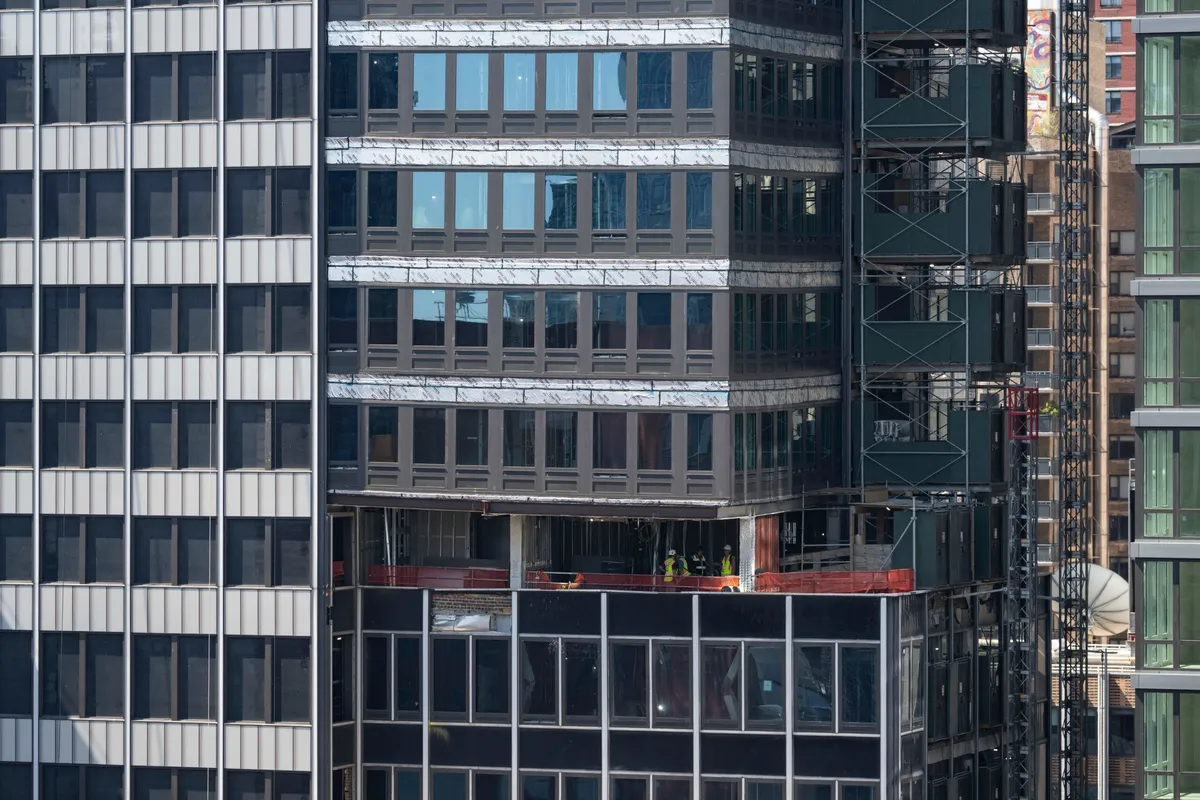
The recent incident at the former Pfizer headquarters in midtown Manhattan, where steel columns buckled, has thrown a spotlight on the challenges and intricacies involved in converting office buildings into residential spaces. This project, which aims to transform two underutilized office buildings into approximately 1,600 apartments, illustrates the delicate balance between innovation in urban development and the structural integrity required to support such ambitious endeavors. As cities across the U.S., including New York, grapple with a pressing housing shortage exacerbated by the COVID-19 pandemic, the need for effective adaptive reuse strategies has never been more urgent.
The incident occurred on the 21st floor of a 1960s structure, causing evacuations and a halt in construction—a significant setback for one of the nation’s largest office-to-apartment conversion projects. Experts in the field have weighed in on the situation, suggesting that while the failure raises questions about the project’s specific execution, it should not undermine confidence in the broader approach to adaptive reuse, which aims to breathe new life into existing buildings.
The Complexities of Adaptive Reuse
Adaptive reuse refers to the process of repurposing buildings for new uses while retaining their original structures. This method is gaining traction among urban planners and developers as a practical solution to the housing crisis, particularly in densely populated areas like New York City, where land is at a premium. The proposed conversion of the Pfizer building involves adding over a dozen stories to the existing structure, which presents unique engineering challenges. Structural integrity is paramount; the older buildings must be able to support the additional loads without compromising safety.
Engineering Challenges in Conversion Projects
Ben Schafer, a structural engineering professor at Johns Hopkins University, points out that the typical method involves ensuring that the historical buildings continue to carry their own weight while new structural systems are introduced to accommodate the additional floors. This approach requires careful planning and execution, particularly in older buildings that weren’t designed to bear extra weight.
Emily Guglielmo, a structural engineer, emphasizes that factors such as understanding the original design assumptions and conducting thorough inspections before construction are critical for success. The buckling of the steel columns at the Pfizer site, which experts believe may have resulted from the added loads, serves as a stark reminder of the complexities involved in these projects.
The Push for Office-to-Residential Conversions
As cities across the U.S. face increased pressure to provide affordable housing, many are looking at office-to-residential conversions as a viable solution. In New York City alone, there are currently 44 adaptive reuse projects underway, with city officials actively encouraging these developments through zoning changes and tax incentives. The goal is to revitalize downtown areas that have seen a decline in business activity since the pandemic.
Office buildings have become prime candidates for conversion due to their underutilization, especially as remote work trends continue. Joshua Harris, director of Fordham University’s Real Estate Institute, notes that these conversions are not only crucial for addressing housing shortages but also play a role in revitalizing urban neighborhoods that have struggled during this transition period.
Environmental Considerations
From a sustainability perspective, adaptive reuse projects are often preferable to new construction. Demolishing existing buildings contributes significantly to waste and environmental degradation. According to Schafer, the construction sector accounts for about 40% of the world’s energy-related carbon emissions, making the preservation and repurposing of existing structures an environmentally responsible choice.
Moreover, in dense urban environments, the costs associated with demolition—both financial and logistical—are substantial. As such, maximizing the use of existing buildings not only aligns with sustainability goals but also makes economic sense in the long run.
Regulatory Framework and Safety Measures
The regulatory environment surrounding construction and adaptive reuse projects plays a vital role in ensuring safety. The U.S. benefits from robust building codes that provide a framework for engineers to design safe structures. Guglielmo notes that failures like the one at the Pfizer conversion are rare due to stringent codes and inspections that must be adhered to throughout the construction process.
However, the recent scare raises important questions about oversight and diligence in the industry. Harris suggests that the incident may prompt a comprehensive review of other adaptive reuse projects in the pipeline to ensure that similar issues do not arise elsewhere. The need for experienced construction crews and detailed pre-construction evaluations becomes ever more critical in this context.
Future Implications for Urban Development
The incident at the Pfizer site is not merely a cautionary tale; it’s a reflection of the broader challenges facing urban development today. As cities seek innovative ways to solve housing shortages while revitalizing their landscapes, the complexities of adaptive reuse must be navigated with care and foresight.
Though the immediate reaction to the buckling columns may be concern, it’s essential for stakeholders to approach these projects with a balanced perspective. The intricate nature of repurposing existing buildings should be met with a commitment to safety, sustainability, and urban renewal.
Key Takeaways
- Adaptive reuse projects are increasingly viewed as solutions to housing shortages in urban areas.
- The engineering complexities of converting office buildings require careful planning and execution.
- Environmental sustainability is a significant consideration in these conversions, promoting the reuse of existing structures.
- Robust building codes and inspections play a crucial role in maintaining safety standards during construction.
- The recent structural failure serves as a wake-up call for the industry to emphasize safety in future projects.
Frequently Asked Questions
What are the main benefits of adaptive reuse projects?
Adaptive reuse projects offer several benefits, including addressing housing shortages in urban areas, promoting sustainability by reducing waste from demolition, and revitalizing underutilized neighborhoods. By repurposing existing structures, cities can conserve resources and minimize their environmental impact while meeting the growing demand for housing.
What are the risks associated with converting office buildings to residential spaces?
The primary risks include structural integrity concerns, potential code violations, and the complexity of modifying older buildings to meet modern residential standards. Thorough inspections and careful engineering assessments are essential to mitigate these risks and ensure that conversions are safe and compliant with building regulations.
How does the regulatory environment impact adaptive reuse projects?
The regulatory environment plays a significant role in shaping the feasibility and safety of adaptive reuse projects. Building codes provide guidelines that engineers and developers must follow, ensuring that structures are safe for habitation. Compliance with these regulations is critical for the success of conversion projects, and regular inspections help maintain standards throughout the construction process.
Can adaptive reuse help with urban revitalization?
Yes, adaptive reuse can significantly contribute to urban revitalization by transforming neglected or underutilized buildings into vibrant residential spaces. This process not only addresses housing needs but also stimulates economic growth and enhances the overall aesthetic of urban areas, making them more attractive and livable for residents.
Comments
Wildfires: The Evolving Challenge for Property Insurers
As wildfires become a year-round threat, property insurers face unprecedented challenges in risk assessment and claims management. This article explores the shifting landscape of wildfire risk and its implications for homeowners and insurers alike.

Related articles

Popular in Home Insurance
- 2026 Sees Below-Average Severe Convective Storm Losses: What It Means for Insurance
- El Niño and Wildfires: Preparing for a Fire-Prone Future
- Young Affluent Collectors: The Underinsurance Dilemma in Luxury Investments
- Wisconsin Property Owner Sues City and Insurers Over Contamination Cleanup Costs
- Rising Catastrophe Risks: How Europe’s Insurers Are Adapting to Climate Change