Washington Wildfires Cause Over $600 Million in Insured Losses: A Challenge for the New Commissioner
The recent wildfires in Washington state have resulted in over $600 million in insured losses, challenging the new Insurance Commissioner, Patty Kuderer, to navigate recovery and claims processes efficiently. As communities begin to rebuild, critical lessons emerge about preparedness and insurance practices.
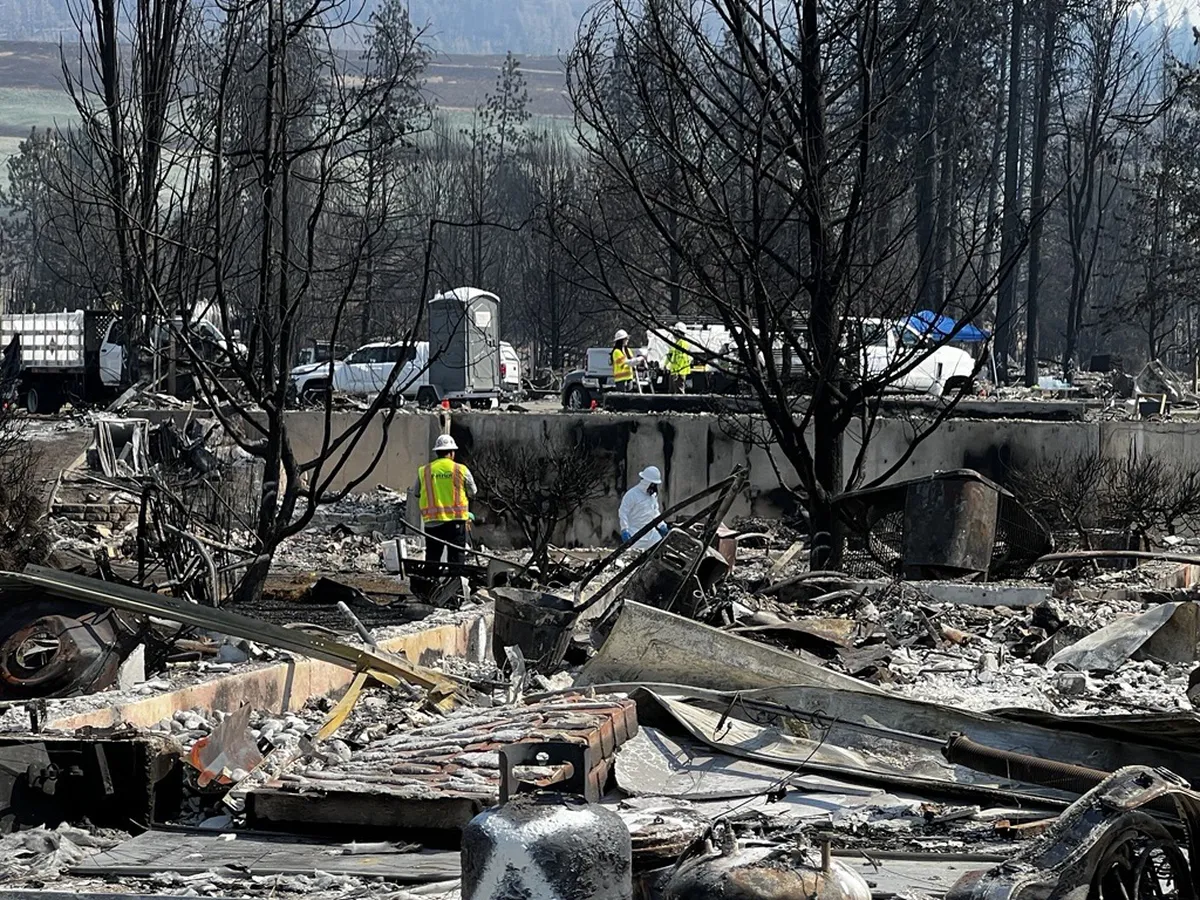
The summer of 2026 marked a devastating chapter for Washington state as wildfires wreaked havoc across the region, leading to an estimated **$600 million** in insured losses. This unprecedented damage has placed new Insurance Commissioner Patty Kuderer at the forefront of recovery efforts, testing her leadership as she navigates the complexities of insurance claims and rebuilding processes. With the state grappling with the effects of climate change and increasing wildfire risks, the challenges ahead are significant, not just for Kuderer but for homeowners and the insurance industry as a whole.
Having taken office a year and a half prior, Kuderer is still relatively new to her role compared to her predecessor, Mike Kreidler, who held the commissioner position for over two decades. The scale of the destruction, particularly evident in Spokane County where the Spokane Complex Fire destroyed nearly **900 structures** and burned approximately **10,000 acres**, is a stark reminder of the urgent need for robust disaster preparedness and a responsive insurance framework.
The Financial Toll of Wildfires
The recent wildfires have led to the most costly fire damage in Washington's history, with losses predominantly affecting residential properties. According to the Office of the Insurance Commissioner (OIC), **$535 million** of the insured losses stem from residential claims. This statistic is part of a broader trend observed in recent years where natural disasters have increasingly strained the insurance industry.
Breaking Down the Losses
- Overall insured losses: $600 million
- Residential claims: $535 million
- Cost for rebuilding damaged properties: Estimated at **$1.9 billion** for single-family homes
- Number of properties affected: 5,256, with 96% being single-family residences
The implications of these figures extend beyond dollar amounts; they reflect the emotional and psychological toll on communities affected by such disasters. Kuderer has emphasized the importance of community engagement in the recovery process, highlighting her office’s proactive measures to assist residents in navigating claims and understanding their insurance coverage.
Challenges in the Claims Process
As residents begin to piece their lives back together, the claims process has emerged as a critical focal point. Kuderer has reported a mixed bag of experiences regarding claims, with many claimants expressing satisfaction, while others have faced hurdles, particularly concerning inventory requirements for personal property claims.
Streamlining Claims for Efficiency
Kuderer has advocated for insurance carriers to simplify the claims process, suggesting that some companies should consider waiving the requirement for full inventories on losses. This approach could expedite payouts and alleviate some of the burdens on individuals trying to recover from devastating losses. For instance, one insurer has already taken the initiative to pay out **65%** of their limit without requiring a full inventory, a practice Kuderer hopes will be adopted more widely.
“I think the other companies should follow suit,” Kuderer stated, demonstrating her commitment to advocating for policyholders during this challenging time.
Preparedness and Future Resilience
Reflecting on her experiences before taking office, Kuderer noted that each year lawmakers would reference the worsening fire seasons. This knowledge prompted her to create the Community Outreach and Disaster Response (CODR) program, aimed at reducing underinsurance and preparing communities for potential disasters.
Innovative Programs for Community Support
The CODR program places insurance experts at disaster recovery centers to assist residents in understanding their coverage and navigating the claims process effectively. Additionally, her office has initiated the Community Connect Program, which hosts public forums aimed at discussing local insurance rates, coverage options, and wildfire risks. These initiatives are critical as they foster transparency and empower residents to make informed decisions regarding their insurance needs.
The Importance of Building Codes
As the focus shifts toward rebuilding, Kuderer has expressed concerns about the potential push to relax building codes in the name of expediency. Drawing from examples of past disasters, she argues for the necessity of adhering to high construction standards to ensure future resilience against wildfires.
Learning from Past Disasters
Kuderer noted that in California, efforts to streamline construction processes post-wildfires have sometimes led to the relaxation of building codes, which can pose long-term risks for insurers and homeowners alike. By advocating for the adherence to established standards, Kuderer aims to prevent repeat disasters that could devastate communities already struggling to recover.
“I totally understand the desire to want to build quickly, but I think we have to build back smartly,” Kuderer remarked, emphasizing that well-constructed homes will not only provide safety but also ensure insurability in the future.

Key Takeaways
- The recent wildfires in Washington have led to over **$600 million** in insured losses.
- Residential properties account for the majority of those losses, highlighting the urgent need for effective claims processing.
- Insurance Commissioner Patty Kuderer is advocating for streamlined claims and adherence to building codes to promote long-term resilience.
- Community engagement and education are crucial components of recovery efforts.
- The initiatives launched by Kuderer’s office aim to assist residents in navigating the complexities of insurance during disasters.
Frequently Asked Questions
What are the main causes of the increasing wildfire risks in Washington?
Climate change, coupled with prolonged periods of drought and rising temperatures, has contributed significantly to increasing wildfire risks in Washington. These environmental factors create ideal conditions for wildfires to ignite and spread rapidly, necessitating greater preparedness and resilience on the part of both communities and insurance providers.
How can homeowners ensure they are adequately insured against wildfires?
Homeowners should regularly review their insurance policies to ensure adequate coverage limits that reflect the current value of their homes and possessions. Engaging with insurance agents to discuss specific risks associated with wildfires and exploring options such as wildfire insurance endorsements or additional coverage can help mitigate the financial impact of potential future disasters.
What role does the Insurance Commissioner play in disaster recovery processes?
The Insurance Commissioner is responsible for regulating the insurance industry and ensuring that policies are fair and transparent for consumers. In disaster recovery, the Commissioner plays a crucial role in facilitating communication between insurers and policyholders, advocating for streamlined claims processes, and implementing programs aimed at preparing communities for future risks.
How can communities better prepare for future wildfires?
Communities can enhance their preparedness by developing comprehensive wildfire mitigation plans, which may include creating defensible spaces around homes, conducting regular fire safety education, and reinforcing building codes to promote fire-resistant structures. Collaboration with local fire departments and engaging in community outreach programs can also foster a culture of preparedness that reduces overall risks.
Comments
Utah Leads the Nation in Homeowners Insurance Nonrenewals
Utah has overtaken California and Florida as the state with the highest rate of homeowners insurance policy nonrenewals. As insurers retreat, homeowners face rising premiums and limited options while navigating a changing insurance landscape.

Related articles
Popular in Home Insurance
- 2026 Sees Below-Average Severe Convective Storm Losses: What It Means for Insurance
- El Niño and Wildfires: Preparing for a Fire-Prone Future
- Young Affluent Collectors: The Underinsurance Dilemma in Luxury Investments
- Wisconsin Property Owner Sues City and Insurers Over Contamination Cleanup Costs
- Rising Catastrophe Risks: How Europe’s Insurers Are Adapting to Climate Change