Utah Leads the Nation in Homeowners Insurance Nonrenewals
Utah has overtaken California and Florida as the state with the highest rate of homeowners insurance policy nonrenewals. As insurers retreat, homeowners face rising premiums and limited options while navigating a changing insurance landscape.
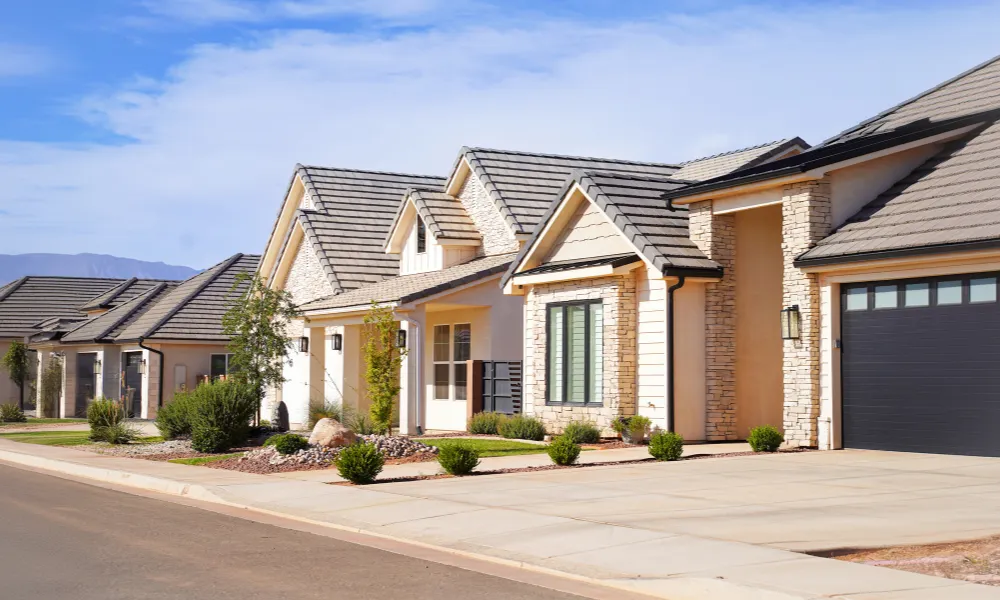
The landscape of homeowners insurance in the United States is undergoing a seismic shift, and Utah has emerged as an unexpected leader in a concerning trend. Recent data from 2025 filings by the National Association of Insurance Commissioners reveals that Utah carriers declined to renew a startling 4.45% of homeowners policies last year—equivalent to one in every 22 policies. This marks an alarming increase from the state's 2018 nonrenewal rate, which was only 0.53%, and more than double the 2024 figure. As a result, Utah has jumped from 17th place to the top of the national rankings for homeowners insurance nonrenewals, prompting industry experts to label it a 'loud alarm bell' for the market.
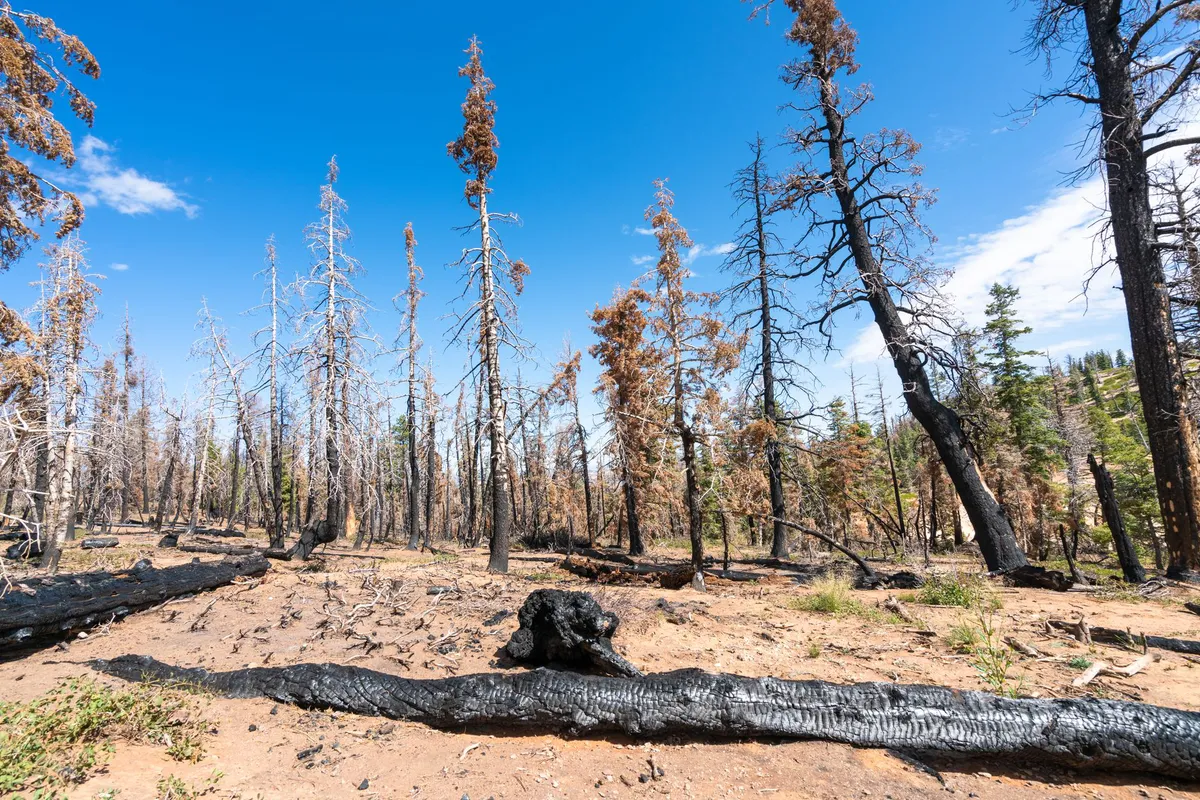
Historically, Utah's homeowners insurance market has been viewed as one of the most affordable in the country, with premiums well below the national average. However, this perception is now colliding with the stark reality of increasing wildfire risks, forcing many homeowners to reevaluate their insurance options. As the state continues to experience rapid population growth, homebuilding has expanded into areas susceptible to wildfires, raising concerns about the sustainability of coverage and the financial viability of insurers operating in the region.
The Rising Tide of Nonrenewals
The data from Weiss Ratings paints a clear picture of Utah's deteriorating homeowners insurance market. In 2025, the state's nonrenewal rate soared to 4.45%, significantly higher than California's 2.93%, which is historically known for its insurance challenges. For comparison, California's nonrenewal rate is a decrease from 3.18% in 2024, yet it remains 3.6 times higher than its 2018 figures. This indicates a troubling trend in which both states are grappling with the consequences of climate change and its impact on insurance viability.
Dr. Martin D. Weiss, founder of Weiss Ratings, emphasized the urgency of the situation, stating, "In a very short period of time, Utah has gone from a warning to the nation's loudest alarm bell." The implications of this shift are far-reaching, as homeowners who face nonrenewal notices must navigate a complex insurance landscape, often leading them to seek coverage in the more expensive and less regulated surplus lines market.

Understanding the Surplus Lines Market
When standard insurance providers opt not to renew policies, homeowners are frequently forced to explore the surplus lines market. This segment of the insurance industry caters to unique or elevated risks that traditional carriers are unwilling to underwrite. While surplus lines carriers provide an option for at-risk homeowners, they are not subject to the same rigorous rate-approval processes as admitted insurers.
The shift toward surplus lines can have significant financial implications for homeowners. For instance, in California, the premium volume for homeowners in the surplus lines market skyrocketed from $85 million in 2018 to $1.3 billion last year—a staggering 15-fold increase. In Utah, while the surplus lines market is still in its infancy compared to California, it is growing rapidly. Premiums in Utah's surplus lines market jumped from $1.1 million in 2018 to $13.7 million in 2025, showing a 12.3-fold increase. This trend mirrors California's earlier trajectory, suggesting that Utah may not be far behind in facing similar challenges.

The Role of Regulators and Industry Responses
As the situation in Utah evolves, state and federal regulators are taking steps to better understand the dynamics of the homeowners insurance market. Earlier this year, the National Association of Insurance Commissioners (NAIC) initiated a comprehensive ZIP-code-level data call aimed at collecting granular information on where coverage is becoming scarce. This effort is the most extensive of its kind ever undertaken, reflecting a growing recognition of the need for standardized tracking and reporting of homeowners' market stress.
For insurance brokers and agents operating in Utah, the rapid increase in nonrenewals necessitates a proactive approach. Clients who once enjoyed stable coverage may now find themselves in need of alternative options sooner than anticipated. Agents must be prepared to guide clients toward surplus lines markets, explaining the differences in cost, coverage limits, and the lack of guaranty-fund protection associated with nonadmitted policies.
Future Considerations for Homeowners
The question remains whether Utah will implement measures similar to those attempted in California and Florida, including moratoriums, the expansion of insurer-of-last-resort programs, or incentives for mitigation efforts. Both states have faced challenges in these areas, with varying degrees of success. Homeowners in Utah need to stay informed about potential changes in regulations and the insurance landscape as they navigate this uncertain terrain.
It is crucial for homeowners to understand the implications of nonrenewals and to actively seek out options that will meet their needs in a rapidly changing market. This may involve reassessing their risk profiles, considering the types of coverage they require, and being open to exploring surplus lines as a viable option, despite the potential costs.
Key Takeaways
- Utah's nonrenewal rate of 4.45% marks a significant increase, positioning it as the highest in the nation.
- Homeowners may need to transition to surplus lines markets for coverage, which can come with higher costs and less regulatory protection.
- State regulators are actively seeking detailed data on homeowners insurance trends to address market stress.
- Homeowners should stay informed about potential changes in regulations and explore their insurance options proactively.
Frequently Asked Questions
What is causing the increase in homeowners insurance nonrenewals in Utah?
The increase in homeowners insurance nonrenewals in Utah is primarily driven by the rising threat of wildfires. As more homes are built in fire-prone areas, insurers are facing heightened risks, leading them to decline coverage for properties deemed too risky. This trend is exacerbated by rapid population growth and climate change, which continue to impact the likelihood of natural disasters.
What should homeowners do if their policy is not renewed?
If a homeowner receives a nonrenewal notice, it is crucial to act quickly. They should consult with their insurance agent or broker to discuss options, including transitioning to the surplus lines market. Homeowners should also reevaluate their coverage needs and consider potential increases in premiums and coverage limits associated with surplus lines policies.
Are surplus lines policies a good option for homeowners?
Surplus lines policies can be a viable option for homeowners who struggle to find coverage with traditional insurers. However, these policies often come with higher premiums and less regulatory oversight, which can pose risks. Homeowners should weigh the pros and cons carefully and seek guidance from knowledgeable insurance professionals before making a decision.
What measures are regulators considering to address the insurance crisis?
Regulators are exploring various measures to address the homeowners insurance crisis, including collecting detailed market data to identify stress points, implementing moratoriums on nonrenewals, and potentially expanding insurer-of-last-resort programs. However, the effectiveness of these measures remains to be seen, as past attempts in other states have met with mixed results.
Comments
Washington Wildfires Cause Over $600 Million in Insured Losses: A Challenge for the New Commissioner
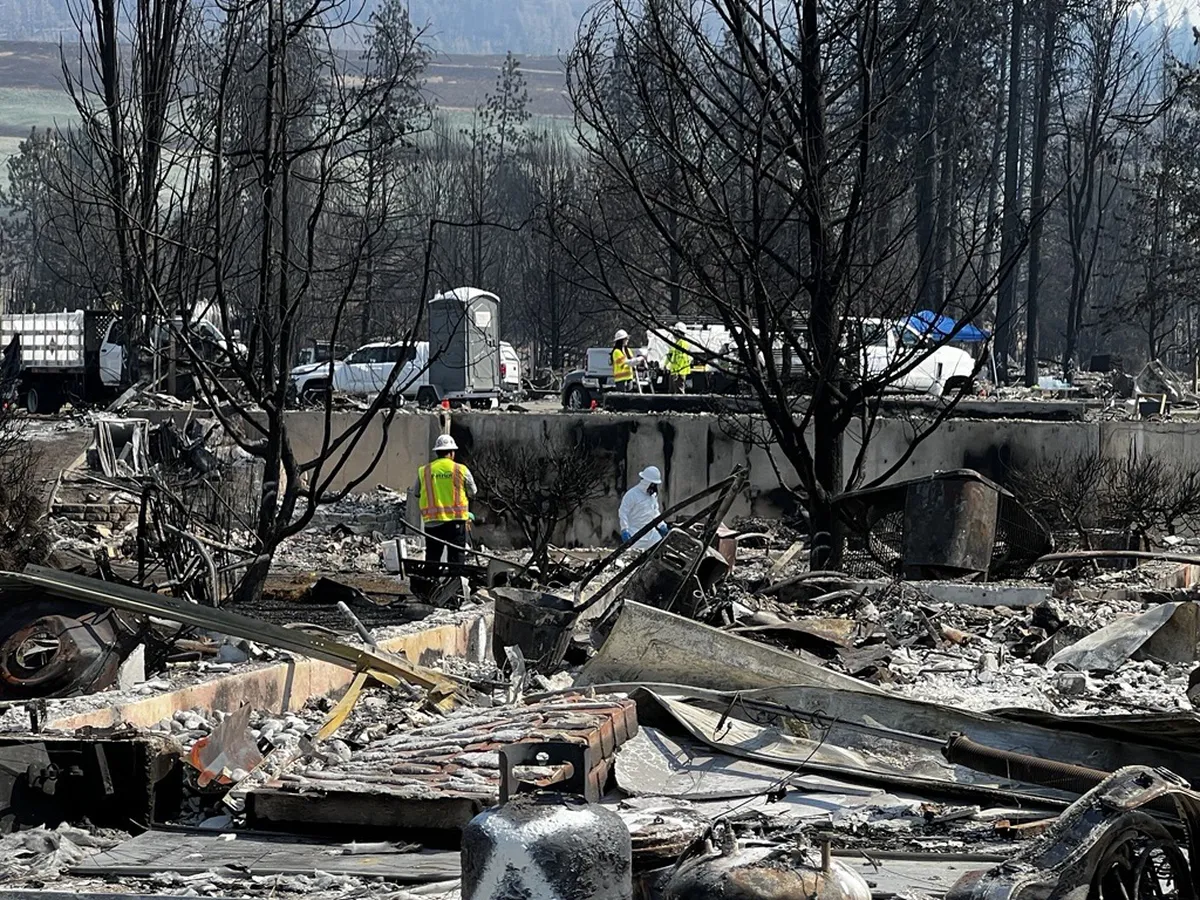
The recent wildfires in Washington state have resulted in over $600 million in insured losses, challenging the new Insurance Commissioner, Patty Kuderer, to navigate recovery and claims processes efficiently. As communities begin to rebuild, critical lessons emerge about preparedness and insurance practices.
Related articles
Popular in Home Insurance
- 2026 Sees Below-Average Severe Convective Storm Losses: What It Means for Insurance
- El Niño and Wildfires: Preparing for a Fire-Prone Future
- Young Affluent Collectors: The Underinsurance Dilemma in Luxury Investments
- Wisconsin Property Owner Sues City and Insurers Over Contamination Cleanup Costs
- Rising Catastrophe Risks: How Europe’s Insurers Are Adapting to Climate Change