Nicolas Cage's Malibu Sinkhole Highlights Homeowners' Coverage Gaps
A sinkhole at Nicolas Cage's Malibu home underscores a significant coverage gap in homeowners insurance. Many homeowners are unaware of the exclusions related to earth movement, which can leave them vulnerable to expensive damages after natural disasters.
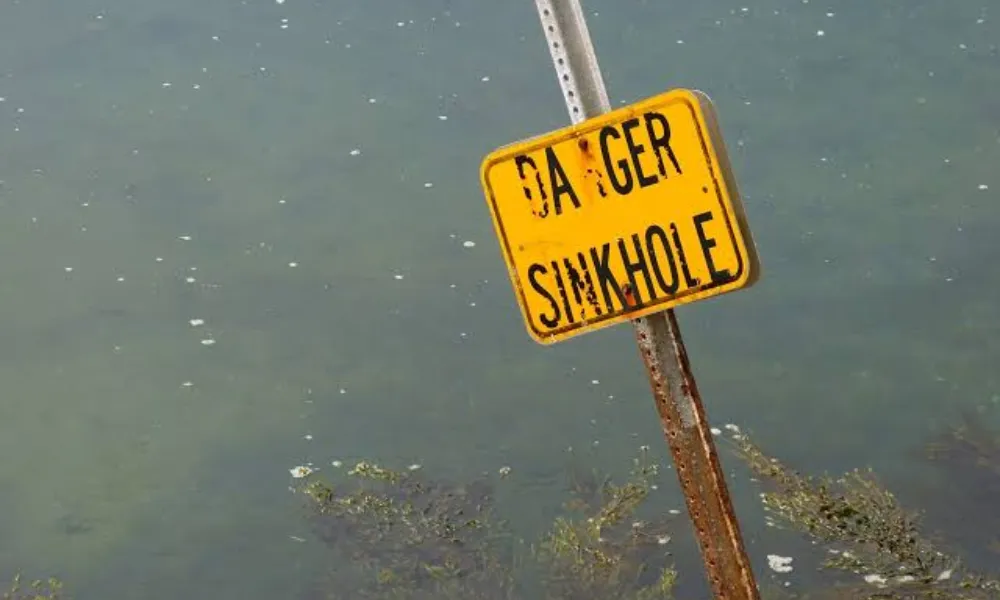
The recent sinkhole incident at Nicolas Cage's Malibu residence has brought to light a little-known but crucial aspect of homeowners insurance that could leave many homeowners exposed to significant financial risk. As the driveway of the star's coastal property collapsed following heavy rains from Tropical Storm Marie, residents and property owners alike are now facing the harsh reality of inadequate coverage for earth movement—an exclusion present in nearly every standard homeowners insurance policy in California.
Onlookers witnessed a dramatic transformation as an eight-foot sinkhole formed on Monday, only to rapidly expand into a gaping 30-foot crater by the following day. This sudden collapse not only swallowed much of Cage's driveway but also triggered a gas leak, prompting emergency services to respond swiftly to secure the area. Fortunately, no injuries were reported, but the incident has raised critical questions about the insurance implications of such natural disasters.
Understanding the Earth Movement Exclusion
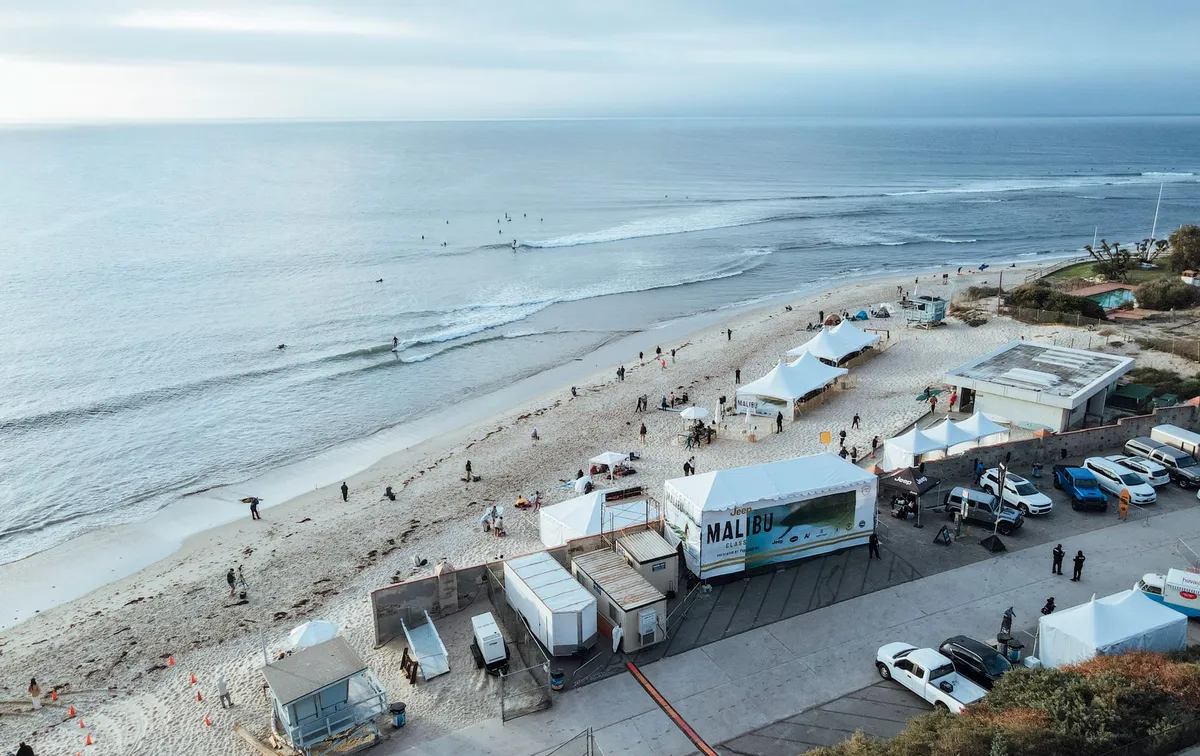
In California, the concept of 'earth movement' encompasses various types of ground instability, including sinkholes, landslides, and subsidence. It is essential for homeowners to know that most standard homeowners policies explicitly exclude coverage for these events. The California Department of Insurance (CDI) lists earth movement among standard exclusions, meaning that unless homeowners have purchased additional coverage specifically for earth movement or landslides, they may find themselves without financial protection when disaster strikes.
This lack of mandated sinkhole coverage in California stands in stark contrast to states like Florida and Tennessee, where it is often an optional but commonly added feature of homeowners insurance. For many California homeowners, the absence of this knowledge can lead to disastrous financial consequences, particularly in coastal areas where the risk of erosion and ground instability is heightened.

The Implications of the Efficient Proximate Cause Doctrine
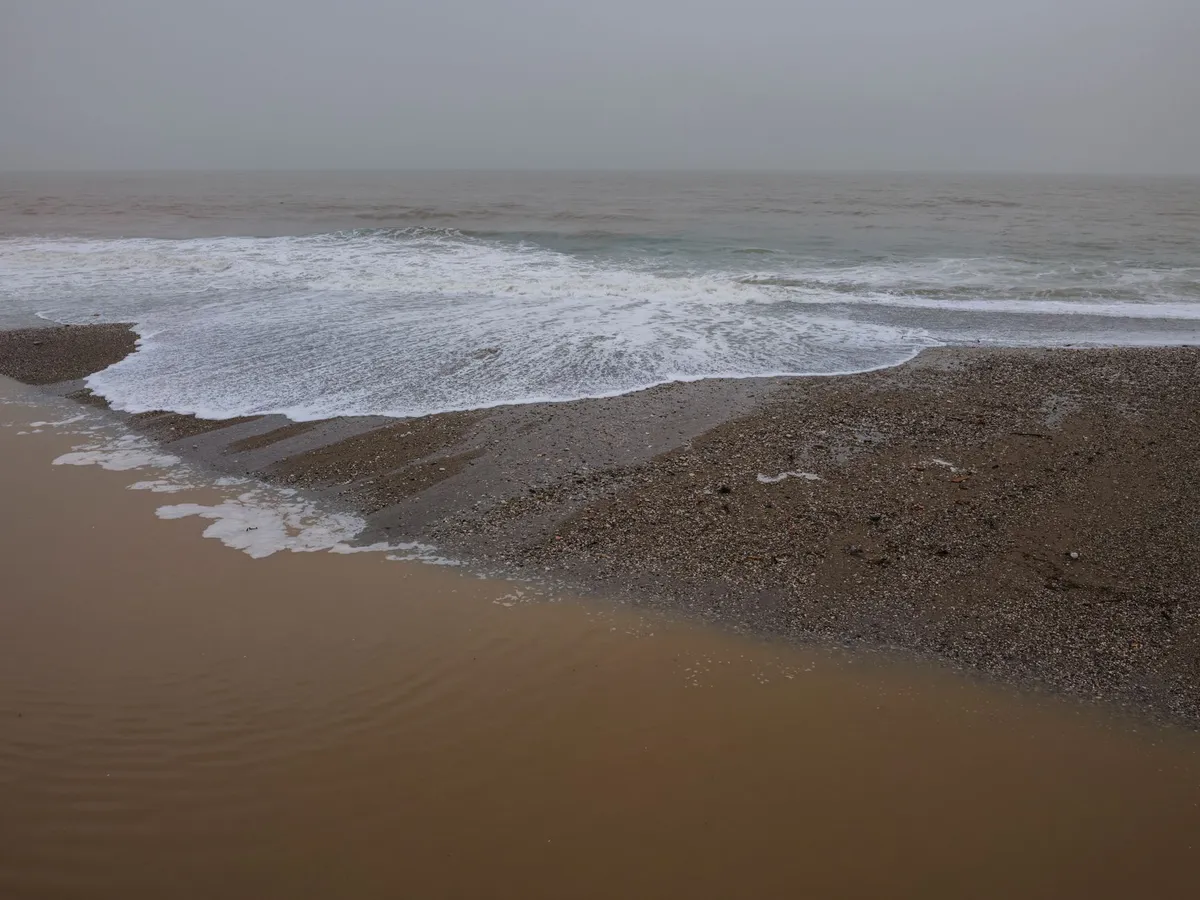
When evaluating insurance claims following an earth movement event, the principle of the 'efficient proximate cause' becomes critical. This doctrine helps determine whether a claim can be honored when multiple events contribute to the damages. In the case of Cage's property, the key question is whether the rainfall and coastal flooding from Tropical Storm Marie acted as the primary trigger that led to the sinkhole's formation or if the damage was primarily due to long-term coastal erosion.
If the storm is found to be the efficient proximate cause, there may be a viable argument for coverage, despite the earth movement exclusion. Conversely, if insurers can demonstrate that the sinkhole's formation was primarily a result of gradual, long-term erosion, the claim could be denied outright, leaving homeowners vulnerable to substantial repair costs.
Challenges for Homeowners and Insurance Adjusters
For homeowners, the aftermath of a sinkhole can be daunting, particularly when it comes to filing claims. Adjusters tasked with evaluating these claims must carefully establish a timeline of events to differentiate between the sudden collapse caused by the storm and the ongoing erosion that may have been occurring over years or even decades. This distinction is crucial, as it directly impacts the outcome of the claim.
- Document Everything: Homeowners should maintain detailed records of their property’s condition, including photographs and maintenance history.
- Understand Your Policy: Familiarize yourself with the specific exclusions in your homeowners insurance policy.
- Consider Additional Coverage: Explore the options for purchasing additional earth movement or landslide coverage to enhance your protection.
- Consult Professionals: Engage with experienced insurance brokers who can offer tailored advice specific to coastal properties.
Proactive Steps for Homeowners in Coastal Areas
Given the risks associated with living in coastal areas, especially prone to erosion and sinkholes, homeowners should take proactive steps to safeguard their properties and investments. This includes not only understanding their insurance coverage but also considering additional protections that may be available.
Homeowners should consult with their insurance brokers to ensure they have the appropriate endorsements, such as earth movement or landslide coverage. Many standard policies do not include these protections, which can leave homeowners exposed when natural disasters occur.
Furthermore, it is advisable to conduct regular assessments of the property and surrounding land, particularly after significant weather events. Identifying early signs of erosion or instability can be vital in preventing more severe damage and making a stronger case for insurance claims if necessary.
Key Takeaways
- Many homeowners are unaware of the earth movement exclusion in standard homeowners policies.
- California does not mandate insurers to offer sinkhole coverage, unlike other states.
- The efficient proximate cause doctrine can influence whether claims are honored.
- Homeowners should consider additional coverage options for better protection against natural disasters.
- Regular property assessments can help in identifying risks early.
Frequently Asked Questions
What should I do if my home is at risk of a sinkhole?
If you live in an area prone to sinkholes or erosion, it is crucial to take several proactive measures. First, consult with a structural engineer to assess the stability of your property. Regular inspections can help identify early signs of instability. Additionally, review your homeowners insurance policy and consider adding earth movement or landslide coverage to protect against potential losses.
How can I determine if my homeowners insurance covers sinkholes?
To find out if your homeowners insurance covers sinkholes, carefully review your policy documents, focusing on the exclusions section. Most standard homeowners policies in California specifically exclude earth movement, including sinkholes. If you are unsure, contact your insurance agent for clarification or to discuss the possibility of adding coverage for sinkholes and other earth movements.
What should I do if my insurance claim is denied?
If your insurance claim for damage related to a sinkhole or earth movement is denied, you have options. First, request a detailed explanation of the denial from your insurer. You may also consider appealing the decision or seeking assistance from a public adjuster who can help negotiate with the insurance company on your behalf. Additionally, reviewing your policy for any potential coverage arguments can strengthen your case.
Are there any preventative measures I can take to avoid sinkhole damage?
While it is impossible to prevent natural events, homeowners can take steps to minimize the risk of sinkhole damage. Regular maintenance of drainage systems, grading the landscape away from the foundation, and ensuring that any nearby water sources are well-managed can help reduce the risk of erosion. Furthermore, keeping an eye on any cracks or shifts in the foundation can signal early warning signs of potential issues.
Comments
Unpacking the $2.6 Billion NFIP Subsidy: Who Really Benefits?
A new report reveals that the majority of the National Flood Insurance Program's (NFIP) $2.6 billion annual subsidy goes to affluent property owners rather than low-income households. This shift in understanding provokes critical discussions on flood insurance reform and its implications for policyholders across the U.S.
Related articles


Popular in Home Insurance
- 2026 Sees Below-Average Severe Convective Storm Losses: What It Means for Insurance
- El Niño and Wildfires: Preparing for a Fire-Prone Future
- Young Affluent Collectors: The Underinsurance Dilemma in Luxury Investments
- Wisconsin Property Owner Sues City and Insurers Over Contamination Cleanup Costs
- Rising Catastrophe Risks: How Europe’s Insurers Are Adapting to Climate Change