Unpacking the $2.6 Billion NFIP Subsidy: Who Really Benefits?
A new report reveals that the majority of the National Flood Insurance Program's (NFIP) $2.6 billion annual subsidy goes to affluent property owners rather than low-income households. This shift in understanding provokes critical discussions on flood insurance reform and its implications for policyholders across the U.S.
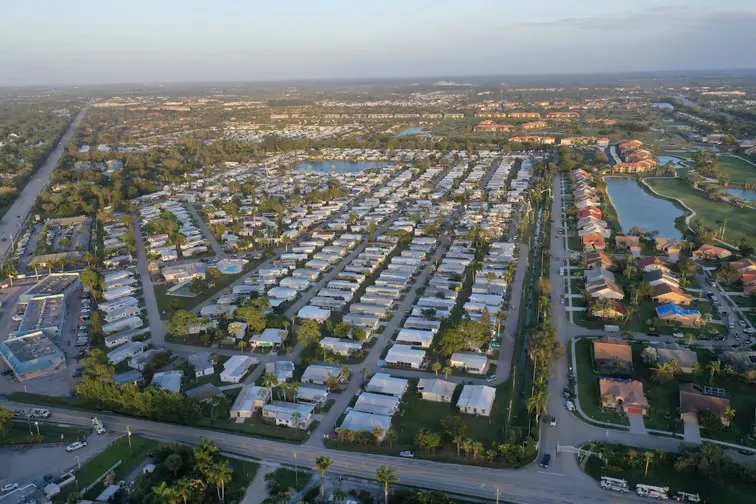
The National Flood Insurance Program (NFIP), administered by the Federal Emergency Management Agency (FEMA), has long been a focal point in discussions about flood risk and insurance affordability in the United States. With a substantial annual subsidy of $2.6 billion, understanding the beneficiaries of this program is crucial, especially as climate change intensifies flooding risks. A recent report from the Neptune Flood Research Group sheds light on how this subsidy is allocated, revealing that it heavily favors affluent property owners rather than the low-income households that many might assume are its primary recipients.
This revelation is significant, as it reframes ongoing political debates about the future of the NFIP and its glidepath—a gradual adjustment plan designed to transition existing policyholders toward full-risk premiums. As the NFIP faces mounting pressure from its $22.5 billion debt to the U.S. Treasury and declining enrollment numbers, understanding who benefits from these subsidies can influence policy changes and reform efforts in the coming years.
Understanding the NFIP and Its Glidepath
In October 2021, FEMA introduced the Risk Rating 2.0 system, which shifted the NFIP from a flood-zone-based pricing model to one that assesses property-specific risks. This reform was intended to make premiums more reflective of the actual flood risk faced by properties. Under the new system, new policies are repriced immediately, while existing policyholders are gradually transitioned to full-risk rates under an 18% annual cap, creating a glidepath for those still enjoying subsidies.
Current State of NFIP Policies
As of the latest report, more than half of NFIP policies are now paying full-risk premiums, a significant increase from just one-third in December 2022. However, the remaining 1.5 million policies, which still enjoy subsidies, represent 42% of the program and collectively benefit from an annual subsidy of approximately $2.6 billion. This disparity raises important questions about the equity of the program's subsidy distribution.

Who Receives the Largest Subsidies?
The Neptune report unequivocally shows that the majority of subsidy dollars do not flow to low-income households but rather to higher-value properties, including second homes and rental units. Here are some key data points:
- Non-primary properties: These account for 42% of the subsidy dollars despite only being 28% of the policies.
- High-value properties: Homes worth over $1 million make up just 4% of all policies but account for 17% of the total subsidy.
- Low-income households: The lowest income quintile receives only 15.8% of the total subsidy, translating to about $419 million annually.
The most heavily subsidized segment of the NFIP comprises non-primary single-family homes valued at $1 million or more. A staggering 68% of these properties are paying below their full-risk costs, leading to a situation where affluent homeowners are effectively subsidized at the expense of more vulnerable populations.
Geographic Disparities in Subsidy Distribution
Geographic location plays a crucial role in the distribution of NFIP subsidies. Florida, in particular, stands out as a major beneficiary, receiving approximately $1.25 billion of the total subsidy—nearly 48% of the national total. This concentration raises concerns regarding the long-term sustainability of the program in areas most affected by climate change.
County-Level Insights
Within Florida, certain counties are receiving a disproportionate share of the subsidies. For instance:
- Lee and Collier counties, both impacted severely by Hurricane Ian in 2022, together account for $422 million, or 16% of the national total.
- In Collier County alone, 76.8% of policies are subsidized, with a mean subsidy gap of $4,457, significantly higher than the national average.
These numbers illustrate how the NFIP is not just a nationwide program but one with highly localized effects, often favoring wealthier regions and property owners at the expense of those in lower-income areas.

The Future of NFIP Subsidies and Market Implications
The Neptune report projects that, under current laws, the NFIP subsidy will be halved within the next 2.6 to 3.8 years, potentially dropping below $500 million by 2032-2034. As this transition occurs, Florida's share of the remaining subsidies is expected to grow, potentially reaching 60% by mid-2034.
Impact on Policyholders
As the NFIP moves towards a more equitable pricing structure, policyholders currently benefiting from subsidies may face significant premium increases. For example, a Florida single-family home in an AE flood zone currently paying $856 per year could see its cost rise to an estimated $10,200 under full-risk pricing. Similarly, a condo association in the same area currently paying $5,999 could face a staggering $71,556 in annual premiums.
This dramatic shift raises critical questions for agents and brokers working in high-exposure markets. As subsidized policies lapse at an annual rate of 7.4%, compared to 13.1% for the overall book, the risk is that many property owners may find themselves without insurance altogether if they cannot afford the new rates.

Recommendations for Future Policy Reforms
Given the findings of the Neptune report, there is an urgent need for targeted reforms that address the inequities in the NFIP subsidy distribution. The report suggests pairing the glidepath phase-out with means-tested assistance for low-income primary residences, pricing this initiative at approximately $214 million per year—about 8% of the current subsidy total. This could provide a safety net for vulnerable populations while gradually transitioning the program towards sustainability.
Key Takeaways
- The NFIP's $2.6 billion annual subsidy primarily benefits high-value properties, not low-income homeowners.
- Florida receives nearly 48% of the NFIP subsidy, with specific counties heavily impacted by climate change.
- Projected reforms to the NFIP could halve the subsidy within the next few years, leading to significant premium increases for many policyholders.
- Calls for targeted assistance for low-income primary residences are growing in light of these findings.
Frequently Asked Questions
What is the National Flood Insurance Program (NFIP)?
The National Flood Insurance Program (NFIP) is a federal program that provides flood insurance to property owners, renters, and businesses in participating communities across the United States. It was established to reduce the financial burden of flood damage and promote responsible floodplain management. The program is particularly important in high-risk flood areas where private insurance options may be limited.
How does the NFIP subsidy work?
The NFIP subsidy is designed to help keep flood insurance affordable for policyholders at high risk of flooding. However, recent reports indicate that a significant portion of this subsidy is directed toward higher-value properties and non-primary residences, rather than low-income households. These subsidies help lower premiums for certain properties, but this has raised concerns about equity and sustainability within the program.
Why is Florida receiving such a large share of the NFIP subsidy?
Florida's geographic location and vulnerability to hurricanes and flooding make it a focal point for the NFIP subsidy distribution. The state has a high concentration of properties that qualify for subsidized flood insurance, particularly along its coastal areas, which are at greater risk due to climate change. As a result, Florida is projected to continue receiving a significant share of the NFIP subsidy in the coming years.
What are the implications of the NFIP reform for policyholders?
The recent reforms to the NFIP, particularly the Risk Rating 2.0 system, mean that many policyholders will see their premiums adjusted to reflect the true risk of flooding. This transition may lead to significant increases in premiums for some property owners, especially those in high-risk areas. The potential for higher costs has prompted discussions about the need for additional support and targeted assistance for low-income households to ensure they remain covered.
Comments
Insurance Affordability Takes Center Stage Ahead of 2026 Elections
As the 2026 midterm elections approach, insurance affordability is becoming a critical issue for homeowners. With rising premiums and coverage limitations, agents must navigate a complex landscape while addressing clients' needs.

Related articles


Popular in Home Insurance
- 2026 Sees Below-Average Severe Convective Storm Losses: What It Means for Insurance
- El Niño and Wildfires: Preparing for a Fire-Prone Future
- Young Affluent Collectors: The Underinsurance Dilemma in Luxury Investments
- Wisconsin Property Owner Sues City and Insurers Over Contamination Cleanup Costs
- Rising Catastrophe Risks: How Europe’s Insurers Are Adapting to Climate Change