Chubb's $25K Payout Highlights Coverage Gaps in Luxury Policies
A recent court ruling underscores the importance of adequate insurance coverage, especially for high-value properties. Chubb paid $25,000 for contents lost in a fire at a luxury mansion, despite a much higher claim.

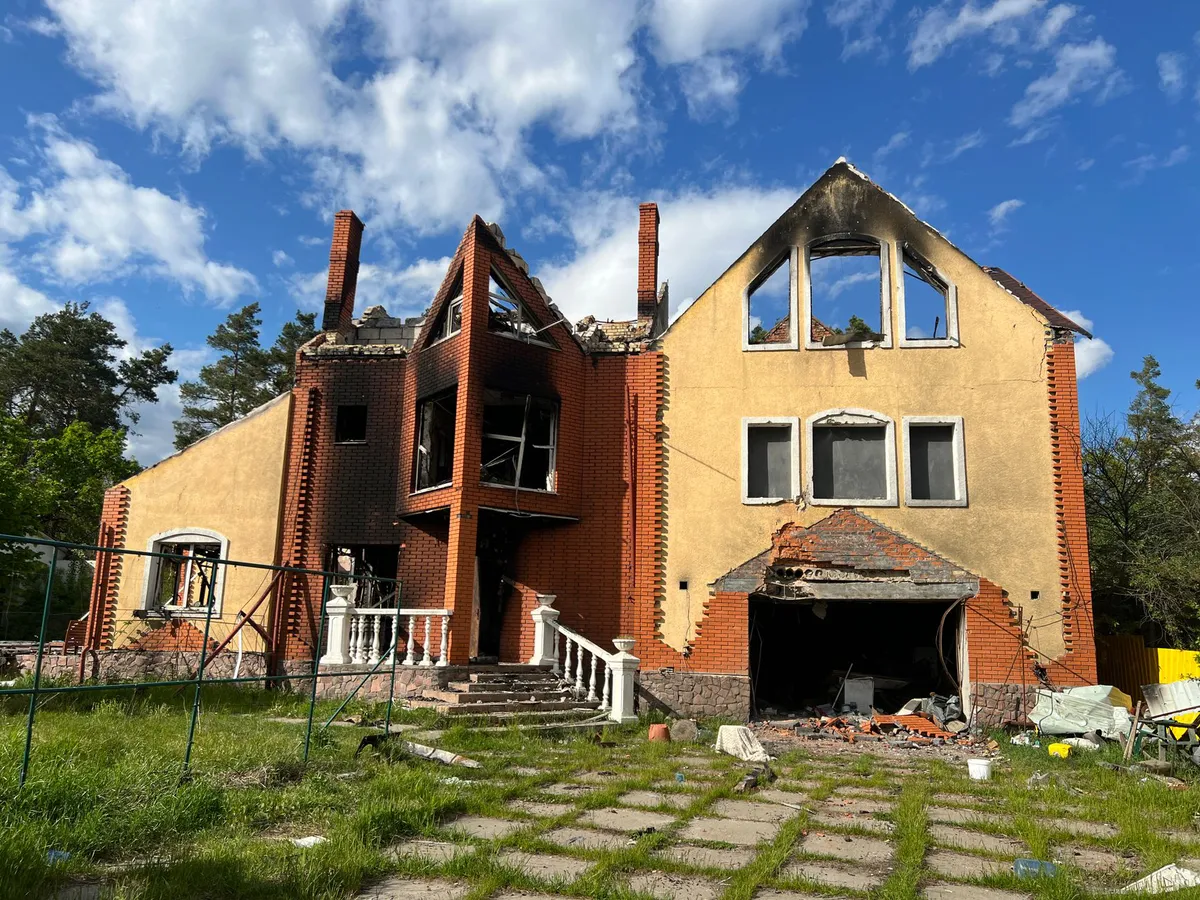
The devastating consequences of inadequate insurance coverage were brought to light in a recent federal court ruling involving a luxury mansion in Illinois. In a case that underscores the complexities of insuring high-value properties, Chubb National Insurance Company faced scrutiny for its handling of a claim related to a catastrophic fire that destroyed both the mansion and its contents. While the insurer paid out the full limit of $8.75 million for the structure, it controversially compensated only $25,000 for the contents, leading to a legal battle that captured the attention of the insurance industry.
This incident serves as a crucial reminder for homeowners, particularly those with high-value properties, about the importance of understanding insurance policy limits, exclusions, and the need for appropriate coverage adjustments as property usage changes over time.
A Tragic Event: The Fire That Changed Everything
In October 2019, a lightning strike ignited a fire that devastated the 24,000-square-foot mansion in southern Illinois. The property, once a family retreat, had evolved into a commercial venture, hosting events, lodging, and training sessions for guests. The fire left nothing but ashes behind, prompting the homeowner to submit a claim for the contents, valued at approximately $3.5 million. However, Chubb's response was to pay only a fraction of that amount, a decision that would spark legal scrutiny.
The Policy: Homeowner vs. Commercial Coverage
The crux of the issue lay in the type of insurance policy the homeowner had chosen. The estate was insured under a “Masterpiece” homeowner's policy, which provided coverage for personal property, but had specific exclusions that became pivotal in the claims process. This policy excluded coverage for “business property,” which encompassed furnishings and equipment used for commercial purposes.
The Shift from Residential to Commercial
Years prior to the fire, the mansion's usage had shifted dramatically. Originally purchased for family enjoyment, it was transformed into a luxury country inn and resort. By 2018, the estate was generating significant income, boasting $1 million in lodging revenue over two years and hosting up to sixteen weddings annually. Despite these changes, the homeowner did not transition to a commercial insurance policy, a decision that would cost him dearly when the fire struck.
The Court's Ruling: A Lesson in Coverage Awareness
On July 13, 2026, the US Court of Appeals for the Seventh Circuit upheld Chubb's interpretation of the policy, agreeing that the contents were primarily used for business purposes and thus fell under the exclusion clause. The judge noted that since guests had access to most of the furnishings and art pieces in the mansion, they were categorized as business property. This ruling highlights a critical takeaway: insurance policies often come with specific exclusions that can dramatically affect coverage limits.

Insurer's Warning Ignored
The timeline of events preceding the fire is particularly telling. In June 2017, a Chubb underwriter had identified the shift in the mansion's purpose and warned the homeowner's broker about a potential “large gap in coverage.” Despite these warnings, the homeowner chose to renew the homeowner's policy in 2018 and 2019 without making the necessary adjustments to reflect the property's commercial use. This oversight proved costly, emphasizing the importance of proactive engagement with insurance providers to ensure adequate coverage.
Claims Process and the Role of Underwriters
The claims process following such incidents is often complex, particularly when navigating the nuances of policy language and coverage implications. Insurers, like Chubb, rely on underwriters to assess risk and guide policyholders in selecting appropriate coverage. However, it is crucial for homeowners to take an active role in this process, seeking clarification on policy details and updating coverage as their circumstances change.
- Know your policy: Understand the exclusions and limitations of your insurance policy.
- Engage your insurer: Regularly review your coverage with your insurance provider to ensure it aligns with your property's use.
- Consider commercial coverage: If your property serves a business purpose, it's essential to transition to a commercial policy.
- Document everything: Keep thorough records of all property contents and their values to support claims in the event of a loss.

Key Takeaways
- Chubb's $25,000 payout for contents illustrates critical gaps in homeowner coverage for high-value properties.
- Understanding the specific exclusions in insurance policies is essential for homeowners, particularly those with commercial uses.
- Regularly review and update insurance coverage in response to changes in property use to avoid costly gaps.
- Proactive engagement with insurers can prevent disputes and ensure adequate protection against losses.
Frequently Asked Questions
What should homeowners do to ensure adequate coverage?
Homeowners should regularly review their insurance policies, particularly when there are changes in property use. It's advisable to consult with an insurance agent to discuss the implications of these changes and explore options for upgrading to a commercial policy if necessary. Keeping detailed records of property contents and their values can also aid in claims processes.
What are the risks of maintaining a homeowner's policy for a commercial property?
Maintaining a homeowner's policy for a property that is primarily used for commercial purposes can lead to significant coverage gaps. Such policies often contain exclusions for business property, which can result in lower payouts or denied claims in the event of a loss. Homeowners should ensure that their insurance reflects the primary use of the property to avoid these risks.
How can policyholders dispute a claim decision made by their insurer?
If a policyholder believes that a claim decision is unjust, they can start by reviewing their policy's terms and seeking clarification from the insurer. If disputes persist, they may consider filing a complaint with the state's insurance department or seeking legal advice to understand their options for appealing the decision.
Comments
Farmers Insurance Launches Initiative to Simplify Coverage Understanding
Farmers Insurance is on a mission to demystify the insurance experience for consumers. With new tools and resources, the company aims to make insurance coverage clearer and more accessible, empowering customers to make informed choices.

Related articles


Popular in Home Insurance
- 2026 Sees Below-Average Severe Convective Storm Losses: What It Means for Insurance
- El Niño and Wildfires: Preparing for a Fire-Prone Future
- Young Affluent Collectors: The Underinsurance Dilemma in Luxury Investments
- Wisconsin Property Owner Sues City and Insurers Over Contamination Cleanup Costs
- Rising Catastrophe Risks: How Europe’s Insurers Are Adapting to Climate Change