Understanding Wildfire Insurance: Coverage Gaps Exposed by Recent Fires
Recent wildfires in the Western US have highlighted critical coverage gaps in property insurance as insurers struggle with rising risks. This article explores the causes of these wildfires, their implications for insurance, and the evolving landscape of wildfire risk assessment.
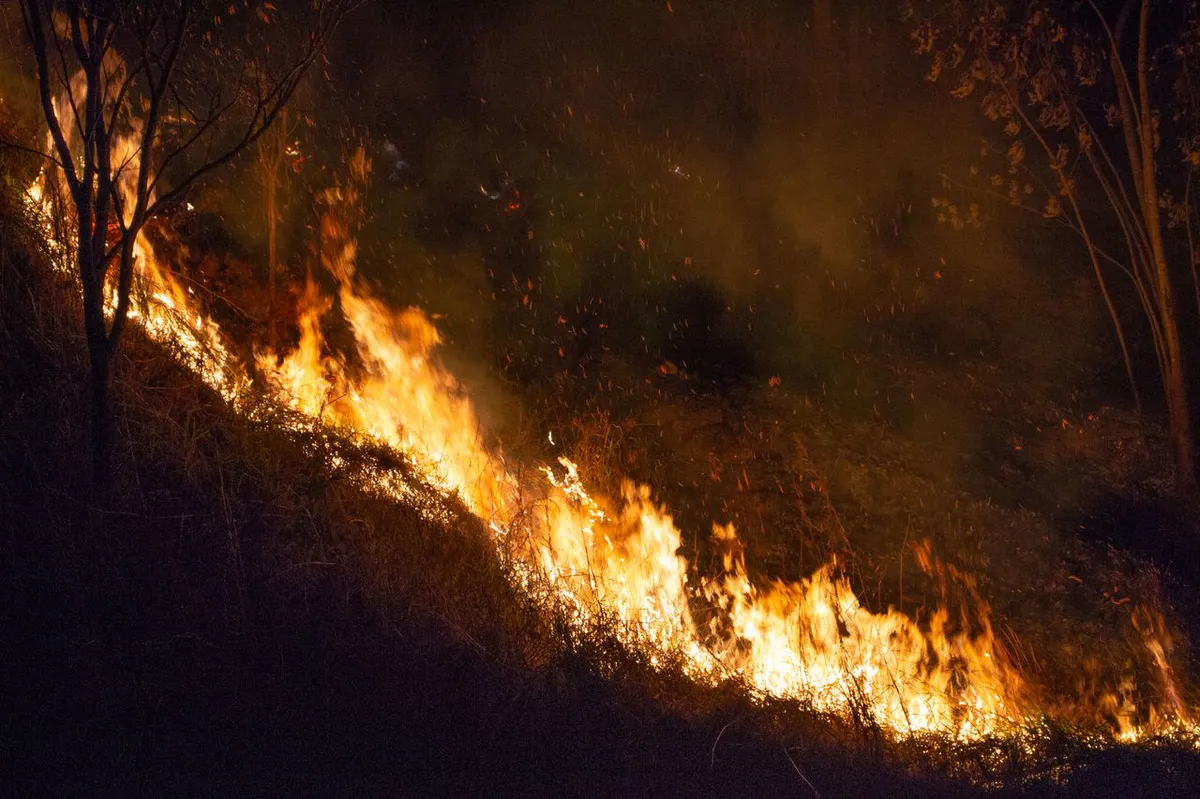
In late June 2026, a series of devastating wildfires swept through the Western United States, particularly affecting Utah, Colorado, and Nevada. Fueled by a catastrophic combination of record-low snowpack, parched vegetation, and fierce winds, these fires overwhelmed firefighting efforts and raised urgent questions about the state of property insurance in wildfire-prone areas. As insurers grapple with rising risks and changing climate conditions, homeowners and businesses alike need to understand how these developments may impact their coverage options and potential claims.
The recent wildfire outbreak serves as a stark reminder of the growing threats posed by climate change and the limitations of existing insurance models. Insurers are beginning to recognize that traditional risk assessment and pricing strategies may no longer be sufficient in the face of increasingly severe weather patterns. As the industry struggles to adapt, property owners must become more proactive in understanding their coverage, especially as moratoriums on new policies become more common in high-risk zones.
The Perfect Storm: Conditions Leading to the Wildfires
To comprehend the scale and intensity of the recent wildfires, one must first examine the environmental conditions that contributed to their outbreak. According to a report from Delos Insurance Solutions, three primary factors converged:
- Failed Snowpack: Utah's snowpack was recorded at only 50% of the median for the years 1991 to 2020 by the end of March. This lack of moisture left vegetation extremely dry, creating ideal conditions for wildfires.
- High Energy Release Component (ERC) Values: The ERC is a daily index that measures fuel dryness. By late June, ERC values across the Great Basin soared to between the 97th and 99.5th percentiles. Such high levels mean that fuels ignite more easily and burn more intensely.
- Sustained Red Flag Warnings: Wind speeds reaching 50 mph and relative humidity levels dropping to as low as 3% created an environment ripe for fire spread. These conditions persisted for up to a week, further exacerbating the situation.
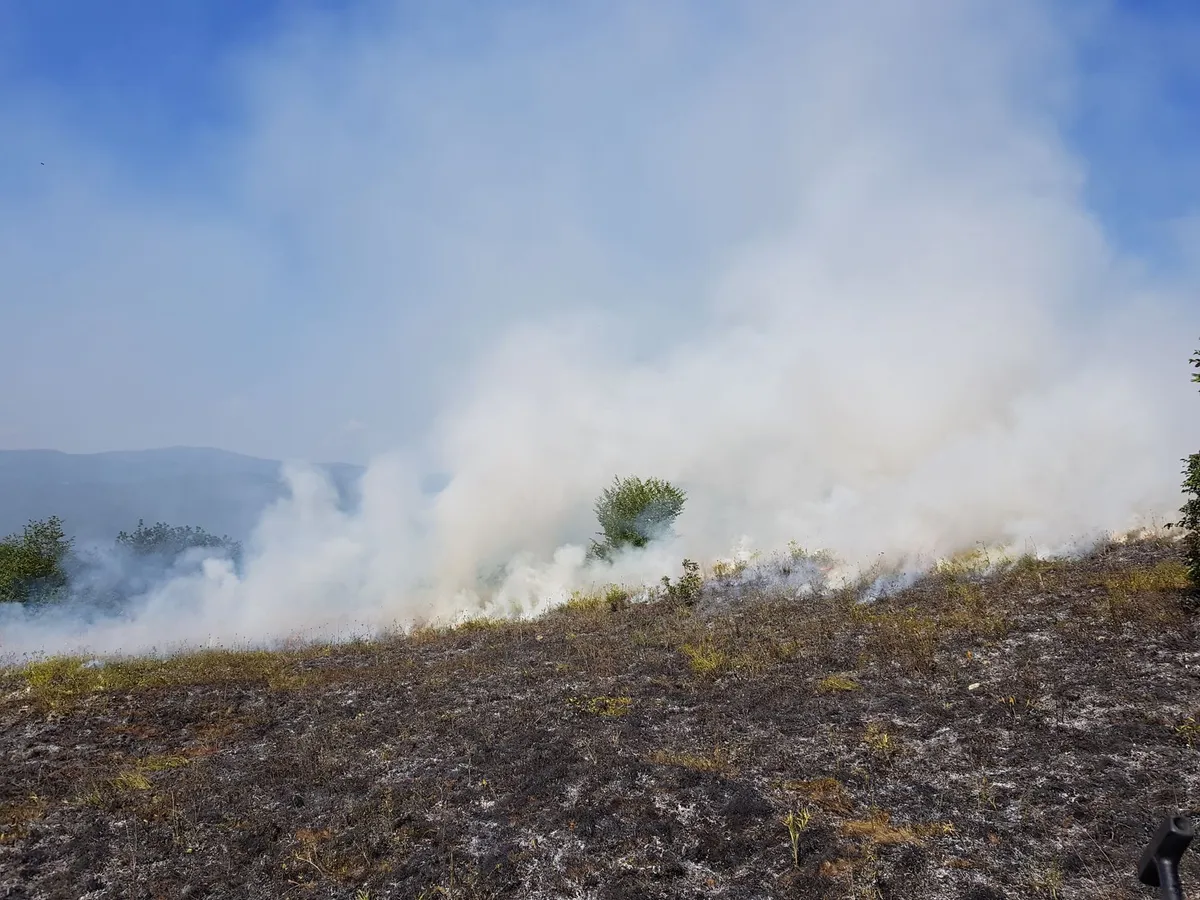
These compounding factors resulted in rapid fire spread, aggressive torching, and unexpected ember spotting, making containment efforts exceedingly difficult. The Aspen Acres Fire in Colorado, for instance, expanded to over 86,000 acres, marking it as one of the largest wildfires in Colorado's history.
Insurance Market Response: Moratoriums and Deductibles
The insurance industry's response to these unfolding events has been swift and significant. As fires raged, many carriers implemented moratoriums on new coverage in affected areas, creating immediate challenges for brokers and property owners seeking commercial property insurance. These moratoriums reflect a growing recognition of the unprecedented nature of wildfire risks and the need for insurers to reassess their exposure.
Moreover, the trend of percentage-based wildfire deductibles is gaining traction among larger habitational risks. These deductibles differ from traditional flat-rate deductibles, as they require policyholders to pay a percentage of the insured value of their property as a deductible in the event of a wildfire claim. For example, a homeowner with a $500,000 policy might face a deductible of 5%, meaning they would need to cover the first $25,000 of damages out-of-pocket before the insurance kicks in. This shift places added financial responsibility on property owners in high-risk areas, further complicating the insurance landscape.
Emerging Technologies in Wildfire Risk Assessment
The integration of advanced technology into wildfire risk assessment is becoming increasingly critical. Over 20 states have now begun to incorporate AI-driven wildfire models in their rate filings, reflecting a shift in how insurers evaluate risk. These models enable insurers to analyze property-level risks more accurately, which can lead to more informed pricing decisions and improved coverage availability in fire-prone regions.
Scott Ritter, a wildfire scientist at Delos, highlights the practical implications of these technological advancements: "The skill of the model significantly improves insurance accessibility in many regions." By identifying lower-risk zones, these models can facilitate better underwriting practices and potentially lower premiums for property owners in those areas.
Tragic Consequences: The Human Cost of Wildfires
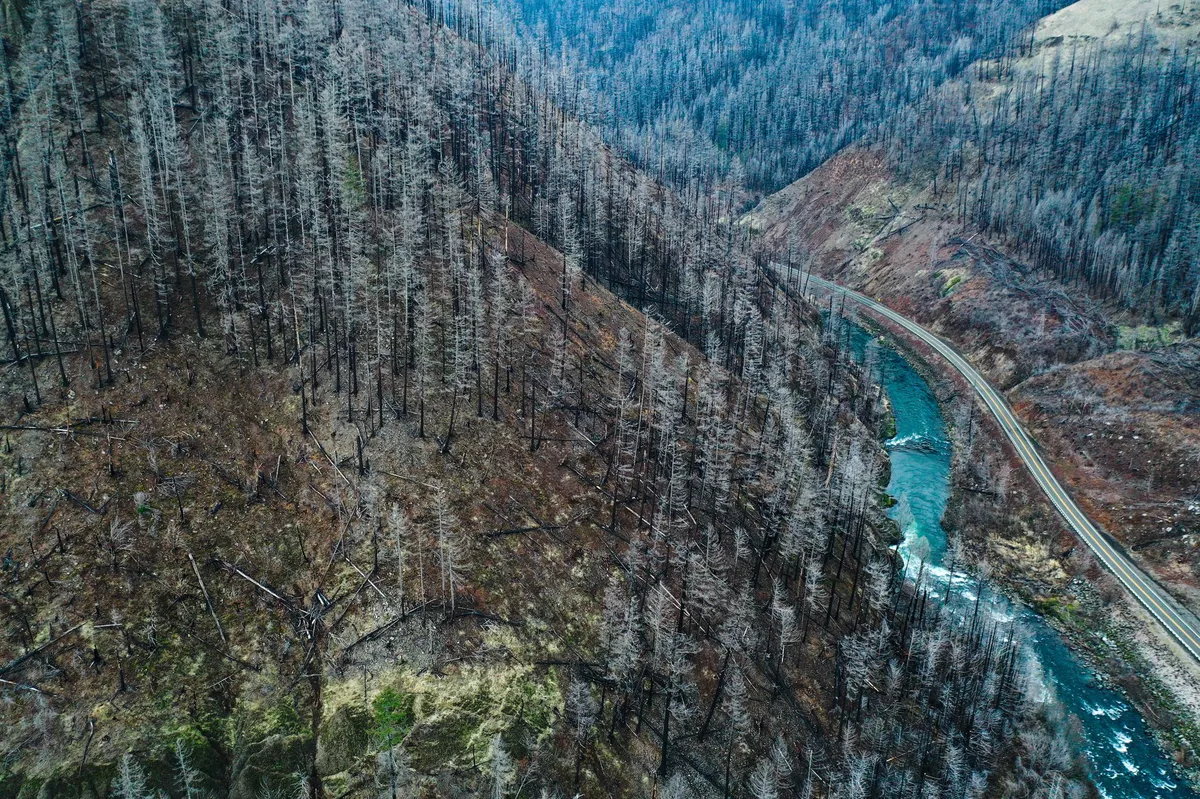
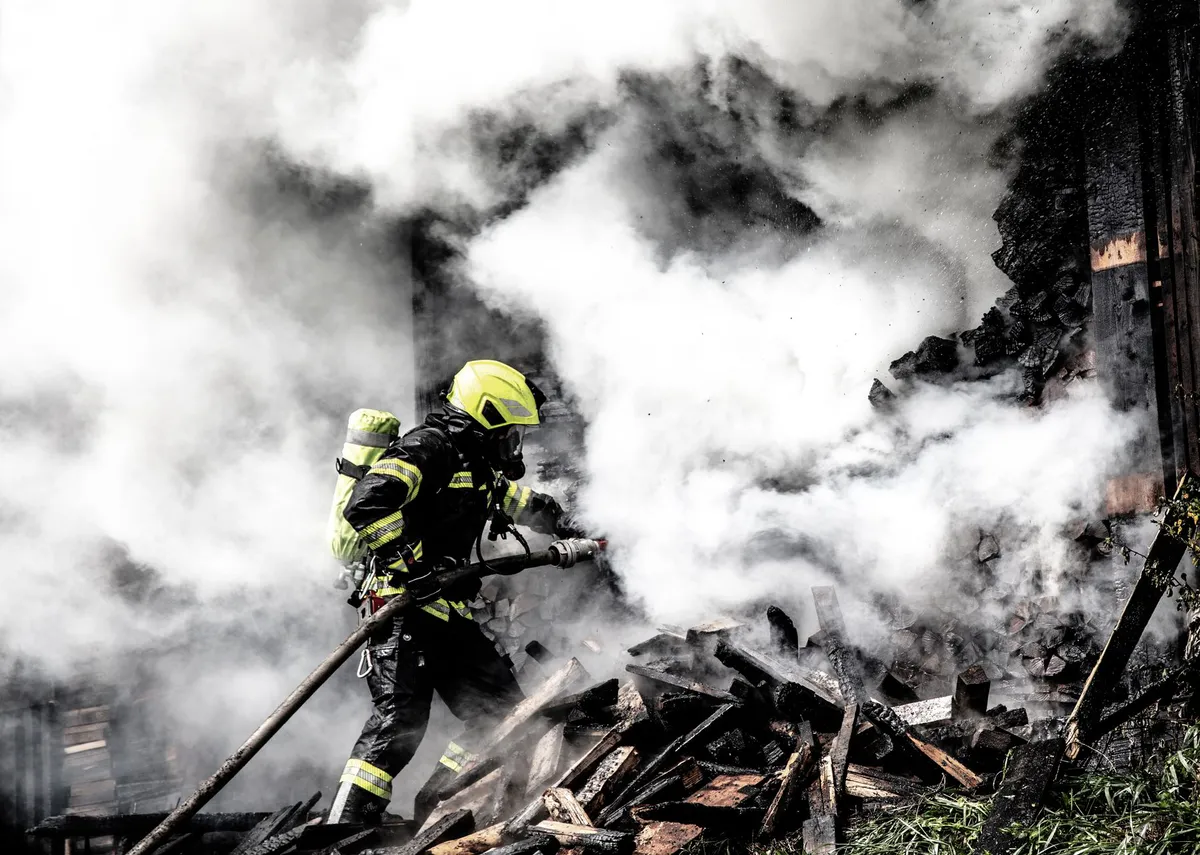
The human cost of these wildfires has been staggering, with the fatalities of three federal wildland firefighters during the Knowles Fire serving as a tragic reminder of the dangers faced by those combating these blazes. As conditions remain perilous across the Western U.S., the ongoing threat of wildfires continues to loom large, and the implications for insurance cannot be overstated.
As dry vegetation and low moisture levels persist into the summer months, the risk remains elevated, further complicating the landscape for property owners. Insurers and regulators are working to adjust to this evolving risk, but the consequences for policyholders can be severe if they are not adequately prepared.
What Homeowners Can Do: Proactive Measures
Given the increasing frequency and severity of wildfires, homeowners and business owners in affected areas must take proactive steps to safeguard their properties and ensure they have appropriate insurance coverage. Here are some measures to consider:
- Review Your Policy: Understand the specifics of your coverage, including any wildfire deductibles and limitations on claims.
- Mitigate Risk: Take steps to reduce the fire risk around your property, such as clearing brush, maintaining defensible space, and using fire-resistant materials.
- Consult with Experts: Work with insurance agents and risk assessment professionals to evaluate your coverage needs in light of changing wildfire risks.
- Stay Informed: Keep abreast of local fire conditions, warnings, and regulations that may affect your coverage options or risk assessment.
Key Takeaways
- Recent wildfires in the Western US have exposed significant gaps in property insurance coverage.
- Insurers are increasingly implementing moratoriums and percentage-based deductibles in high-risk areas.
- AI-driven models are improving risk assessment and could enhance coverage availability.
- Proactive measures by homeowners can help mitigate risks and ensure adequate insurance protection.
Frequently Asked Questions
What are the main factors contributing to the increased risk of wildfires?
The increased risk of wildfires is primarily due to climate change, which leads to prolonged droughts, higher temperatures, and erratic weather patterns. These conditions result in lower snowpack levels, drier vegetation, and increased frequency of extreme weather events, all of which create an environment conducive to wildfires.
How can homeowners assess their wildfire risk?
Homeowners can assess their wildfire risk by consulting local fire departments, utilizing online risk assessment tools, and reviewing historical data on wildfires in their area. Additionally, engaging with insurance agents who understand the nuances of wildfire risk can provide property owners with tailored insights into their specific vulnerabilities.
What should I look for in a wildfire insurance policy?
When evaluating a wildfire insurance policy, it is crucial to understand the specifics of coverage limits, deductibles, and any exclusions related to wildfires. Look for policies that offer comprehensive coverage for fire damage, including structures, personal property, and additional living expenses in case of evacuation. Also, inquire about the use of AI-driven risk models in underwriting, as this can help ensure your policy reflects the most accurate risk assessment.
How can I mitigate my property's risk of wildfire damage?
To mitigate wildfire risk, homeowners can take several steps: create defensible space around their property by clearing flammable vegetation, using fire-resistant landscaping, and maintaining a safe distance between trees and structures. Additionally, regular maintenance of roofs, gutters, and exterior materials can further reduce vulnerability to wildfires. Investing in fire-resistant building materials during renovations can also enhance a property's resilience against fire damage.
Comments
Farmers Insurance Launches Initiative to Simplify Coverage Understanding
Farmers Insurance is on a mission to demystify the insurance experience for consumers. With new tools and resources, the company aims to make insurance coverage clearer and more accessible, empowering customers to make informed choices.

Related articles

Popular in Home Insurance
- 2026 Sees Below-Average Severe Convective Storm Losses: What It Means for Insurance
- El Niño and Wildfires: Preparing for a Fire-Prone Future
- Young Affluent Collectors: The Underinsurance Dilemma in Luxury Investments
- Wisconsin Property Owner Sues City and Insurers Over Contamination Cleanup Costs
- Rising Catastrophe Risks: How Europe’s Insurers Are Adapting to Climate Change