California Faces Power Shutoffs Amid Rising Wildfire Risks
California's PG&E announces necessary power shutoffs due to heightened wildfire risks. This proactive measure is part of a broader trend among utilities in the region to mitigate fire-related dangers.
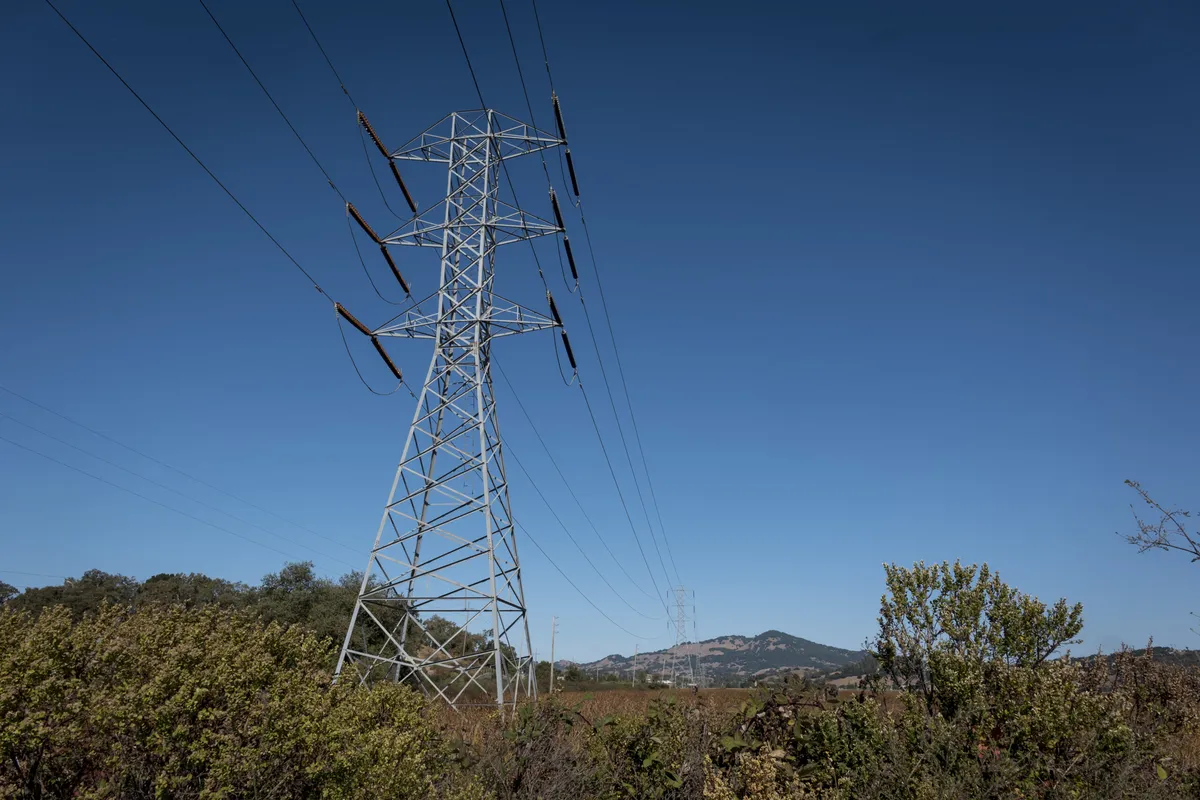
In an alarming response to escalating wildfire risks, Pacific Gas and Electric Company (PG&E) has announced mandatory power shutoffs across three California counties. This decision, made on July 15, 2026, is driven by a combination of dry conditions and gusty winds, which are known to exacerbate fire hazards. PG&E aims to prevent potential disasters by temporarily cutting electricity to homes and businesses in Monterey, San Benito, and San Luis Obispo counties. With similar shutoffs anticipated in seven additional counties, including Santa Barbara and Marin, the implications of these actions extend far beyond mere inconvenience for residents.
The announcement comes on the heels of a red flag warning issued by the National Weather Service, indicating critical fire weather conditions due to strong winds, low humidity, and rising temperatures. This proactive approach marks the second instance in less than a month that PG&E has resorted to these so-called public safety power shutoffs, highlighting the increasing frequency of such measures as climate change intensifies the risks associated with wildfires.
Understanding the Public Safety Power Shutoff (PSPS) Program
Public Safety Power Shutoffs (PSPS) are a crucial safety measure employed by utility companies, particularly in wildfire-prone areas. They are designed to reduce the risk of electrical equipment igniting wildfires during extreme weather conditions. The following points illustrate the rationale and process behind these shutoffs:
- Preventive Action: Shutoffs are implemented when weather conditions pose a significant risk, such as high winds (typically above 25 mph) and low humidity (below 20%).
- Duration: The outages can last from a few hours to several days, depending on the severity of the weather and the cleanup required afterward.
- Notification: PG&E and other utility companies are required to notify customers ahead of time where possible, although the timing and extent of the outages may change rapidly.
- Scope: A PSPS may affect thousands of customers, disrupting not only residential power but also essential services and local businesses.
- Legal and Financial Implications: Utility companies face significant liabilities from wildfire-related damages, motivating them to take preventive measures to avoid costly lawsuits and settlements.

The Broader Context of Wildfire Risks in California
California has witnessed an alarming increase in wildfires over the past few decades, a trend attributed to climate change, prolonged droughts, and forest mismanagement. The state’s wildfire seasons have lengthened significantly, leading to catastrophic fires that devastate communities and landscapes alike. The financial repercussions of these fires are staggering, with billions lost in property damage and firefighting costs. In fact, California utilities have reported a 20% increase in utility bills over the last few years, largely due to the expenses incurred from wildfire management and mitigation strategies.
Impact on Residents and Businesses
The implications of power shutoffs resonate deeply within local communities. For residents, these outages can disrupt daily life, leading to challenges such as:
- Loss of food and medication requiring refrigeration.
- Inability to work from home or access online schooling.
- Increased uncertainty and anxiety regarding safety and preparedness.
Businesses, particularly small ones, face significant operational risks during power shutoffs. Depending on the nature of their operations, they may experience:
- Loss of revenue due to interrupted services.
- Increased costs from generators or alternative energy sources.
- Potential loss of customers who seek services elsewhere during outages.

Insurance Considerations Amid Power Shutoffs
The rise of PSPS events and their associated challenges prompt many residents and business owners to reconsider their insurance coverage. Here are some crucial aspects to keep in mind:
Review Your Coverage
Homeowners and business insurance policies vary widely regarding coverage during power shutoffs. It's essential to evaluate whether your policy covers:
- Loss of perishable goods.
- Business interruption losses.
- Additional living expenses incurred due to evacuation or temporary relocation.
Potential for Increased Premiums
As utilities continue to implement safety measures and as wildfire risks increase, insurance companies may raise premiums to account for higher risk exposure. This underscores the importance of shopping around for competitive rates and understanding the nuances of your policy.
The Role of Government and Regulatory Agencies
California's regulatory landscape is evolving to address the challenges posed by climate change and wildfire risks. Government agencies are increasingly involved in setting standards for utility companies and improving community preparedness. Recent initiatives include:
- Wildfire Mitigation Plans: Utilities must submit annual plans outlining their strategies to reduce fire risks, including vegetation management and infrastructure upgrades.
- Public Education Campaigns: State agencies are working to educate residents about preparedness, evacuation routes, and resources available during emergencies.
- Financial Assistance Programs: Programs aimed at providing financial support for households affected by power shutoffs and wildfires are also in development.

Key Takeaways
- PG&E has announced mandatory power shutoffs to mitigate wildfire risks in California, affecting multiple counties.
- Public Safety Power Shutoffs are a preventive measure designed to reduce wildfire risks during extreme weather conditions.
- Residents and businesses need to review their insurance policies to ensure adequate coverage for potential losses during outages.
- Continuous wildfires lead to increased utility bills and insurance rates, affecting the financial landscape for Californians.
- Government agencies are enhancing regulations and support systems to improve community resilience against wildfires.
Frequently Asked Questions
What should I do to prepare for a power shutoff?
Preparation is key for residents living in wildfire-prone areas. Begin by assembling an emergency kit that includes essentials such as water, non-perishable food, medications, and important documents. Consider investing in backup power solutions, like portable generators or solar chargers, to maintain essential functions during outages. Additionally, stay informed about weather conditions and utility notifications regarding potential shutoffs.
How do power shutoffs affect my insurance claims?
The impact of power shutoffs on insurance claims can vary based on your policy. Typically, homeowners insurance may cover losses related to perishable items if the power outage is prolonged. However, business interruption claims may require specific documentation and proof of revenue loss due to the outage. It’s essential to consult with your insurance agent to clarify your coverage and understand the claims process.
Are there financial assistance programs available for those affected by power shutoffs?
Yes, various financial assistance programs are being developed to support individuals and families impacted by power shutoffs due to wildfires. These programs may offer temporary relief for expenses related to food loss, housing support, and other emergency needs. Residents are encouraged to stay informed about local initiatives and resources available through state and community organizations.
Is there a long-term solution to preventing wildfires in California?
While there is no single solution to preventing wildfires, a multifaceted approach involving better forest management, community preparedness, and infrastructure improvements is crucial. California is investing in fire prevention strategies, including controlled burns and vegetation management, alongside robust community education programs to empower residents to take proactive measures against wildfire risks.
Comments
New England Faces Potentially Historic Hurricane Season: What You Need to Know
While major forecasters predict a mild hurricane season, one firm warns of a significant threat to New England. Understanding this risk is crucial for residents and businesses alike.

Related articles
Popular in Home Insurance
- 2026 Sees Below-Average Severe Convective Storm Losses: What It Means for Insurance
- El Niño and Wildfires: Preparing for a Fire-Prone Future
- Young Affluent Collectors: The Underinsurance Dilemma in Luxury Investments
- Wisconsin Property Owner Sues City and Insurers Over Contamination Cleanup Costs
- Rising Catastrophe Risks: How Europe’s Insurers Are Adapting to Climate Change