New England Faces Potentially Historic Hurricane Season: What You Need to Know
While major forecasters predict a mild hurricane season, one firm warns of a significant threat to New England. Understanding this risk is crucial for residents and businesses alike.

As the Atlantic hurricane season approaches, the prevailing forecasts paint a largely tranquil picture for 2026. Major meteorological institutions, including Colorado State University, have issued predictions of a mild season, estimating only nine named storms and four hurricanes, with just one expected to reach major hurricane status. However, a lesser-known forecasting service has taken the opposite stance, warning that New England may face a significant storm with potentially catastrophic impacts. This discrepancy raises important questions for residents and businesses in the region about preparedness and risk management.
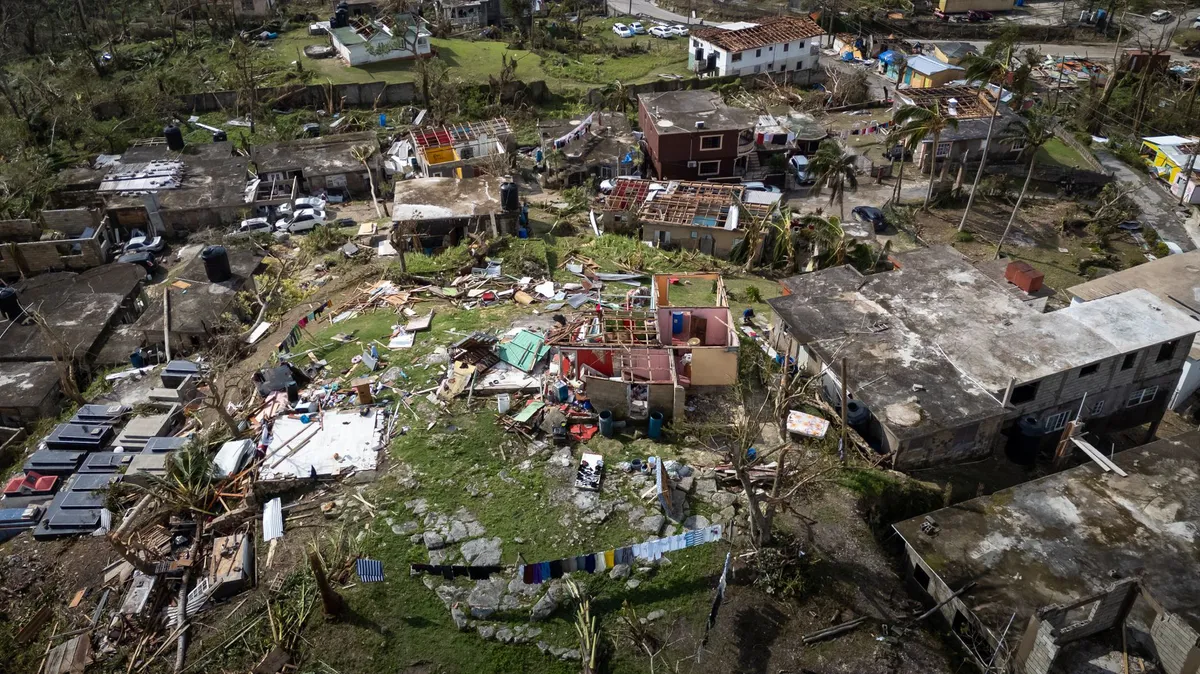
The forecasts from National Weather Forecasting (NWF), bolstered by the insights of Florida meteorologist David Dilley, suggest a more tumultuous hurricane season than mainstream predictions indicate. Dilley, who has a history of making accurate long-range weather predictions, claims that a potential hurricane could rival the infamous storm of 1938, which resulted in over 680 fatalities and billions in damages when adjusted for inflation. This prediction, particularly for New England, carries weight and necessitates a closer examination of hurricane preparedness and the insurance implications for affected areas.
Understanding the Forecasting Landscape
The disparity between mainstream and niche weather forecasting services can be attributed to differing methodologies and historical data interpretations. Established organizations typically rely on extensive datasets and established models to predict storm frequency and intensity. In contrast, Dilley's service, formerly known as Global Weather Oscillations (GWO), integrates insights from long-term climate cycles and gravitational changes to make its predictions. This unique approach has garnered a following among certain sectors, including home builders and property insurers, who rely on accurate storm forecasting to inform their risk assessments.
The Role of Climate Cycles
Dilley's methodology is rooted in the analysis of weather cycles that have historically aligned with significant storm events. He argues that the current climate pattern indicates an impending cooling phase, which has historically been associated with powerful hurricanes. The 1938 hurricane serves as a critical benchmark in this analysis, as it was formed during a similar climatic transition.
- Historical Context: The 1938 hurricane caused over $300 million in damages (more than $2 billion today).
- Cooling Cycle Effects: Dilley predicts that the cooling phase may lead to stronger storms developing in New England.
- Potential Impact: A major hurricane could lead to extensive property damage, loss of life, and severe disruption in affected areas.
Regional Implications of the Predictions
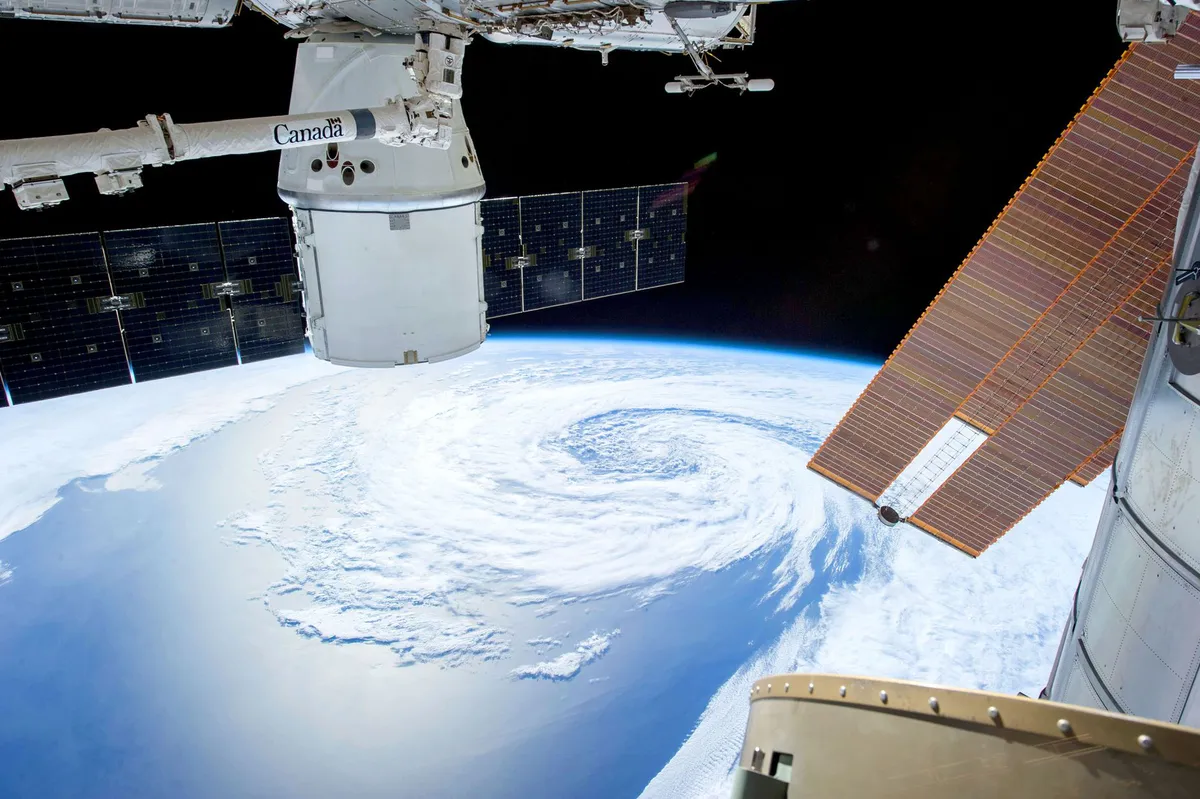
According to NWF's analysis, New England is categorized in Zone 1, where the probability of a major hurricane is estimated at 33%. This contrasts sharply with other regions, such as Zone 9 (Alabama to Texas), where the likelihood stands at 20%. Such forecasts could significantly influence local economies, infrastructure planning, and emergency preparedness strategies.
Insurance Considerations
The potential for a significant hurricane impacts not just the immediate response but also long-term financial implications for homeowners and businesses. Property insurance plays a crucial role in mitigating the financial risks associated with hurricane damage. Residents in high-risk areas should consider the following:
- Review Your Coverage: Ensure your policy covers hurricane damage, including wind and flood damage.
- Understand Your Deductibles: Familiarize yourself with hurricane deductibles, which can be higher than standard deductibles.
- Document Your Property: Maintain an updated inventory of your possessions to facilitate claims processing in the event of damage.

Preparation Strategies for Residents
With the threat of a significant hurricane looming, residents and businesses must take proactive steps to prepare for potential storms. Here are key strategies to consider:
Emergency Plans
Developing a comprehensive emergency plan is essential for ensuring safety during a hurricane. This includes identifying evacuation routes, establishing communication plans with family and friends, and preparing an emergency kit stocked with essential items such as food, water, medications, and first-aid supplies.
Home Fortification
Strengthening your home against hurricane conditions is another critical component of preparedness. This can involve reinforcing windows and doors, securing outdoor items that could become projectiles, and, if feasible, investing in a generator for power outages.
Stay Informed
Regularly monitor local weather updates and heed warnings from meteorological services. Being informed allows residents to make timely decisions regarding evacuation and safety measures.
Key Takeaways
- Major forecasting services predict a mild hurricane season, but NWF warns of potential threats to New England.
- Historical climate cycles may indicate a higher risk of significant storms this year.
- Residents should review their insurance policies and prepare emergency plans.
- Understanding the implications of potential hurricanes is crucial for effective risk management.

Frequently Asked Questions
What should I do to prepare for a hurricane?
Preparation for a hurricane includes creating an emergency plan that outlines evacuation routes, communication strategies, and an inventory of essential supplies. Ensure your home is fortified against wind and water damage, and stay informed by following local weather reports and emergency announcements. Having a comprehensive kit with non-perishable food, water, medications, and first-aid supplies can be vital in ensuring your safety during a storm.
How does hurricane insurance work?
Hurricane insurance typically falls under property insurance policies, which cover specific damages caused by wind and flooding. It is crucial to understand the terms of your policy, including deductibles and coverage limits. Many policies have higher deductibles for hurricane damage compared to standard damage claims. Therefore, reviewing your coverage before the season begins is essential to ensure adequate protection.
What are the signs that a hurricane is approaching?
Key signs of an approaching hurricane include a significant drop in atmospheric pressure, persistent heavy rainfall, and strong winds. Meteorological services provide forecasts and warnings that alert residents to potential hurricane threats. It is important to stay vigilant and prepare for evacuation if authorities issue a warning.
How can I stay updated on hurricane forecasts?
Staying updated on hurricane forecasts can be achieved through multiple sources, including local news broadcasts, weather apps, and official meteorological websites. Subscribing to alerts from the National Weather Service can also provide timely notifications about impending storms and necessary actions to take.
Comments
California Faces Power Shutoffs Amid Rising Wildfire Risks
California's PG&E announces necessary power shutoffs due to heightened wildfire risks. This proactive measure is part of a broader trend among utilities in the region to mitigate fire-related dangers.
Related articles
Popular in Home Insurance
- 2026 Sees Below-Average Severe Convective Storm Losses: What It Means for Insurance
- El Niño and Wildfires: Preparing for a Fire-Prone Future
- Young Affluent Collectors: The Underinsurance Dilemma in Luxury Investments
- Wisconsin Property Owner Sues City and Insurers Over Contamination Cleanup Costs
- Rising Catastrophe Risks: How Europe’s Insurers Are Adapting to Climate Change