Bamboo Insurance Expands Capacity in California's Homeowners Market
Bamboo Insurance partners with MS Transverse to introduce $150 million in homeowners coverage for California, targeting regions in need of increased capacity. This move reflects a broader trend in the insurance market aiming to mitigate the impact of wildfires and improve access to admitted coverage.
In a significant move to address the constraints faced by California homeowners and landlords, Bamboo Insurance has announced a partnership with MS Transverse Insurance Company that will introduce approximately $150 million in admitted homeowners and dwelling fire capacity across the state. This strategic expansion is particularly aimed at regions like Los Angeles, San Diego, and San Francisco, where the admitted market has been increasingly limited. The result has been a shift towards surplus lines coverage, often seen as a less favorable option for many policyholders.
The new capacity will be available for both new business and renewals starting July 17, 2026, and will be accessible through Bamboo's existing network of agents and partners. This development is part of a broader market inflection, influenced by regulatory changes designed to bolster the admitted insurance market in California. Specifically, the reforms stemming from Insurance Commissioner Ricardo Lara's Sustainable Insurance Strategy – which includes updates to Proposition 103 – have begun to bear fruit, enabling admitted insurers to incorporate forward-looking catastrophe models in their rate filings.
Understanding the Current Insurance Landscape
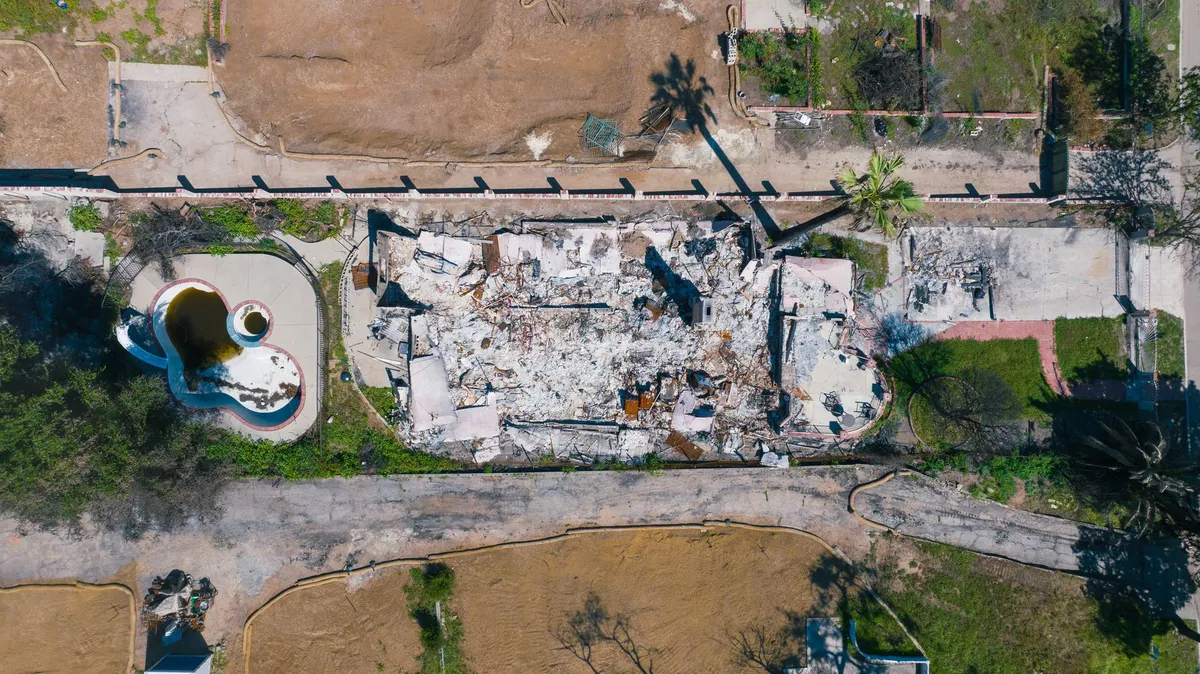
The challenges faced by California homeowners are not merely anecdotal; they reflect a systemic issue in the state’s insurance market. Following the devastating wildfires in January 2026, many traditional insurers, including major players like State Farm, began non-renewing policies, driving homeowners toward the California FAIR Plan, the state’s insurer of last resort. As of early 2026, the FAIR Plan was covering over 450,000 properties, a stark increase due to the exodus from the admitted market.
However, the California Department of Insurance reported that growth in FAIR Plan residential policies has significantly slowed. In the first quarter of 2026, the increase dipped to approximately 2.4%, a drastic fall from the 35,000 to 50,000 new policies being added quarterly in 2024 and 2025. This indicates that there may be a renewed appetite among admitted insurers to re-enter the market, and Bamboo's partnership with MS Transverse is a key component of this trend.
The Role of Regulatory Reforms
The aforementioned regulatory changes allow admitted insurers to leverage advanced catastrophe modeling and reinsurance costs when setting rates. This adjustment is crucial for companies willing to expand their coverage in high-risk areas, especially those prone to wildfires. By enabling insurers to better assess risk and adjust pricing accordingly, the reforms aim to create a more stable insurance environment.
Notably, major insurers such as Farmers, Mercury, and CSAA have committed to expanding their homeowners’ books in California since the reforms took effect. Mercury Insurance, for instance, has promised to write more than 38,000 new policies, reflecting a significant infusion of capacity back into the market.
New Options for Homeowners
The partnership between Bamboo Insurance and MS Transverse not only increases capacity but also introduces innovative policy options that cater to the evolving needs of homeowners in high-risk areas. New policies will feature:
- Higher Deductible Tiers: Options for deductibles up to $10,000, allowing homeowners to choose plans that fit their financial preferences.
- Water Damage Sublimits: Policies will include mandatory sublimits for water damage, which can help mitigate underinsurance in the event of a claim.
- Claim-Free Discounts: Discounts that increase incrementally with sustained claim-free tenure, incentivizing policyholders to maintain a clean claims record.
John Chu, CEO of Bamboo Insurance, emphasized that the partnership enables the company to offer more competitive pricing while maintaining the underwriting discipline needed for long-term viability. The integration of expanded carrier relationships and advanced underwriting tools is central to Bamboo's strategy for enhancing affordability and capacity in challenging markets.

The Rise of Capital-Light Platforms
A noteworthy trend in the insurance industry is the increasing prominence of capital-light platforms, including managing general agents (MGAs) and managing general underwriters (MGUs). These entities use third-party capital to fund growth in markets that are difficult to navigate, such as California's wildfire-prone areas. According to a report by EY, property and casualty (P&C) sidecar capital reached approximately $19.6 billion in 2025, marking a 40% increase year-over-year. This growth trend is reflected in the burgeoning interest from institutional investors, including pension funds and private equity firms, who are drawn to the attractive returns offered by sidecar structures.
As identified by Guy Carpenter, MGAs, MGUs, and capital-light platforms represent one of the primary areas for growth in the insurance sector as we approach 2026. The ability of these platforms to attract investment and adapt to changing market conditions may prove critical in ensuring that capacity remains available to homeowners in high-risk areas.

Implications for Homeowners and Policyholders
The practical implications of the Bamboo-MS Transverse partnership are significant. For homeowners and landlords in California, the introduction of new admitted-market options means greater access to coverage that may have otherwise been unavailable. This is especially crucial for those with higher-value homes located in wildfire-exposed ZIP codes who have felt the pinch of limited insurance options in recent years. The competition introduced by new capacity can also lead to more favorable pricing and policy terms for consumers.
However, the sustainability of this capacity through the next renewal cycle remains uncertain. It hinges on the ongoing effectiveness of the Sustainable Insurance Strategy and the continued availability of sidecar capital funding platforms. If reinsurance pricing stabilizes, we may see even greater re-entry of admitted insurers into California's homeowners market.
Key Takeaways
- Bamboo Insurance partners with MS Transverse, adding $150 million in homeowners coverage.
- California regulatory reforms are facilitating the return of admitted insurers to the market.
- New policy options include higher deductibles and claim-free discounts.
- Capital-light platforms are gaining traction, attracting institutional investment.
- Homeowners in high-risk areas now have more access to admitted-market options.
Frequently Asked Questions
What is admitted insurance and how does it differ from surplus lines coverage?
Admitted insurance refers to coverage provided by insurers that are licensed and regulated by state insurance departments. These companies must adhere to specific rules regarding policy forms and rates. Surplus lines coverage, on the other hand, is offered by insurers that are not licensed in a particular state and can provide more flexible policy options but often at higher costs. Admitted insurance is typically seen as more stable and reliable, making it a preferred choice for homeowners.
How do the recent regulatory changes impact homeowners insurance rates?
The regulatory changes implemented by California’s Department of Insurance allow insurers to use advanced catastrophe models and reinsurance costs in their rate filings. This can lead to more accurate pricing reflective of the actual risks involved, potentially resulting in lower rates for policyholders in high-risk areas as the admitted market expands and competition increases.
What should homeowners consider when choosing a new policy?
Homeowners should evaluate several factors when considering a new insurance policy. Key considerations include the policy's coverage limits, deductible amounts, and any exclusions or sublimits, especially for water damage or other specific risks. Additionally, it’s wise to inquire about potential discounts for claim-free periods and assess the insurer's financial strength and customer service reputation.
Is the new capacity sustainable for the future?
The sustainability of the new admitted market capacity will depend on several factors, including the ongoing effectiveness of the Sustainable Insurance Strategy and the broader economic environment. If reinsurance pricing stabilizes and the demand for admitted coverage continues to grow, it is likely that this capacity will remain viable, providing homeowners with more options for insurance in the long term.
Comments
Gulf Coast Faces Flash Flood Risks as Storm System Approaches
A slow-moving storm system threatens to deliver heavy rainfall across the Gulf Coast, raising flash flood warnings from Florida to Texas. Residents and businesses should prepare for possible disruptions.

Related articles
Popular in Home Insurance
- 2026 Sees Below-Average Severe Convective Storm Losses: What It Means for Insurance
- El Niño and Wildfires: Preparing for a Fire-Prone Future
- Young Affluent Collectors: The Underinsurance Dilemma in Luxury Investments
- Wisconsin Property Owner Sues City and Insurers Over Contamination Cleanup Costs
- Rising Catastrophe Risks: How Europe’s Insurers Are Adapting to Climate Change