Gulf Coast Faces Flash Flood Risks as Storm System Approaches
A slow-moving storm system threatens to deliver heavy rainfall across the Gulf Coast, raising flash flood warnings from Florida to Texas. Residents and businesses should prepare for possible disruptions.

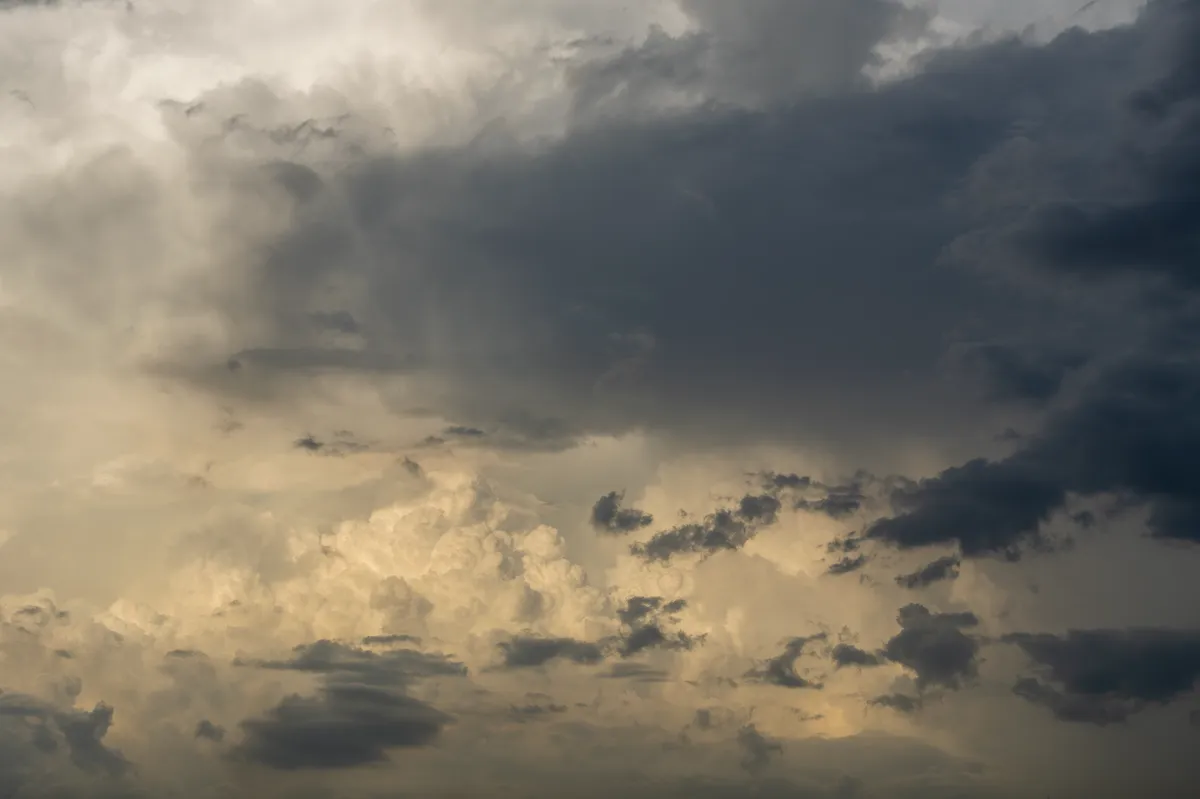
The Gulf Coast is bracing for a potentially dangerous weather event as a slow-moving storm system approaches, bringing with it the risk of flash flooding along a swath of coastline from Florida to Texas. This storm, currently identified as a tropical depression, is expected to intensify and may soon be designated as Tropical Storm Bertha. With forecasts predicting rainfall amounts of up to 6 inches (15 centimeters), residents and businesses are on high alert for significant weather impacts that could disrupt daily life and economic activities.
As of 7 a.m. local time, the National Hurricane Center reported that the storm was situated approximately 110 miles (180 kilometers) south of Panama City, Florida. The storm's trajectory shows it moving northwest across the Gulf Coast, prompting tropical storm watches to be issued from the Florida panhandle all the way to the Mississippi border. This kind of weather system is particularly concerning due to the potential for rapid flash flooding, power outages, and disruptions in critical industries such as oil and natural gas production.
Understanding the Storm's Impact
Tropical storms and depressions can significantly affect the Gulf Coast, an area known for its vulnerability to severe weather. The economic implications are far-reaching, especially in resource-rich regions where oil and gas production is prevalent. Here’s a closer look at the potential impacts:
- Heavy Rainfall: Up to 6 inches of rain could lead to flash flooding, overwhelming local drainage systems.
- Power Outages: High winds and heavy rains can result in downed power lines, leaving residents without electricity for days.
- Disruptions in Energy Production: The storm could disrupt oil refining and gas processing operations, impacting supply chains and energy prices.
- Emergency Preparedness: Local authorities may need to implement emergency protocols to safeguard residents and infrastructure.
The Economic Ramifications of Tropical Storms
Energy markets are particularly sensitive to tropical storms. Even a weak system can cause fluctuations in natural gas and oil prices due to concerns about production interruptions. For instance, the recent Tropical Storm Arthur, which skirted the Texas coast last month, brought heavy rains that affected operations in the region. The potential for Tropical Storm Bertha to cause similar disruptions has market analysts closely monitoring the system.
When storms like Bertha approach, the energy sector often braces for potential shutdowns or slowdowns in production. This can lead to higher prices at the pump for consumers and increased costs for businesses reliant on these energy sources. Moreover, infrastructure such as pipelines and offshore drilling platforms may also face operational suspensions to ensure the safety of workers and equipment.
Preparing for Flash Flooding and Power Outages
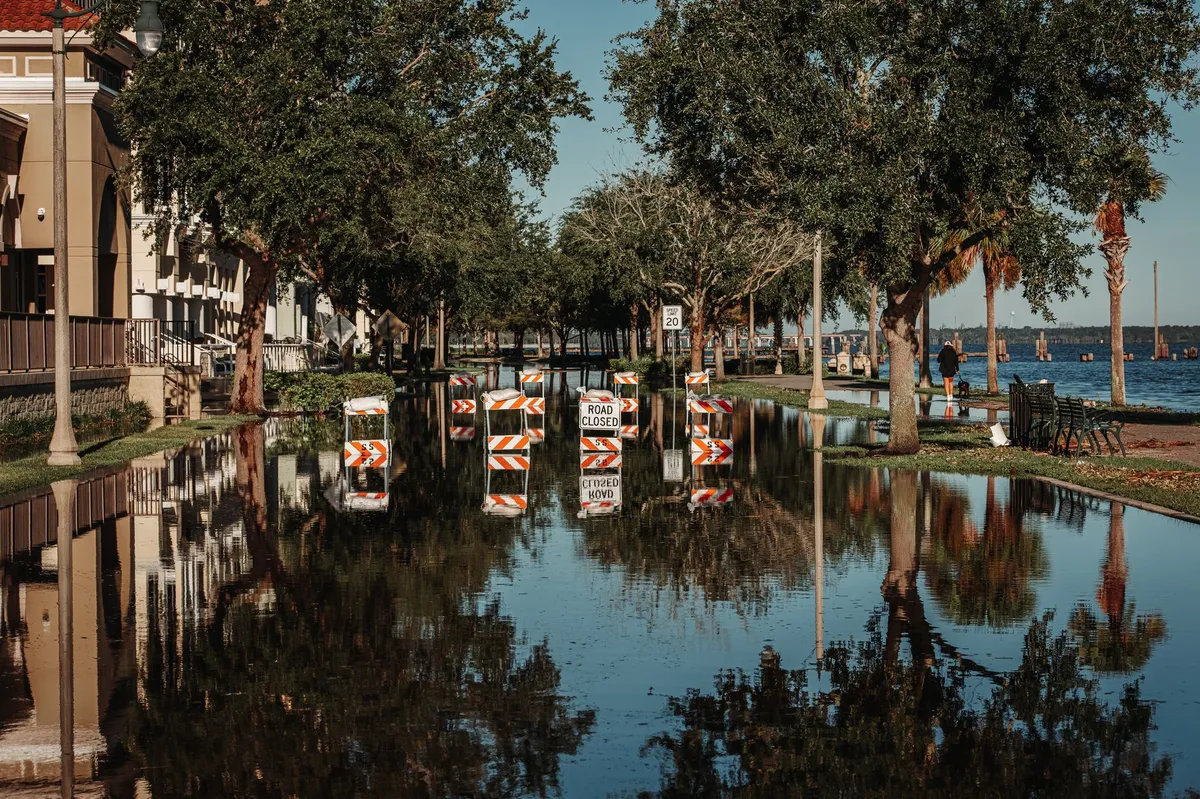
With the forecast indicating the likelihood of flash flooding, it is essential for residents in the affected regions to take proactive measures to safeguard their homes and families. Here are some steps to consider:
Home and Property Preparedness
1. Clear Drainage Systems: Ensure that gutters, downspouts, and drainage ditches are clear of debris to facilitate proper water flow.
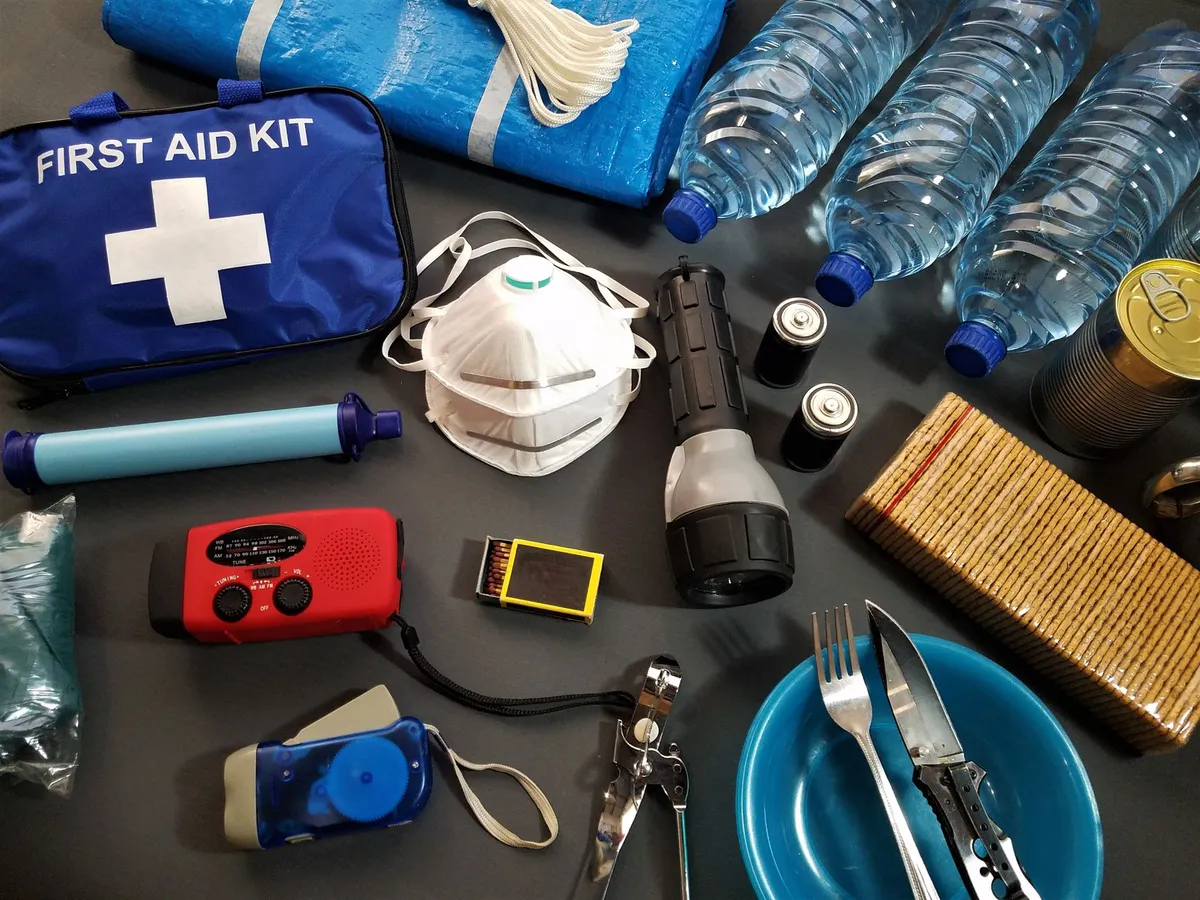
2. Emergency Supplies: Stock up on essentials, including non-perishable food, water, flashlights, batteries, and first aid supplies.
3. Insurance Check: Review your homeowners or renters insurance policy to confirm coverage for flood damage. Many standard policies do not cover flooding, so consider purchasing separate flood insurance if necessary.
4. Evacuation Plans: Familiarize yourself with local evacuation routes and have a plan in place should authorities issue evacuation orders.
Long-term Considerations for Residents and Businesses
As climate change continues to influence the frequency and intensity of storms, residents along the Gulf Coast must consider long-term strategies to mitigate the effects of such weather events. This includes:
Community Resilience Initiatives
1. Infrastructure Improvements: Investing in better drainage systems and flood barriers can help reduce the impact of future storms.
2. Awareness Campaigns: Community organizations should promote awareness of severe weather risks and emergency preparedness.
3. Sustainable Practices: Local governments can encourage sustainable land-use practices that minimize environmental impacts and enhance resilience.
Key Takeaways
- Flash flooding is a significant risk as a storm system approaches the Gulf Coast, with rainfall expected to reach 6 inches.
- The energy sector may face disruptions, impacting oil and gas production and causing fluctuations in market prices.
- Residents should prepare their homes and families by stocking essential supplies and reviewing insurance coverage.
- Community resilience initiatives are crucial for long-term preparedness against climate-related weather events.
Frequently Asked Questions
What should I do if I live in an area prone to flooding?
If you reside in a flood-prone area, it's essential to stay informed about weather updates and potential evacuation orders. Create an emergency plan that includes a designated meeting place and ensure your family knows what to do in case of an emergency. Additionally, consider flood insurance to protect your property from potential damage.
How can I prepare my home for severe storms?
To prepare your home for severe storms, inspect your property for vulnerabilities. Secure outdoor items that could become projectiles in high winds, check your roof for leaks, and ensure windows and doors are properly sealed. Additionally, consider installing storm shutters or using plywood to protect windows from flying debris.
What types of insurance cover flood damage?
Standard homeowners insurance typically does not cover flood damage; you will need a separate flood insurance policy to protect your property. The National Flood Insurance Program (NFIP) offers policies that cover physical damage to your home and personal property due to flooding. It's wise to consult with an insurance agent to understand your coverage options.
How do storm systems affect energy prices?
Storm systems can cause fluctuations in energy prices due to production disruptions in oil and gas markets. When storms threaten production facilities or lead to evacuations, supply may decrease, causing prices to rise. Market analysts closely monitor these weather events to forecast potential impacts on energy costs.
Comments
Bamboo Insurance Expands Capacity in California's Homeowners Market
Bamboo Insurance partners with MS Transverse to introduce $150 million in homeowners coverage for California, targeting regions in need of increased capacity. This move reflects a broader trend in the insurance market aiming to mitigate the impact of wildfires and improve access to admitted coverage.

Related articles
Popular in Home Insurance
- 2026 Sees Below-Average Severe Convective Storm Losses: What It Means for Insurance
- El Niño and Wildfires: Preparing for a Fire-Prone Future
- Young Affluent Collectors: The Underinsurance Dilemma in Luxury Investments
- Wisconsin Property Owner Sues City and Insurers Over Contamination Cleanup Costs
- Rising Catastrophe Risks: How Europe’s Insurers Are Adapting to Climate Change