How Electric Vehicles Are Transforming Home Energy Solutions
As electric vehicles (EVs) evolve, automakers are now offering innovative solutions that allow these vehicles to serve as backup power sources for homes. This feature explores the implications of this technology, the players in the market, and what consumers need to know.
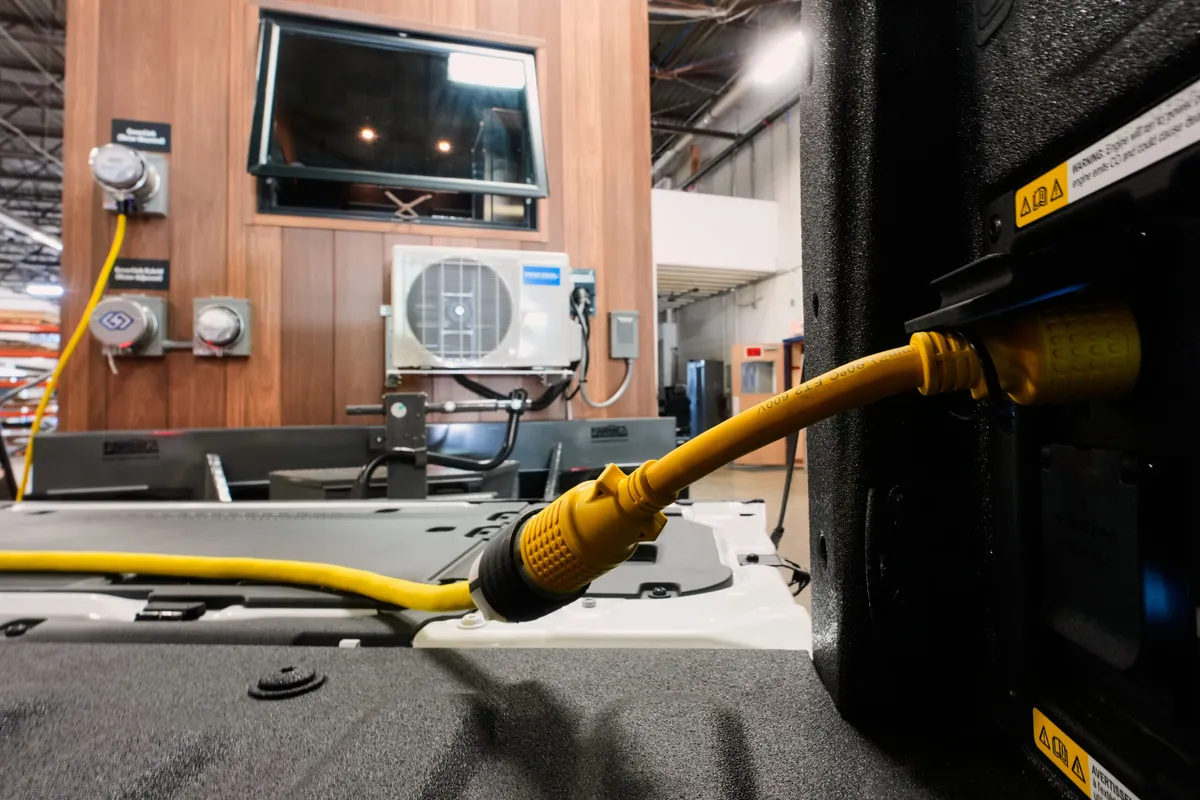
In the wake of severe weather events like Winter Storm Uri in February 2021, many homeowners are reassessing their preparedness for power outages. The storm highlighted vulnerabilities in Texas's power grid and left residents scrambling for solutions to keep their homes powered. Kenneth Kovar, a resident of New Braunfels, Texas, found himself in a precarious situation when he was unable to run his septic tank, relying on water from his backyard pool to fill his toilets. The experience prompted him to invest in a Ford F-150, which boasts a feature that allows the vehicle to serve as a backup power source for his home. This shift in the automotive industry toward integrating electric vehicles (EVs) with home energy systems is not just a trend but a fundamental change in how we think about energy consumption and resilience.
As the demand for reliable energy sources grows and the market for electric vehicles faces challenges, automakers are increasingly focusing on the vehicle-to-home technology. This article delves into how major manufacturers are adapting their electrification technologies to meet the needs of homeowners for backup power, the implications for the energy grid, and what consumers can expect as this market evolves.
Integrating Vehicles with Home Energy Systems
Ford has taken a significant step in this direction with its F-150 PowerBoost hybrid and F-150 Lightning electric pickup trucks. These vehicles come equipped with a 240-volt outlet that can be connected to a home’s electrical system through a specially designed adapter. Homeowners can link their vehicles directly to their electric meter, allowing them to power select appliances and devices during an outage. Amanda Roraff, Ford's grid and energy services business acceleration lead, emphasizes that this technology allows owners to utilize a power source they already have—right in their driveway.
How the Technology Works
The system Ford has implemented requires a professional installation of a transfer switch connected to the electric meter, enabling the vehicle to supply power to the home. Depending on usage, the F-150 Lightning can provide power for up to three days, while the PowerBoost hybrid can last up to five days on a single tank of gas. This solution is not only more affordable than traditional generator systems, which can cost thousands to install, but it also offers a flexible, user-friendly way to manage power needs during outages.
The Wider Landscape of Vehicle-to-Home Technology
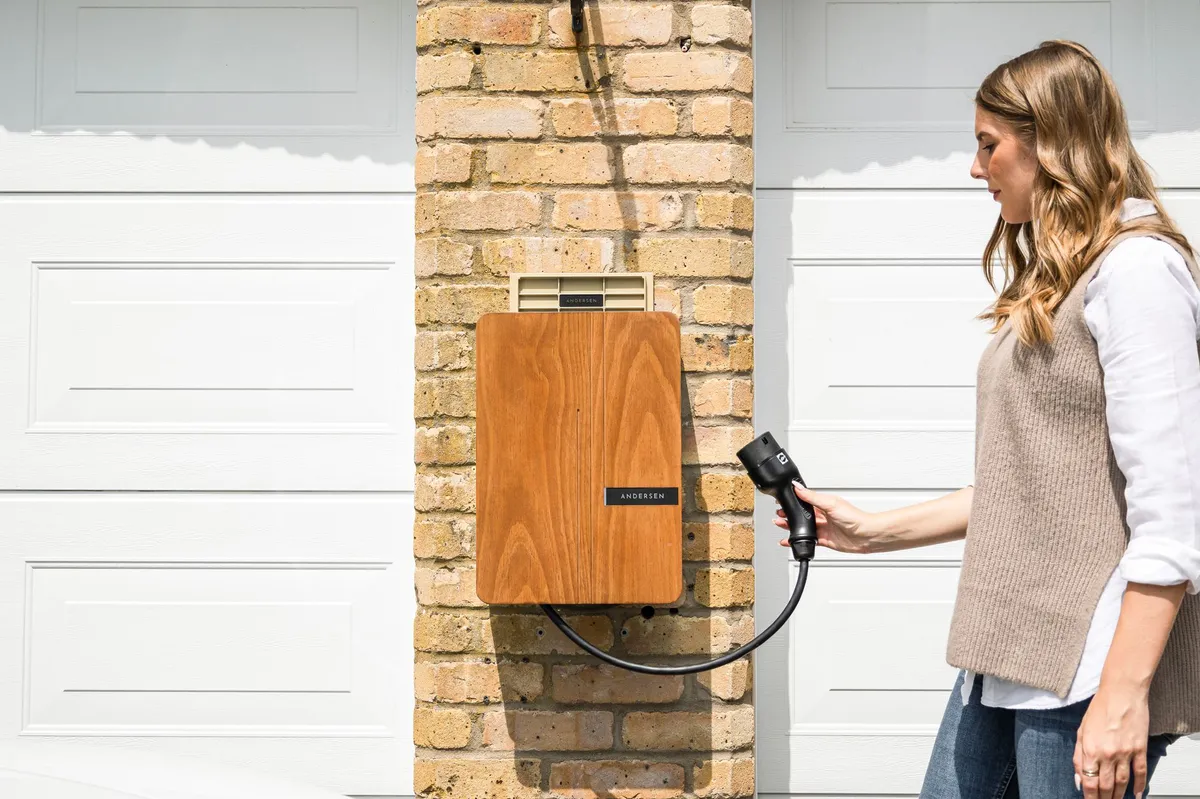
Ford is not alone in this innovative approach. Other automakers, including Kia, Tesla, and General Motors, are also developing systems that allow vehicles to serve as power sources for homes. Kia, in collaboration with Wallbox, is working to provide home energy backup during outages and high-demand periods, enabling vehicles to send power back to the grid. Tesla's Cybertruck is designed with full vehicle-to-home capability, while other Tesla models can only power specific devices.
General Motors’ Energy Initiatives
General Motors has made strides in this area as well. Their partnership with WeaveGrid allows homeowners who drive specific GM EVs to participate in grid reliability programs. In the event of an outage, GM's system can disconnect a home from the grid and draw power directly from the vehicle. Wade Sheffer, GM's vice president of energy, notes the importance of giving customers control over their energy usage, marking a shift in how consumers interact with both their vehicles and the energy grid.
Challenges Facing the Industry
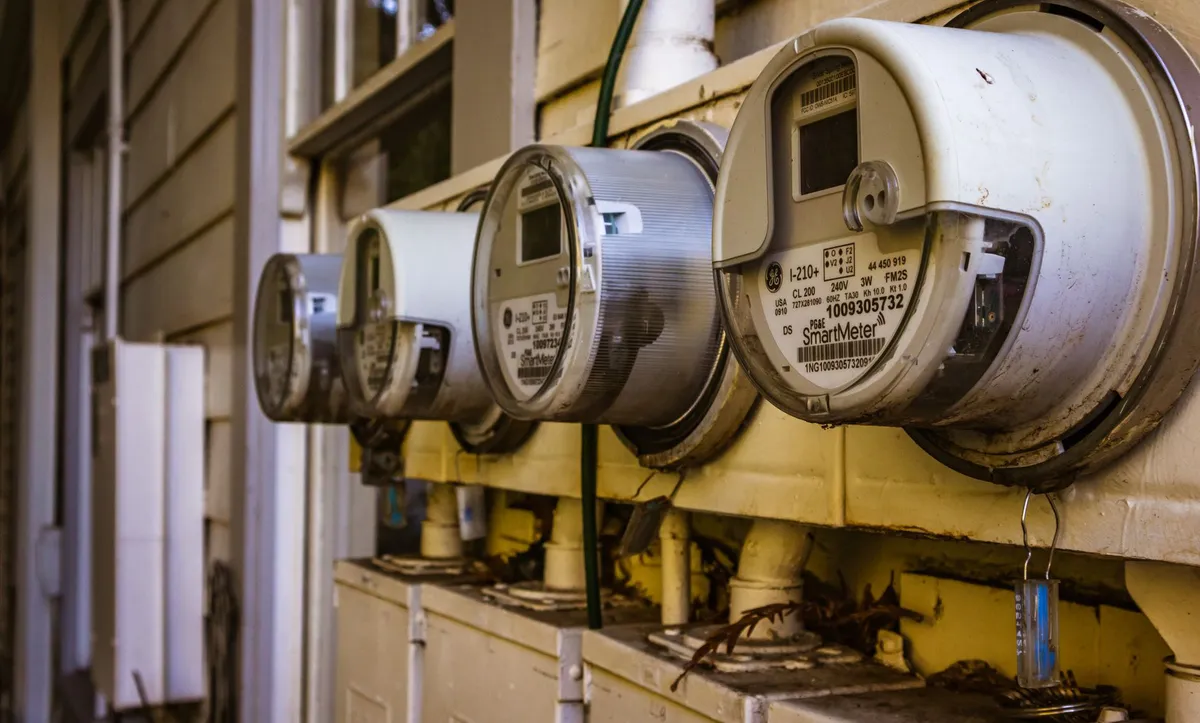
Despite the promising advancements in vehicle-to-home technology, there are significant challenges that need to be addressed. Safety standards must be met through rigorous third-party testing, and the vehicle must be compatible with the home’s electrical system. Additionally, homeowners need to navigate the regulatory landscape, as utility companies must approve these interconnections. This process can be lengthy and complex, potentially hindering widespread adoption.
Consumer Considerations
For homeowners looking to utilize their electric vehicles as backup power sources, understanding the capabilities of their vehicles is crucial. They need to be informed about how to manage their energy use and familiarize themselves with their home’s electrical systems. The introduction of these technologies also means integrating another power source into the home energy mix, which can complicate energy management.

The Future of Energy Resilience
As the U.S. faces increasing power demands and a growing number of outages, the role of electric vehicles in home energy systems could become more prominent. A report from Cox Automotive highlights that pure EV sales in the U.S. have declined by nearly 24% year-over-year, prompting automakers to seek alternative revenue streams from vehicle-to-home technologies. This pivot may be essential for manufacturers to maintain profitability while providing valuable services to consumers.
Global Trends and Opportunities
While the U.S. market shows signs of slowdown, interest in electric vehicles remains robust in other parts of the world. As more automakers invest in these technologies, the potential for vehicle-to-home solutions to gain traction increases. Experts like Scott Samuelsen from the University of California, Irvine, predict a surge in popularity for these solutions, particularly as more homeowners recognize the benefits of having a reliable power source during outages.
Key Takeaways
- Ford and other automakers are developing vehicle-to-home technologies that allow EVs to power homes during outages.
- These systems provide a cost-effective alternative to traditional generators and enhance energy resilience.
- Homeowners should understand the compatibility of their vehicles with home energy systems and the regulatory requirements involved.
- The market for electric vehicles is evolving, with increasing emphasis on integrating energy solutions to meet consumer needs.
- Global interest in electric vehicles may drive further innovation in home energy technology.
Frequently Asked Questions
What types of vehicles can be used as backup power sources for homes?
Currently, several models from manufacturers such as Ford, Tesla, Kia, and General Motors offer vehicle-to-home capabilities. For instance, the Ford F-150 Lightning and PowerBoost hybrids have been designed specifically to connect with home electrical systems. Tesla's Cybertruck also provides this functionality, while other models can power specific devices. It is essential for consumers to check the specifications of their vehicles and any necessary equipment to utilize this feature.
How much does it cost to install a vehicle-to-home system?
The cost of setting up a vehicle-to-home connection typically starts around $1,100, which includes professional installation of a transfer switch. This is significantly less expensive than traditional home standby generators, which can run into the thousands of dollars. However, the total cost may vary based on specific installation requirements and local regulations, so it is advisable to consult with a qualified electrician for an accurate estimate.
What are the safety concerns associated with using electric vehicles as power sources?
Safety is a primary concern when integrating electric vehicles into home energy systems. These systems must undergo thorough third-party testing to ensure compliance with safety standards. Additionally, homeowners need to ensure that their vehicle and home electrical systems are properly configured to communicate with each other. It is vital to work with certified professionals to mitigate risks and ensure safe operation.
How can homeowners manage their energy use when using a vehicle as a power source?
Homeowners utilizing their electric vehicles for backup power should familiarize themselves with their home’s electrical setup and the capabilities of their vehicles. It is important to understand which devices can be powered and how to prioritize energy use during an outage. Many systems allow users to select specific breakers to control which appliances receive power, providing greater flexibility in managing energy consumption effectively.
Comments
Florida's Insurance Reforms: A Double-Edged Sword for Homeowners
Florida's recent insurance reforms aim to stabilize a troubled market but shift financial risks onto homeowners, raising concerns about claim denials and rising premiums.

Related articles

Popular in Home Insurance
- 2026 Sees Below-Average Severe Convective Storm Losses: What It Means for Insurance
- El Niño and Wildfires: Preparing for a Fire-Prone Future
- Young Affluent Collectors: The Underinsurance Dilemma in Luxury Investments
- Wisconsin Property Owner Sues City and Insurers Over Contamination Cleanup Costs
- Rising Catastrophe Risks: How Europe’s Insurers Are Adapting to Climate Change