California: The Nation's Largest Fire Insurance Market Amid Crisis
California's fire insurance market has surged to become the largest in the U.S. due to skyrocketing premiums and a challenging loss landscape. This article explores the factors driving this shift and its implications for homeowners and insurers alike.
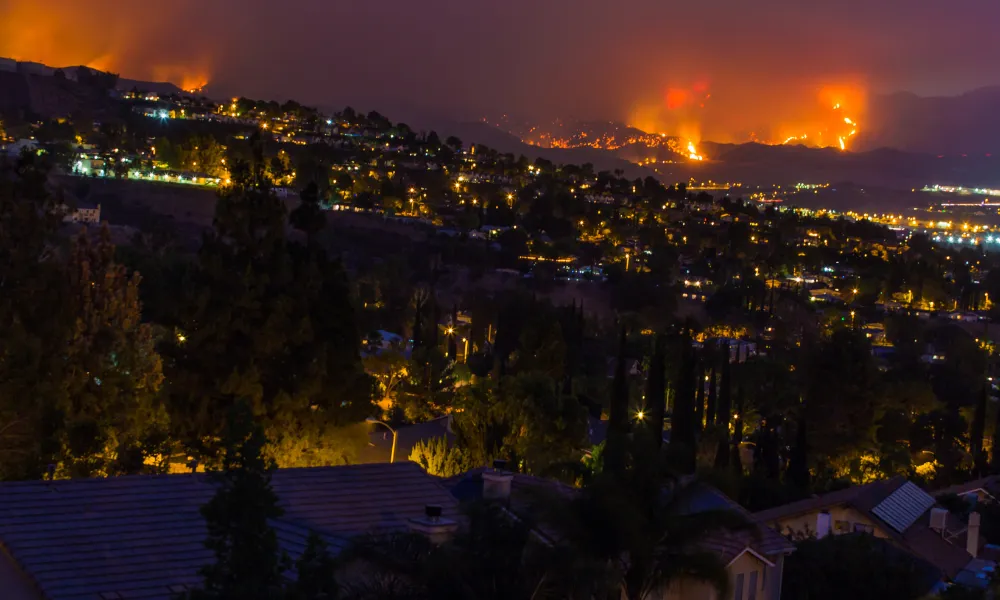
In a dramatic shift that underscores the complexities of the insurance landscape, California has emerged as the largest fire insurance market in the United States. This milestone, achieved amidst a backdrop of crisis, is characterized by a staggering 126.5% growth in fire insurance premiums over five years, culminating in an estimated $3.37 billion in 2024. As the state overtakes Texas in this domain, a closer examination reveals a paradox: while premiums soar, California's loss ratio stands at only 28.5%, one of the lowest among major states. This article delves into the factors contributing to this unprecedented situation and explores what it means for homeowners, insurers, and the future of fire insurance in California.
The Complexity Behind Rising Premiums
The surge in California's fire insurance premiums is a response to a variety of factors, including the increasing frequency and intensity of wildfires exacerbated by climate change. Insurers have reacted to these heightened risks by raising rates significantly. However, the dramatic increase in premiums is not merely a reflection of current losses; it also signifies a proactive approach by insurers to mitigate future risks.
For context, the cumulative premium hike of 126.5% over five years translates to a substantial financial burden for homeowners. For example, if a typical homeowner was paying $1,000 annually for fire insurance in 2019, they could expect to pay around $2,265 by 2024. This increase not only impacts affordability but also influences the availability of coverage as many carriers reevaluate their risk exposure.
Loss Ratios and Their Implications
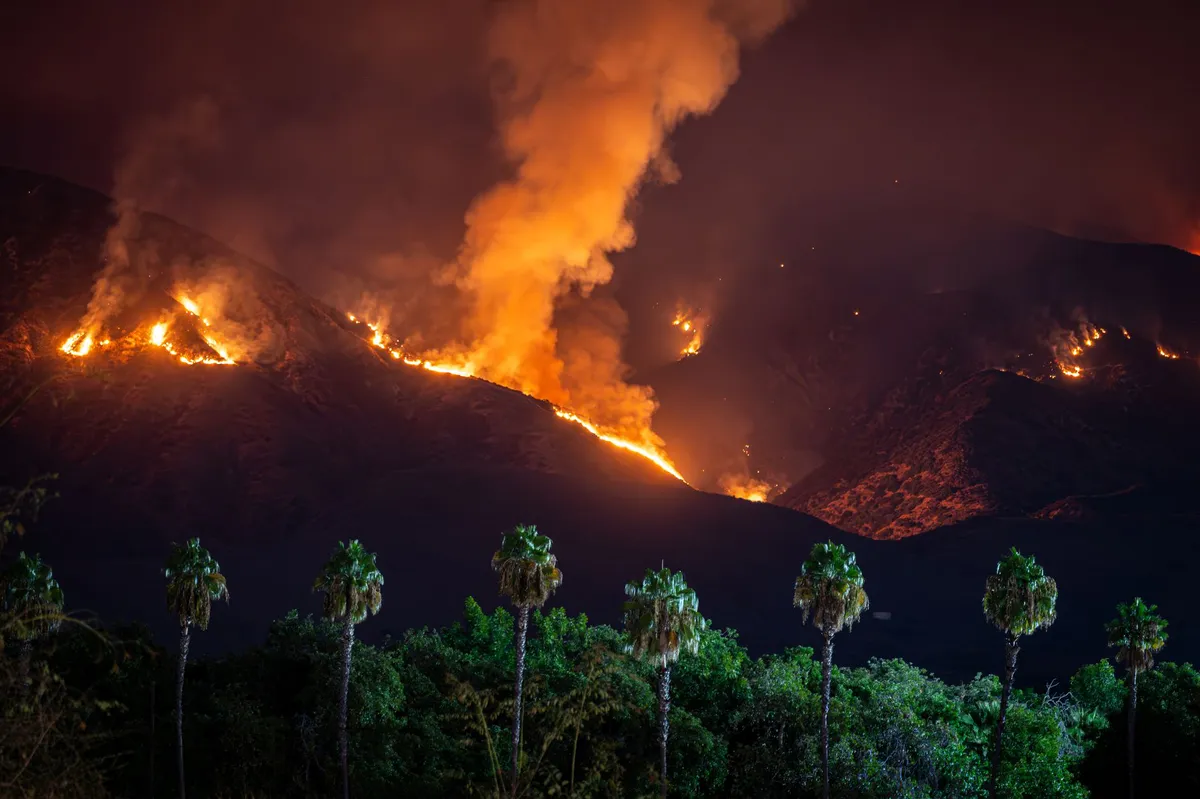
The loss ratio, which measures the percentage of insurance premiums used to pay claims, provides insight into the financial health of the insurance market. California's current loss ratio of 28.5%, while low, is anticipated to rise sharply due to upcoming challenges. Historical data indicates that after significant wildfire events, loss ratios can spike dramatically. For instance, Hawaii experienced a shocking 359.4% loss ratio in 2023 following the devastating Maui wildfires, only to normalize to 52.5% in 2024 as claims settled.
Upcoming Challenges
Looking ahead, January 2025 is poised to be a crucial month for California's insurance market. The anticipated Los Angeles wildfires are likely to have a profound impact on the state's statutory data, leading to a potential spike in loss ratios that could shake the foundation of the current market dynamics. Insurers could be forced to reassess their pricing strategies, potentially leading to even higher premiums for consumers.

The Exit of Major Carriers
As the risks associated with insuring homes in fire-prone areas have escalated, major insurance carriers such as The Hartford, State Farm, AIG, and Allstate have made the difficult decision to halt new homeowners' policies in California. This exodus from the market has significant implications for the availability and affordability of fire insurance.
With major players withdrawing, the market has seen an influx of volume into surplus lines and the California FAIR Plan, a state program designed to provide basic insurance coverage for high-risk properties. Currently, the FAIR Plan covers over 463,000 homes, representing an exposure of approximately $450 billion. While this program offers a safety net for homeowners, it often comes with limited coverage options and higher premiums compared to traditional policies.
Regulatory Changes and Future Outlook
In an effort to stabilize the market, regulatory reforms have been introduced, including a pivotal change in December 2024 that allows insurers to incorporate reinsurance costs into their rate-setting processes. Reinsurance is a financial mechanism where insurers purchase insurance for their own risks, helping them manage large losses. This change could potentially attract more carriers back into the market, thereby increasing competition and providing consumers with more options.
However, whether this reform will be sufficient to reverse the trend of rising premiums and limited availability remains uncertain. Insurers will likely continue to be vigilant in evaluating their risk exposure, especially in light of the looming threat of wildfires. Consumers should prepare for ongoing fluctuations in the market and remain proactive in seeking coverage that meets their needs.

Key Takeaways
- California's fire insurance premiums have skyrocketed by 126.5% over five years, reaching $3.37 billion in 2024.
- The state has the lowest loss ratio among major states at just 28.5%, but this is expected to change with upcoming wildfire risks.
- Major insurers like State Farm and Allstate have halted new policies in California, pushing homeowners toward surplus lines and the FAIR Plan.
- A recent regulatory reform allows reinsurance costs in rate-setting, which could attract more carriers back into the market.
Frequently Asked Questions
Why have fire insurance premiums in California increased so dramatically?
The dramatic increase in fire insurance premiums in California is largely due to the rising frequency and severity of wildfires driven by climate change. Insurers are responding to these elevated risks by significantly raising rates to ensure they can cover potential losses. This trend reflects both current and anticipated future losses, as companies seek to maintain financial stability in a volatile market.
What does a low loss ratio mean for homeowners?
A low loss ratio, such as California's current 28.5%, generally indicates that an insurance company is collecting significantly more in premiums than it is paying out in claims. For homeowners, this could mean that their insurers are in a strong financial position, but it also raises concerns about future premium increases as companies adjust to anticipated risks. Homeowners should stay vigilant and be aware of potential changes in their coverage terms.
What options do homeowners have if major carriers are exiting the market?
Homeowners facing the exit of major carriers have several options to explore. They can consider obtaining coverage through the California FAIR Plan, which provides basic insurance for high-risk properties. Additionally, homeowners might explore surplus lines insurers, which can offer coverage outside the standard market. However, these options often come with higher premiums and limited coverage, making it essential for homeowners to carefully assess their choices and understand the terms of any policy they consider.
How might regulatory changes impact the fire insurance market?
Regulatory changes, such as allowing reinsurance costs in rate-setting, may enhance the financial capacity of insurers and encourage them to return to the market. This could lead to increased competition and potentially lower premiums for consumers. However, the overall impact of these changes will depend on how insurers adapt to ongoing wildfire risks and the broader economic landscape. Homeowners should keep an eye on these developments and be ready to reassess their options as the market evolves.
Comments
Florida's Insurance Reforms: A Double-Edged Sword for Homeowners
Florida's recent insurance reforms aim to stabilize a troubled market but shift financial risks onto homeowners, raising concerns about claim denials and rising premiums.

Related articles

Popular in Home Insurance
- 2026 Sees Below-Average Severe Convective Storm Losses: What It Means for Insurance
- El Niño and Wildfires: Preparing for a Fire-Prone Future
- Young Affluent Collectors: The Underinsurance Dilemma in Luxury Investments
- Wisconsin Property Owner Sues City and Insurers Over Contamination Cleanup Costs
- Rising Catastrophe Risks: How Europe’s Insurers Are Adapting to Climate Change