Wildfire Risk Expands: A Nationwide Challenge for Insurance Markets
Wildfire risk is no longer limited to the West as extreme weather conditions and population growth drive increased exposure across the U.S. This shift presents significant challenges for insurance markets and necessitates new strategies for mitigation and resilience.

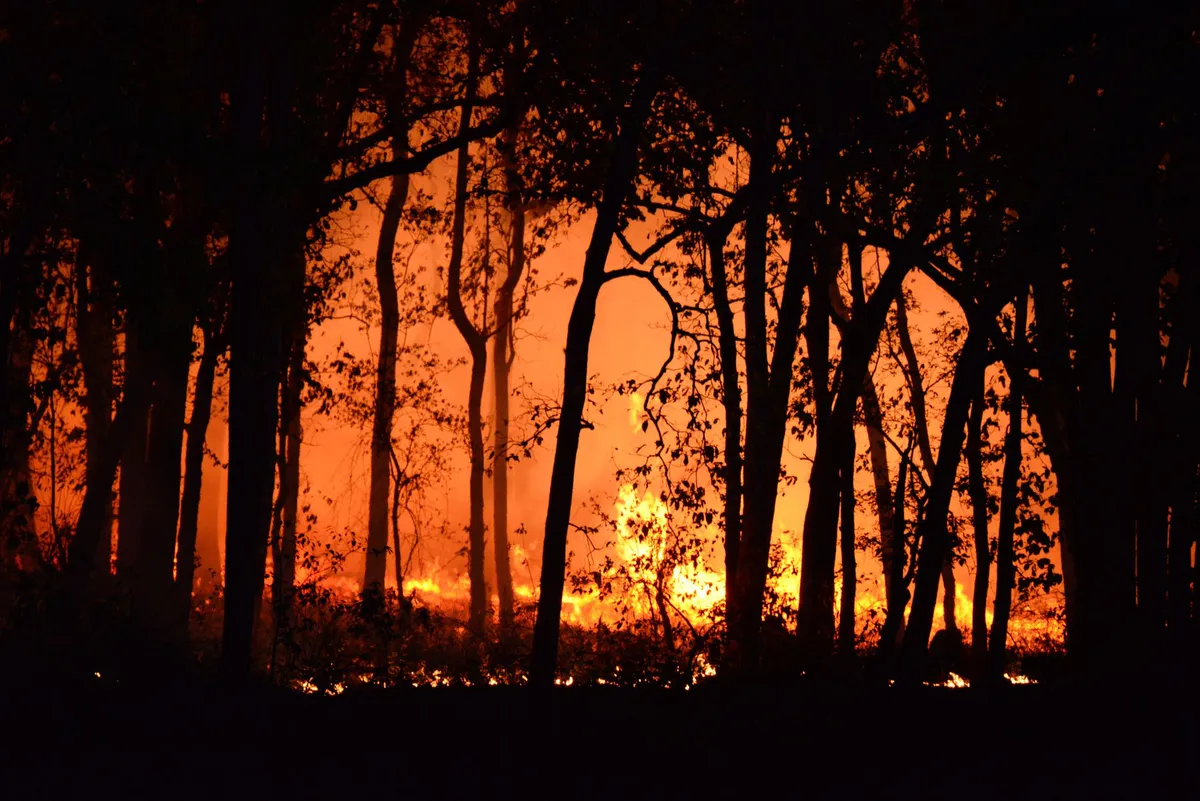
As the climate crisis intensifies, the specter of wildfires is spreading beyond the traditionally affected regions of the Western United States. A recent report from the Insurance Information Institute (Triple-I) underscores this alarming trend, revealing that the risks associated with wildfires are now impacting diverse regions, including the Southeast and Great Plains. With extreme heat, persistent drought conditions, and a growing population encroaching on wildfire-prone areas, the dynamics of wildfire exposure are shifting. This expansion presents urgent challenges for homeowners, insurers, and regulators alike.
In the first half of 2026 alone, over 35,000 fires scorched more than 3 million acres nationwide—significantly exceeding the 10-year averages for the same period. States such as Florida, Georgia, and Nebraska recorded unprecedented wildfire activities, while traditional hotspots like California continued to grapple with the aftereffects of severe wildfire seasons driven by climate change. Sean Kevelighan, CEO of Triple-I, emphasized the urgency of addressing wildfire as a national risk issue rather than a regional one, stating that resilience and mitigation strategies are critical for safeguarding lives and properties.
The Growing National Wildfire Threat
Historically, the conversation surrounding wildfires has been dominated by the Western U.S., where dry conditions and high temperatures have created a perfect storm for wildfires. However, recent trends indicate that more states are experiencing heightened fire risk. For instance, the report highlights that a staggering 42% of Western U.S. land affected by wildfires between 2001 and 2024 burned during or immediately after a heat wave. This correlation between heat waves and wildfire outbreaks is concerning, as the number of heat-wave days across Western forests has nearly doubled since 2001, escalating the threat of catastrophic fires.
Craig Clements, a professor of meteorology at San José State University, notes that while catastrophic wildfires constitute only about 1% of all fires, their consequences can be devastating. It only takes one day of extreme weather—high winds or low humidity—for a wildfire to ignite and spread uncontrollably. As the frequency and intensity of heat events increase, the implications for fire risk will likely become more pronounced across the nation.
Impact on Insurance Markets
The implications of this expanding wildfire risk are significant for the insurance industry, particularly in states that have not historically been associated with major fire activity. California serves as a cautionary tale, with its insurance market already grappling with the fallout from years of catastrophic fire losses. Over the past few years, California's FAIR Plan—its insurer of last resort—has seen its total insured exposure skyrocket from approximately $50 billion in 2018 to $458 billion in 2024. This surge is largely attributed to private insurers retreating from high-risk areas.
In an alarming trend, the California Department of Insurance reported that insurers non-renewed more than 2.8 million homeowners' policies in fire-prone zip codes from 2020 to 2025. The financial toll of wildfires is staggering; for instance, the Palisades Fire in January 2025 alone is estimated to have caused between $30 billion and $50 billion in insured losses. As these trends become more widespread, insurers in other regions may soon face similar pressures.
Regulatory Responses and Reforms
In response to the escalating wildfire risk, California has enacted a series of reforms aimed at stabilizing its insurance market. Key legislative measures effective January 1, 2026, include:
- Senate Bill 495: Requires insurers to pay a share of contents coverage to total-loss survivors without the need for a detailed inventory.
- Senate Bill 547: Extends a one-year moratorium on non-renewals to commercial policies following a declared disaster.
- Assembly Bill 226: Allows the FAIR Plan to access catastrophe bonds to bolster its financial stability.
- Senate Bill 429: Authorizes a public wildfire catastrophe model to enhance transparency in risk assessment and pricing.
These reforms not only reflect California's proactive approach but also serve as a model for other states grappling with rising wildfire risks. As more Americans move into the wildland-urban interface—the transitional zone where developed areas meet undeveloped vegetation—it's crucial for insurers and regulators across the nation to adopt similar strategies.
Preparing for the Future: Mitigation Strategies
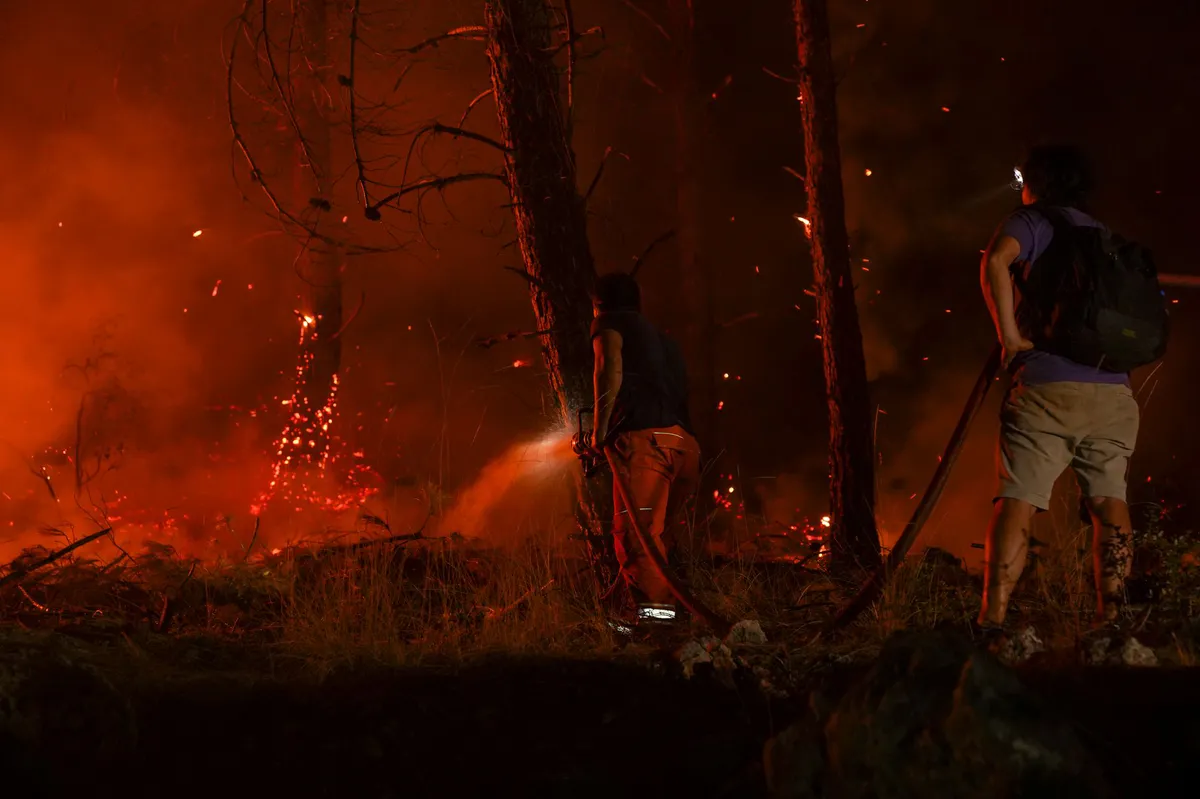
To effectively address the growing wildfire threat, both individuals and communities must take proactive measures. Homeowners, in particular, can implement several mitigation strategies to reduce their vulnerability:
- Creating Defensible Space: Clear flammable vegetation and debris from around homes, creating a buffer zone that can slow or stop the spread of fire.
- Fire-Resistant Landscaping: Use fire-resistant plants and materials to create landscapes that are less susceptible to ignition.
- Home Hardening: Upgrade roofing, siding, and windows to materials that can withstand high heat and embers.
- Emergency Preparedness: Develop evacuation plans and ensure that emergency supplies are readily available.
While these individual efforts are significant, broader community-level initiatives are equally vital. Local governments must invest in infrastructure improvements, such as creating fire breaks and enhancing emergency response capabilities. Additionally, community education programs can raise awareness about wildfire preparedness and the importance of maintaining defensible space.
Key Takeaways
- Wildfire risk is expanding nationally, affecting regions outside the traditional Western U.S.
- California's insurance market is a precursor for potential challenges in other states.
- Regulatory reforms are critical for stabilizing insurance markets in fire-prone areas.
- Mitigation strategies can significantly reduce individual and community wildfire risks.
- Proactive engagement from homeowners, local governments, and insurers is essential for resilience.
Frequently Asked Questions
What factors are contributing to the increase in wildfire risk across the U.S.?
The increase in wildfire risk can be attributed to several interrelated factors, including climate change, extreme heat, prolonged drought conditions, and population growth in wildfire-prone areas. As temperatures rise and weather patterns become more erratic, the likelihood of wildfires igniting and spreading increases significantly. Additionally, urban development into wildland areas creates more opportunities for fires to impact homes and communities.
How are insurance companies responding to the growing wildfire threat?
Insurance companies are responding to the growing wildfire threat by adjusting their underwriting practices, increasing premiums, and in some cases, pulling back from high-risk areas altogether. In states like California, insurers are implementing reforms in response to catastrophic losses, which include better risk assessment models and mitigation strategies. These changes aim to make policies more sustainable while also encouraging homeowners to invest in fire-resistant improvements.
What can homeowners do to protect their properties from wildfires?
Homeowners can take several proactive steps to protect their properties from wildfires. This includes creating defensible space around their homes, utilizing fire-resistant landscaping, and hardening their homes with materials that can withstand fire. Additionally, developing a comprehensive emergency plan, including evacuation routes and emergency supplies, can enhance safety in the event of a wildfire. Community engagement in local fire prevention initiatives can further bolster these individual efforts.
Will wildfire insurance coverage become harder to obtain in the future?
The availability of wildfire insurance coverage may become more challenging as wildfire risk continues to increase. Regions that have not previously been considered high-risk may see insurers tighten their underwriting guidelines, leading to higher premiums or even non-renewals of existing policies. Homeowners in vulnerable areas should proactively engage with their insurers to understand their coverage options and consider implementing risk-reduction strategies to maintain insurability.
Comments
Wildfires Ravage Eastern Washington: A Community in Crisis
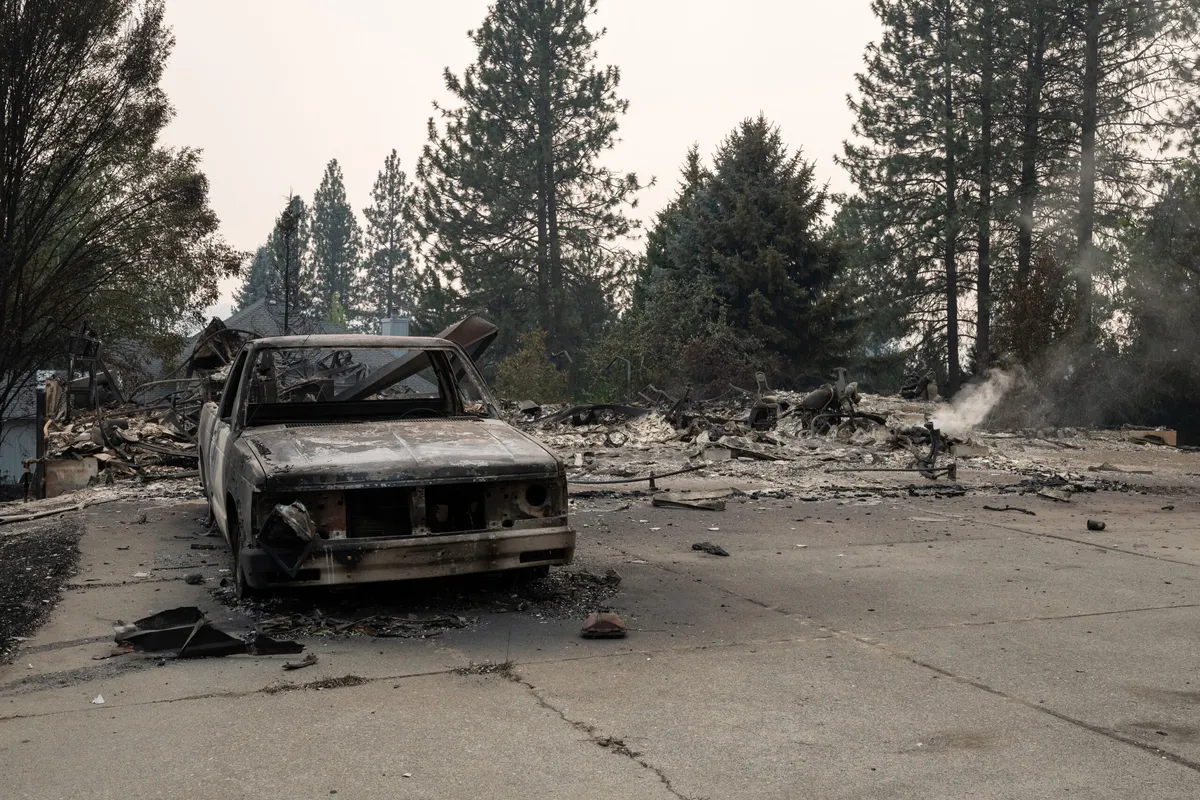
Wildfires across eastern Washington have led to mass evacuations and widespread destruction, marking a significant natural disaster with lasting implications for residents and insurance policies.
Related articles


Popular in Home Insurance
- 2026 Sees Below-Average Severe Convective Storm Losses: What It Means for Insurance
- El Niño and Wildfires: Preparing for a Fire-Prone Future
- Young Affluent Collectors: The Underinsurance Dilemma in Luxury Investments
- Wisconsin Property Owner Sues City and Insurers Over Contamination Cleanup Costs
- Rising Catastrophe Risks: How Europe’s Insurers Are Adapting to Climate Change