Wildfires Ravage Eastern Washington: A Community in Crisis
Wildfires across eastern Washington have led to mass evacuations and widespread destruction, marking a significant natural disaster with lasting implications for residents and insurance policies.
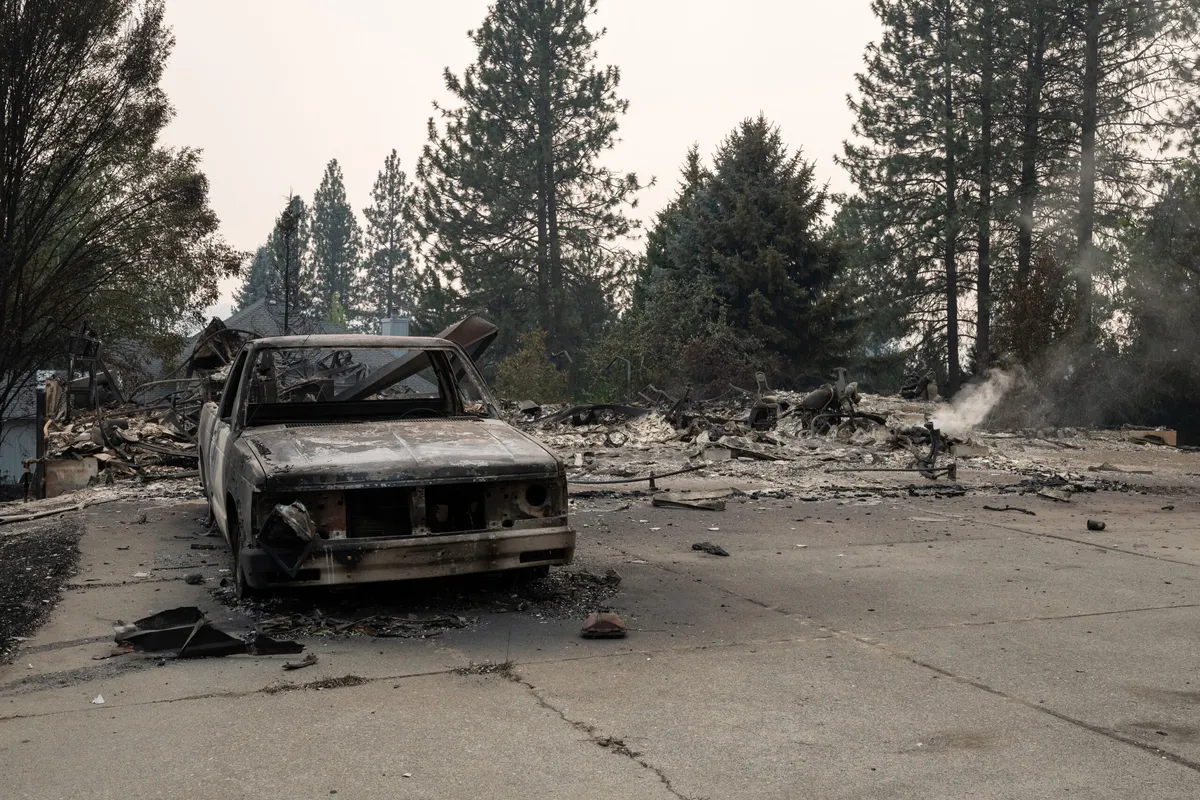
The recent wildfires sweeping through eastern Washington have caused catastrophic destruction, uprooting thousands of lives and leaving entire communities in disarray. Mayor Lisa Brown of Spokane characterized the situation as "the worst natural disaster our region has faced," a sentiment echoed by many residents who have witnessed their homes and livelihoods consumed by flames. As of the latest updates, over 10,000 residences have been evacuated, and the fires have destroyed hundreds of structures across the region.
As of Sunday afternoon, the flames from several active incidents—the Old Trails fire, Fairview fire, and Autumn Lane fire—have collectively scorched thousands of acres, with the Old Trails fire alone consuming 3,619 acres. These incidents have resulted in emergency declarations, federal assistance requests, and the mobilization of National Guard troops to assist local authorities in managing the crisis.
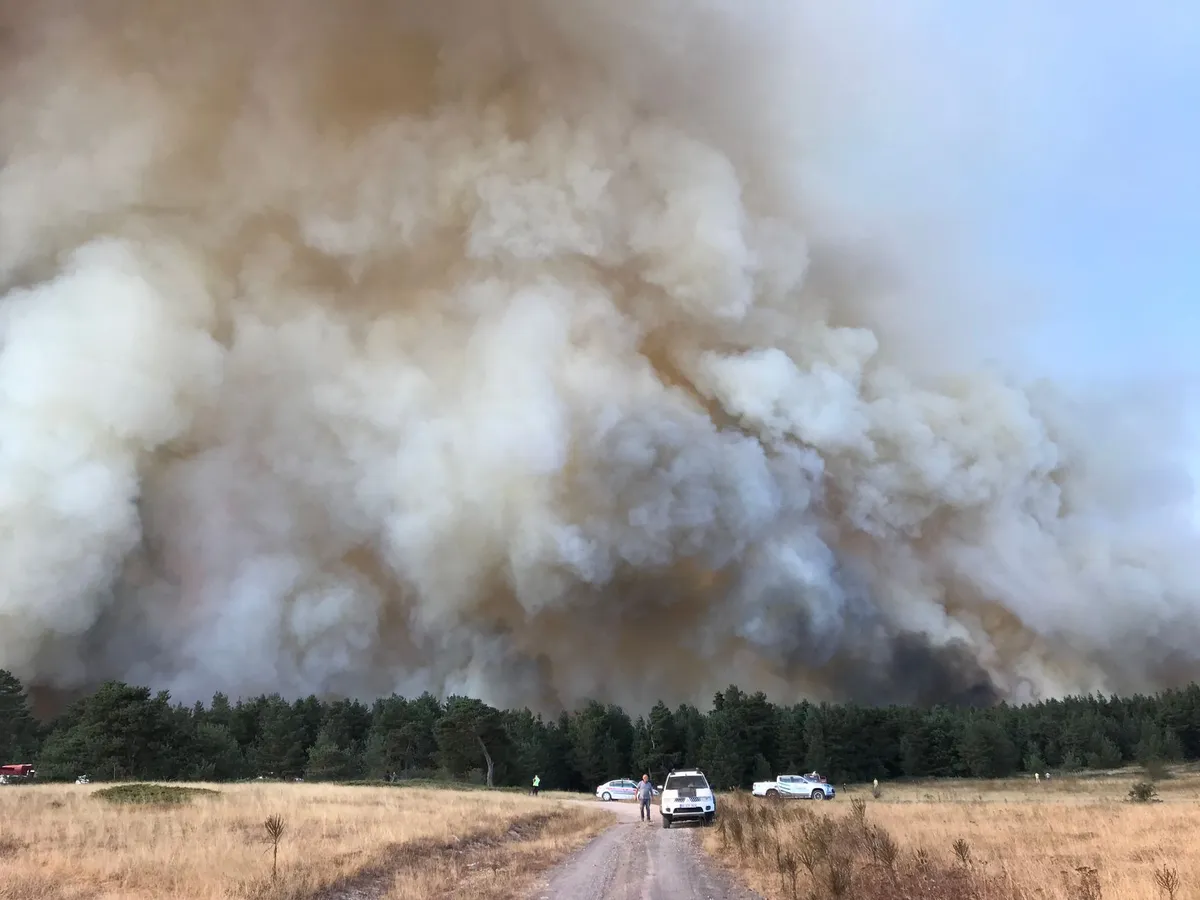
The Scale of the Disaster
The severity of the wildfires is underscored by the scale of evacuations and destruction reported. Spokane Police Chief Kevin Hall confirmed that approximately 60,000 people were evacuated from the metropolitan area, which has a population of about 600,000. Given this level of disruption, many residents are now grappling with the immediate aftermath: loss of property, displacement, and uncertainty about the future.
Governor Bob Ferguson has remarked on the profound impact these fires have had on Washingtonians, expressing empathy for those who have lost everything in a matter of hours. Fortunately, as of now, there have been no reported serious injuries or fatalities, a small comfort amidst the devastation.
Understanding Insurance Implications
The aftermath of such wildfires raises critical questions about insurance coverage and the ability of residents to recover financially. Homeowners and renters insurance typically covers fire damage, but the specifics can vary widely based on policy terms. Here are some key points for residents to consider:
- Review Your Policy: Homeowners should thoroughly review their insurance policies to understand what is covered. Look for clauses related to fire and natural disasters.
- Documentation: Document losses by taking photos and making lists of damaged property. This will be essential when filing claims.
- Temporary Housing: Many policies include coverage for temporary housing if your home is uninhabitable due to fire damage.
- Claims Process: Be prepared for the claims process to take time, especially in large-scale disasters, where many residents will be filing claims simultaneously.
Federal Assistance and Emergency Declarations
In response to the crisis, Governor Ferguson declared a statewide emergency, enabling access to federal resources and assistance. He reached out to President Donald Trump and Homeland Security Secretary Markwayne Mullin to expedite an emergency declaration, which can provide necessary funding for recovery efforts. The Federal Emergency Management Agency (FEMA) often plays a crucial role in disaster recovery, providing aid to affected individuals and communities.
Community Response and Support
As the fires rage on, local and state authorities have mobilized resources to support affected residents. Emergency centers have been established at local venues such as the Spokane Convention Center to assist displaced individuals and families. These centers provide essential services, including shelter, food, and medical assistance for those affected by the fires.
The Washington National Guard has deployed 100 members to assist local law enforcement and emergency responders. Major General Gent Welsh reassured residents that the National Guard's presence is solely for the purpose of community support and safety.
Long-term Considerations and Preparedness
The wildfires in eastern Washington are not an isolated incident; they are part of a growing trend of extreme weather events exacerbated by climate change. Elevated fire risks are expected to persist, not just in Washington but across multiple states. Residents should take proactive steps to prepare for future emergencies:
- Fire Safety Plans: Develop a family emergency plan that includes escape routes and communication strategies.
- Home Hardening: Consider implementing fire-resistant landscaping and building materials to reduce vulnerability.
- Stay Informed: Keep abreast of local alerts and updates regarding fire risks and emergency preparedness information from local authorities.
Key Takeaways
- Wildfires in eastern Washington have led to widespread evacuations and destruction.
- Residents should review their insurance policies to understand coverage for fire damage.
- Emergency declarations enable access to federal resources for recovery efforts.
- Community support services are in place for displaced individuals and families.
- Preparation and awareness are crucial for mitigating future fire risks.
Frequently Asked Questions
What should I do if my home has been damaged by a wildfire?
If your home has been damaged, the first step is to ensure your safety and that of your family. Once safe, document the damage by taking photographs and making lists of affected items. Contact your insurance provider as soon as possible to initiate the claims process. They will guide you through the necessary steps to assess the damage and file a claim.
How can I prepare for future wildfires?
Preparation for future wildfires involves creating a comprehensive emergency plan for your family. This plan should include evacuation routes, communication strategies, and a designated meeting point. Additionally, consider fire-resistant landscaping and home improvements to reduce vulnerability to wildfires. Regularly review and update your plan as conditions change.
What federal assistance is available for wildfire victims?
Federal assistance typically comes through FEMA, which offers various programs to help individuals and communities recover from disasters. This may include grants for temporary housing, home repairs, low-interest loans for business losses, and other forms of aid. Eligibility and the application process may vary, so it is essential to stay informed through official channels.
How can I stay informed about wildfires in my area?
Staying informed involves monitoring local news sources, following emergency management agencies on social media, and signing up for community alerts. Many areas have dedicated channels for emergency updates, which can provide real-time information about fire risks, evacuations, and safety precautions.
Comments
Edison Insurance Company Proposes Significant Rate Decrease in Florida
Edison Insurance Company has announced a statewide average rate decrease of 9.8% for homeowners' insurance in Florida. This shift, influenced by recent legislative reforms, presents new opportunities for agents and homeowners alike.

Related articles


Popular in Home Insurance
- 2026 Sees Below-Average Severe Convective Storm Losses: What It Means for Insurance
- El Niño and Wildfires: Preparing for a Fire-Prone Future
- Young Affluent Collectors: The Underinsurance Dilemma in Luxury Investments
- Wisconsin Property Owner Sues City and Insurers Over Contamination Cleanup Costs
- Rising Catastrophe Risks: How Europe’s Insurers Are Adapting to Climate Change