Home Insurance Premiums Surge: A Political Flashpoint for 2026 Elections
As home insurance costs rise sharply, they are becoming a significant concern for voters ahead of the 2026 midterms. With premiums increasing across the country, how will this affect political races and consumer choices?
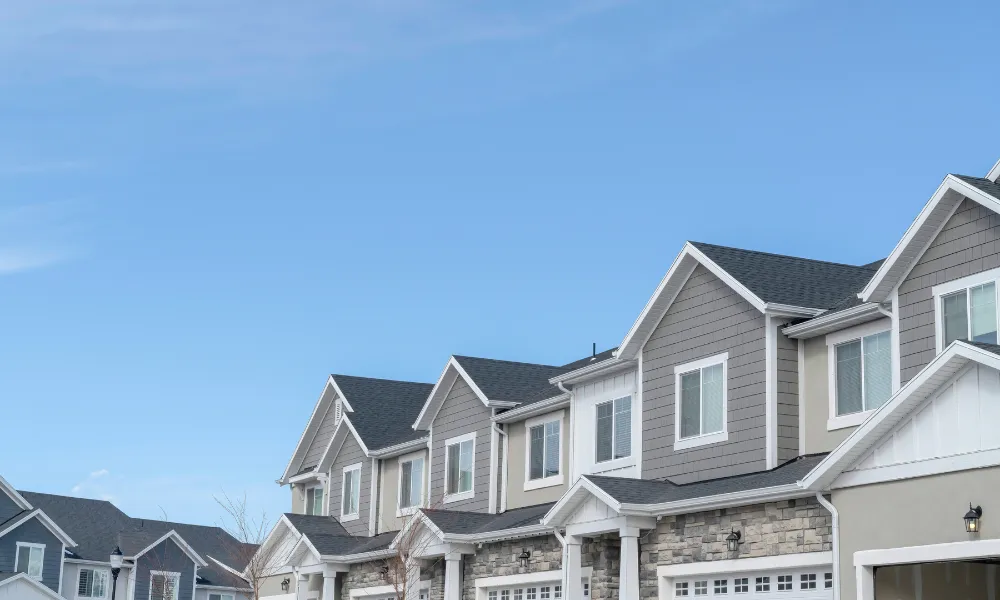
The landscape of home insurance in America is shifting dramatically, and not just in terms of premiums. With the 2026 midterm elections approaching, rising home insurance costs have emerged as a critical issue for voters, ranking alongside more traditional concerns like grocery prices and gas. In the past, homeowners might have viewed their insurance premiums as a mundane, fixed expense buried in mortgage statements. However, the reality of a 12% increase in average premiums in 2025—bringing the national average to nearly $2,948—has ignited a sense of urgency among consumers. As these costs continue to climb, expectations are that they will rise by another 4% by the end of 2026, further solidifying home insurance as a kitchen-table issue that could influence electoral outcomes.
Across the United States, homeowners are grappling with an alarming trend: a 46% increase in home insurance premiums since 2021. Each year seems to bring higher costs, particularly in disaster-prone areas. According to a recent report by the Government Accountability Office, while premiums generally align with inflation nationally, regions vulnerable to natural disasters are experiencing much steeper increases. For instance, coastal areas in North Carolina and Texas have seen their insurance costs soar over 50% in real terms, underscoring a growing crisis in the insurance market.
The Cost of Natural Disasters on Insurance Premiums
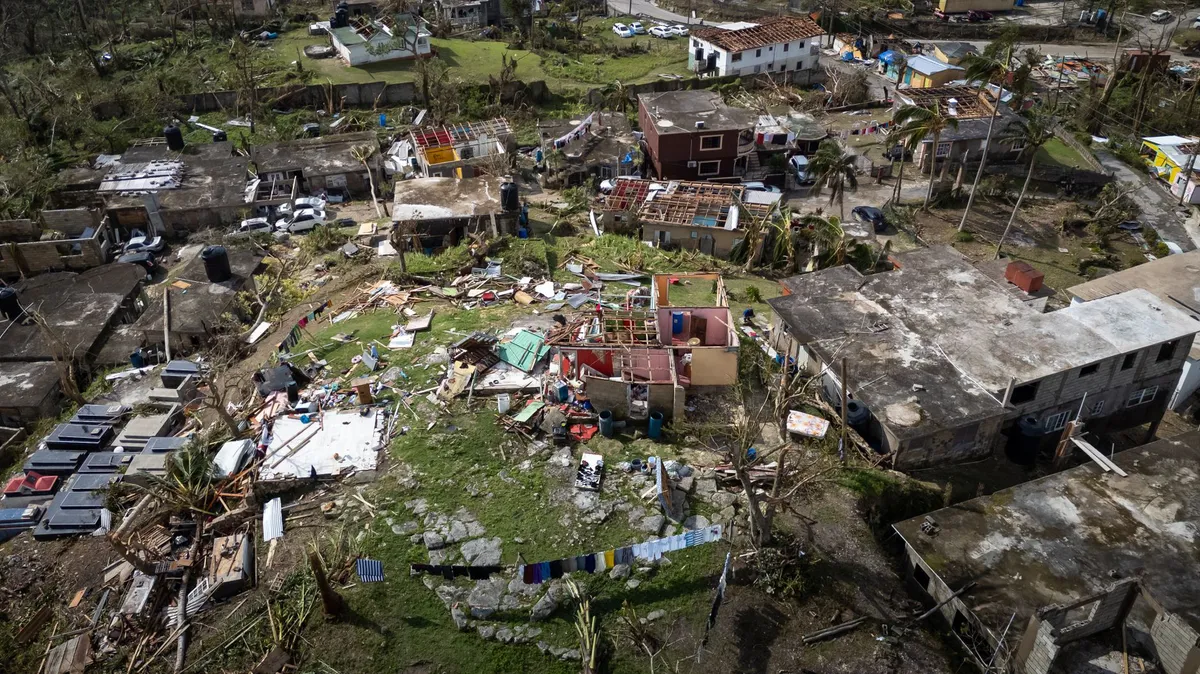
Natural disasters are a primary driver behind the surge in home insurance costs. In 2025 alone, severe weather events such as convective storms—which include hail, tornadoes, and high winds—resulted in an estimated $50 billion in insured losses, marking it as the third-costliest year on record for such incidents. Additionally, the devastating wildfires in Los Angeles added approximately $40 billion in losses, further contributing to the staggering total of $107 billion in insured catastrophe losses worldwide, with the U.S. accounting for a whopping 83%.
These figures paint a stark picture of the increasing financial burden homeowners face, especially in states like Florida, which has the highest average premiums in the nation at around $8,292. This figure reflects an 18% jump in 2025 and illustrates the unique challenges Floridians encounter in their quest for affordable coverage. The situation has spurred a notable shift in public sentiment, with 71% of Florida respondents believing that election outcomes directly impact their insurance costs. This sentiment is echoed across many states, particularly in the Midwest, where rising premiums are fueling calls for more significant action from elected officials.
Political Implications of Rising Home Insurance Costs
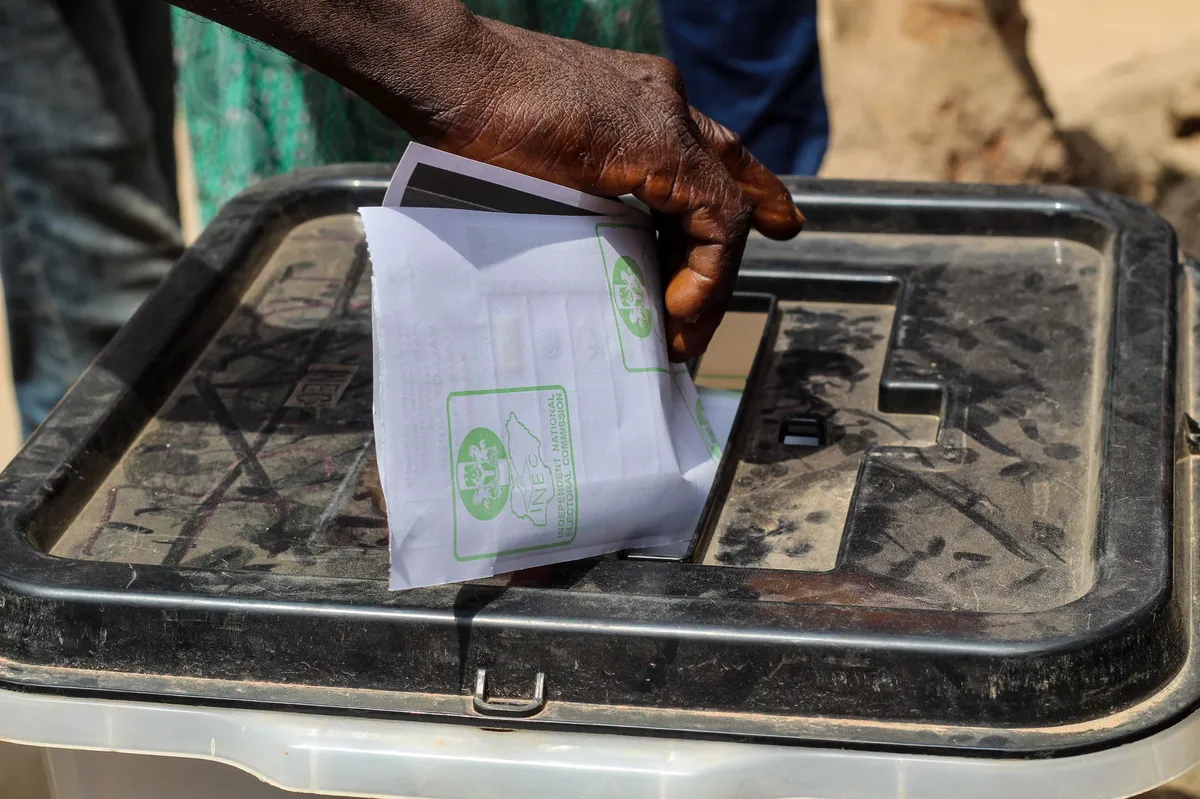
The interplay between home insurance costs and political action is becoming increasingly evident as the midterm elections approach. A recent survey conducted by Insurify revealed that 58% of respondents are more likely to vote due to rising insurance costs, with 61% believing state elections influence their insurance expenses. However, the awareness of who regulates these costs remains low, with only 26% indicating it will affect their voting decisions.
States like Florida exemplify the complex political landscape surrounding insurance affordability. Governor Ron DeSantis and Insurance Commissioner Mike Yaworsky have touted tort reforms as a solution, claiming an average rate cut of 8.7% for Citizens Property Insurance policyholders. Yet, despite these claims, many Floridians are still feeling the pinch of high premiums, with nearly half experiencing increases in just the past year. This disconnect between political rhetoric and consumer experience is creating a perfect storm for voter discontent, which could manifest in the November 2026 elections.
Regional Variations and Key State Elections
While Florida garners considerable attention, several other states are witnessing similar dynamics. In the Midwest, homeowners are increasingly vocal about their concerns, with a Climate Power/Insurance Fairness Project poll revealing that 75% are worried about rising premiums and 86% want more action from elected officials. Iowa, for example, experienced a staggering 28% increase in premiums in 2025, highlighting the urgency of the issue across various regions.
The 2026 elections are critical, especially for the 11 states where the insurance commissioner is an elected position. Among these, four states—California, Georgia, Oklahoma, and Kansas—are holding elections this November. In these states, significant rate increases were recorded in 2025, with Oklahoma experiencing the highest at 24%. As these elections unfold, the outcomes will likely dictate future insurance policies and premium rates, putting incumbents and challengers alike under pressure to address the mounting concerns of voters.
State-Specific Trends and the Role of Insurance Commissions
California stands out as a focal point in the upcoming elections, particularly given the implications of its Sustainable Insurance Strategy. This framework allows insurers to use predictive models when setting rates but requires them to offer more policies in high-risk areas. With the state's FAIR Plan enrollment surging by 43% following the LA wildfires, the pressure on the insurance market is palpable. In the upcoming election, two Democratic candidates—Jane Kim and Ben Allen—are competing to succeed term-limited commissioner Ricardo Lara, and the stakes couldn't be higher as they inherit a market in turmoil.
In Georgia, incumbent John King faces off against Democrat Keisha Sean Waites, who is campaigning on reforms that would eliminate ZIP-code and credit-score-based pricing, a move that resonates with voters concerned about affordability. Meanwhile, in Oklahoma and Kansas, the political climate is similarly charged, with candidates vying to address the high premiums that rank among the highest in the nation. Each of these races has the potential to reshape the way insurance is regulated and priced in their respective states, impacting consumers directly.

Federal Initiatives and the Future of Home Insurance
Despite the pressing concerns at the state level, federal initiatives have been slow to materialize. A proposed federal reinsurance facility, aimed at providing a safety net for state FAIR plans, has garnered attention but lacks traction in Congress. As the political landscape evolves, the necessity for a robust backup for last-resort coverage becomes increasingly apparent. Former California Insurance Commissioner Dave Jones has advocated for this solution, highlighting the challenges faced by residual-market backstops in a climate of rising costs and natural disasters.
As agents and brokers navigate this tumultuous environment, they must remain attuned to the political currents shaping the insurance landscape. The outcomes of the upcoming elections will undoubtedly influence rate filings, FAIR plan assessments, and the overall appetite for risk-based pricing models. For firms with significant business in high-risk areas, understanding the implications of these races is crucial for future operations and client relationships.
Key Takeaways
- Home insurance premiums are rising significantly, with a projected increase of 4% by the end of 2026.
- Natural disasters are the primary driver behind escalating costs, particularly in disaster-prone regions.
- Voter sentiment is shifting, with rising insurance costs becoming a significant electoral issue in the 2026 midterms.
- Key state elections, especially for insurance commissioners, could reshape the insurance landscape and influence future rates.
- Federal initiatives to address affordability are currently lacking, highlighting the need for state-level action.
Frequently Asked Questions
How have home insurance premiums changed in recent years?
Home insurance premiums have seen a dramatic increase over the past few years. In 2025, the average premium rose to $2,948, marking a 12% increase from the previous year. Over the past four years, premiums have surged by 46%, primarily driven by the rising frequency and severity of natural disasters across the country.
What factors are contributing to the rising costs of home insurance?
Several factors are driving up home insurance costs, with natural disasters being the most significant. Events such as severe storms and wildfires have resulted in billions of dollars in insured losses, leading insurers to raise premiums to cover increasing risks. Additionally, regional variations in climate and regulatory environments further complicate pricing across different states.
How will the political landscape impact home insurance rates?
The political landscape is poised to have a significant impact on home insurance rates, particularly in states where insurance commissioners are elected. Upcoming elections will determine how aggressively regulators scrutinize rate filings and whether new reforms are implemented. Voter sentiment regarding rising premiums is likely to influence candidates' platforms, potentially leading to changes in the way home insurance is regulated.
What can consumers do to address rising insurance premiums?
Consumers facing rising home insurance premiums can take several proactive steps. Shopping around for coverage, seeking out discounts, and understanding the factors that influence rates can help homeowners find more affordable options. Additionally, engaging with local representatives and advocating for reforms can amplify consumer voices in the political discourse surrounding insurance affordability.
Comments
Spokane Wildfires Devastate Community: Impacts and Insurance Response
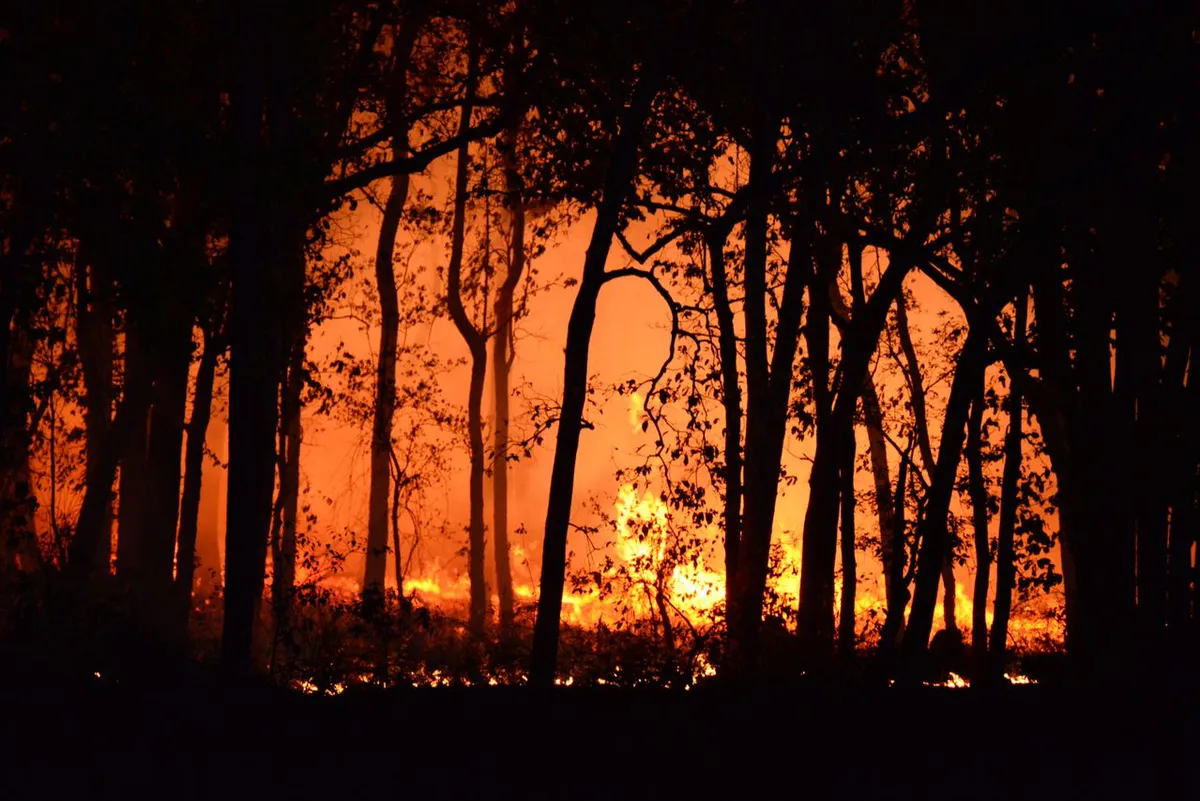
The recent Spokane wildfires have left over 700 structures destroyed and thousands evacuated. This article explores the implications for residents and the insurance landscape in the wake of this disaster.
Related articles
Popular in Home Insurance
- 2026 Sees Below-Average Severe Convective Storm Losses: What It Means for Insurance
- El Niño and Wildfires: Preparing for a Fire-Prone Future
- Young Affluent Collectors: The Underinsurance Dilemma in Luxury Investments
- Wisconsin Property Owner Sues City and Insurers Over Contamination Cleanup Costs
- Rising Catastrophe Risks: How Europe’s Insurers Are Adapting to Climate Change