Spokane Wildfires Devastate Community: Impacts and Insurance Response
The recent Spokane wildfires have left over 700 structures destroyed and thousands evacuated. This article explores the implications for residents and the insurance landscape in the wake of this disaster.
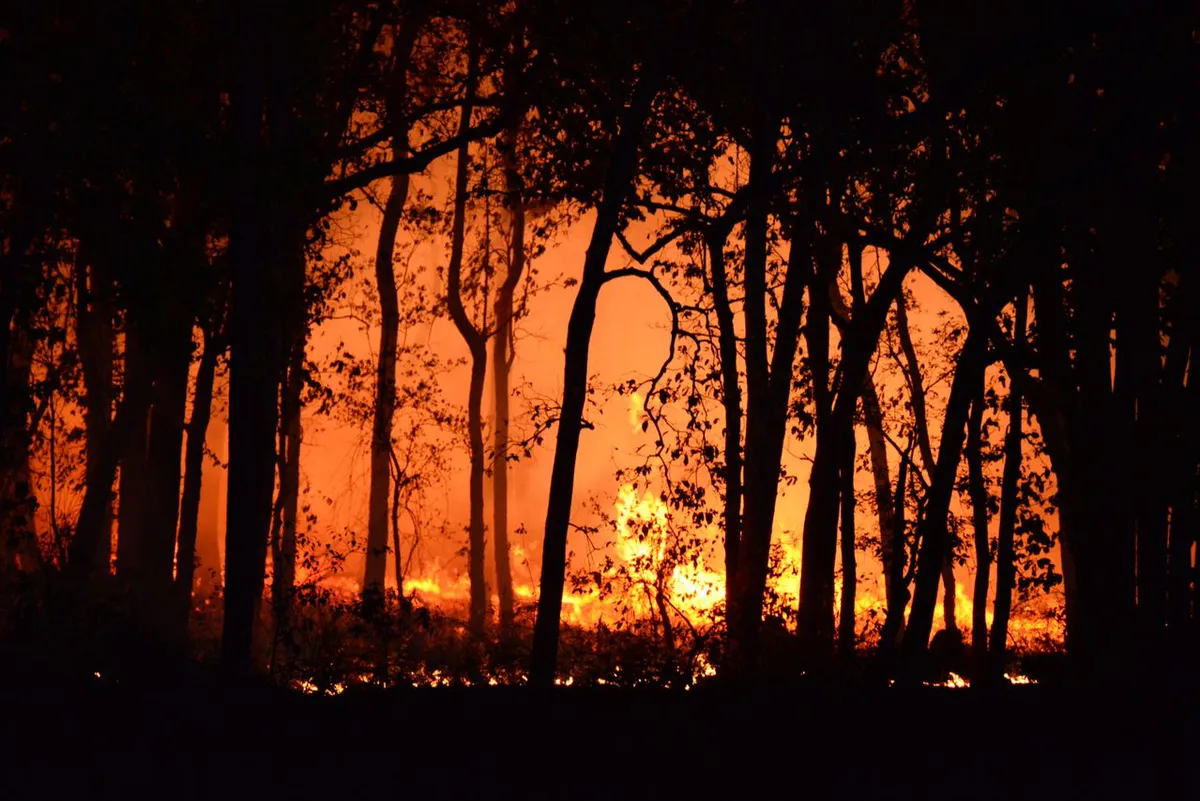
The Spokane area in Washington faced unprecedented devastation over the weekend of August 2 and 3, as wildfires swept through the region, destroying more than 700 structures and forcing tens of thousands of residents to evacuate. The fires, collectively known as the Spokane Complex, consumed nearly 8,000 acres with no containment in sight, leading to a state of emergency declared by Governor Bob Ferguson. This catastrophic event not only highlights the growing threat of wildfires in the region but also raises critical questions about insurance coverage and the response from major carriers like Farmers Insurance.
As the flames raged, three principal blazes emerged: the Old Trails Fire, which burned 3,619 acres; the Autumn Lane Fire at 3,351 acres; and the Fairview Fire, which accounted for 1,056 acres. Incident commander Tom Clemo reported that initial aerial assessments suggested that up to 1,100 structures may have been lost, although these figures remain preliminary. The scale of loss during this wildfire event is staggering, especially considering that Spokane's previous worst fire incident occurred in October 1991, which destroyed only 114 structures.
Understanding the Scope of the Wildfire Crisis
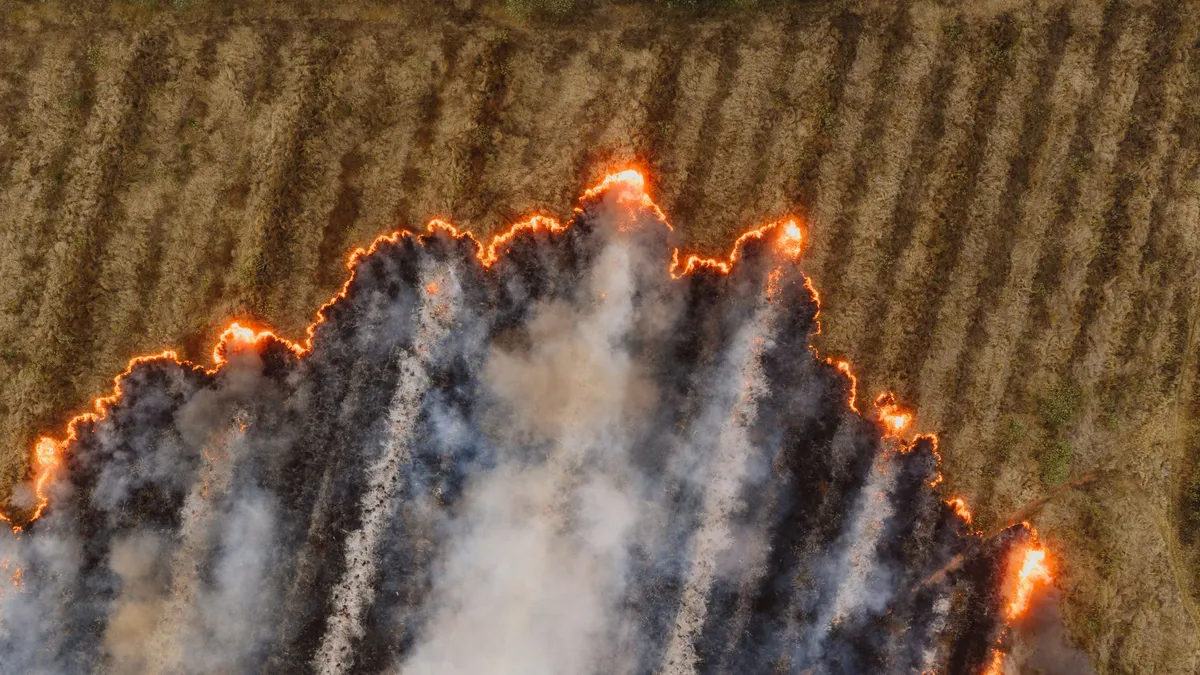
Wildfires are becoming an increasingly common and destructive force across the United States, with Washington state already having recorded over 1,000 fires this year, affecting approximately 425,000 acres. The Spokane wildfires are part of a broader national trend, where more than 35,000 fires burned over three million acres in the first half of the year. This alarming rise in wildfire activity is not just a natural disaster but a significant financial concern, as wildfire-related losses have surged from approximately 1% of total US insured catastrophe losses before 2015 to nearly 7% today.
- Over 3 million acres burned nationwide in the first half of 2023.
- Wildfire-related insured losses reached a staggering $40 billion after the January 2025 Southern California fires.
- Percentage-based wildfire deductibles are becoming more common.
Emergency Response: A Community in Crisis
In the immediate aftermath of the fires, Farmers Insurance sprang into action, deploying its catastrophe response team to assist affected policyholders. A mobile claims center was established at 5204 E. Sprague Ave., Spokane Valley, providing a vital resource for those impacted by the fires. Operating from 7 a.m. to 6 p.m., the center serves Farmers, Foremost, and Bristol West customers, allowing them to file claims in person, online, or via mobile applications. This proactive approach is essential in a crisis where the typical claims processes can be overwhelming for victims.
For many residents, understanding their insurance coverage options can be daunting, especially when faced with the loss of their homes and belongings. Farmers and Foremost customers can file claims by calling 1-800-435-7764, while Bristol West customers can reach out to 1-800-274-7865. The insurance landscape is rapidly changing, and affected individuals need to be aware of their rights and responsibilities when it comes to filing claims.
The Insurance Landscape: Changes and Challenges
The growing frequency and intensity of wildfires are forcing insurers and brokers to reevaluate their approaches. Following significant wildfire events, many carriers implement moratoriums on new policies or raise deductibles, particularly for properties in high-risk areas. This trend can create immediate challenges for brokers and policyholders alike.
For example, larger habitational risks are increasingly subject to percentage-based wildfire deductibles, which can significantly impact the out-of-pocket costs for homeowners. Instead of a standard deductible amount, these percentage-based deductibles could mean that a homeowner might need to pay 5% to 10% of their home's value before insurance kicks in. In a situation where a home is valued at $300,000, a 10% deductible would mean the homeowner is responsible for the first $30,000 of damage before the insurer pays.
The Importance of Preparedness and Awareness
As wildfires continue to pose a threat, homeowners need to take proactive steps to ensure they are adequately prepared. Understanding your insurance policy, including what is covered and the specifics of your deductible, is crucial. Here are some recommendations for homeowners:
- Review Your Policy: Make sure you understand your coverage limits, deductibles, and any exclusions that may apply.
- Inventory Your Belongings: Create a detailed inventory of your possessions, including photographs, to assist in the claims process.
- Stay Informed: Keep abreast of local fire conditions and updates from state and federal agencies.
- Consider Additional Coverage: Depending on your location, you may benefit from additional wildfire insurance coverage.
Key Takeaways
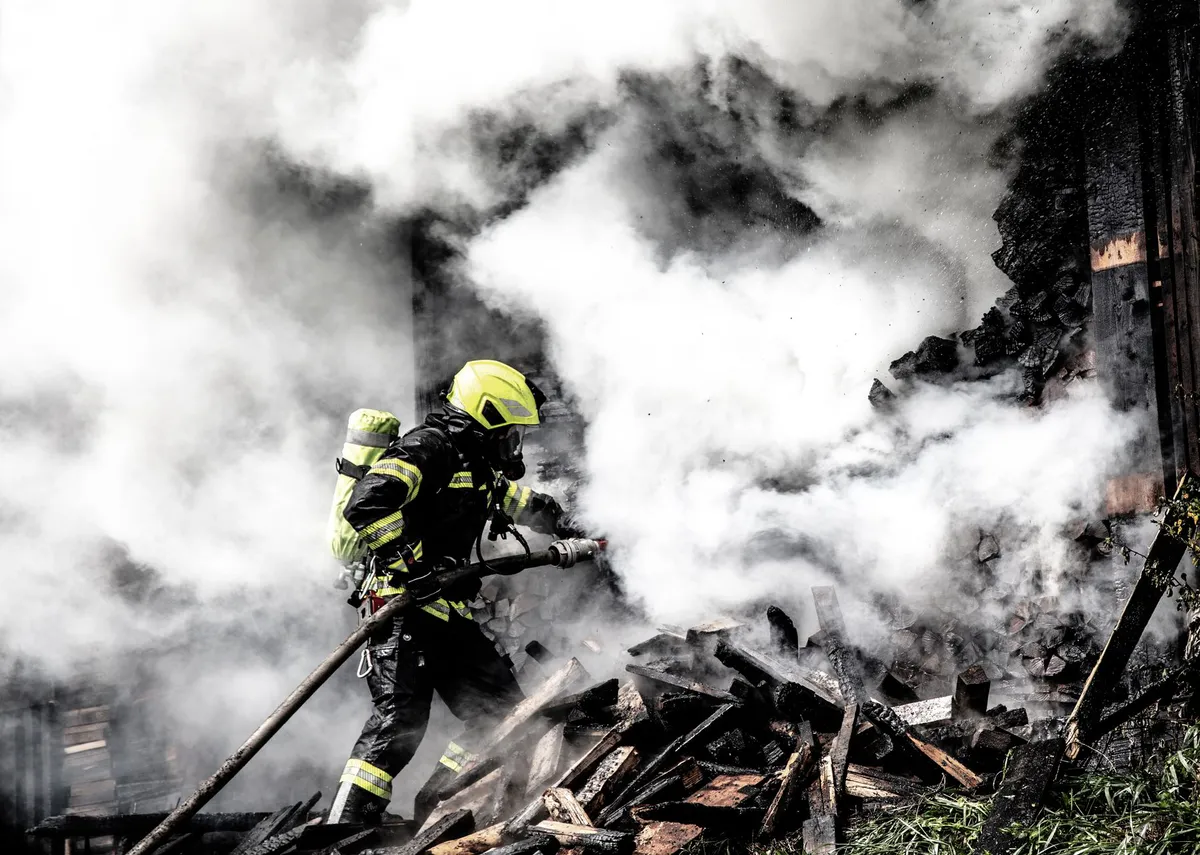
- The Spokane wildfires have destroyed over 700 structures, with claims processes now in full swing.
- Farmers Insurance has established a mobile claims center to assist affected customers.
- The insurance industry is adapting to rising wildfire risks, leading to changes in policy terms and deductibles.
- Homeowners should review their insurance policies and prepare for potential claims.
Frequently Asked Questions
What should I do if my home was affected by the Spokane wildfires?
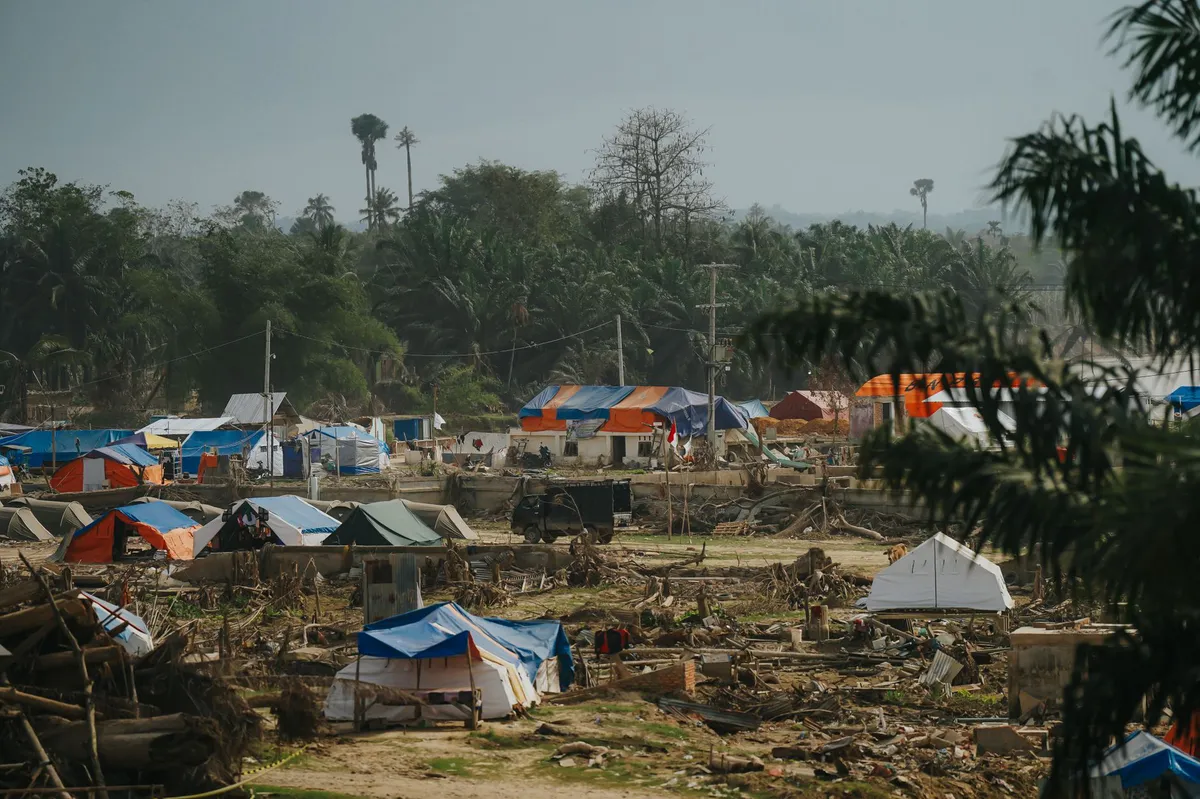
If your home was affected, it's crucial to file a claim as soon as possible. Reach out to your insurance provider to initiate the process and gather necessary documentation, such as photographs and an inventory of damaged property. Farmers Insurance has set up a mobile claims center in Spokane to assist policyholders directly, but claims can also be filed online or via phone.
How can I prepare for future wildfires?
Preparation is key to minimizing damage from wildfires. Homeowners should consider creating defensible space around their properties by clearing flammable materials and maintaining a fire-resistant landscape. It's also wise to keep emergency supplies ready and have an evacuation plan in place. Regularly reviewing your insurance policy will ensure you have adequate coverage tailored to your specific risks.
What changes can I expect in my insurance policy after this wildfire event?
In the aftermath of significant wildfire events, insurers may reassess their risk exposure and adjust policy terms for affected areas. This may include raising premiums, implementing moratoriums on new policies, or increasing deductibles. Homeowners should communicate with their insurance agents to understand any changes that may affect their coverage and costs.
Are there resources available for those affected by the Spokane wildfires?
Yes, numerous resources are available for individuals impacted by the Spokane wildfires. Local and state agencies often provide assistance, including temporary housing and financial support. Additionally, organizations like the American Red Cross can offer shelter and relief services. Always check with your local government and community resources for the most current information and support options.
Comments
Home Insurance Premiums Surge: A Political Flashpoint for 2026 Elections
As home insurance costs rise sharply, they are becoming a significant concern for voters ahead of the 2026 midterms. With premiums increasing across the country, how will this affect political races and consumer choices?
Related articles

Popular in Home Insurance
- 2026 Sees Below-Average Severe Convective Storm Losses: What It Means for Insurance
- El Niño and Wildfires: Preparing for a Fire-Prone Future
- Young Affluent Collectors: The Underinsurance Dilemma in Luxury Investments
- Wisconsin Property Owner Sues City and Insurers Over Contamination Cleanup Costs
- Rising Catastrophe Risks: How Europe’s Insurers Are Adapting to Climate Change