New Landslide Exposure Database Reveals Risks for 6.5 Million Americans
A groundbreaking Landslide Exposure Database uncovers the risks faced by 6.5 million Americans living in landslide-prone areas, shedding light on socioeconomic factors and regional vulnerabilities.

In the United States, landslides pose a significant and often underestimated risk, with annual damages ranging between $3 and $6 billion. As climate change intensifies, the frequency and severity of heavy rainfall—the primary trigger for landslides—are expected to increase, exacerbating the threat to millions of Americans. A new tool, the Landslide Exposure Database (LED), developed by researchers at the University of Washington, aims to bring clarity to this pressing issue. For the first time, this comprehensive database maps building-level landslide risks across the entire country, identifying approximately 6.5 million residents living in danger zones.
The implications of this database are profound, impacting not only homeowners but also policymakers and emergency management agencies. By providing detailed risk assessments combined with socioeconomic data, the LED offers insights into who is most vulnerable in the event of a landslide and how communities can better prepare for such natural disasters.

Understanding Landslide Risks in America
Landslides can occur as a result of various factors, including heavy rainfall, earthquakes, volcanic activity, and human activities such as construction or deforestation. According to the new study published in the journal Earth’s Future, nearly 20% of the land in the U.S. is at risk of landslides, yet this area is home to only about 2% of the nation’s population. This disparity highlights the localized nature of landslide risks, primarily affecting residents in specific regions.
Where are At-Risk Areas Located?
The LED has revealed that the majority of Americans living in landslide-prone areas are concentrated in two main regions: the Appalachian Mountains and the West Coast. West Virginia has been identified as the state with the highest proportion of at-risk residents. The database offers a detailed mapping of terrain susceptibility and building occupancy, enabling residents and local governments to understand their risk levels better.
Socioeconomic Factors and Vulnerability
One of the database's critical innovations is its integration of socioeconomic data, allowing for a comprehensive analysis of the vulnerability of different populations living in landslide-prone regions. The research team utilized various datasets, including information from the U.S. Census Bureau that encompasses income levels, disability status, vehicle access, and housing conditions. These factors cumulatively influence a community's ability to respond to and recover from disasters.
Urban vs. Rural Vulnerabilities
The analysis uncovered a striking urban-rural divide regarding landslide risk. Urban residents living in hillside neighborhoods are often more affluent, possessing greater resources to recover from the financial impacts of a landslide. In contrast, rural populations typically face more significant economic constraints, making them more vulnerable to the effects of landslides. In these rural areas, residents often lack access to emergency services and resources necessary for preparedness and recovery. This disparity emphasizes that a “one-size-fits-all” approach to landslide mitigation is not feasible; instead, tailored strategies must be developed.
Policy Implications and Recommendations
The findings from the LED provide vital information for government agencies and emergency management planners. Understanding where the highest concentrations of at-risk residents live allows for prioritized resource allocation toward landslide education and mitigation strategies. For instance, in rural Appalachia, there may be a need for early warning systems that effectively communicate with dispersed populations. Conversely, in urban centers like Seattle or San Francisco, regulations may be necessary to discourage construction on unstable slopes.
Building Community Resilience
As Joseph Wartman, a co-creator of the database, notes, the goal of this project was not merely to compile data but to create a tool that can empower residents and decision-makers alike. By allowing individuals to assess their risk level directly, the LED fosters personal accountability and community resilience. Wartman explains that many individuals have reached out, seeking to understand their specific risks—now, they have a resource they can consult.

What Homeowners Should Know
For homeowners living in landslide-prone areas, understanding the risks is the first step toward preparedness. Here are some essential tips:
- Know Your Risk: Utilize the Landslide Exposure Database to determine if your property is in a landslide-prone area.
- Evaluate Your Property: Consider conducting a professional hazard assessment, particularly if you live near steep slopes or in areas with a history of landslides.
- Prepare an Emergency Plan: Develop a family emergency plan that includes evacuation routes and communication strategies in the event of a landslide.
- Consider Insurance Options: Review your homeowners insurance policy to see if it covers landslide-related damages or consider additional coverage if needed.
- Stay Informed: Keep abreast of local weather forecasts and alerts, especially during heavy rainfall seasons.
Key Takeaways
- 6.5 million Americans live in areas at risk of landslides, primarily in Appalachia and the West Coast.
- The Landslide Exposure Database offers a comprehensive mapping of landslide risks combined with socioeconomic factors.
- Urban residents in landslide-prone areas generally have more resources compared to their rural counterparts.
- Tailored disaster preparedness strategies are essential for different regions to effectively mitigate risks.
- Homeowners should assess their risks and consider insurance options to protect against landslide damages.
Frequently Asked Questions
What is a landslide, and what causes them?
A landslide is the downward movement of rock, earth, or debris on a slope, usually triggered by factors such as heavy rainfall, erosion, earthquakes, or human activities. Landslides can vary in size and can occur suddenly, presenting significant risks to property and human life.
How can I find out if my home is at risk for a landslide?
The Landslide Exposure Database provides an accessible online resource where individuals can check if their property is located in a landslide-prone area. Homeowners can enter their address to assess the risk and learn more about the specific vulnerabilities of their region.
What should I do if I live in a landslide-prone area?
If you live in a landslide-prone area, it’s crucial to understand your risk and take proactive measures. This includes evaluating your property for potential hazards, developing an emergency plan, and reviewing your insurance coverage to ensure you are protected against landslide damages.
Are there any government resources available for landslide education and prevention?
Yes, various government agencies, including the U.S. Geological Survey (USGS), provide resources and information on landslide risks, prevention measures, and emergency preparedness. Local emergency management agencies may also offer educational programs and resources tailored to specific communities.
Comments
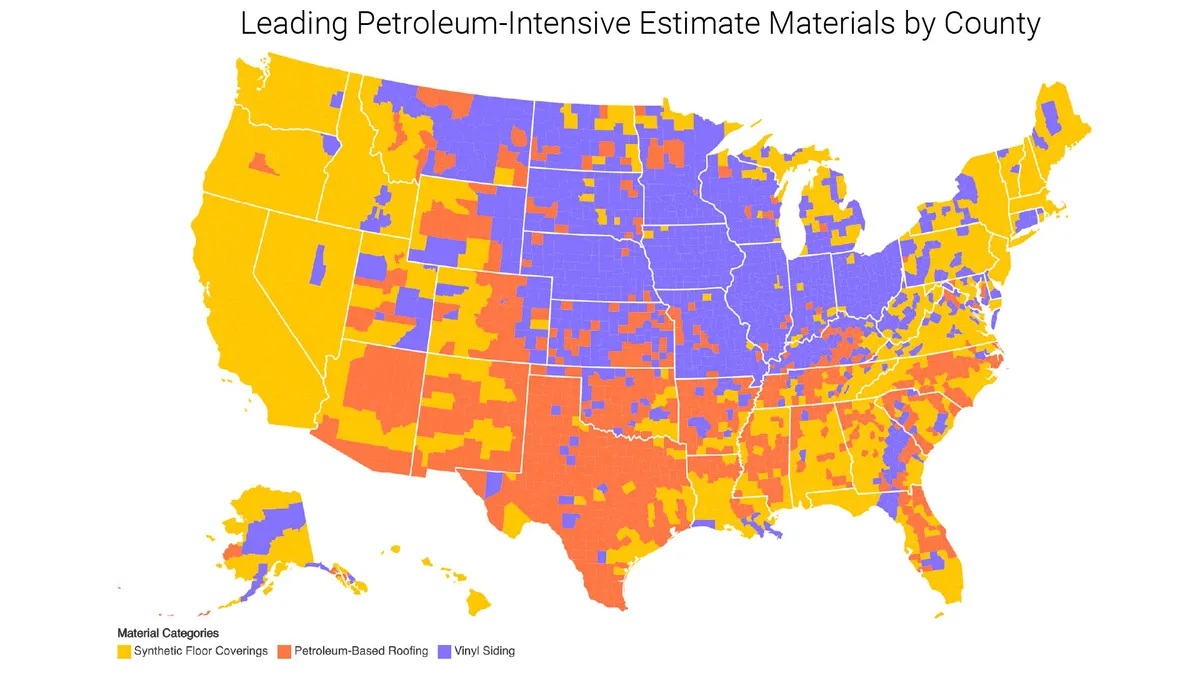
Navigating the Complex Landscape of Oil-Related Claims Across the U.S.
The recent surge in oil prices has led to significant variations in claims costs across the United States, affecting everything from roofing to siding. This article explores how geopolitical tensions and market fluctuations impact regional claims and provides actionable insights for consumers and businesses alike.
Related articles
Popular in Home Insurance
- 2026 Sees Below-Average Severe Convective Storm Losses: What It Means for Insurance
- El Niño and Wildfires: Preparing for a Fire-Prone Future
- Young Affluent Collectors: The Underinsurance Dilemma in Luxury Investments
- Wisconsin Property Owner Sues City and Insurers Over Contamination Cleanup Costs
- Rising Catastrophe Risks: How Europe’s Insurers Are Adapting to Climate Change