Navigating the Complex Landscape of Oil-Related Claims Across the U.S.
The recent surge in oil prices has led to significant variations in claims costs across the United States, affecting everything from roofing to siding. This article explores how geopolitical tensions and market fluctuations impact regional claims and provides actionable insights for consumers and businesses alike.
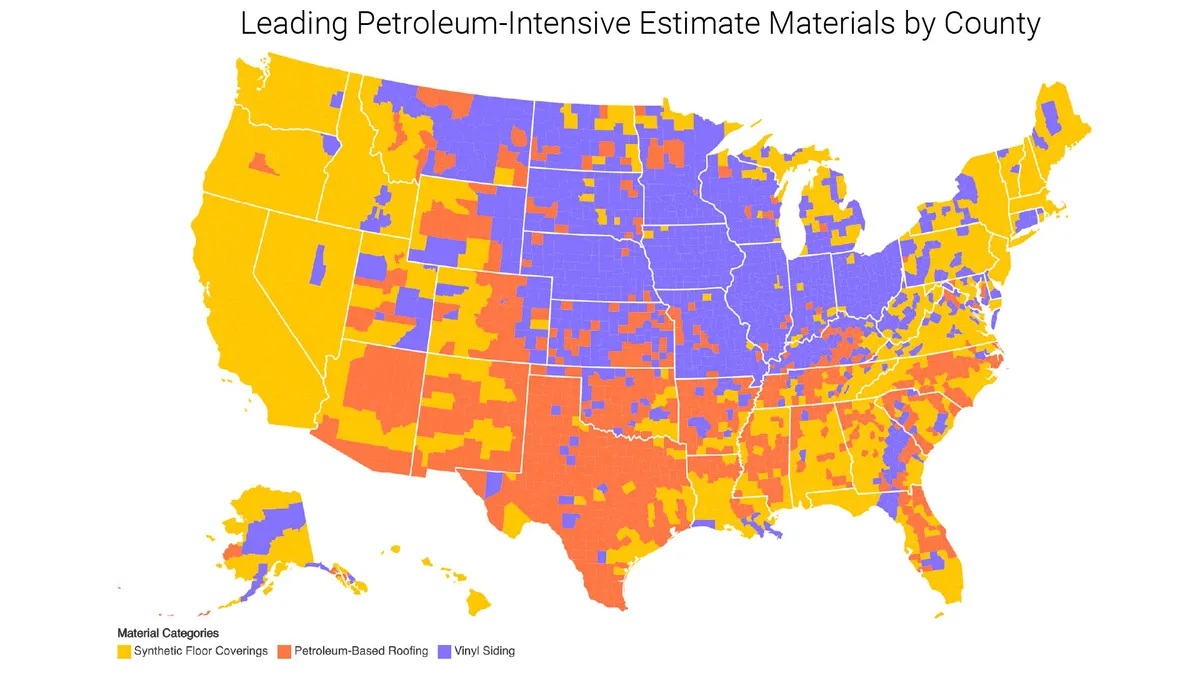
The recent surge in oil prices, driven by geopolitical tensions, has sent ripples through the insurance landscape, manifesting in significant variations in claims costs across different regions of the United States. As the price of crude oil fluctuated dramatically, particularly with the ongoing conflict in the Middle East, the implications for insurance claims have become increasingly complex, especially regarding materials derived from petroleum. Understanding these variations is crucial for homeowners, businesses, and insurance professionals alike, as they navigate the shifting terrain of claims related to roofing, flooring, and siding materials.
According to a new report from Verisk, a leading data analytics provider, three specific categories of materials—roofing, synthetic flooring, and vinyl siding—are particularly sensitive to oil price fluctuations. The report highlights that the national average for a gallon of regular gasoline has surged by nearly 37% since the onset of recent hostilities in the region, closing vital shipping routes such as the Strait of Hormuz. This escalation has driven crude oil prices to peaks of $120 per barrel, affecting economies not only in the U.S. but worldwide, as countries grapple with rising consumer prices across various sectors.

Understanding Claims Exposure by Region
The regional impact of oil-related claims is profound, with significant differences evident across the United States. States in the Midwest, for example, are experiencing pronounced claims related to vinyl siding, while southern states, often battered by storms, are facing increased costs associated with roofing materials. The report notes that wind and hail have accounted for approximately half of all property claims over the past five years, making them the primary drivers of exterior losses linked to petroleum-based materials.
The Data-Driven Approach
Verisk's analysis draws on five years of comprehensive data, smoothing out weather variations to provide a clearer picture of where claims costs are most affected by oil price volatility. Heather Ault, a principal claims consultant at Verisk, emphasizes the importance of this data: "Five years of data really allows us to pinpoint areas of heightened exposure related to key materials like roofing and vinyl siding. By integrating both claims data and consumer behavior insights, we can provide a more nuanced understanding of these regional differences." This data-driven approach enables claims professionals to substantiate their observations with concrete figures, enhancing their strategic decision-making processes.

Key Material Categories Affected
The report identifies several key material categories that are most susceptible to fluctuations in oil prices:
- Roofing: In states like Texas, the five-year replacement cost for petroleum-based roofing has reached a staggering $6.6 billion, indicating a significant financial exposure for insurers and homeowners alike.
- Synthetic Flooring: Costs associated with synthetic flooring materials have surged, particularly in areas like the West Coast and New England, where interior losses are more commonplace.
- Vinyl Siding: Missouri has recorded the highest losses in vinyl siding claims, totaling $166 million, underscoring the regional disparities in claims exposure.
These categories not only illustrate the direct impact of oil prices on material costs but also highlight the broader implications for claims management and insurance underwriting. The report serves as a valuable resource for claims departments, enabling them to leverage data to better understand the specific risks and exposures in their regions.

The Economic Ripple Effect
The ramifications of rising oil prices extend beyond mere claims costs; they also influence economic forecasts and consumer behavior. For instance, Japan has adjusted its growth forecast downward due to the implications of rising oil prices, while Australia sees increases in consumer prices across various sectors, from groceries to transportation services. In the U.S., the effects are similarly multifaceted, affecting everything from construction costs to consumer spending patterns.
Insurance professionals must remain vigilant in monitoring these economic indicators, as they can have cascading effects on claims volumes and settlement amounts. As the market adjusts to these fluctuations, understanding the broader economic context becomes vital for effective risk management.
What This Means for Homeowners and Insurers
For homeowners, especially those in regions with high exposure to oil-related claims, the findings of this report carry significant implications. Being aware of the materials most affected by price fluctuations can inform both purchasing and renovation decisions. For instance:
- Homeowners considering new roofing might want to lock in prices sooner rather than later, given the volatile nature of petroleum-related costs.
- Those in storm-prone areas should also consider the long-term implications of claims related to roofing and siding materials when selecting products for their homes.
Insurers, on the other hand, need to adapt their underwriting practices to account for these regional disparities in claims exposure. By incorporating data from reports like Verisk's into their pricing models, insurers can more accurately assess risk and set premiums that reflect the true cost of claims associated with oil-related materials.

Key Takeaways
- Claims costs vary significantly by region: The impact of oil price fluctuations on claims costs is not uniform across the U.S., with regional differences influencing material costs.
- Data is critical: Using comprehensive data helps insurance professionals make informed decisions about claims and underwriting.
- Homeowners should be proactive: Understanding the materials most affected by oil prices can inform better purchasing and renovation decisions.
- Economic factors matter: Rising oil prices can have broader economic implications that influence consumer behavior and insurance claims.
Frequently Asked Questions
How do rising oil prices affect insurance claims?
Rising oil prices can increase the costs associated with materials commonly used in construction and home repairs, such as roofing and siding. When the prices of these petroleum-based products rise, homeowners may face higher out-of-pocket costs when making claims, and insurers may experience increased claims payouts, impacting their financial stability.
What materials are most impacted by oil price fluctuations?
The materials most affected by oil price fluctuations include roofing, synthetic flooring, and vinyl siding. As oil prices rise, the costs to repair or replace these materials also tend to increase, leading to higher claims costs in regions where these materials are prevalent.
How can homeowners protect themselves from rising claims costs?
Homeowners can protect themselves by being proactive in their maintenance and renovation choices. This includes selecting materials that are less susceptible to price fluctuations and considering the timing of repairs or upgrades to avoid potential price increases driven by oil market volatility.
What role does data play in the insurance industry?
Data plays a crucial role in the insurance industry by providing insights into claims trends and regional exposures. Insurers use data analytics to refine their underwriting processes, set premiums, and develop strategies for risk management. Access to comprehensive data helps insurers and claims professionals make informed decisions that ultimately benefit both the insurer and the policyholder.
Comments
New Landslide Exposure Database Reveals Risks for 6.5 Million Americans
A groundbreaking Landslide Exposure Database uncovers the risks faced by 6.5 million Americans living in landslide-prone areas, shedding light on socioeconomic factors and regional vulnerabilities.

Related articles
Popular in Home Insurance
- 2026 Sees Below-Average Severe Convective Storm Losses: What It Means for Insurance
- El Niño and Wildfires: Preparing for a Fire-Prone Future
- Young Affluent Collectors: The Underinsurance Dilemma in Luxury Investments
- Wisconsin Property Owner Sues City and Insurers Over Contamination Cleanup Costs
- Rising Catastrophe Risks: How Europe’s Insurers Are Adapting to Climate Change