NOAA Forecasts Below-Normal Atlantic Hurricane Season for 2026
As the 2026 Atlantic hurricane season progresses, NOAA maintains its prediction for below-normal activity, emphasizing the importance of preparation despite reduced storm forecasts.
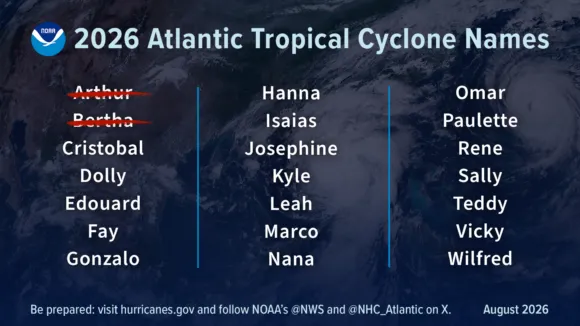
The Atlantic hurricane season, which runs from June 1 to November 30, is a critical time for coastal communities and those living in hurricane-prone areas. As we reach the midpoint of the 2026 season, the National Oceanic and Atmospheric Administration (NOAA) has reaffirmed its earlier forecast predicting below-normal storm activity. This forecast, which projects 7 to 13 named storms, with only a few expected to reach hurricane strength, has been met with a mix of cautious optimism and practical concern by meteorologists and residents alike.
According to NOAA's updated assessment, only 2 to 6 of these storms are expected to develop into hurricanes, and a mere 0 to 2 could be classified as major hurricanes. The forecast reflects a notable reduction from the average hurricane season, which typically sees 14 named storms, including 7 hurricanes and 3 major hurricanes. With the forecast suggesting a 75% chance of below-normal activity, it’s essential for communities to prepare for any storms that might impact their area, regardless of the predictions.
Understanding the Forecast: What It Means for Residents
NOAA's predictions serve as a crucial tool for emergency management and individual preparedness. The agency’s Director of the National Weather Service, Ken Graham, stresses the importance of being ready for every storm, as even tropical storms can cause substantial inland rainfall and subsequent flooding. For instance, Tropical Storm Arthur demonstrated how storms can wreak havoc, even if they do not reach hurricane status. Residents in at-risk areas should take the forecast seriously and ensure they have emergency plans and supplies ready.
Forecast Details
- Named Storms Expected: 7-13
- Hurricanes Expected: 2-6
- Major Hurricanes: 0-2
- Chance of Below-Normal Activity: 75%
- Chance of Near-Normal Activity: 20%
- Chance of Above-Normal Activity: 5%
The Role of El Niño in 2026's Hurricane Activity
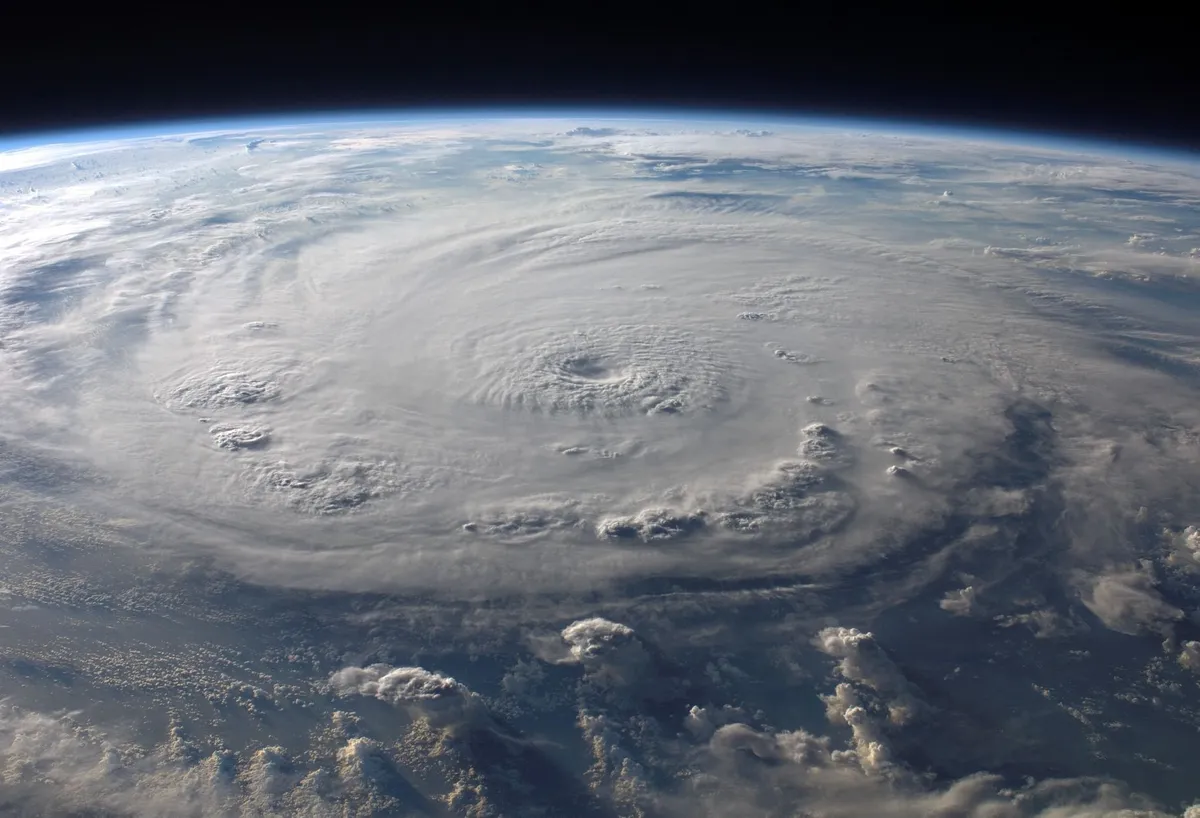
This year, the El Niño phenomenon, characterized by a warming of sea surface temperatures in the central and eastern Pacific Ocean, is playing a significant role in shaping hurricane activity. In a typical year, El Niño conditions correlate with reduced hurricane activity in the Atlantic due to increased wind shear—stronger winds aloft that can inhibit storm development. Matt Rosencrans, lead forecaster at NOAA, notes that as El Niño strengthens, it becomes the primary factor influencing the number and intensity of storms in the Atlantic basin.
While El Niño tends to suppress storms in the Atlantic, it can paradoxically enhance hurricane activity in the Eastern Pacific, where NOAA's outlook predicts an above-average season with 15 to 22 named storms. This discrepancy highlights the complex interactions between oceanic and atmospheric conditions that govern storm behavior.
Community Preparedness: Steps to Take Now
Given the unpredictability of tropical weather patterns, NOAA and emergency management officials urge residents to prioritize preparedness. Here are some essential steps to consider:
- Create an Emergency Plan: Develop a family emergency plan that includes communication strategies and evacuation routes.
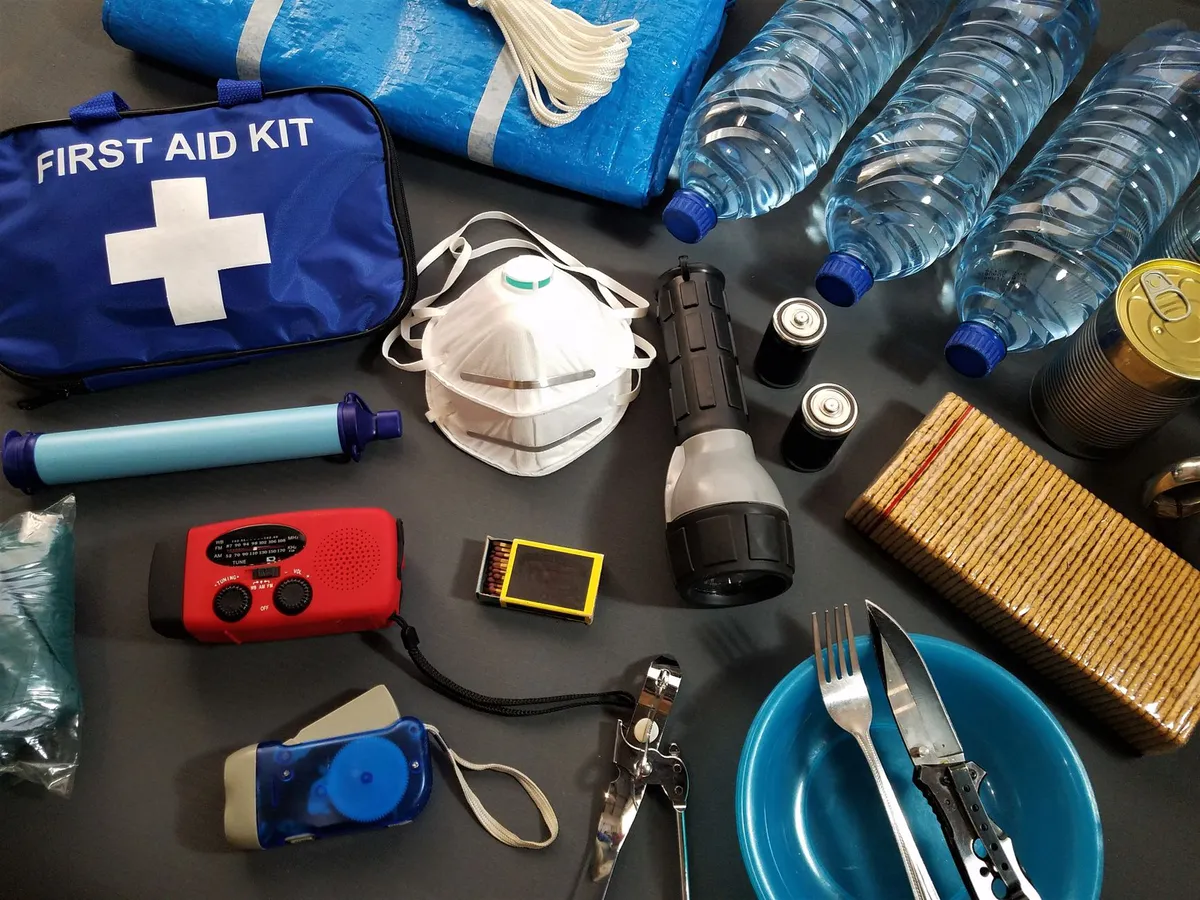
- Build an Emergency Kit: Stock a kit with essentials such as water, non-perishable food, medications, flashlights, batteries, and important documents.
- Stay Informed: Follow NOAA updates and local news for real-time information on storms and safety alerts.
- Know Your Insurance: Review your homeowners or renters insurance policy to understand your coverage for hurricane damage, including wind and flood damage.

The Economic Impact of Hurricane Seasons
The economic ramifications of hurricane activity extend beyond immediate property damage. Insurance markets, particularly in hurricane-prone areas, can face significant strains during active seasons. Higher premiums, tighter underwriting standards, and increased claims can impact homeowners, renters, and businesses alike.
For example, if a major hurricane were to make landfall, insurance claims could reach billions of dollars, leading to a spike in premiums for homeowners in subsequent years. Furthermore, businesses may experience disruptions due to damaged infrastructure, loss of inventory, and reduced customer traffic, which can generate lasting effects on local economies. The forecasted below-normal activity could provide some relief in terms of claims pressure on insurers and allow communities to recover more smoothly.
Key Takeaways
- NOAA predicts a below-normal Atlantic hurricane season for 2026, with 7-13 named storms.
- El Niño is a significant factor in reducing storm activity this year.
- Residents should prioritize emergency preparedness despite a lower forecast.
- Insurance implications could vary based on the season's activity.
Frequently Asked Questions
What should I do if a storm is forecasted to hit my area?
If a storm is forecasted, check local weather updates and follow any evacuation orders issued by authorities. Ensure you have an emergency kit ready, including food, water, and medications. Stay informed through NOAA and local news channels, and consider reaching out to neighbors to ensure they are also prepared.
How can I ensure my insurance covers hurricane damage?
Review your insurance policy carefully to understand your coverage limits and exclusions, especially regarding wind and flooding. Many standard homeowners insurance policies do not cover flood damage, so you might need a separate flood insurance policy. Consulting with your insurance agent can help clarify what your policy includes and what additional coverage you may need.
Why is it important to prepare for storms even in a below-normal season?
Even in seasons predicted to have below-normal activity, the potential for severe weather and flooding remains. Storms can change trajectories and intensify quickly, leading to unforeseen impacts. Preparedness is key to ensuring safety and minimizing damage, regardless of forecasts.
Comments
Understanding the Spokane Arson Fire: Causes, Impacts, and Insurance Implications
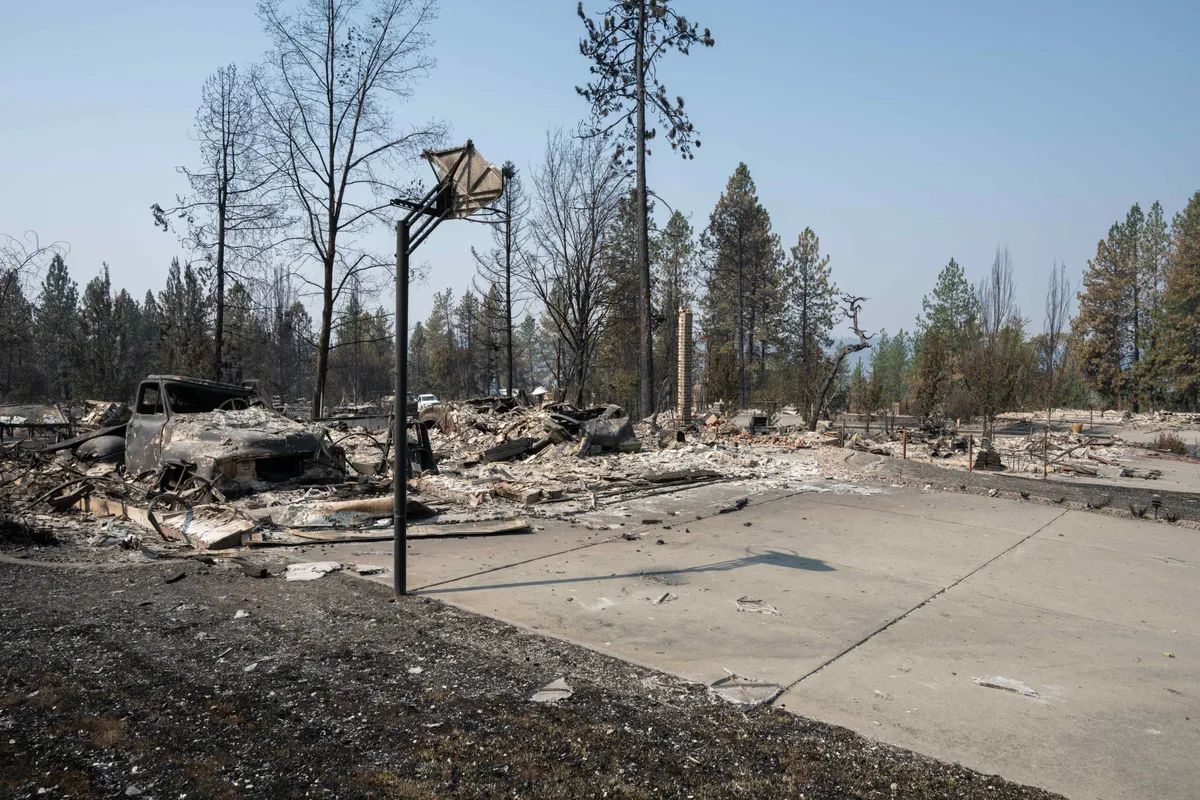
A recent arson fire in Spokane, Washington, has caused widespread destruction and raised significant concerns about wildfire risks and insurance coverage. This article explores the incident, its implications for residents, and what homeowners need to know about insurance in the wake of such disasters.
Related articles
Popular in Home Insurance
- 2026 Sees Below-Average Severe Convective Storm Losses: What It Means for Insurance
- El Niño and Wildfires: Preparing for a Fire-Prone Future
- Young Affluent Collectors: The Underinsurance Dilemma in Luxury Investments
- Wisconsin Property Owner Sues City and Insurers Over Contamination Cleanup Costs
- Rising Catastrophe Risks: How Europe’s Insurers Are Adapting to Climate Change