Understanding the Spokane Arson Fire: Causes, Impacts, and Insurance Implications
A recent arson fire in Spokane, Washington, has caused widespread destruction and raised significant concerns about wildfire risks and insurance coverage. This article explores the incident, its implications for residents, and what homeowners need to know about insurance in the wake of such disasters.
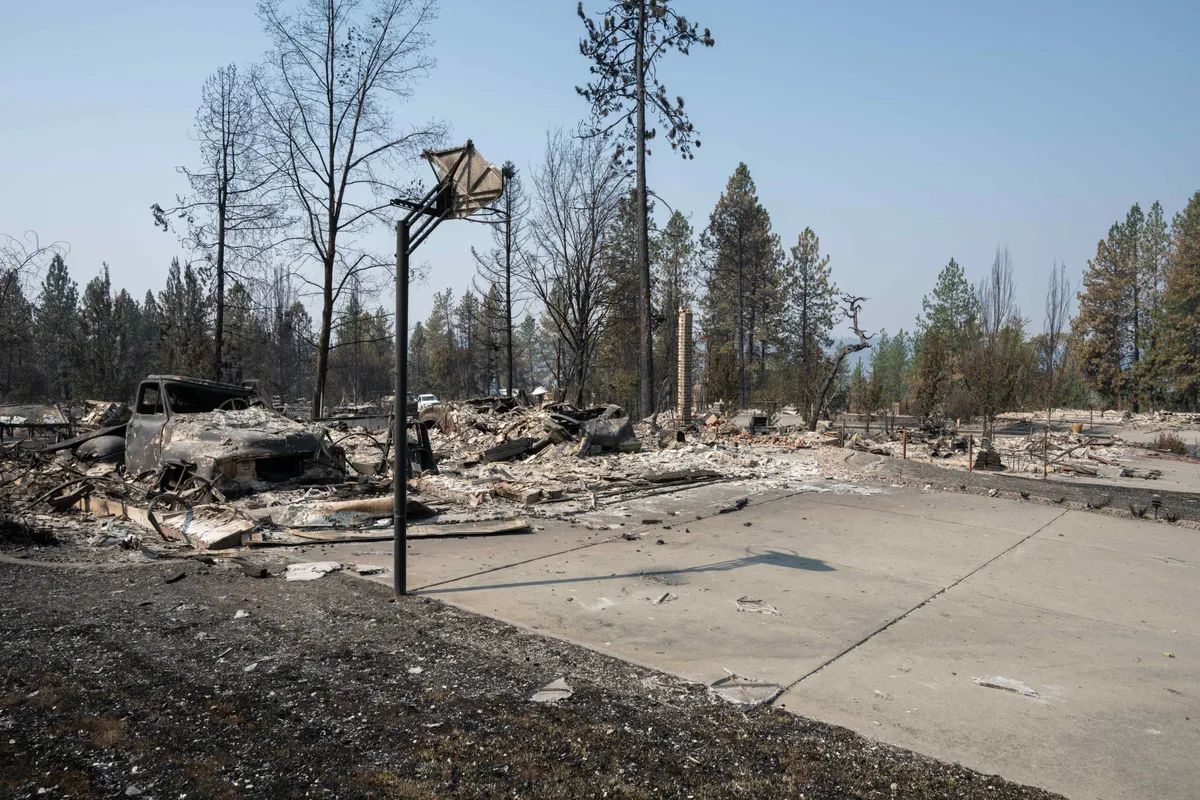
On August 7, 2026, a shocking revelation emerged from Spokane, Washington, as authorities arrested 37-year-old Aaron Farinacci for allegedly starting a devastating fire that destroyed nearly 700 buildings and forced approximately 70,000 people to evacuate their homes. The suspect reportedly timed the arson to coincide with a day forecasted to have high winds, illustrating a chilling premeditation that has left the community in disbelief. As the smoke from this fire and others in the region continues to plague air quality, the fallout from the incident raises critical questions about wildfire risks, emergency response, and the implications for insurance coverage in the wake of such disasters.
The Spokane fire is not an isolated incident; it is part of a broader trend of increasing wildfire activity across the western United States. With climate change fueling more frequent and severe wildfires, understanding the implications for residents, particularly in terms of insurance, is crucial.
Arson in Context: The Spokane Fire Incident
Farinacci's arrest was a stark reminder of the human factors that can exacerbate natural disasters. According to court documents, he admitted to starting other fires in the area over the past year, showcasing a troubling pattern of behavior. Detective Michael Drapeau noted that Farinacci waived his constitutional rights to speak with police, revealing his motives behind the arson.
This fire was one of 16 large blazes raging across Washington state at the time, contributing to a significant strain on local resources. The National Weather Service issued red-flag warnings across parts of the Pacific Northwest due to high winds, low humidity, and elevated temperatures, conditions that can lead to extreme fire behavior. As such, the Spokane area faced ideal conditions for wildfires, making the actions of Farinacci all the more reckless.
The Economic and Environmental Toll of Wildfires
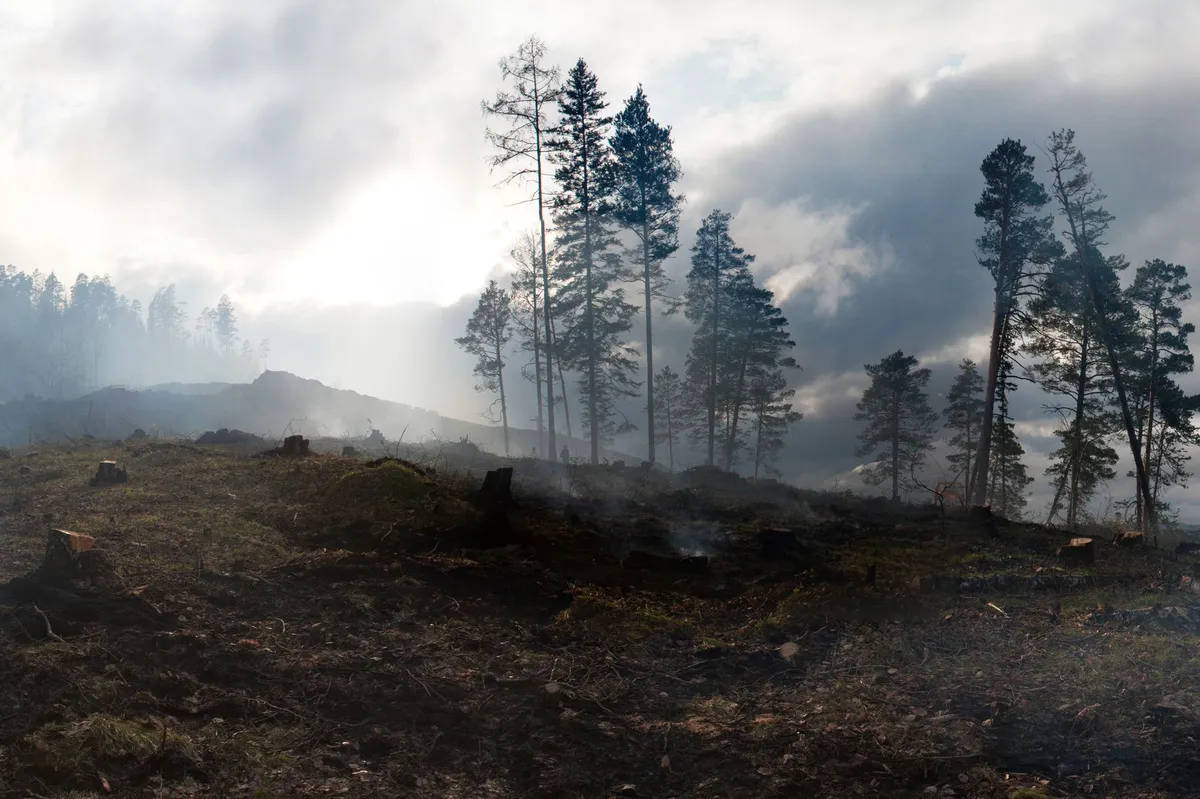
The economic and environmental impacts of wildfires are profound. In Spokane, the destruction of around 700 buildings represents not only a loss of property but also a potential long-term economic downturn for the region. The U.S. Postal Service has warned that deliveries could be delayed due to the ongoing fires, affecting businesses and residents alike. Beyond immediate financial losses, wildfires can lead to increased insurance premiums and a higher likelihood of policy cancellations for those living in high-risk areas.
According to the U.S. Drought Monitor, as of early August 2026, over 93% of Washington was experiencing abnormally dry conditions, with nearly 64% in drought. Oregon was similarly affected, with almost 91% of its lands classified as drought-stricken. The implications of these statistics extend far beyond the immediate disaster, hinting at long-term changes in land use, local economies, and community resilience.
Insurance Considerations for Homeowners
For homeowners in areas prone to wildfires, understanding insurance coverage is paramount. Here are some essential considerations:
- Wildfire Insurance Coverage: Homeowners insurance typically covers fire damage, but it is crucial to review policy details. Some policies may have exclusions or limitations for wildfire-related losses.
- Deductibles and Premiums: Wildfire-prone regions often see higher premiums and higher deductibles. Homeowners should evaluate their financial readiness in the event of a claim.
- Replacement Cost vs. Actual Cash Value: Policies may differ in how they reimburse for losses. Replacement cost coverage will pay to rebuild at current prices, while actual cash value accounts for depreciation.
- Preventative Measures: Many insurers offer discounts for implementing fire-resistant measures, such as creating defensible space around homes or using fire-resistant materials for roofing and siding.
- Emergency Preparedness: Having an emergency plan and a home inventory can expedite claims processing and ensure that homeowners receive compensation for their losses.
Community Response and Recovery Efforts
As the fires continued to burn, Washington’s governor called for federal assistance and invited President Biden to witness the devastation firsthand. Firefighters worked diligently to establish containment lines, allowing some evacuees to return home. However, with 16 active fires statewide, the situation remains precarious.
The emotional toll on residents cannot be overlooked. Evacuations disrupt lives, and the threat of losing homes can lead to anxiety and uncertainty. Community organizations and local government agencies often step in to provide support, offering resources for temporary housing, counseling, and financial assistance.
Looking Ahead: The Future of Wildfire Management
Wildfire management is becoming increasingly complex as climate change intensifies fire behavior. While firefighting techniques continue to evolve, the need for comprehensive wildfire strategies that include prevention, community education, and responsible land management is essential. Local governments must collaborate with federal agencies to develop effective response plans that can mitigate the impact of future wildfires.
Moreover, with predictions of an El Niño pattern emerging, which could lead to drier conditions across the Pacific Northwest, the region must brace for potential long-term changes in weather patterns. This not only affects fire risks but also influences insurance considerations and community resilience strategies.
Key Takeaways
- Wildfires are increasingly common, with human factors like arson exacerbating the risks.
- Homeowners should thoroughly review their insurance policies to understand coverage, premiums, and deductibles.
- Community response and recovery efforts are essential in the aftermath of wildfire incidents.
- Long-term strategies for wildfire management must address prevention and adaptation to changing climate conditions.
Frequently Asked Questions
What should homeowners do if their property is affected by a wildfire?
If your property is impacted by a wildfire, the first step is to ensure your safety and that of your family. Once safe, contact your insurance provider to report the damage and begin the claims process. Document all damages with photographs and maintain records of any temporary living expenses incurred. Your insurance agent can guide you through the claims process and advise on necessary documentation.
How can homeowners reduce their risk of wildfire damage?
Homeowners can mitigate wildfire risks by creating defensible spaces around their properties, which involves clearing flammable vegetation and using fire-resistant materials for roofing and siding. Regular maintenance of landscaping and keeping gutters clear can also help. Many local fire departments offer resources and guidance on how to make homes more fire-resistant.
What are the long-term effects of wildfires on property values?
Wildfires can significantly impact property values in affected areas. Homes that have survived fires may see a decrease in value due to perceived risks, while areas with repeated wildfire incidents may experience broader market declines. Homeowners should consult real estate professionals to understand local market trends and the potential impact on their property values.
What role does climate change play in increasing wildfire risks?
Climate change is contributing to more frequent and intense wildfires through rising temperatures, prolonged droughts, and shifting weather patterns. As these conditions become more common, areas previously considered low-risk may now face increased wildfire threats. Understanding these trends is crucial for homeowners and policymakers to develop effective strategies for mitigation and adaptation.
Comments
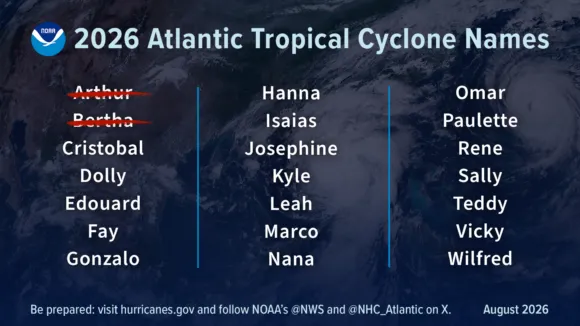
NOAA Forecasts Below-Normal Atlantic Hurricane Season for 2026
As the 2026 Atlantic hurricane season progresses, NOAA maintains its prediction for below-normal activity, emphasizing the importance of preparation despite reduced storm forecasts.
Related articles
Popular in Home Insurance
- 2026 Sees Below-Average Severe Convective Storm Losses: What It Means for Insurance
- El Niño and Wildfires: Preparing for a Fire-Prone Future
- Young Affluent Collectors: The Underinsurance Dilemma in Luxury Investments
- Wisconsin Property Owner Sues City and Insurers Over Contamination Cleanup Costs
- Rising Catastrophe Risks: How Europe’s Insurers Are Adapting to Climate Change