Navigating Wildfire Claims: Essential Guidance for Brokers and Clients
As wildfires rage across the Western U.S., understanding insurance claims and coverage is crucial for affected homeowners and agricultural clients. This article provides in-depth guidance on what brokers should communicate to clients about navigating wildfire-related claims, ensuring they are prepared for recovery and rebuilding.
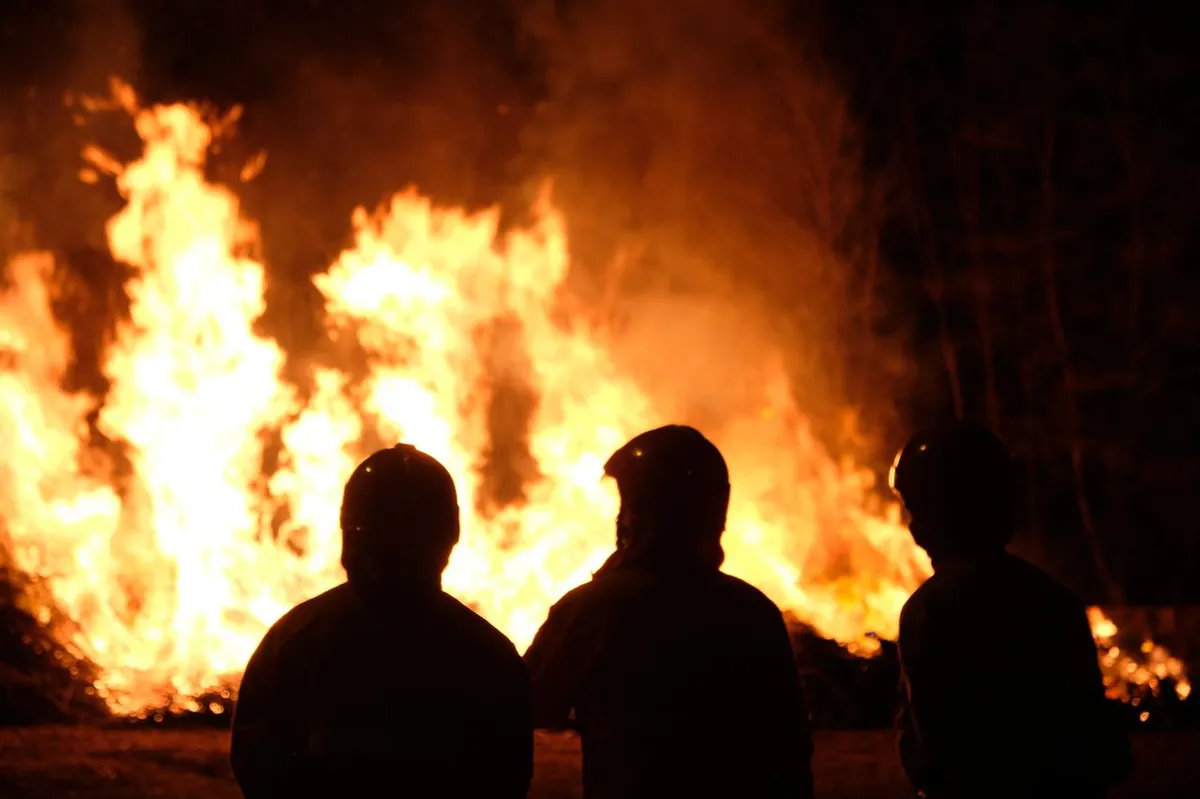
The ferocity of wildfires sweeping through the Western United States is a stark reminder of nature's unpredictability and the importance of preparedness. As firefighters grapple with 98 large uncontained wildfires across states like California, Idaho, Montana, Nevada, Oregon, and Utah, many homeowners and agricultural clients are left facing the aftermath of destruction. The American Property Casualty Insurance Association (APCIA) has issued critical guidance to help those impacted navigate the often-complex landscape of insurance claims and coverage. For brokers, understanding and communicating this information is essential for supporting clients through these challenging times.
With the National Preparedness Level at its highest designation, brokers should be proactive in their approach to client communication. Wildfire survivors are experiencing unprecedented difficulties, and the first step for anyone affected is to contact their insurer as soon as it is safe to do so in order to open a claim. As Karen Collins, APCIA's vice president for property and environment, emphasizes, "Wildfire survivors are facing extraordinarily difficult circumstances, and insurers are committed to helping policyholders recover and rebuild." This commitment underscores the necessity for brokers to facilitate immediate contact between clients and their insurance representatives, ensuring a smooth claims process.
Understanding the Claims Process
When a wildfire damages or destroys property, the claims process can become a lifeline for recovery. Brokers should advise clients to keep meticulous records of all emergency expenses incurred during this tumultuous time, such as temporary housing and meals. Many standard homeowners and renters policies offer Additional Living Expenses (ALE) coverage, which can provide reimbursement for these costs while clients rebuild.
Documenting Losses
Another crucial step is preparing an inventory of damaged personal property. Clients should compile a list as soon as possible, including photos, videos, and receipts, to support their claims. This documentation not only aids in expediting the claims process but also helps clients understand the full extent of their losses, an essential aspect when assessing underinsurance.
Assessing Insurance Coverage
Even for clients who have not yet suffered losses, now is a pivotal time to review their insurance coverage. The cost of rebuilding homes has surged by 49% since 2020, a staggering statistic that highlights the potential for many clients to be underinsured without realizing it. Brokers are encouraged to engage their clients in conversations about current policy limits, deductibles, and the importance of maintaining an up-to-date home inventory.
- Rebuilding Costs: The significant rise in rebuilding costs demands a thorough review of policy limits.
- Coverage Gaps: Many homeowners may not fully understand the extent of their coverage, especially in high-risk areas.
- Proactive Planning: Discussing placement options before a loss occurs can prevent coverage gaps.
The Agricultural Sector's Unique Challenges
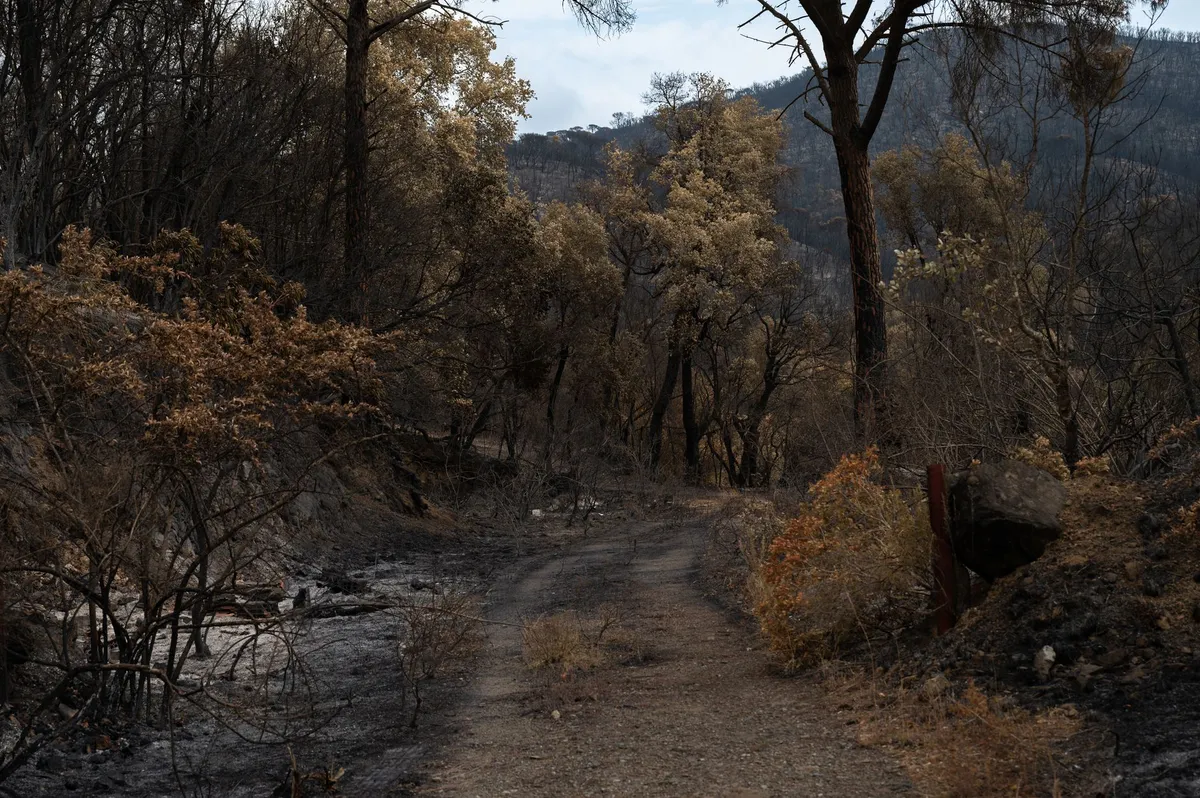
While residential clients face daunting challenges, agricultural clients, particularly those affected by the Big Grass Fire in Idaho and Oregon, encounter their own set of complexities. This fire has already scorched more than 553,000 acres, significantly impacting livestock on surrounding rangeland. For farmers and ranchers, the coverage situation may differ vastly from that of general homeowners. Livestock are typically insured separately, under policies like livestock mortality coverage, farm personal property, or a livestock endorsement.
Key Actions for Agricultural Clients
Brokers should emphasize the importance of immediate communication with insurers for agricultural clients who have lost livestock. They need to document losses with photographic evidence and GPS locations. Maintaining accurate records, including herd inventories, branding details, veterinary records, and sales records, is critical for supporting claims. As a precaution, clients should consult their adjusters before removing carcasses to ensure all documentation requirements are met. Lyn Elliott, APCIA's vice president for state government relations, highlights the importance of these steps, stating, "Farmers and ranchers who lose livestock in a wildfire should contact their insurer immediately, document all losses, maintain herd and inventory records, and keep receipts related to emergency response and recovery efforts."
Legislative Considerations and Future Actions
In light of the growing frequency and severity of wildfires, the APCIA has called on Congress to pass the Fix Our Forests Act, legislation aimed at improving forest management and reducing hazardous fuels on federal land. The urgency of this initiative is underscored by the ongoing challenges faced by families, businesses, and communities affected by wildfires. Collins emphasizes the need for immediate action, stating, "The growing frequency and severity of wildfires demand immediate action. Families, businesses, first responders, and communities across multiple states are paying the price for inaction."
This legislative push highlights the interconnectedness of insurance, environmental policy, and community safety. As brokers engage with clients, they should also educate them about the broader implications of wildfire management and the importance of supporting policies that aim to mitigate risks.

Key Takeaways
- Contact your insurer immediately after wildfire damage to begin the claims process.
- Keep detailed receipts and documentation of all emergency expenses and damaged property.
- Review your insurance coverage to ensure adequate limits, especially in light of rising rebuilding costs.
- Agricultural clients must document livestock losses and communicate with their insurers promptly.
- Support legislative efforts aimed at wildfire management and prevention.
Frequently Asked Questions
What should I do if my property is damaged by a wildfire?
The first step is to ensure your safety and the safety of others. Once it is safe, contact your insurance company to report the damage and begin the claims process. Document all losses and keep records of emergency expenses, as many insurance policies include coverage for these costs.
How can I prepare for potential underinsurance due to rising rebuilding costs?
To avoid underinsurance, review your policy limits regularly, especially in light of the rising costs of materials and labor. Maintaining an updated inventory of your home’s contents, including photos and receipts, can provide a clearer picture of your coverage needs. Consult with your broker to understand your current coverage and make necessary adjustments.
What specific steps should agricultural clients take after a wildfire?
Agricultural clients should immediately notify their insurer about any livestock losses and document these losses with photographs and GPS locations. It’s also essential to maintain thorough records of herd inventories, veterinary records, and any relevant sales records to support claims. Consult your adjuster before taking actions like removing carcasses to ensure compliance with documentation requirements.
Comments
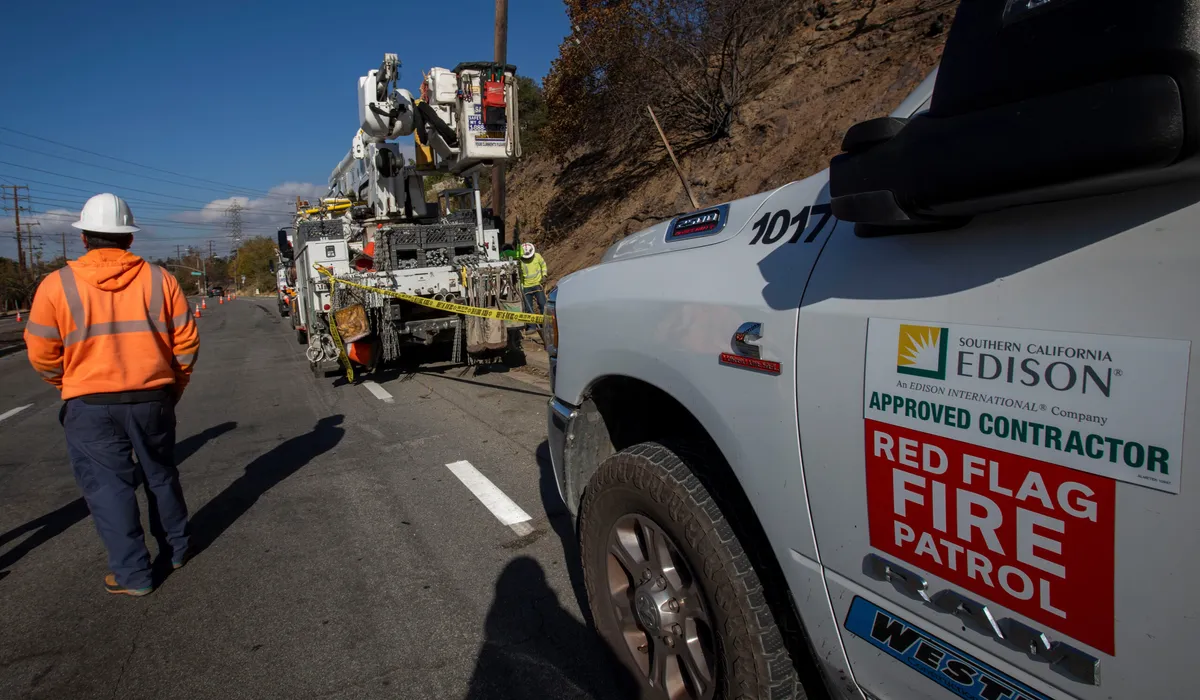
Edison Utility Not Liable for 2025 LA Wildfire: What It Means for Victims
A California judge's tentative ruling spares Southern California Edison from liability in the devastating 2025 Eaton Fire. This decision raises critical questions for wildfire victims and insurance companies alike.
Related articles
Popular in Home Insurance
- 2026 Sees Below-Average Severe Convective Storm Losses: What It Means for Insurance
- El Niño and Wildfires: Preparing for a Fire-Prone Future
- Young Affluent Collectors: The Underinsurance Dilemma in Luxury Investments
- Wisconsin Property Owner Sues City and Insurers Over Contamination Cleanup Costs
- Rising Catastrophe Risks: How Europe’s Insurers Are Adapting to Climate Change