Edison Utility Not Liable for 2025 LA Wildfire: What It Means for Victims
A California judge's tentative ruling spares Southern California Edison from liability in the devastating 2025 Eaton Fire. This decision raises critical questions for wildfire victims and insurance companies alike.
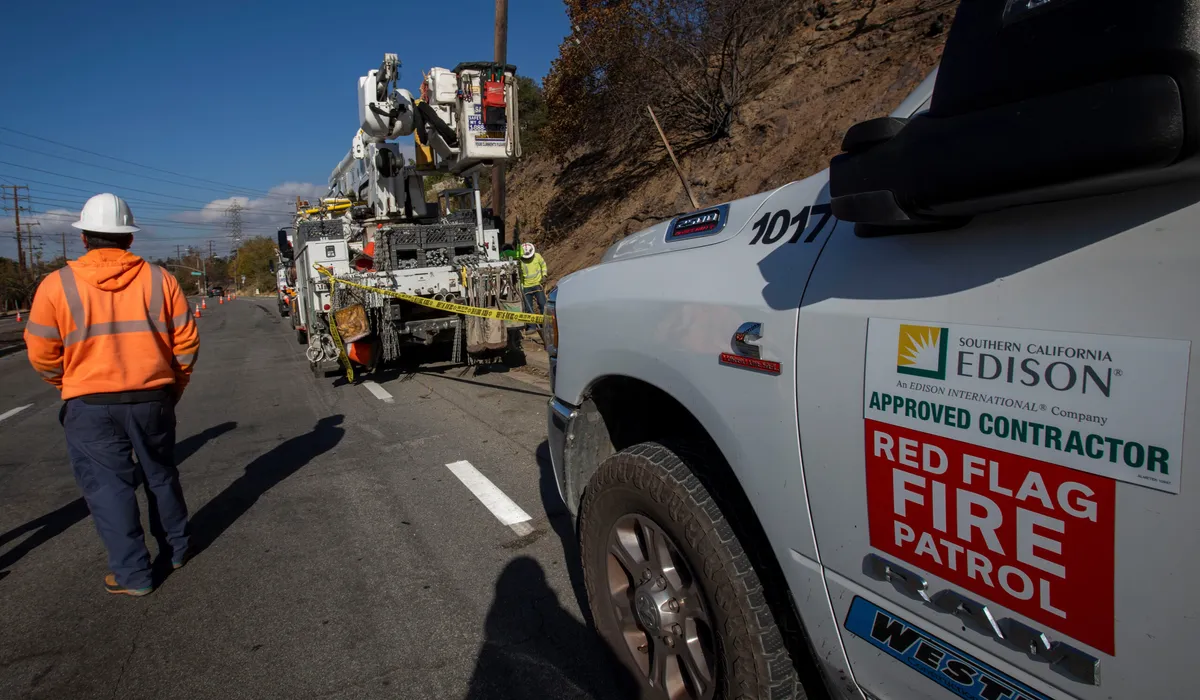
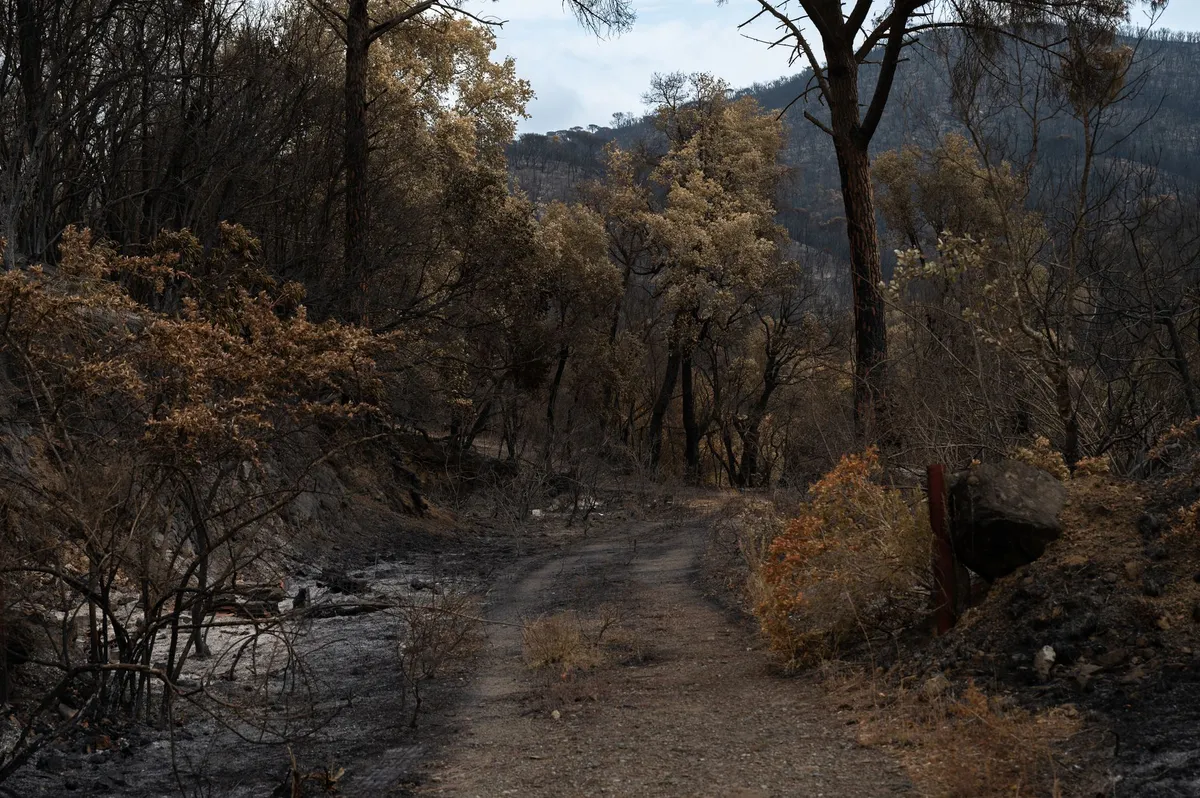
The aftermath of the devastating Eaton Fire in January 2025 continues to reverberate through California, as a recent tentative ruling by Superior Court Judge Laura Seigle has left many victims and insurance companies grappling with uncertainty. The judge denied a motion to hold Southern California Edison (SCE) liable for the catastrophic wildfire, which resulted in the loss of 19 lives and the destruction of over 9,000 homes and businesses across 14,000 acres. This pivotal judicial decision not only impacts those directly affected by the fire but also raises significant questions about the future of utility liability in California, especially as wildfires become increasingly common.
Following a report from the Los Angeles County Fire Department that linked the ignition of the Eaton Fire to electrical arcing events from an out-of-service transmission tower, the ruling has triggered a mix of relief and frustration. For Edison, the ruling provides a temporary reprieve from potential financial calamity, while for victims, it underscores the complexities of seeking justice and compensation in the wake of such disasters.
The Legal Landscape: Inverse Condemnation and Utility Liability
California’s legal framework surrounding utility liability is primarily governed by the concept of inverse condemnation. This legal doctrine holds utilities automatically liable for damage caused when their equipment is involved in starting a fire, without the need for victims to prove negligence. However, SCE is contesting this principle in the context of the Eaton Fire, arguing that the unique circumstances surrounding the fire's ignition should exempt them from liability.
Judge Seigle's tentative ruling allows Edison to present its case to a jury, which will determine whether the utility acted prudently given the circumstances. This decision is crucial, as it could set a precedent for how similar cases are treated in the future. The outcome may affect not only Edison but also other utilities operating in wildfire-prone areas.
Impact on Victims and Insurance Companies
The ramifications of this ruling extend far beyond the courtroom. For the victims of the Eaton Fire, many of whom are still grappling with the loss of their homes and livelihoods, the decision is heart-wrenching. The financial implications are substantial; with claims totaling billions of dollars, the absence of utility liability could leave many without adequate compensation.
Insurance companies, too, are watching closely. The ruling could alter the way they approach claims related to future wildfires. If utilities are not held liable, insurers may face an increased burden of covering losses, which could lead to higher premiums for homeowners in fire-prone areas. Additionally, it may prompt insurers to re-evaluate their risk assessments and coverage policies, potentially making it more challenging for homeowners to secure affordable insurance.
Understanding the Broader Context of Wildfire Risk
California has been increasingly susceptible to catastrophic wildfires, a trend exacerbated by climate change, prolonged droughts, and mismanaged forest areas. As more residents settle in these fire-prone regions, the stakes surrounding utility liability and wildfire risk grow ever higher. With the state experiencing a series of devastating fires in recent years, the public's demand for accountability from utility companies is intensifying.
Utilities are often seen as key players in wildfire prevention strategies. They are tasked with maintaining equipment and infrastructure to mitigate fire risks, yet their aging infrastructure and frequent maintenance delays have drawn scrutiny. For instance, SCE's defense that the tower involved in the Eaton Fire had been out of service since 1971 raises questions about the adequacy of utility management and regulation in California.

The Future of Utility Regulation in California
Looking ahead, the ruling may catalyze further discussions about the regulation of utilities in California. As climate-related disasters become more frequent, lawmakers and regulatory bodies may need to reassess the balance between holding utilities accountable and ensuring their financial viability. The challenge lies in crafting policies that protect consumers while promoting responsible utility management.
A potential shift could involve more stringent regulations requiring utilities to upgrade aging infrastructure and invest in technologies to prevent wildfires. Additionally, the state may need to explore alternative funding mechanisms to support wildfire victims and recovery efforts, ensuring that those affected are not left to bear the financial burden alone.
Key Takeaways
- Judge Seigle's tentative ruling spares Southern California Edison from immediate liability for the Eaton Fire.
- The decision allows Edison to present its case to a jury, potentially impacting future utility liability cases.
- Victims of the fire may face challenges in obtaining compensation without utility liability.
- Insurance companies could raise premiums as a result of increased financial burdens from unliquidated claims.
- The ruling may prompt a reevaluation of utility regulations and wildfire prevention strategies in California.
Frequently Asked Questions
What are the implications of the ruling for wildfire victims?
The ruling means that wildfire victims may struggle to recover damages without proving negligence on the part of Southern California Edison. This could lead to significant delays in compensation, as many are already facing hardships due to the loss of their homes and businesses. The absence of liability shifts the financial responsibility back to homeowners and their insurance companies, complicating the recovery process.
How does inverse condemnation work in California?
Inverse condemnation is a legal principle in California that holds utilities strictly liable for damages caused by their equipment in fire-related incidents. This means that victims do not need to prove negligence to recover losses. However, the current case has raised questions about whether utilities can contest liability based on unique circumstances surrounding a fire's ignition, which may change how inverse condemnation is applied in future cases.
What can homeowners do to protect themselves from wildfire risks?
Homeowners in wildfire-prone areas should take proactive steps to mitigate risks, which include creating defensible space around their properties, investing in fire-resistant building materials, and maintaining a comprehensive insurance policy that covers wildfire-related damages. Additionally, staying informed about local fire risks and participating in community fire prevention programs can enhance overall safety.
What does this ruling mean for the future of utility regulation in California?
The ruling may lead to increased scrutiny of utility management practices and could prompt regulatory bodies to consider stricter standards for utility infrastructure and wildfire prevention measures. As climate change continues to amplify fire risks, the balance between accountability and utility viability will be crucial for shaping future policies that protect consumers and promote responsible utility operations.
Comments
Navigating Wildfire Claims: Essential Guidance for Brokers and Clients
As wildfires rage across the Western U.S., understanding insurance claims and coverage is crucial for affected homeowners and agricultural clients. This article provides in-depth guidance on what brokers should communicate to clients about navigating wildfire-related claims, ensuring they are prepared for recovery and rebuilding.
Related articles
Popular in Home Insurance
- 2026 Sees Below-Average Severe Convective Storm Losses: What It Means for Insurance
- El Niño and Wildfires: Preparing for a Fire-Prone Future
- Young Affluent Collectors: The Underinsurance Dilemma in Luxury Investments
- Wisconsin Property Owner Sues City and Insurers Over Contamination Cleanup Costs
- Rising Catastrophe Risks: How Europe’s Insurers Are Adapting to Climate Change