Tropical Storm Lala: A New Challenge for Hawaii's Fragile Property Market
As Tropical Storm Lala approaches Hawaii's Big Island, property insurers are on high alert. With a backdrop of recent disasters, this storm poses significant risks to both homeowners and insurers in the region.
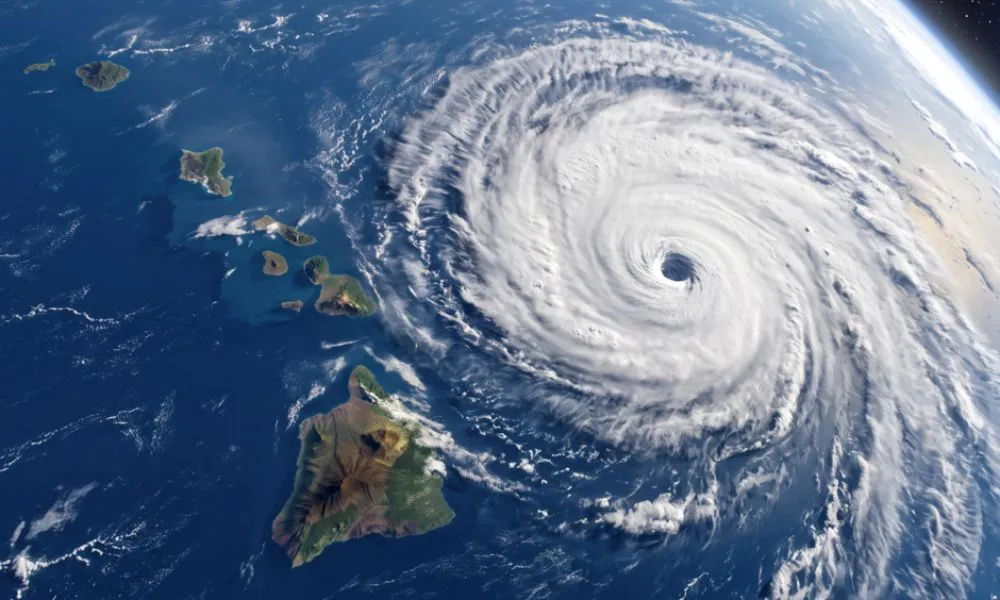
As Tropical Storm Lala approaches Hawaii's Big Island, a sense of urgency fills the air—not only from meteorologists but also from property insurers closely monitoring the storm's trajectory. While Lala currently boasts winds of just 40 mph, its potential to strengthen as it moves westward poses a serious threat to a region still reeling from the catastrophic 2023 Maui wildfires. With a hurricane watch now in effect for Hawaii County, the stakes have never been higher for residents and insurers alike.
Formed approximately 700 miles east-southeast of Hilo, Lala is expected to bring significant rainfall, with predictions of 5 to 10 inches across the island chain, and isolated totals reaching up to 20 inches. This could result in flash flooding and landslides—serious concerns for the island's steep terrain. Hawaii's unique geography has historically disrupted cyclones, preventing full-strength storms from making landfall. However, as past events have shown, even a storm that skirts the coast can wreak havoc, leading to extensive property damage and costly claims.
The Current State of Hawaii's Property Insurance Market
Hawaii's property insurance market is already under strain due to a variety of factors, including the aftermath of the Maui wildfires, which destroyed over 2,200 structures and incurred insured losses exceeding $3.2 billion. The fallout from this disaster has included non-renewals of policies and staggering premium increases. Some condo associations reported hikes in annual costs of as much as 1,000%, pushing many homeowners to the brink of financial instability.
In response to the escalating crisis, the state has taken steps to revive the Hawaii Hurricane Relief Fund, initially established after Hurricane Iniki wreaked havoc in 1992. This fund aims to provide a safety net for homeowners facing the brunt of storm damage. However, the market's challenges persist, as statewide homeowners' multiperil premiums were reported to have risen by more than 13% in 2024 alone.
Rate Increases and Market Exits
Major insurers are also reacting to the heightened risk landscape. State Farm, Hawaii's largest homeowners' insurer, received approval for a rate increase of up to 48.4% on hurricane and wind coverage, impacting nearly 99,000 policyholders. Such steep hikes are indicative of a broader trend as insurers grapple with rising reinsurance costs—one Hawaii-focused insurer disclosed a staggering 63% increase in their reinsurance rates, a critical factor in determining the affordability of coverage.
The consequences of these market dynamics are profound. DTRIC, a local insurer, has even begun exiting the homeowners' market altogether, further constricting options for consumers. This trend raises the question of how residents will fare should Lala make landfall or pass close enough to cause damage.
The Legacy of Hurricane Iniki
The specter of Hurricane Iniki looms large in the minds of Hawaii residents and insurers alike. Iniki, which struck Kauai in 1992, is still regarded as the benchmark for storm-related devastation in the state, with estimated costs ranging from $1.8 billion to $3.1 billion, depending on the source. The storm's legacy serves as a reminder of the potential for catastrophic loss and the importance of adequate insurance coverage.
With no confirmed hurricane landfalls on the Big Island in recorded history, the area is considered a relatively untested environment for such storms. However, the potential for Lala to change that narrative is significant. As Chris Draghi, an AM Best director, pointed out, the recent wildfires have fundamentally altered how insurers evaluate catastrophe risk in Hawaii, providing a “real-world example” that will undoubtedly influence underwriting decisions moving forward.
Potential Claims and Coverage Gaps
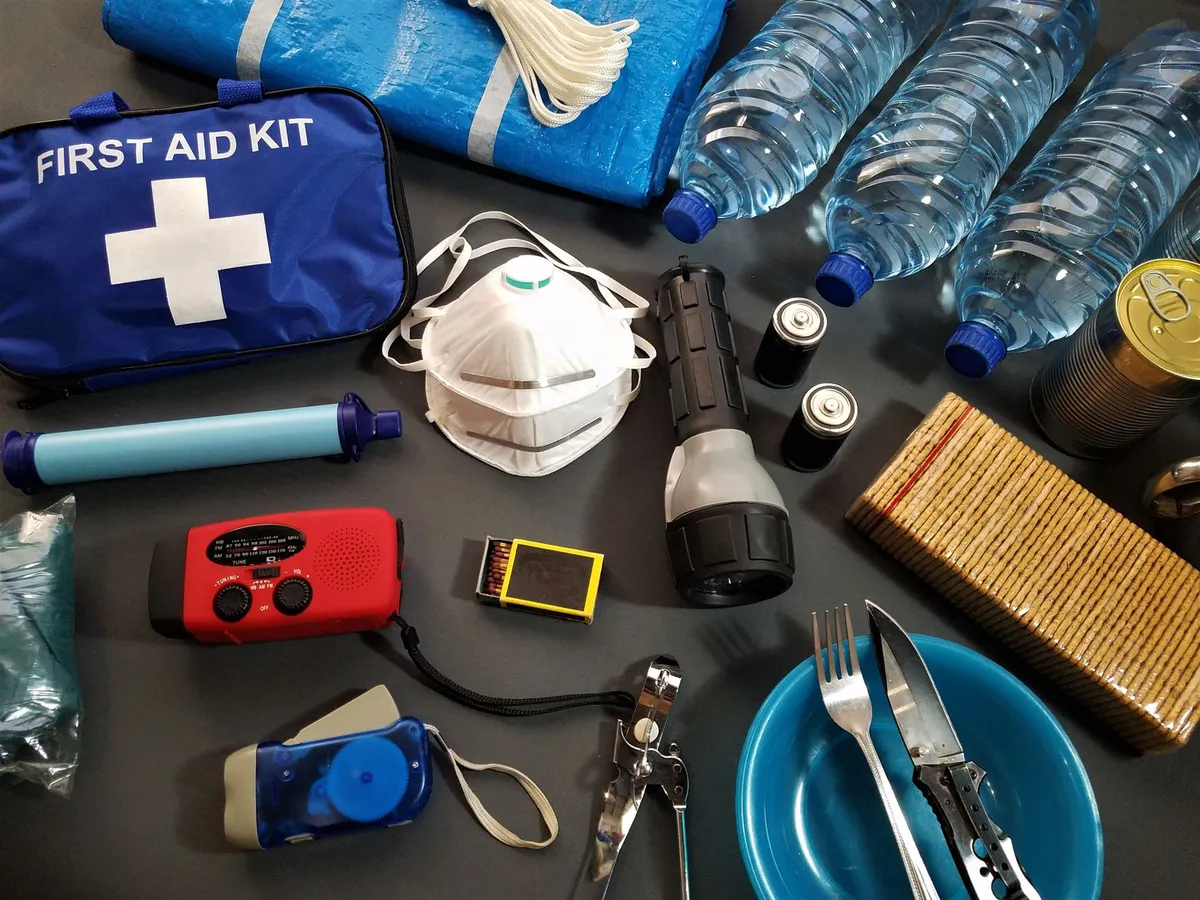
As residents prepare for the possibility of severe weather, local officials, including Hawaii County Mayor Kimo Alameda, are urging residents to review their emergency plans and stock up on essential supplies. This is not just standard civil defense advice; it signals that claims for business interruption and additional living expenses could escalate rapidly if power and water services fail, reminiscent of the conditions witnessed during Hurricane Iniki.
However, not all storm-related damages will be adequately covered under standard homeowners' policies. Rainfall-driven landslides and mudflows are often excluded or only narrowly covered, which means that claims may need to be filed under the National Flood Insurance Program or through surplus lines insurers. Given the Big Island's active Kilauea eruption, and recent wildfires burning significant acreage, the potential for a multi-peril event could complicate the claims landscape for many residents.
The Uncertain Path Ahead
At present, Lala remains a tropical storm, but its final track—expected to pass near or just south of the Big Island—will ultimately determine the extent of damage and subsequent claims. Catastrophe modelers typically refrain from providing loss estimates until a storm's path and intensity are more firmly established. Thus, concrete figures from firms like Moody's RMS, Verisk, or Karen Clark & Company are unlikely to emerge until the storm has passed.
With Hawaii's private insurance market already stretched thin since the wildfires, even a minor impact from Lala could test the resilience of the state's insurer-of-last-resort programs. As the situation develops, homeowners should remain vigilant, prepared, and informed about the potential implications for their insurance coverage.
Key Takeaways
- Tropical Storm Lala poses a significant risk to Hawaii's Big Island, prompting a hurricane watch for Hawaii County.
- The real estate market is still recovering from the devastating 2023 Maui wildfires, with rising premiums and policy non-renewals.
- Insurers are reacting with steep rate increases and some are exiting the homeowners' market entirely.
- Claims for business interruption and additional living expenses could escalate if severe weather disrupts services.
- Homeowners should review their insurance policies for coverage gaps, especially concerning landslides and flooding.
Frequently Asked Questions
What should residents do to prepare for Tropical Storm Lala?
Residents should ensure their emergency plans are up to date, stock up on essential supplies such as food, water, medications, and fuel, and consider the potential need for temporary housing if services are disrupted. It's advisable to check in with local officials for the latest updates and guidance on safe practices as the storm approaches.
How might Lala impact Hawaii's insurance market?
If Lala makes landfall or causes significant damage, it could exacerbate existing challenges in Hawaii's property insurance market. Insurers may face increased claims, leading to further rate hikes and potential policy non-renewals, which could leave homeowners with fewer options for coverage in the future.
What types of damages are typically not covered by standard homeowners' insurance during storms?
Standard homeowners' policies often exclude coverage for damages resulting from landslides, mudflows, and flooding. Homeowners are encouraged to consider additional coverage options, such as flood insurance through the National Flood Insurance Program, to ensure they are protected against these types of risks.
How do reinsurance costs affect homeowners' premiums?
Reinsurance costs are the amounts that insurers pay to other companies to cover their own risks. When reinsurance rates increase, as they have recently in Hawaii, those costs are often passed down to consumers in the form of higher premiums. This has contributed to the rising costs of homeowners' insurance in the state, making it increasingly difficult for residents to afford adequate coverage.
Comments
Florida Court Ruling Highlights Risks of Duplicate Sanctions Motions
A recent Florida appeals court decision underscores the importance of timing in sanctions motions for insurers. Citizens Property Insurance's missteps in a Hurricane Irma claim exemplify how duplicate notices can backfire, offering insights for policyholders and insurers alike.

Related articles

Popular in Home Insurance
- 2026 Sees Below-Average Severe Convective Storm Losses: What It Means for Insurance
- El Niño and Wildfires: Preparing for a Fire-Prone Future
- Young Affluent Collectors: The Underinsurance Dilemma in Luxury Investments
- Wisconsin Property Owner Sues City and Insurers Over Contamination Cleanup Costs
- Rising Catastrophe Risks: How Europe’s Insurers Are Adapting to Climate Change