Florida Court Ruling Highlights Risks of Duplicate Sanctions Motions
A recent Florida appeals court decision underscores the importance of timing in sanctions motions for insurers. Citizens Property Insurance's missteps in a Hurricane Irma claim exemplify how duplicate notices can backfire, offering insights for policyholders and insurers alike.

In the ever-evolving landscape of Florida's insurance market, a recent ruling by the Florida appeals court has drawn considerable attention and serves as a cautionary tale for insurers navigating sanctions motions. Citizens Property Insurance, which provides coverage to homeowners, recently stumbled in its attempt to impose sanctions on policyholders by mismanaging the timing of its motions. This case, rooted in a Hurricane Irma claim, illustrates the intricate dance between legal strategy and the nuances of insurance law.
The legal saga began with a homeowners policy issued by Citizens that covered the period from December 9, 2016, to December 9, 2017. Following Hurricane Irma's devastating impact, the policyholders reported significant storm damage on September 21, 2017. Citizens accepted the claim and initially compensated the homeowners with $28,914.12. However, as disputes over the adequacy of the settlement arose, Citizens later paid additional supplemental sums exceeding $212,000 after a formal appraisal process. Despite these payments, the policyholders pursued legal action in March 2019 and revisited the courts in December 2022, seeking an additional $142,500 due to contested settlement proposals from the earlier case.

The Legal Framework Behind Sanctions Motions
Understanding the legal context is vital for both insurers and policyholders. The central statute in this case, Florida Statutes Section 57.105, allows courts to impose sanctions on a losing party and their attorney for claims that lack support from material facts or existing law. This mechanism is designed to discourage frivolous lawsuits and incentivize parties to withdraw or correct unsupported claims.
Safety Valve Provision
A critical element of this statute is the safety valve provision, which stipulates that a sanctions motion cannot be filed unless the offending claim is either withdrawn or corrected within 21 days of service. This provision serves to protect parties from being unduly penalized for claims that may have merit but were improperly framed.
Citizens' Double Trouble: A Misstep in Timing
In this instance, Citizens Property Insurance filed its first sanctions motion on August 20, 2024, citing the policyholders' second amended complaint as grounds for the motion. Notably, this motion was served just days before the expiration of the 21-day window for the policyholders to respond. Instead of waiting for a resolution, Citizens opted to serve a second sanctions notice on January 8, 2025, effectively resetting the clock on the policyholders' response time.
This decision proved detrimental. The policyholders seized the opportunity presented by the second notice and dismissed their suit on January 24, 2025, within the newly established 21-day window. The trial judge noted that when sanctions motions are based on the same points, the last motion served is the final chance for the opposing party to respond, thereby creating a clean exit for the policyholders.
The Court's Ruling: A Lesson in Legal Strategy
The appeals court ruling affirmed the trial court's decision, emphasizing that the successive nature of Citizens' sanctions notices provided the policyholders a legitimate pathway to escape potential penalties. The court framed this situation as a question of first impression, implying that it had not previously addressed a case where a duplicate safe-harbor notice effectively reset the response timeline.
Citizens' counsel acknowledged this nuance, illustrating a critical takeaway for insurers and legal teams: the timing and strategy behind sanctions motions must be carefully considered. The court's ruling serves as a stark reminder that a duplicate notice intended to lock in fees can unintentionally offer the opposing party a lifeline.

Implications for Insurers and Policyholders
This ruling carries significant implications for both insurers and policyholders navigating the complexities of claims and litigation. Insurers must approach sanctions motions with meticulous attention to timing and procedural correctness to avoid inadvertently granting their opponents an escape route. The importance of crafting a well-timed, well-supported motion cannot be overstated — failure to do so may result in losing the opportunity to recover legal fees or impose sanctions.
For Policyholders
On the other side, policyholders should remain vigilant during the claims process, understanding their rights and the legal framework surrounding sanctions. Should they face a sanctions motion, the lessons from this case highlight the importance of acting within the stipulated timelines and properly responding to motions to safeguard their interests.
Key Takeaways
- Timing is crucial: Insurers must carefully time their sanctions motions to avoid giving policyholders an advantage.
- Safety valve provisions: Florida's statutes provide a mechanism for parties to withdraw or correct claims to avoid sanctions.
- Legal strategy matters: A misstep in legal strategy can lead to significant financial losses for insurers.
- Policyholders have rights: Understanding the legal framework empowers policyholders in disputes with insurers.
Frequently Asked Questions
What are sanctions motions, and how do they work?
Sanctions motions are legal requests made to the court by one party, seeking penalties against another party for failing to comply with legal standards, such as filing frivolous claims or not adhering to court rules. In Florida, these motions are governed by Section 57.105 of the Florida Statutes, which allows a court to impose sanctions on parties whose claims lack material support or grounding in law. The motion must follow strict procedural guidelines, including a 21-day window for the offending party to withdraw or correct the claim before sanctions can be imposed.
How can insurers avoid pitfalls with sanctions motions?
Insurers can avoid pitfalls by ensuring that their sanctions motions are timely, well-supported, and comply with statutory requirements. Legal counsel should be vigilant in monitoring deadlines and understanding the implications of procedural missteps. Additionally, insurers should consider the potential consequences of filing duplicate motions, as these may inadvertently reset the timeline for the opposing party, allowing them to dismiss their claims without penalty.
What should policyholders do if faced with a sanctions motion?
If policyholders find themselves facing a sanctions motion, it is crucial to respond promptly and appropriately. They should review the motion carefully, potentially seeking legal assistance to understand their rights and obligations. If the motion is based on claims that can be corrected or withdrawn, they should act within the 21-day window to avoid sanctions. Understanding the legal framework surrounding sanctions can empower policyholders to navigate disputes effectively.
What are the broader implications of this ruling for the insurance industry?
The broader implications of this ruling highlight the importance of legal strategy in the insurance industry. Insurers must adapt their practices to ensure compliance with legal standards and avoid unnecessary penalties. This case serves as a reminder that legal missteps can have far-reaching consequences, potentially affecting an insurer's reputation and financial standing. The ruling also reinforces the idea that policyholder rights must be protected and that insurers should engage in transparent and fair claims processes.
Comments
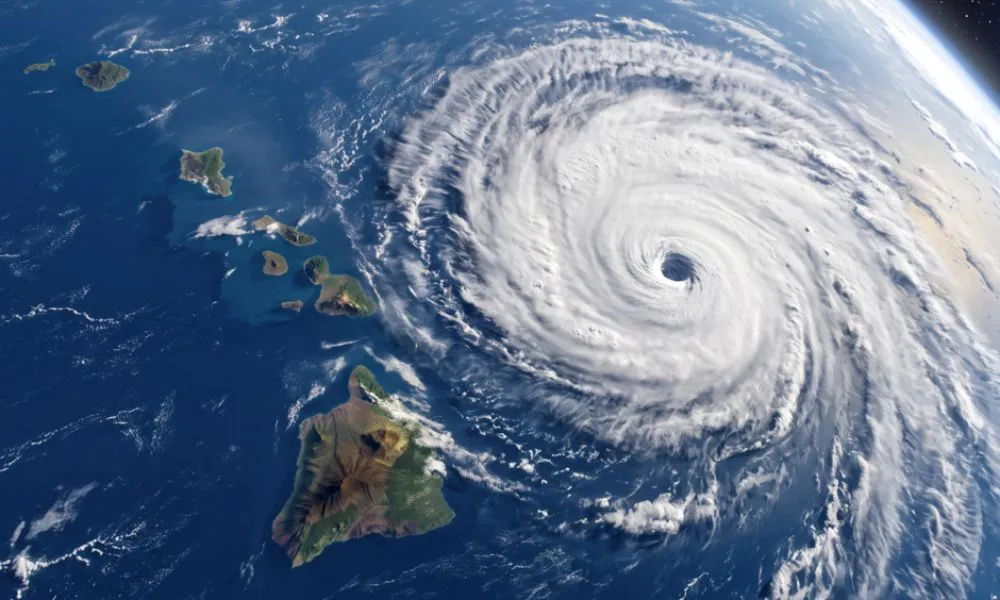
Tropical Storm Lala: A New Challenge for Hawaii's Fragile Property Market
As Tropical Storm Lala approaches Hawaii's Big Island, property insurers are on high alert. With a backdrop of recent disasters, this storm poses significant risks to both homeowners and insurers in the region.
Related articles

Popular in Home Insurance
- 2026 Sees Below-Average Severe Convective Storm Losses: What It Means for Insurance
- El Niño and Wildfires: Preparing for a Fire-Prone Future
- Young Affluent Collectors: The Underinsurance Dilemma in Luxury Investments
- Wisconsin Property Owner Sues City and Insurers Over Contamination Cleanup Costs
- Rising Catastrophe Risks: How Europe’s Insurers Are Adapting to Climate Change