Indiana Flooding: Unprecedented Disaster Reveals Critical Insurance Gaps
Severe flooding in Indiana has claimed at least seven lives and highlighted significant gaps in flood insurance coverage for homeowners and businesses. With record flood levels surpassing a century-old benchmark, many affected residents are left questioning their preparedness and insurance options.

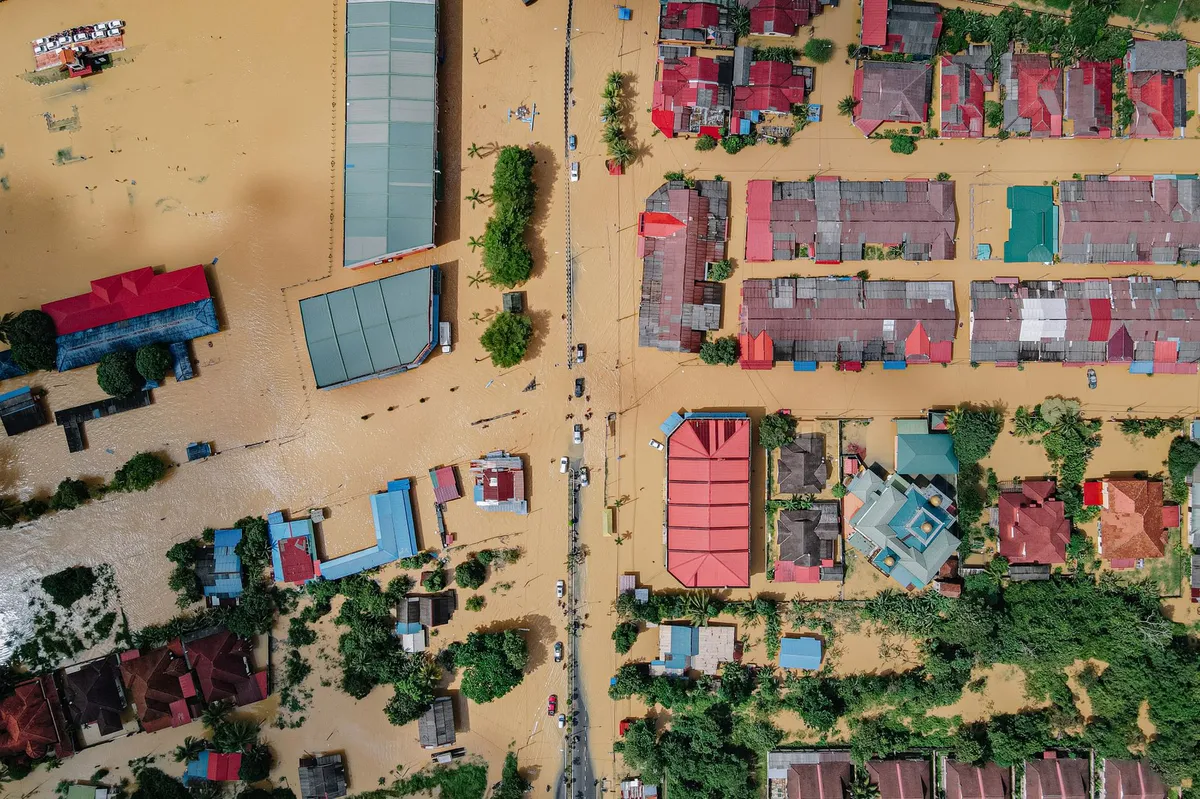
The recent catastrophic flooding in Indiana, which resulted in the tragic deaths of at least seven individuals, is a stark reminder of the vulnerabilities faced by homeowners and businesses in the face of natural disasters. As the White River surged to record levels, cresting nearly 25 feet in areas like Anderson and Noblesville, the state found itself grappling with both the immediate aftermath of the flooding and the longer-term implications for flood insurance coverage. This event has not only been described as unprecedented by state officials but has also cast a spotlight on the critical gaps in flood insurance that many residents were unaware of until it was too late.
As floodwaters began to recede following their peak early Sunday morning, the scale of the devastation became evident. Over 350 evacuations took place in Delaware County alone, with many more occurring throughout the White River corridor, affecting communities such as Indianapolis, Noblesville, Anderson, Ravenswood, and Nora. With nearly 130,000 utility customers left without power at the height of the crisis, the full scope of the disaster is still unfolding. Indiana's Governor Mike Braun declared a statewide disaster emergency, and President Trump subsequently approved an emergency declaration for the state, opening the door for potential federal assistance.
The Severity of the Flooding
This flooding event marks the worst the city of Indianapolis has faced in over three decades. The rapid accumulation of rainfall overwhelmed drainage systems and caused significant overflow of the White River, a situation exacerbated by climate change and urban development. The historical context of this flooding cannot be overlooked; the previous record flood level had stood since 1913, underlining the unusual severity of this year's weather patterns.
Understanding Emergency Declarations
The type of federal disaster declaration is crucial for residents as they navigate the recovery process. Currently, the emergency declaration focuses on public assistance activities, such as water rescues, evacuation efforts, and emergency shelter provisions. However, what many homeowners are concerned about is the absence of a major disaster declaration, which would typically activate FEMA's Individual Assistance program, allowing residents to apply for direct federal grants to help cover uninsured losses. As of now, that request is still pending.
Even when Individual Assistance is activated, it is essential to understand its limitations. For instance, the cap for housing and other needs assistance in 2026 is approximately $43,900, which may not come close to covering the full extent of damages incurred by homeowners whose properties have been severely impacted. This is particularly concerning for those whose homes have been completely swept away or flooded beyond repair.

Flood Insurance Coverage: A Critical Need
One of the most significant issues stemming from this disaster is the realization that many homeowners do not have adequate flood insurance coverage. A standard homeowners policy typically excludes flood damage, leaving many in a precarious situation when disaster strikes. In the United States, flood coverage must be secured through a separate policy, either via FEMA's National Flood Insurance Program (NFIP) or through private flood insurance carriers. This separation can lead to confusion and misfortune for many homeowners.
Understanding FEMA Flood Maps
FEMA's flood maps, traditionally based on river overflow and coastal storm surge risks, do not account for the intense, rapid rainfall that caused the recent flooding. Recent studies by climate risk modelers, such as First Street, reveal that significantly more properties are located in flood-prone areas than FEMA's mapping indicates. This discrepancy means that many homeowners were never required to obtain flood insurance, particularly if their properties lie outside designated Special Flood Hazard Areas.
- Record Flooding: The White River exceeded a 100-year-old flood record.
- Emergency Declaration: Currently, federal aid is limited to public assistance.
- Insurance Gaps: Many homeowners lack flood coverage due to FEMA map limitations.
- FEMA Assistance Limit: Individual Assistance grants are capped at approximately $43,900.
- Private Flood Insurance: Options exist but require proactive measures from homeowners.
Commercial Impacts and Business Insurance
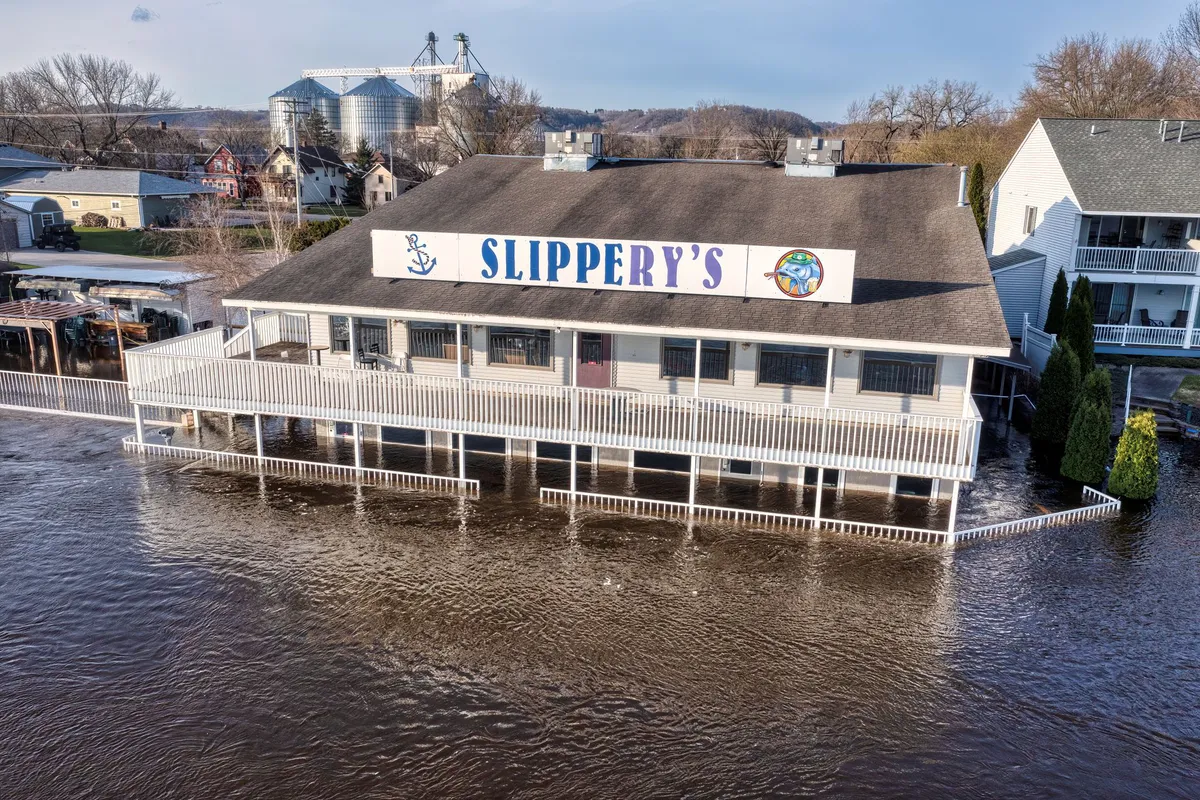
The flooding has not only devastated residential properties but has also significantly impacted commercial establishments. Business owners, like Cyndee Gillmore of Cornerstone Campground and Retreat Center in New Castle, faced loss of property, equipment, and business interruption due to flooding. Gillmore reported approximately five feet of water inundating her facility, rendering it unusable and leading to extensive damage.
For businesses, navigating insurance claims can be complex. Commercial property insurance often operates under a different framework than residential policies, and the availability of flood coverage hinges on established endorsements. Business owners must carefully assess their policies to determine what is covered and what gaps exist, especially in light of the recent flooding.
Moving Forward: The Importance of Flood Preparedness
This flooding disaster serves as a critical prompt for homeowners and businesses alike to reassess their flood preparedness. For many, the assumption of low risk based on outdated FEMA maps has left them vulnerable to devastating financial losses. Insurance brokers serving clients in flood-prone regions must initiate conversations about flood coverage, emphasizing the importance of understanding individual risk exposure and the types of coverage available.
Private flood insurance products offered through surplus lines carriers can provide higher limits and broader coverage options compared to the NFIP, which has a maximum coverage limit of $250,000 for buildings and $100,000 for contents. As these coverage limits may be inadequate for many, especially following significant flooding events, it's critical for homeowners and business owners to review their flood insurance options and ensure they are adequately protected moving forward.

Key Takeaways
- Record flooding in Indiana has highlighted critical gaps in flood insurance.
- Homeowners should review their insurance policies to assess coverage adequacy.
- FEMA's Individual Assistance is limited and not a substitute for flood insurance.
- Private flood insurance options are available and may offer better coverage.
- Proactive flood preparedness is essential for minimizing future risks.
Frequently Asked Questions
What should homeowners do if they don't have flood insurance?
Homeowners who lack flood insurance should first assess the extent of their damages and document everything for insurance purposes. They should also contact their insurance agents to discuss potential options for obtaining flood coverage moving forward. While it may not help with current losses, securing flood insurance is crucial for future protection against similar events.
How can I determine if my property is in a flood-prone area?
To determine if a property is located in a flood-prone area, homeowners can consult FEMA's flood maps, which are available online. However, it is important to remember that these maps may not reflect all risks, particularly those related to intense rainfall. Homeowners should also consider local climate data and consult with insurance professionals to understand their actual risk and the need for flood coverage.
What types of flood insurance are available?
Homeowners can obtain flood insurance through FEMA's National Flood Insurance Program (NFIP) or through private insurers that offer flood coverage. The NFIP provides standardized coverage limits, while private insurers may offer more flexible options. Homeowners should compare policies to find the coverage that best suits their specific needs and risks.
What can businesses do to prepare for future flooding?
Businesses should conduct a thorough risk assessment to identify potential vulnerabilities to flooding. This includes reviewing insurance policies for adequate flood coverage, investing in physical flood defenses, and creating an emergency response plan for future flooding events. Engaging with insurance professionals can help ensure businesses are adequately protected against potential losses.
Comments
Hawaii Prepares for Rare Hurricane as Severe Weather Strikes Midwest
As Tropical Storm Lala threatens Hawaii with the possibility of becoming a hurricane, severe storms wreak havoc across Indiana, leaving thousands without power and prompting flood warnings.
Related articles

Popular in Home Insurance
- 2026 Sees Below-Average Severe Convective Storm Losses: What It Means for Insurance
- El Niño and Wildfires: Preparing for a Fire-Prone Future
- Young Affluent Collectors: The Underinsurance Dilemma in Luxury Investments
- Wisconsin Property Owner Sues City and Insurers Over Contamination Cleanup Costs
- Rising Catastrophe Risks: How Europe’s Insurers Are Adapting to Climate Change