Navigating the Insurance Gaps in European River Cruises
As Europe's rivers face historic low water levels, travelers must understand the insurance implications before booking river cruises. This article explores the coverage gaps and what travelers should consider.
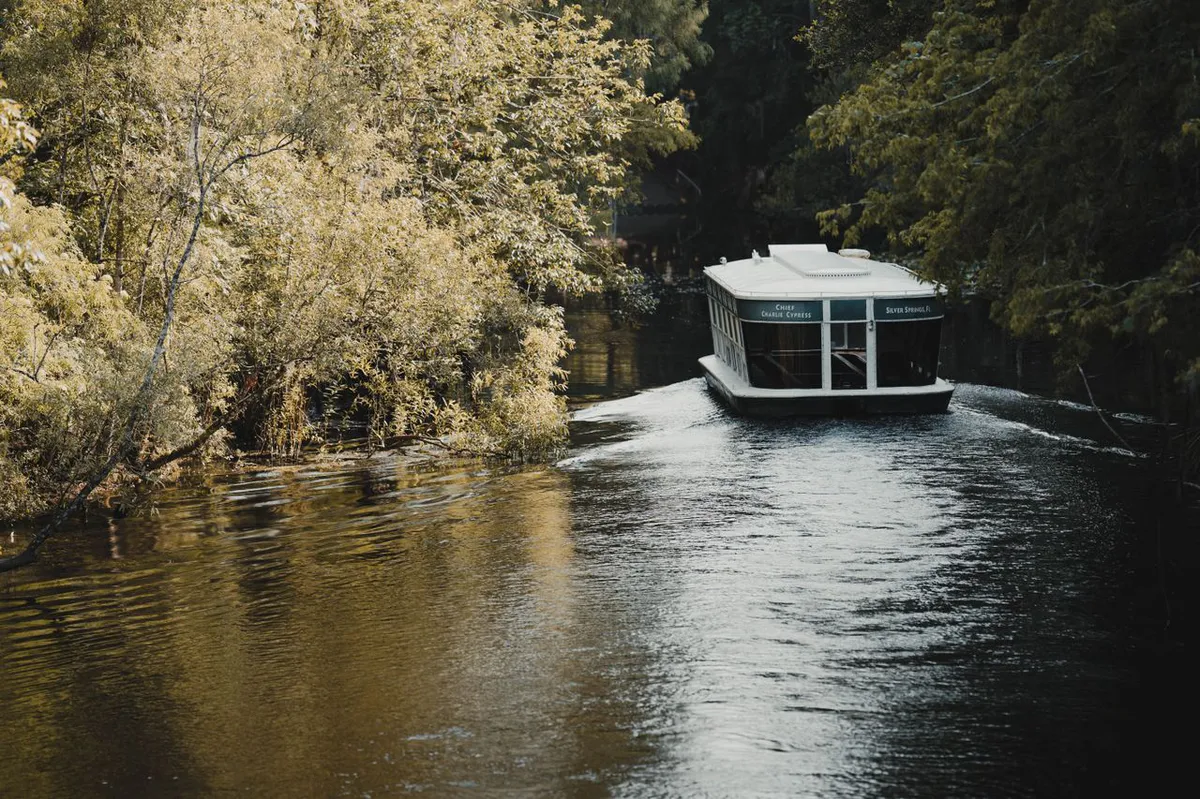
The allure of European river cruises is undeniable, with their picturesque landscapes and charming towns lining the banks of famous rivers like the Danube and Rhine. However, as climate conditions shift and extreme weather events become more frequent, travelers are finding themselves in uncharted waters — quite literally. The summer of 2026 has seen some of the lowest water levels in decades, leading to significant disruptions in river cruise operations. With these changes come critical considerations regarding insurance coverage that every traveler should understand before embarking on their journey.
According to reports, the Danube in Romania has reached its lowest levels in approximately 30 years, forcing major cruise lines like Viking, the largest European river cruise operator, to make emergency operational adjustments. Since mid-July, over half of Viking's sailings have been affected, with a cancellation rate of 10% to 12% among affected clients. Such disruptions are not uniform; they tend to impact specific stretches of the rivers, particularly the upper Danube between Regensburg and Passau and the Rhine between Koblenz and Rüdesheim. However, the insurance implications of these events could affect a vast majority of river cruise passengers.
Understanding Standard Insurance Coverage
Many travelers mistakenly assume that their standard cruise travel insurance will cover disruptions caused by low water levels. Unfortunately, this assumption can lead to significant financial loss. Standard travel insurance policies typically cover trip cancellations due to specific named triggers, such as illness, death, or severe weather conditions. However, low or high water levels are generally excluded from these triggers. As a result, if a cruise is canceled or altered due to an unnavigable river, travelers are likely to find themselves without coverage under a standard policy, even if it is specifically designed for cruises.
Chrissy Valdez, the senior director of operations at Squaremouth, a travel insurance comparison platform, emphasizes the need for travelers to scrutinize the fine print of their insurance policies. "A lot of travelers assume a plan built for cruises would cover a water-related disruption, but that's usually not the case," she notes. Only a small number of plans offer coverage for such occurrences, making it essential for travelers to be proactive in researching their options.

The Importance of Timely Insurance Purchases
Timing plays a crucial role in securing adequate travel insurance coverage. Many cruise insurance benefits, including the highly sought-after cancel-for-any-reason (CFAR) add-ons and pre-existing condition waivers, are only available within a narrow window following the initial trip deposit, typically ranging from 14 to 21 days. This means that if a traveler waits until closer to their departure date to purchase insurance, they may miss out on essential options that could protect them against unforeseen disruptions.
CFAR is particularly valuable as it allows travelers to cancel for any reason not specified in the base policy and receive reimbursement of 50% to 75% of their non-refundable trip costs. However, it’s important to note that adding CFAR can raise premiums by 40% to 60%, and it must be purchased within the initial deposit window. Furthermore, CFAR coverage applies only if the client decides to cancel voluntarily. If a cruise line modifies the itinerary instead of canceling outright, the client may find themselves unprotected unless their policy includes a trip interruption trigger for water level events, which most do not.
Different Cruise Lines, Different Policies
The operational response to low water conditions varies among cruise lines, directly affecting how insurance coverage applies. For instance, Riviera Travel canceled 10 European river departures this summer and offered full cash refunds or rebookings to affected clients. In contrast, AmaWaterways opted to keep its departures running despite the challenges by rerouting ships and using motorcoach transfers. For travelers who find themselves bused around an unnavigable section of the Rhine, the trip is considered to have continued, and standard trip cancellation coverage would likely not apply in this scenario.
This variability underscores the importance of understanding not only the specific insurance policy but also the cruise line’s operational procedures regarding low water levels. Travelers should familiarize themselves with the protocols of their chosen cruise line and how those may impact their insurance coverage.
Climate Trends and Future Risks
As hydrologists have noted, the frequency of low-water disruptions is on the rise due to climate change, which has resulted in reduced Alpine snowpack and prolonged summer heat. The years 2018, 2022, and now 2026 have all experienced significant low-water events, warning travelers about the potential risks they face when booking future sailings. With this trend expected to continue, clients planning fall or 2027 river cruises must engage in thorough discussions about insurance coverage at the time of booking rather than waiting until they receive a disruption notice from the operator.
This proactive approach not only helps in securing the best insurance options but also ensures that travelers are equipped to handle potential disruptions should they arise. Those who fail to address these issues beforehand may find themselves unprepared and financially vulnerable.

Key Takeaways
- Standard travel insurance often excludes low water events: Travelers should not assume that their cruise-specific insurance will cover disruptions caused by unnavigable rivers.
- Purchase insurance promptly: Many benefits, such as CFAR, must be secured within a limited timeframe after booking.
- Understand cruise line policies: Different operators handle low-water conditions differently, impacting insurance coverage.
- Anticipate climate-related risks: As low-water disruptions become more common, proactive insurance discussions are essential.
Frequently Asked Questions
What should I look for in a river cruise insurance policy?
When evaluating a river cruise insurance policy, it is crucial to look for coverage options that specifically address disruptions caused by water levels. Inquire whether the policy includes trip interruption triggers for low water events and if it offers CFAR add-ons. Additionally, check the policy for any exclusions that may limit your ability to claim in the event of a cancellation or alteration. It is also wise to understand the timeline for purchasing the policy to ensure that you can take advantage of all available benefits.
How can I protect myself if my cruise is canceled due to low water?
To protect yourself against cancellations due to low water, consider purchasing a comprehensive travel insurance policy that includes coverage for trip interruptions caused by water level changes. Look for plans that explicitly mention such coverage in their terms and conditions. Furthermore, consider opting for CFAR coverage if available, as it offers greater flexibility in canceling your trip for reasons beyond those outlined in the standard policy.
Are all cruise lines affected by low water conditions?
Not all cruise lines respond to low water conditions in the same way. While some may choose to cancel trips and offer refunds, others may continue operations by rerouting ships or providing alternative transportation. This variability can impact the insurance coverage available to travelers, so it is essential to understand your specific cruise line's policies and procedures when booking.
What trends should I be aware of for future river cruises?
As climate change continues to influence weather patterns, travelers should be aware that low-water disruptions are likely to become more frequent. Hydrologists have indicated that reduced snowpack in the Alps and increased summer temperatures contribute to this trend. As a result, travelers should be prepared for potential changes in their itineraries and engage in proactive discussions regarding insurance coverage to mitigate risks associated with their river cruise plans.
Comments
Popular in Travel Insurance
- Understanding the Implications of Nepal's Glacier-Caused Flood
- Insurance Challenges Hamper Airline Operations Amid US-Iran Conflict
- Nepal Flood Crisis: Understanding Travel Insurance Implications
- Understanding Travel Insurance Needs for Seniors: A Look at Medicare Gaps
- Understanding Travel Insurance Coverage After the Grand Canyon Flood