TikTok Settles Child Privacy Case for $400 Million: Implications for Cyber Liability
TikTok's $400 million settlement with the DOJ underscores significant shifts in child privacy laws and the implications for companies navigating compliance and insurance in a rapidly evolving landscape.
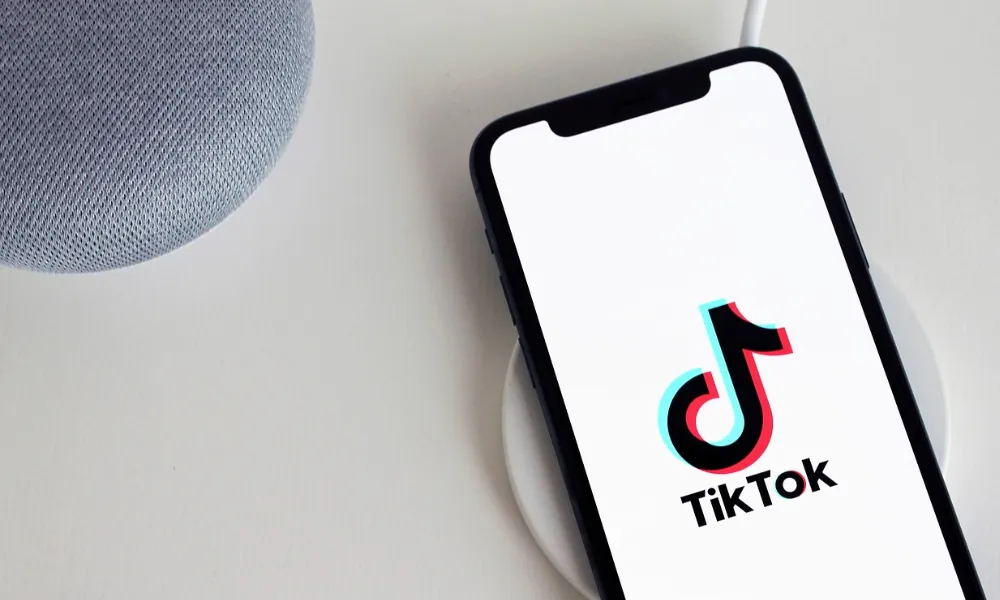
In a landmark decision that underscores the evolving landscape of digital privacy laws, TikTok Inc. and its Chinese parent company, ByteDance Ltd., have agreed to pay $400 million to settle allegations from the Department of Justice (DOJ) regarding violations of the Children's Online Privacy Protection Act (COPPA). This settlement represents one of the largest recoveries under COPPA in history and highlights the increasing scrutiny that tech companies face concerning the protection of children's online data. The settlement requires court approval but marks a significant chapter in TikTok's ongoing saga with U.S. regulators.
The DOJ's lawsuit, initiated in 2024, accused TikTok of enabling millions of children under the age of 13 to create accounts without their parents’ knowledge or consent. Moreover, parents found it challenging to delete these accounts, raising serious concerns about child safety and privacy. TikTok's commitment to pay $300 million immediately, followed by an additional $100 million contingent upon the lifting of a previous consent decree against its predecessor, Musical.ly, emphasizes the gravity of the situation. Associate Attorney General Stanley Woodward characterized the settlement as a crucial victory for American children and their families, stating that it reinforces the protections that parents expect and deserve.

Understanding COPPA and the Legal Landscape
The Children's Online Privacy Protection Act, enacted in 1998, aims to protect the privacy of children under 13 by requiring parental consent before collecting personal information from them. This legislation has been a cornerstone in the fight against online exploitation of minors, but its enforcement has evolved significantly over the years, particularly with the advent of social media platforms like TikTok. The 2025 amendments to COPPA expanded the definition of personal information and imposed stricter data retention and security requirements, reflecting the changing dynamics of how data is collected and used online.
Regulatory bodies across the globe are ramping up enforcement of privacy laws. In the first quarter of 2026 alone, regulators issued approximately $542 million in fines for privacy breaches, with the U.S. leading the charge. This trend emphasizes the need for companies, especially those that cater to younger audiences, to reassess their compliance strategies and data protection measures.

The Implications of the TikTok Settlement
The TikTok settlement is not just a standalone case; it represents a broader movement towards accountability in the tech industry. The substantial financial repercussions serve as a cautionary tale for other companies operating in similar spaces. As TikTok restructures its privacy policies and implements stronger age-related controls, it remains under the microscope in various ongoing litigation concerning child safety and privacy violations.
Financial Impact on TikTok and the Industry
The $400 million settlement is a significant financial hit for TikTok, especially when viewed against the backdrop of a broader national conversation about privacy and data protection. Companies face the risk of hefty fines that could run into hundreds of millions if they fail to comply with COPPA regulations. For instance, the DOJ was seeking penalties of up to $51,744 per violation per day, which could have accumulated to staggering amounts if the case had progressed in court.
- Initial Payment: $300 million immediately.
- Contingent Payment: $100 million upon vacating the previous consent decree.
- Potential Daily Penalties: Up to $51,744 per violation.
Cyber and Management Liability Insurance Considerations
This case also shines a light on the critical intersection of cyber liability insurance and regulatory compliance. Many companies may carry policies that offer a headline limit for cyber coverage, but these policies often include exclusions or sub-limits for regulatory fines and penalties. This can create a misleading sense of security for organizations that may not fully understand their coverage limitations.
The Need for Comprehensive Coverage
Risk managers and businesses must conduct thorough reviews of their insurance policies to ensure they adequately cover potential regulatory penalties. For many companies, especially those in the tech industry, the financial repercussions of non-compliance can far exceed their policy limits. The TikTok case exemplifies this risk, as companies could face significant fines that their insurance may not fully cover due to sub-limits for regulatory actions.
Moreover, companies with previous regulatory contact, such as consent decrees or warning letters, may find themselves subject to exclusions in their policies. This could leave them vulnerable in the event of future enforcement actions. As the landscape of digital privacy continues to evolve, organizations must be proactive in assessing their insurance needs and seeking coverage that aligns with current regulatory expectations.

Future Outlook and Ongoing Challenges
As TikTok navigates the fallout from its settlement, it faces ongoing challenges related to user privacy and safety. The company is now part of a larger national dialogue about holding tech giants accountable for the safety of their platforms. The outcome of this case may set precedents for future litigation involving other major players in the industry, including Meta and Google.
Furthermore, the dynamic between user data protection and corporate interests will continue to be a battleground. With the rise of new privacy regulations and increasing enforcement actions, companies must remain vigilant and adaptable in their approach to data management.
Key Takeaways
- TikTok's $400 million settlement highlights significant enforcement actions against child privacy violations.
- COPPA amendments have expanded compliance requirements for companies handling children's data.
- Insurance policies may not adequately cover regulatory fines, necessitating thorough reviews.
- Ongoing litigation against tech companies emphasizes the need for robust privacy practices.
Frequently Asked Questions
What is COPPA and why is it important?
The Children's Online Privacy Protection Act (COPPA) is a federal law designed to protect the online privacy of children under 13. It requires websites and online services to obtain verifiable parental consent before collecting personal information from children. This law is crucial for safeguarding children from exploitation and ensuring that parents have control over their children's data.
How does the TikTok settlement impact other tech companies?
The TikTok settlement serves as a cautionary tale for other tech companies, emphasizing the financial and regulatory risks associated with non-compliance with privacy laws. It may prompt increased scrutiny and enforcement actions against other platforms that engage with children or collect personal data, leading to potential legal and financial repercussions for those companies.
What should companies do to prepare for potential regulatory actions?
Companies should conduct thorough reviews of their data privacy practices and insurance coverage. This includes understanding the limitations of their cyber and management liability insurance policies, ensuring compliance with updated privacy laws, and implementing strong data protection measures. Proactive planning and legal advice can help mitigate risks associated with regulatory actions.
How can consumers protect their children online?
Parents can protect their children online by educating them about safe internet practices, monitoring their online activity, and using privacy settings on social media platforms. Additionally, parents should be aware of the privacy policies of the apps their children use and actively manage their children's accounts to ensure compliance with privacy regulations.
Comments
Rising Risks: Aviation Insurers React to Increasing Laptop Fires
Recent laptop fires aboard American Airlines flights highlight a growing trend in aviation incidents tied to lithium batteries. With aviation insurers on high alert, what does this mean for travelers and the industry?

Related articles





Popular in Business Insurance
- Surging War-Risk Insurance Rates in the Strait of Hormuz: What It Means for Shipping
- Ross & Yerger Insurance Faces Class Action Over Data Breach Allegations
- Sompo Expands U.S. Workers' Compensation Portfolio with Service Insurance Acquisition
- Legal Battle Unfolds Over $1 Million Truck Crash Insurance Payout
- Howden Group's Ambitious Journey Toward IPO and Expansion