Impact of US-Canada Tariff Dispute on American Businesses
The recent collapse of US-Canada trade negotiations has resulted in significant tariffs that are poised to impact a wide range of American businesses. This article explores the implications of these tariffs, the industries affected, and what companies should do to mitigate risks.
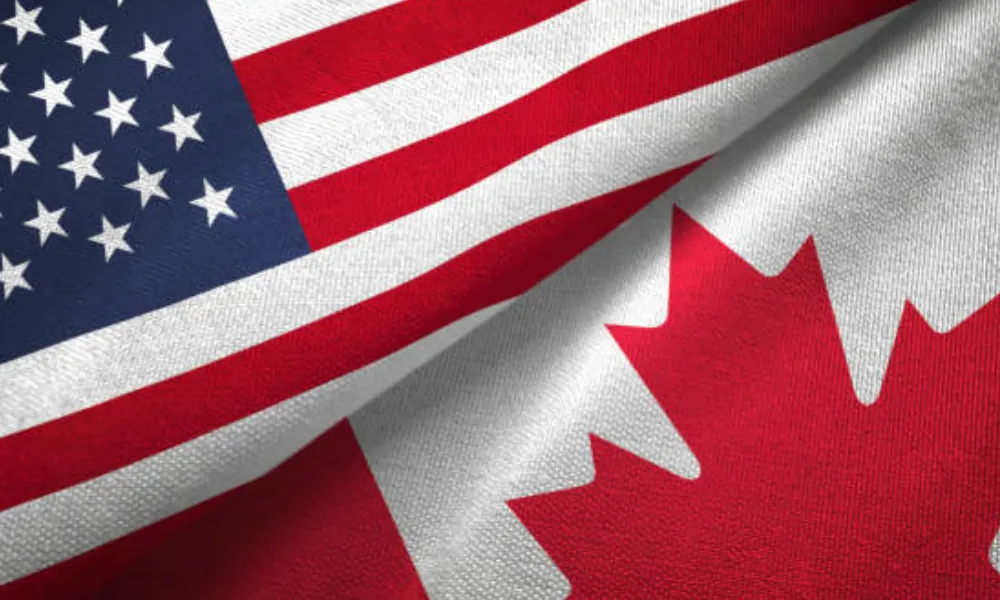
The abrupt collapse of US-Canada trade negotiations has sent shockwaves through American businesses engaged in cross-border trade. As of midnight, a staggering 50% tariff has been imposed on approximately $20 billion worth of Canadian goods, marking a significant escalation in trade tensions. This development not only alters the economic landscape for exporters but also raises critical questions about risk management and insurance implications for American companies. The stakes are high, as over 13 million American jobs are linked to trade with Canada, underscoring the urgency for businesses to reassess their operations in light of these sweeping changes.
Canadian Prime Minister Mark Carney's decision to suspend negotiations was driven by what he characterized as "uneconomic" and "unfair" demands from the Trump administration. This breakdown has prompted Canada to retaliate, vowing to impose tariffs on a range of US products, including steel, dairy, and electronics. As the two countries engage in this tit-for-tat exchange, American businesses must navigate an increasingly complex trade environment that presents both immediate challenges and long-term risks.
Understanding the Tariff Landscape
At the heart of the current situation is the use of Section 338 of the Tariff Act of 1930, a provision that has lain dormant since 1949. The tariffs affect a wide swath of Canadian exports to the US, including:
- Wine
- Furniture
- Dairy products
- Cement
- Clothing
- Fishing rods
- Hockey equipment
The Canadian goods impacted represent approximately 5% of the total $880 billion in goods and services exchanged between the two nations last year. As these tariffs take effect, US exporters are poised to face a 50% increase in costs, which will inevitably alter pricing structures and buyer relationships.

Risk Management for Exporters
For US companies that export goods to Canada, the implications of these tariffs are immediate and severe. Industries such as steel production, dairy operations, and electronics manufacturing are especially vulnerable. Companies that had previously extended credit terms to Canadian buyers are now grappling with a new economic reality; a Canadian importer who agreed to buy US steel at pre-tariff prices now faces significant cost increases. This shift raises the credit risk associated with these transactions, necessitating a thorough review of trade credit insurance policies.
Evaluating Trade Credit Insurance
Trade credit insurance, which protects exporters against buyer non-payment, is now more crucial than ever. Brokers need to assess whether current policy limits and buyer credit ratings reflect the heightened risk posed by the new tariff environment. Specifically, companies should consider:
- Increasing policy limits for high-risk buyers impacted by tariffs
- Adjusting credit terms to reflect the new economic conditions
- Conducting regular assessments of buyer financial health
Failing to do so could result in financial losses if Canadian buyers default on payments due to increased costs that were not anticipated in their initial pricing.
The Ripple Effect on US Manufacturers
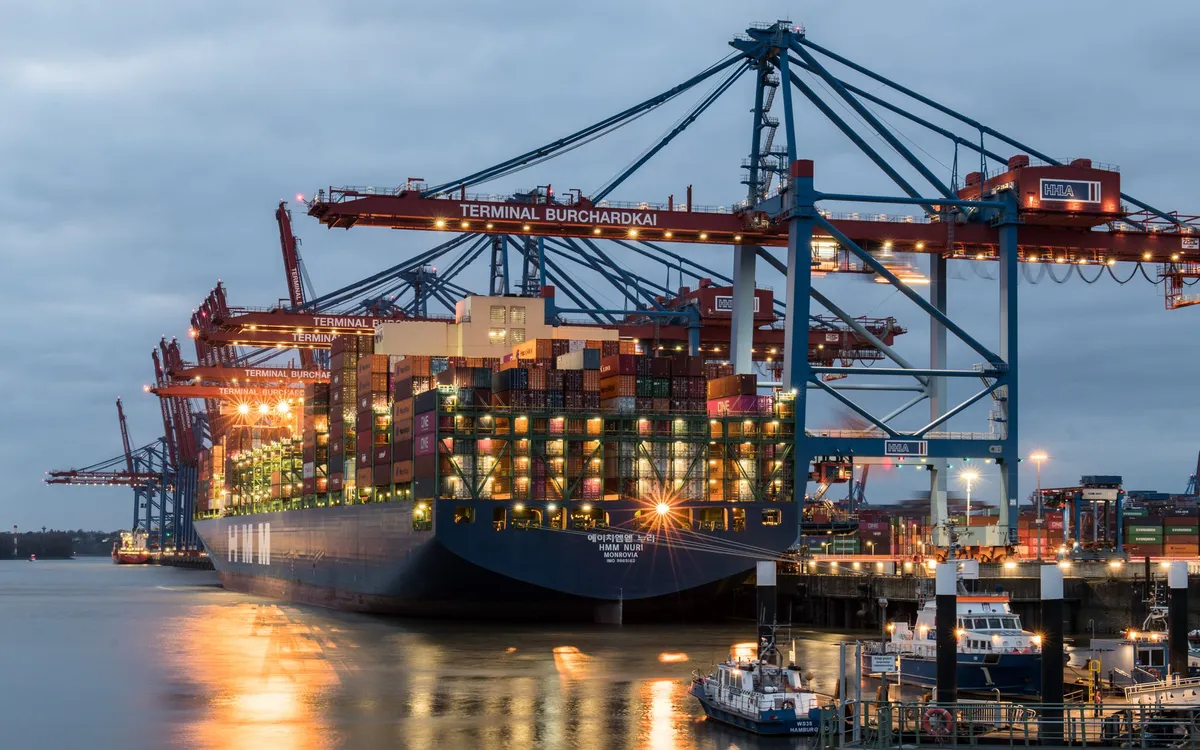
The impact of the tariffs extends beyond exporters to US manufacturers that rely on Canadian goods as production inputs. Industries that source Canadian lumber, metals, cement, or dairy ingredients will now face a 50% markup on these materials. For example, a US manufacturer that previously paid $100 per unit for Canadian lumber will see that cost rise to $150, which could severely compress profit margins and strain working capital.
Contractual Implications
Existing supply contracts must also be scrutinized as companies navigate these increased input costs. The crucial question is how these tariffs affect cost allocation under current agreements. Many contracts are fixed-price, meaning suppliers may find it challenging to fulfill obligations without incurring substantial losses. As a result:
- Companies should reassess their fixed-price contracts for potential renegotiation opportunities.
- Performance bonds and surety arrangements must be reviewed to understand liability under changing cost structures.
- Business interruption insurance policies should be evaluated to determine coverage in the event of production disruptions caused by tariff-related cost increases.
Many policies require a physical event at a supplier's location to trigger coverage, which could leave companies unprotected if disruptions arise solely from economic pressures.
Political Risk Insurance Considerations
The current tariff environment also highlights the intersection of political risk and trade credit insurance. Political risk insurance covers potential losses stemming from government actions, such as the imposition of tariffs. In this case, the government action is a significant driver of economic disruption, impacting buyer performance without any deterioration of their creditworthiness.
Companies operating in cross-border trade with Canada must evaluate whether their insurance programs adequately address this political risk dimension. Failing to do so could leave them exposed to losses stemming from tariff-induced contract disruptions that are not covered under traditional trade credit policies. Insurers and brokers need to differentiate between the two types of coverage and ensure clients are aware of these distinctions.
Compliance and Regulatory Risks
As tariffs rise, the pressure on American companies to find workarounds increases. This could lead to risks associated with transshipment, misclassification of goods, or mislabeling. Companies must be vigilant in reviewing their compliance programs to avoid enforcement actions that could carry substantial penalties.
Directors and Officers Liability
With the increase in tariffs, the exposure for directors and officers overseeing trade compliance has also heightened. Allegations of tariff evasion can lead to civil penalties and regulatory investigations, which can be costly and time-consuming. Companies must ensure that their D&O insurance adequately covers the risks associated with these potential investigations, including how regulatory defense provisions are structured.
Key Takeaways
- The collapse of US-Canada trade negotiations has resulted in immediate tariffs affecting $20 billion of Canadian goods.
- US exporters and manufacturers must review trade credit and political risk insurance policies to address increased uncertainties.
- Contractual obligations need reassessment to understand how cost increases due to tariffs will be allocated.
- Compliance programs should be evaluated to ensure they mitigate risks associated with potential tariff evasion.
- Directors and officers must be aware of their heightened liability in the face of increased regulatory scrutiny.
Frequently Asked Questions
What should businesses do to prepare for the impact of tariffs?
Businesses should conduct a comprehensive review of their contracts, insurance policies, and supply chain strategies. This includes assessing the financial health of Canadian buyers, understanding how tariffs will affect input costs, and identifying potential insurance coverage gaps. Engaging with insurance brokers to update trade credit and political risk insurance is also crucial.
How can companies mitigate risks related to buyer defaults?
To mitigate risks associated with buyer defaults due to increased costs, companies should consider tightening credit terms, increasing insurance policy limits, and diversifying their customer base. Regularly monitoring the creditworthiness of Canadian buyers is also essential to identify potential risks early.
Are there specific industries more affected by the tariffs?
Yes, industries such as steel, dairy, and electronics manufacturing are particularly vulnerable to the new tariffs. Companies in these sectors should be proactive in evaluating their risk exposure and adjusting their pricing strategies accordingly to account for increased costs.
What role does compliance play in navigating the tariff landscape?
Compliance is critical in navigating the complex tariff landscape. Companies must ensure they adhere to trade regulations to avoid potential penalties associated with tariff evasion. This includes conducting regular audits of supply chain practices and ensuring that all goods are accurately classified and labeled to prevent misclassification issues.
Comments
Rising Risks: Aviation Insurers React to Increasing Laptop Fires
Recent laptop fires aboard American Airlines flights highlight a growing trend in aviation incidents tied to lithium batteries. With aviation insurers on high alert, what does this mean for travelers and the industry?

Related articles




Popular in Business Insurance
- Surging War-Risk Insurance Rates in the Strait of Hormuz: What It Means for Shipping
- Ross & Yerger Insurance Faces Class Action Over Data Breach Allegations
- Sompo Expands U.S. Workers' Compensation Portfolio with Service Insurance Acquisition
- Legal Battle Unfolds Over $1 Million Truck Crash Insurance Payout
- Howden Group's Ambitious Journey Toward IPO and Expansion