USAA Welcomes New Board Chairman Amid Transition and Growth
USAA has appointed retired Lieutenant General David F. Melcher as the new Chairman of its board, as the organization navigates a period of significant change and recovery. Melcher's extensive military and corporate experience positions him to lead the company forward.
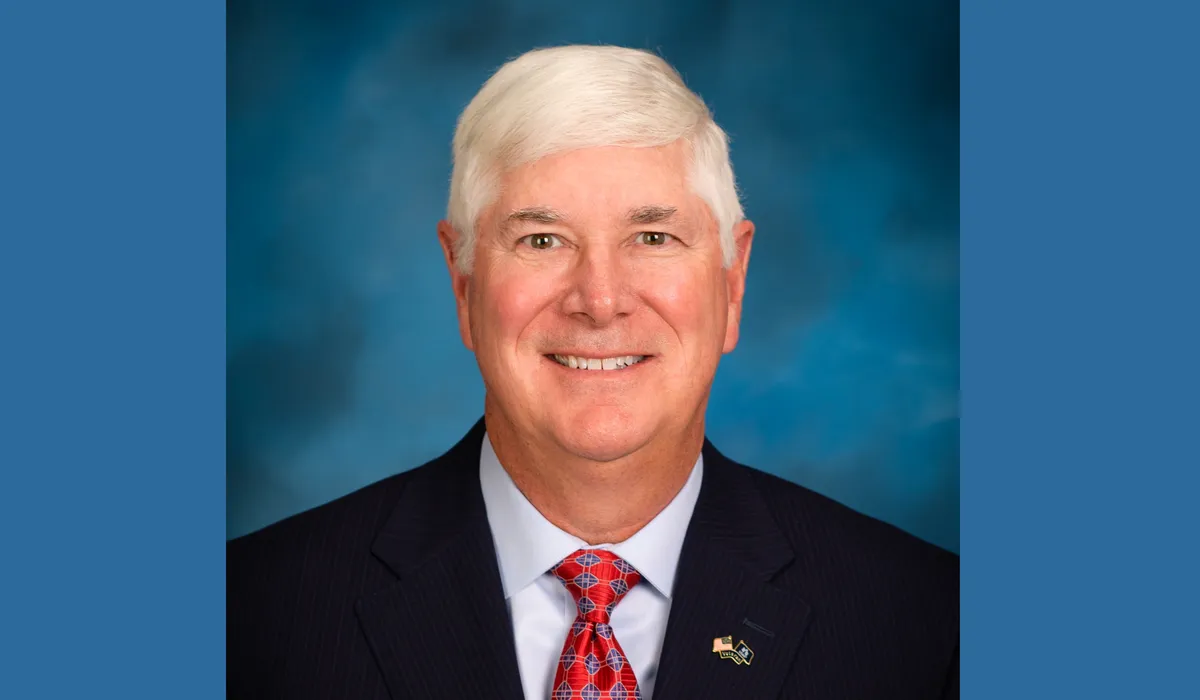
In a strategic move reflecting its commitment to strong leadership and member service, USAA has appointed retired Lieutenant General David F. Melcher as the new Chairman of its Board of Directors. This transition comes at a pivotal moment for the organization, which has seen substantial changes and challenges over the past few years. Melcher succeeds retired Vice Admiral James M. Zortman, who has contributed significantly to USAA's governance since joining the board in 2013 and serving as chairman since 2021.
Melcher's extensive background, both in military service and corporate leadership, positions him uniquely to helm USAA. A member of the organization for over 51 years, Melcher brings a wealth of experience garnered from a 32-year career in the U.S. Army. His leadership roles have extended into the private sector, where he led Exelis Inc., a Fortune 500 aerospace and defense company, as CEO. His tenure at USAA coincides with a period of recovery and growth, following a challenging financial landscape.
A Legacy of Service: Who is David F. Melcher?
David F. Melcher is more than just a military veteran; he is a seasoned executive with a robust track record. Having earned a Harvard MBA, Melcher's educational background complements his practical experience. His tenure as president and chief executive officer of Exelis Inc. from 2011 to 2015 saw him navigating the complex intersections of defense and technology, which is integral to USAA's mission of serving military families.
Corporate Leadership Experience
After his successful stint at Exelis, Melcher continued to influence the aerospace sector as the president and chief executive of the Aerospace Industries Association from 2015 to 2017. His board experience spans several prestigious organizations, including GM Defense, Becton Dickinson, and C.R. Bard, where he served as non-executive chairman. This diverse portfolio of leadership roles equips him with insights that are crucial for USAA as it continues to adapt to the evolving needs of its members.

USAA's Recent Financial Performance
USAA, founded in 1922 by a group of Army officers, has grown into a significant player in the insurance industry, serving over 14.5 million members from the U.S. military community and their families. It has consistently ranked among the largest insurers in the nation, being the third-largest homeowners multiperil insurer and the fifth-largest all-private passenger auto insurer based on direct premiums written, according to AM Best data.
However, the organization faced a substantial hurdle when it reported a net loss of $1.3 billion in 2022, marking its first annual loss since its inception. This downturn was a wake-up call, prompting a reevaluation of strategies and operations. Fortunately, USAA has rebounded impressively, with net income soaring to $3.89 billion in 2024 and net worth climbing to $32.1 billion, a remarkable 10 percent increase from the previous year. By the end of 2025, projections indicated that net worth would continue to rise, reaching $38.6 billion, highlighting a trend of sustained growth.
Ratings and Future Projections
Despite these positive financial indicators, USAA's financial strength rating experienced a downgrade from AA+ to AA by S&P Global Ratings in May 2025. This adjustment was primarily attributed to the average pretax loss of $236 million at its banking subsidiary from 2020 to 2024. However, S&P maintained a stable outlook for USAA's insurance operations, forecasting combined ratios of 93 to 95 percent for both 2025 and 2026, reflecting operational efficiency and profitability.

Leadership Changes and New Directions
Melcher's appointment as chairman aligns with a broader leadership overhaul at USAA, under the stewardship of CEO Juan C. Andrade, who took the helm in April 2024. Andrade's leadership has already seen significant changes, including the departure of four senior executives as part of an organizational restructuring designed to enhance member focus. This restructuring included dissolving the previous executive council to create a more streamlined operational unit centered on member needs.
The board also welcomed Andrew J. Pinkes as a new director in May 2025, further diversifying its leadership and expertise. Andrade expressed confidence in Melcher's ability to guide USAA toward a promising future, stating, "Lieutenant General Melcher is the right leader to build on that progress. He knows USAA, understands our members, and brings tremendous experience and perspective to the role." This sentiment underscores the importance of experienced leadership in navigating the challenges and opportunities that lie ahead for USAA.

Implications for USAA Members
The changes in leadership and the organizational shifts at USAA signal a commitment to adapting and improving the services provided to its members. For the 14.5 million members who rely on USAA for their insurance and financial needs, these developments could mean enhanced service delivery, more robust offerings, and a dedication to the unique needs of military families.
Members should stay informed about potential changes to products and services as USAA refines its operational focus. This could include improvements in claims processing, customer service, and new product offerings that align with the evolving landscape of insurance and financial services.
Key Takeaways
- Leadership Transition: David F. Melcher has been appointed as the new chairman of USAA's board, succeeding James M. Zortman.
- Financial Recovery: USAA has rebounded from a net loss in 2022, reporting a net income of $3.89 billion in 2024.
- Organizational Restructuring: CEO Juan C. Andrade has implemented significant changes, including the formation of a new operational unit focused on member services.
- Stable Outlook: Despite a ratings downgrade, S&P Global maintains a stable outlook for USAA's insurance operations.
- Member Focus: Changes aim to enhance services and products for USAA's military community and their families.
Frequently Asked Questions
What is USAA, and who does it serve?
USAA, or the United Services Automobile Association, is a financial services organization that provides insurance and financial products to members of the U.S. military, veterans, and their families. Founded in 1922, USAA offers a wide range of services, including auto and home insurance, banking, investments, and retirement planning, all tailored to meet the unique needs of military families.
How has USAA's financial performance changed recently?
USAA experienced a significant financial challenge in 2022, posting a net loss of $1.3 billion, its first annual loss since 1923. However, the organization has since recovered, reporting a net income of $3.89 billion in 2024, with net worth increasing to $32.1 billion. This upward trend is promising for the future stability of the organization.
What does the leadership change mean for USAA members?
The appointment of David F. Melcher as chairman, along with the organizational restructuring under CEO Juan C. Andrade, is aimed at strengthening USAA's focus on member services. This could lead to improvements in claims processing, customer service, and product offerings, providing members with enhanced support and resources.
How does USAA's rating impact its operations?
The recent downgrade of USAA's financial strength rating from AA+ to AA by S&P Global Ratings highlights some underlying challenges, particularly related to its banking subsidiary. However, S&P's stable outlook for USAA's insurance operations indicates confidence in the company's core business model and operational efficiency, suggesting that members can continue to expect reliable service.
Comments
Rising Risks: Aviation Insurers React to Increasing Laptop Fires
Recent laptop fires aboard American Airlines flights highlight a growing trend in aviation incidents tied to lithium batteries. With aviation insurers on high alert, what does this mean for travelers and the industry?

Related articles





Popular in Business Insurance
- Surging War-Risk Insurance Rates in the Strait of Hormuz: What It Means for Shipping
- Ross & Yerger Insurance Faces Class Action Over Data Breach Allegations
- Sompo Expands U.S. Workers' Compensation Portfolio with Service Insurance Acquisition
- Legal Battle Unfolds Over $1 Million Truck Crash Insurance Payout
- Howden Group's Ambitious Journey Toward IPO and Expansion