Rising Risks: Aviation Insurers React to Increasing Laptop Fires
Recent laptop fires aboard American Airlines flights highlight a growing trend in aviation incidents tied to lithium batteries. With aviation insurers on high alert, what does this mean for travelers and the industry?
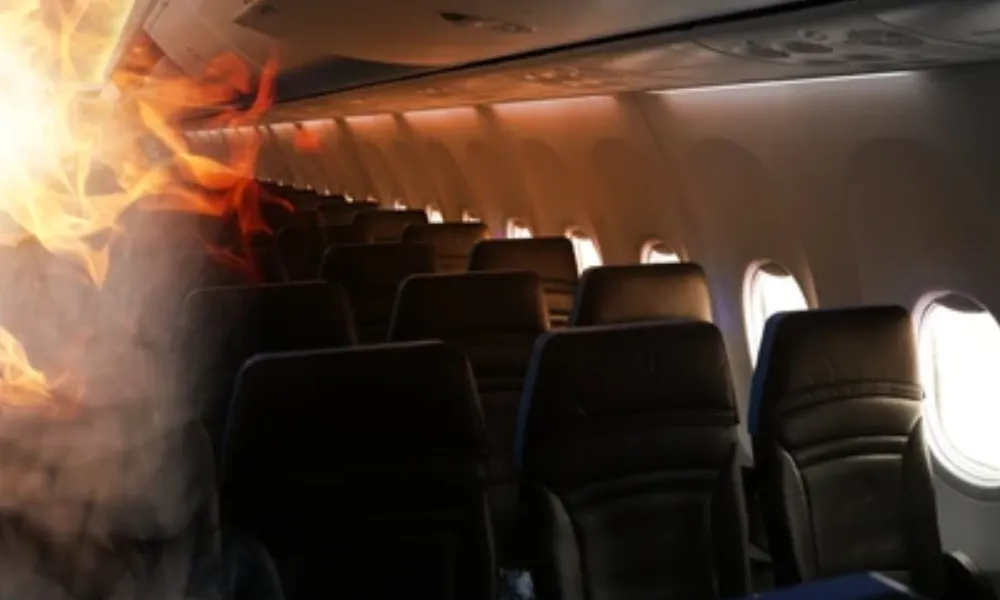
In a troubling trend for the aviation industry, two laptop fires aboard American Airlines flights within a year have sparked significant safety concerns and prompted aviation insurers to reevaluate their risk assessments. The most recent incident occurred on American Airlines Flight 2398, which was approaching Dallas Fort Worth International Airport when a laptop caught fire, filling the cabin with smoke. Thankfully, the Airbus A321 landed safely, and although some passengers suffered minor burns, the quick actions of the crew prevented a more serious situation. This incident is not isolated; it is part of a growing pattern of lithium battery-related incidents that has caught the attention of insurers and regulatory bodies alike.
The first fire this year involved a laptop igniting in a carry-on bag during the boarding of Flight 2045 from San Francisco to Miami, leading to a full emergency evacuation. Such occurrences have raised alarms within the aviation community as they highlight the risks associated with lithium batteries, which are commonly found in laptops and other portable electronic devices.
The Growing Threat of Lithium Battery Incidents
The Federal Aviation Administration (FAA) has reported a staggering 58 verified incidents of lithium battery-related smoke, fire, or extreme heat aboard U.S. passenger aircraft as of mid-2026. This has positioned laptop batteries as the leading cause of in-flight device incidents, far surpassing other devices such as e-cigarettes and mobile phones.
Understanding Thermal Runaway
At the heart of the problem lies a phenomenon known as thermal runaway, which occurs when a battery's internal faults cause its temperature to rise rapidly and uncontrollably. This can lead to combustion or explosions, making any sign of smoke or fire in a pressurized cabin an urgent emergency, regardless of how contained it might initially seem.
Impacts on Aviation Safety Regulations
The increasing frequency of these incidents has prompted the International Civil Aviation Organization (ICAO) to enact stricter regulations. As of March 2026, new global specifications limit passengers to carrying only two power banks and prohibit in-flight recharging, in addition to existing airline-specific restrictions regarding device capacity and storage. These measures are aimed at reducing the risks presented by lithium batteries, but questions remain about their effectiveness.
The Role of Insurers and Underwriters
With the aviation insurance market already facing financial pressures from years of losses, the recent uptick in battery incidents has led underwriters to scrutinize risk assessments more closely. According to Gallagher Specialty's Plane Talking research, this increasing trend in lithium battery incidents is impacting how insurers frame their risks.
- Operational Controls Are Crucial: Insurers now look for credible operational controls, including crew training on fire suppression procedures and the availability of thermal containment equipment.
- Passenger Communication: Clear protocols for communicating with passengers during emergencies are becoming a standard requirement.
- Screening Processes: Enhanced cargo screening processes for both declared and undeclared battery shipments are essential for risk management.
What This Means for Travelers and Airlines
As the aviation industry grapples with these challenges, the implications for travelers are significant. While the likelihood of a catastrophic event remains low, the potential for minor injuries and emergency evacuations is increasing. Passengers should remain vigilant about their electronic devices and adhere to airline regulations regarding battery-powered items.
The Importance of Training and Preparedness
The effectiveness of crew response was demonstrated during the incident on Flight 2398. The crew’s swift actions in utilizing a thermal containment bag to manage the situation were commendable and showcased the importance of training in emergency protocols. Such outcomes are vital for airlines when negotiating insurance renewals, providing evidence of effective risk management in real-world scenarios.
Challenges for the Aviation Market
The aviation market is currently experiencing a challenging environment, with attritional losses eroding airline premium bases. The need for increased scrutiny over incidents that are becoming routine rather than rare is pressing. For aviation insurers, a risk that continues to rise in frequency while remaining largely non-fatal poses a unique challenge. Underwriters are now more likely to impose stricter controls and possibly higher premiums to compensate for the increased risk.
Global Trends in Aviation Safety
The trend of lithium battery incidents is not limited to the U.S. A recent incident on a UK-bound EasyJet flight from Egypt, which was diverted to Rome due to a charging power bank in checked luggage, underscores the global nature of this issue. The UK Civil Aviation Authority has also flagged power banks as a growing source of serious in-flight issues, emphasizing that this is a worldwide concern that transcends borders.

Key Takeaways
- Recent laptop fires on American Airlines flights emphasize the rising risk associated with lithium batteries.
- The FAA has recorded 58 verified incidents of lithium battery-related emergencies in 2026.
- New regulations limit passengers to two power banks and ban in-flight recharging.
- Insurance underwriters are increasingly scrutinizing airlines for risk management practices.
- Effective crew response is critical in mitigating risks associated with in-flight emergencies.

Frequently Asked Questions
What should passengers do to reduce the risk of battery incidents during flights?
Passengers can mitigate risks associated with lithium batteries by adhering to airline regulations regarding battery-powered devices. This includes ensuring that devices are stored properly during the flight and not charging devices in-flight unless permitted. Additionally, passengers should avoid carrying damaged batteries or devices, as these pose a higher risk of malfunction.
How are airlines training their crews to deal with lithium battery incidents?
Airlines are increasingly incorporating specific training modules focused on lithium battery incident management into their safety protocols. This includes training on recognizing the signs of battery malfunctions, using thermal containment bags effectively, and implementing two-step fire suppression procedures. Regular drills may also be conducted to ensure that crew members are well-prepared to respond to these emergencies.
What should travelers know about their insurance coverage regarding in-flight incidents?
Travelers should review their travel insurance policies to understand the coverage provided in the event of an in-flight incident. Many standard travel insurance policies cover trip cancellations and medical expenses, but coverage related to personal injury or damage caused by lithium battery incidents may vary. It's advisable to consult with insurance providers to clarify coverage specifics and any exclusions.
Are there any ongoing regulatory changes regarding lithium batteries in aviation?
Yes, regulatory bodies like the ICAO are continually updating safety regulations in light of the increasing incidents related to lithium batteries. As of March 2026, new limitations on the number of power banks passengers can carry and restrictions on in-flight recharging are in place. Travelers and airlines alike should stay informed about these regulations as they continue to evolve to enhance aviation safety.
Comments
Impact of US-Canada Tariff Dispute on American Businesses
The recent collapse of US-Canada trade negotiations has resulted in significant tariffs that are poised to impact a wide range of American businesses. This article explores the implications of these tariffs, the industries affected, and what companies should do to mitigate risks.

Related articles







Popular in Business Insurance
- Surging War-Risk Insurance Rates in the Strait of Hormuz: What It Means for Shipping
- Ross & Yerger Insurance Faces Class Action Over Data Breach Allegations
- Sompo Expands U.S. Workers' Compensation Portfolio with Service Insurance Acquisition
- Legal Battle Unfolds Over $1 Million Truck Crash Insurance Payout
- Howden Group's Ambitious Journey Toward IPO and Expansion