Rising Risks: The Impact of Laptop Fires on Aviation Insurance
Recent incidents of laptop fires on American Airlines flights highlight an alarming trend in aviation safety and insurance. With lithium battery fires becoming more common, insurers are adjusting their policies and rates to reflect this growing risk.
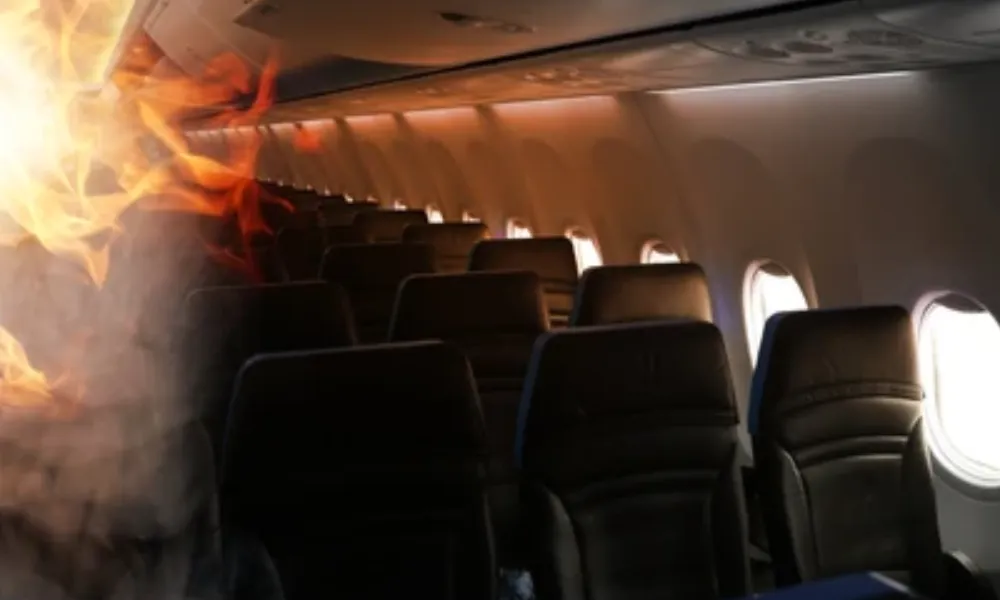
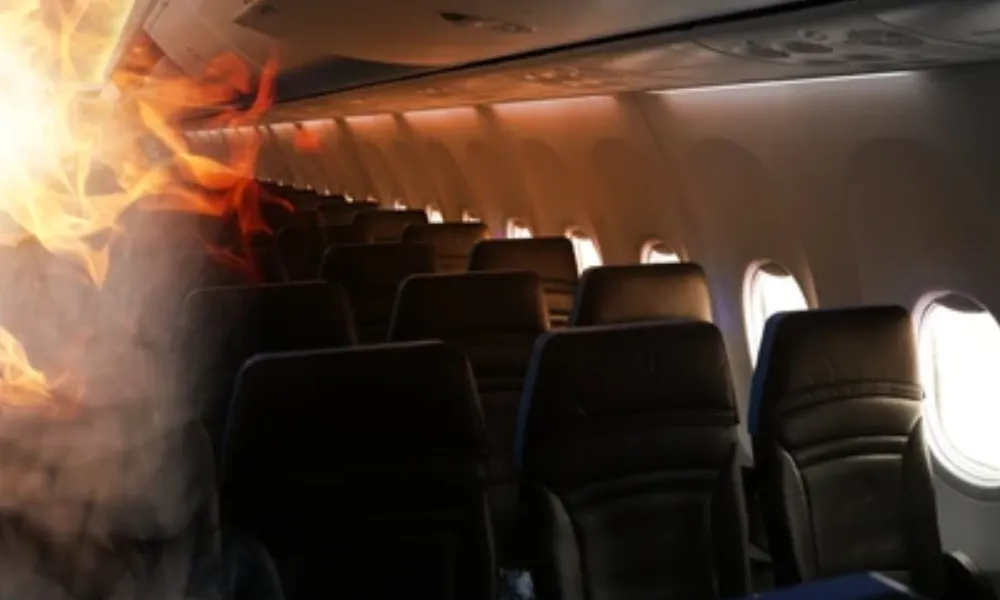
The aviation industry is grappling with a rising tide of incidents involving lithium battery fires, a concern that has prompted insurers to reassess their policies and premiums significantly. A recent episode aboard American Airlines Flight 2398 serves as a stark reminder of this peril. As the Airbus A321 approached Dallas Fort Worth International Airport, a passenger's laptop ignited, filling the cabin with smoke. Thanks to the swift action of the flight attendants, who contained the device using a thermal containment bag, the situation was managed without severe injuries. Nonetheless, this incident marked the second laptop fire on an American Airlines flight within the same year, raising questions about safety protocols, regulatory responses, and the implications for aviation insurance.
The Federal Aviation Administration (FAA) has begun an investigation into the incident, highlighting the need for stringent safety measures as the number of recorded lithium battery incidents continues to rise. In 2026 alone, there have been 58 verified cases of smoke, fire, or extreme heat linked to lithium batteries aboard U.S. passenger aircraft. This troubling trend is not isolated to American Airlines; it reflects a systemic risk affecting airlines globally, where passengers frequently carry multiple battery-powered devices.

Understanding the Threat: Lithium Batteries in Aviation
Lithium batteries, commonly found in laptops, smartphones, and power banks, pose unique risks due to a phenomenon known as thermal runaway. This occurs when an internal fault in the battery causes it to overheat and potentially ignite. In a pressurized cabin environment, even a small amount of smoke can escalate into a serious emergency, leading to swift action from flight crews.
Statistics on Lithium Battery Incidents
Over the past two decades, laptop batteries have been the leading cause of in-flight incidents related to battery fires, with a total of 84 cases reported. This number surpasses incidents involving other battery types, such as e-cigarettes and mobile phones, further emphasizing the critical need for increased awareness and preventative measures.

The Insurance Landscape: Repricing Due to Increasing Risks
The aviation insurance market is currently navigating turbulent waters, influenced by a combination of increased incidents and financial pressures. According to Gallagher Specialty's Plane Talking research, attritional losses, which are smaller, more frequent losses, have eroded the premium bases for airlines, leading underwriters to implement rate increases as they reassess their exposure to risks like lithium battery fires.
With the frequency of these incidents on the rise, insurers are shifting their approach to underwriting. Rather than merely asking whether an airline has experienced a battery incident, underwriters now seek to understand the operational controls that airlines have in place to mitigate such risks.
Key Factors in Underwriting Considerations
- Crew Training: Effective training on fire suppression procedures is crucial.
- Equipment Readiness: Airlines must carry and correctly use thermal containment equipment.
- Clear Communication: Solid protocols for passenger communication are essential.
- Cargo Screening: Robust processes for screening both declared and undeclared battery shipments are necessary.

Global Regulatory Responses to Battery Risks
The alarming trend of lithium battery incidents has prompted regulatory bodies, such as the International Civil Aviation Organization (ICAO), to act. In March 2026, new global specifications were introduced, limiting passengers to carrying only two power banks and banning in-flight recharging. These measures aim to mitigate risks associated with lithium batteries while addressing the growing concerns of aviation safety.
Moreover, airlines are implementing their own specific restrictions regarding device capacity and storage. Such regulations highlight the urgent need for a unified approach to address this evolving threat in the aviation sector.
Case Studies: Recent Incidents and Their Implications
American Airlines Flight 2398 is not the only recent example of lithium battery-related incidents. Earlier this year, American Airlines Flight 2045 from San Francisco to Miami faced an emergency when a laptop ignited inside a carry-on bag during the boarding process. The incident necessitated a full evacuation via emergency slides, resulting in three minor injuries. These occurrences illustrate the growing frequency and potential severity of incidents linked to battery fires in aviation.
Beyond American Airlines, a UK-bound EasyJet flight had to divert to Rome after a power bank was discovered charging in a passenger's checked luggage. Such incidents underline the complexity of managing lithium battery risks, especially as travelers increasingly rely on multiple electronic devices.
Key Takeaways
- Increasing Frequency: The number of lithium battery incidents is rising, with 58 reported cases in just eight months of 2026.
- Insurance Repricing: Aviation insurers are adjusting premiums in response to the growing risk of battery fires.
- Regulatory Changes: New global regulations limit the number of power banks allowed in-flight and ban in-flight recharging.
- Operational Control Assessment: Airlines must demonstrate effective operational controls to mitigate battery fire risks.
- Global Concerns: The issue extends beyond U.S. airlines, affecting carrier operations worldwide.
Frequently Asked Questions
What measures are airlines taking to address lithium battery fire risks?
Airlines are implementing comprehensive training programs for crew members focused on fire suppression techniques specific to lithium batteries. Additionally, they are enhancing equipment readiness by ensuring that thermal containment bags are available and properly utilized. Furthermore, airlines are enhancing passenger communication protocols to inform travelers about the risks associated with carrying lithium batteries and the necessary precautions to take.
How do lithium battery incidents impact aviation insurance premiums?
The rise in lithium battery incidents has led aviation insurers to reassess their risk exposure, prompting them to increase premiums for airlines. This adjustment reflects the insurers' response to the growing frequency of battery-related incidents and the resultant financial pressures on the aviation industry. Insurers are now focusing on an airline's operational controls rather than just their historical incident record, which has become a critical factor in determining insurance costs.
What regulations are in place regarding lithium batteries on flights?
Regulatory bodies like the International Civil Aviation Organization (ICAO) have implemented new guidelines limiting passengers to two power banks per flight and banning in-flight recharging. These regulations aim to reduce the risks associated with lithium batteries while ensuring the safety of passengers and crew. Airlines are also instituting their own restrictions, which may vary from one carrier to another, further complicating the management of lithium battery risks.
What should travelers know about carrying lithium batteries on flights?
Travelers should be aware of the potential risks associated with carrying lithium batteries, especially in the context of airline regulations. It is advisable to limit the number of battery-powered devices and to avoid bringing power banks that exceed airline specifications. Passengers should also be informed about the proper use of electronic devices during flights and should keep their batteries charged to a reasonable level to prevent overheating. Understanding these guidelines can help ensure a safer travel experience.
Comments
Rising Risks: Aviation Insurers React to Increasing Laptop Fires
Recent laptop fires aboard American Airlines flights highlight a growing trend in aviation incidents tied to lithium batteries. With aviation insurers on high alert, what does this mean for travelers and the industry?
Related articles







Popular in Business Insurance
- Surging War-Risk Insurance Rates in the Strait of Hormuz: What It Means for Shipping
- Ross & Yerger Insurance Faces Class Action Over Data Breach Allegations
- Sompo Expands U.S. Workers' Compensation Portfolio with Service Insurance Acquisition
- Legal Battle Unfolds Over $1 Million Truck Crash Insurance Payout
- Howden Group's Ambitious Journey Toward IPO and Expansion