Revolutionizing Self-Driving Vehicle Training with Near-Miss Data
A new study from the University of Michigan highlights a groundbreaking method for training self-driving vehicles using 'near-miss' data, potentially transforming the industry's approach to safety and efficiency.
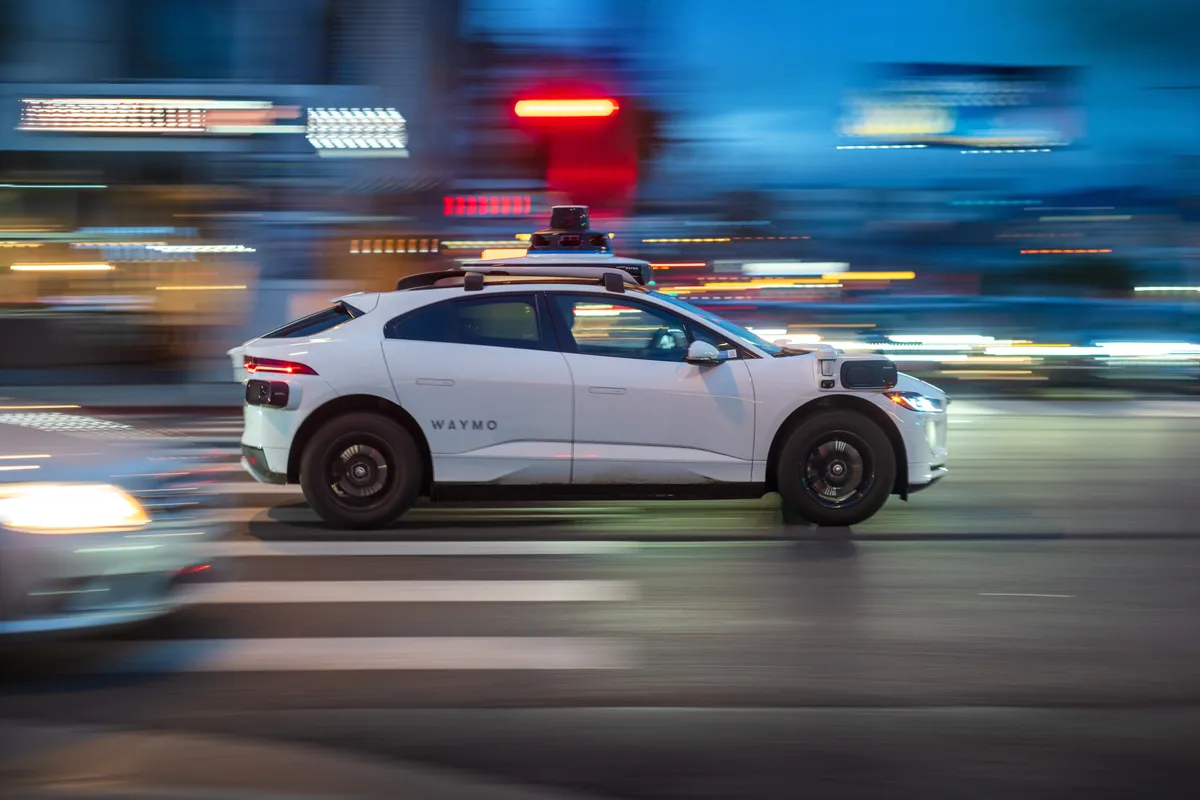
With the future of transportation on the brink of transformation, self-driving vehicles are increasingly becoming a focal point for researchers and developers alike. A recent study from the University of Michigan has unveiled a revolutionary approach to training autonomous vehicle algorithms that could drastically reduce the time and costs associated with preparing these vehicles for real-world deployment. Instead of relying on traditional driving data, which often consists of routine scenarios, researchers propose leveraging rare yet critical 'near-miss' events. This shift in focus not only enhances the training process but also significantly improves the ability of these vehicles to respond effectively to complex traffic situations.
The Importance of Near-Miss Data
Near-miss data refers to instances where a collision nearly occurs but is avoided, presenting a unique opportunity for learning. These scenarios, although infrequent, are crucial for developing robust decision-making algorithms in self-driving technology. By prioritizing these events in their training programs, developers can ensure that vehicles are better prepared for the unpredictable nature of real-world driving.
Traditional vs. Innovative Training Methods
Traditionally, self-driving vehicles have been trained using vast amounts of routine driving data, covering common scenarios such as highway driving and simple stop-and-go situations. While this data is valuable, it often lacks the complexity and unpredictability found in actual traffic environments. The new approach, which emphasizes near-miss situations, enables a more targeted training regimen that can accelerate the learning process.
- Efficiency in Training: The method allows for faster algorithm training, reducing the needed mileage for testing by an astounding 99.9%.
- Enhanced Safety Performance: Initial tests indicate a 90% improvement in safety measures when utilizing near-miss data.
- Simulation Prioritization: By generating high-value training scenarios in simulated environments, developers can focus on critical decision-making processes.
Research Findings and Implications
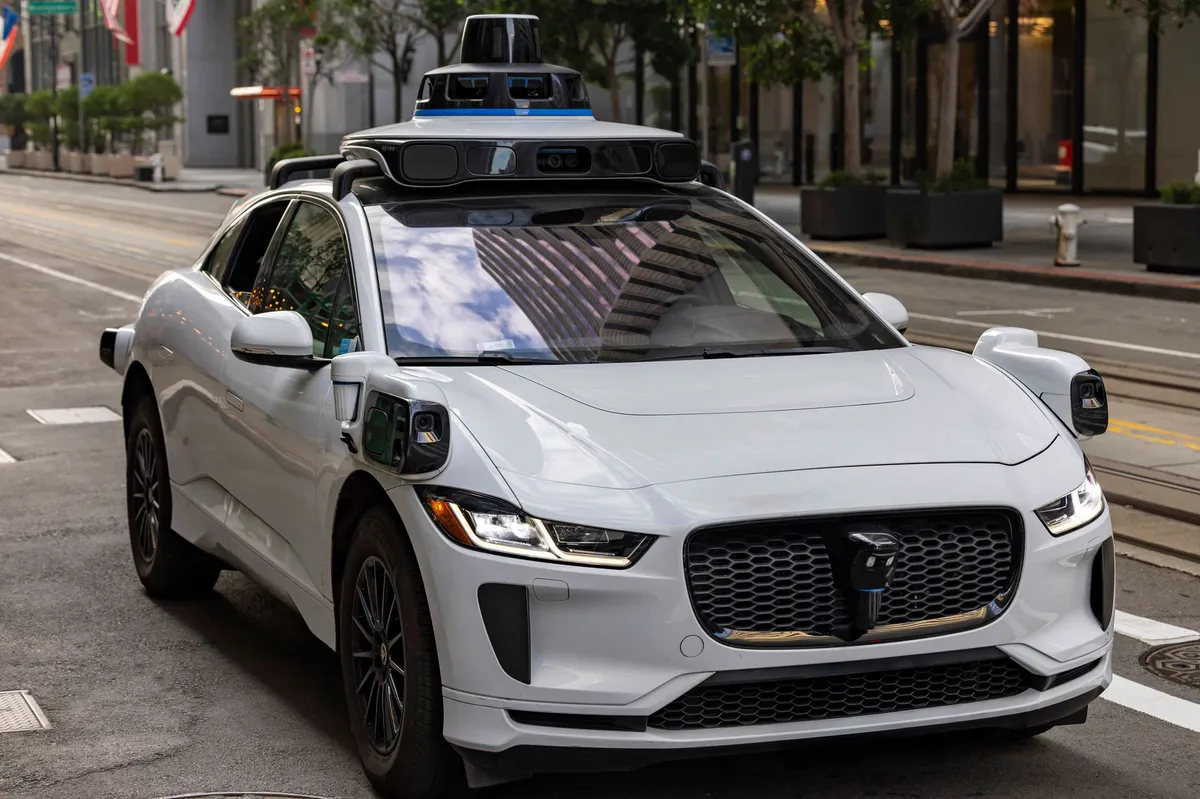
The study's findings underscore the importance of integrating artificial intelligence (AI) into the training of autonomous vehicles. The University of Michigan's approach not only builds on existing research but also leverages AI to enhance the testing and validation process for connected and automated vehicles. This innovative framework demonstrates how AI can help in identifying and prioritizing training scenarios that are most likely to challenge vehicle algorithms.
Funding and Collaboration
This research was supported by the National Science Foundation, alongside the Center for Connected and Automated Transportation at the University of Michigan. Such collaborations highlight the significance of cross-disciplinary efforts in advancing technology that promises to reshape transportation as we know it.
Challenges Ahead for Self-Driving Technology
While the advancements in using near-miss data for training autonomous vehicles are promising, several challenges still lie ahead. The integration of near-miss scenarios into real-world applications will require rigorous testing and validation to ensure safety and reliability. Moreover, as self-driving technology continues to evolve, regulatory frameworks will need to adapt to accommodate these innovations.
Public Perception and Acceptance
Another hurdle is public acceptance. As autonomous vehicles become more prevalent, potential users will need reassurance regarding their safety and efficacy. The improvement in safety performance demonstrated by the new training method could play a crucial role in enhancing public trust in self-driving technology. Stakeholders, including manufacturers, regulators, and insurance providers, must work collaboratively to foster an environment that prioritizes safety and transparency.
Future Directions for Autonomous Driving
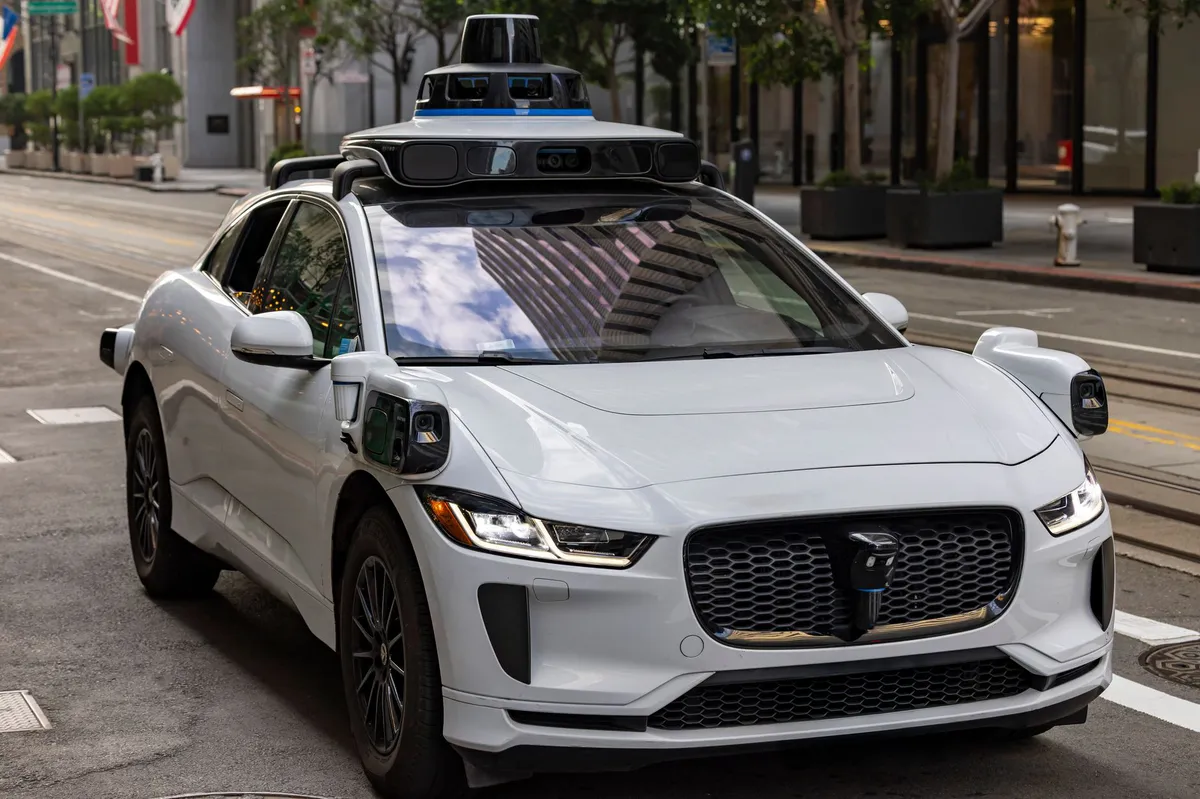
The implications of this research extend beyond just training methodologies. As the automotive industry moves towards greater automation, the need for effective and efficient training protocols becomes increasingly critical. The ability to simulate rare yet impactful driving scenarios could set a new standard for how autonomous systems are trained.
Integration with Existing Technologies
Moreover, the integration of near-miss data into existing frameworks will likely lead to enhanced capabilities in vehicle-to-vehicle (V2V) and vehicle-to-infrastructure (V2I) communications. By understanding near-miss scenarios, vehicles can better anticipate the actions of surrounding drivers and pedestrians, leading to a safer driving environment.

Key Takeaways
- Utilizing near-miss data can accelerate the training of self-driving vehicle algorithms.
- The new approach has demonstrated a 90% improvement in safety performance.
- Collaboration between institutions and the use of AI are vital for advancing autonomous vehicle technology.
Frequently Asked Questions
What exactly is near-miss data?
Near-miss data refers to instances where a potential collision almost occurs but is avoided. These scenarios are significant because they often involve complex decision-making processes that are critical for training autonomous vehicle algorithms. By focusing on these rare events, developers can better equip vehicles to handle unpredictable real-world situations.
How does this new method improve safety for self-driving cars?
The new training method emphasizes high-value training scenarios that include near-miss events. By incorporating these scenarios into the training process, vehicles can learn to make better decisions in complex traffic conditions. The initial results indicate a remarkable 90% improvement in safety performance, suggesting that this approach could lead to safer autonomous driving systems.
What are the implications for the future of self-driving technology?
The implications of this research could be far-reaching, potentially setting a new standard for training methodologies in the automotive industry. As self-driving technology continues to evolve, using near-miss data may enhance the safety and reliability of autonomous systems, leading to wider acceptance and integration into everyday life.
Comments
Kalshi and The Weather Company: A New Era in Weather Prediction Markets
Kalshi Inc. partners with The Weather Company to enhance weather prediction markets, offering new tools for businesses to manage climate-related risks. This collaboration signifies a shift in how weather data is utilized in financial markets, presenting opportunities and challenges alike.

Related articles






Popular in Business Insurance
- Surging War-Risk Insurance Rates in the Strait of Hormuz: What It Means for Shipping
- Ross & Yerger Insurance Faces Class Action Over Data Breach Allegations
- Sompo Expands U.S. Workers' Compensation Portfolio with Service Insurance Acquisition
- Legal Battle Unfolds Over $1 Million Truck Crash Insurance Payout
- Howden Group's Ambitious Journey Toward IPO and Expansion