Cargo Damage Dispute: Mitsui Sumitomo's $797,000 Lawsuit Against Carriers
Mitsui Sumitomo Insurance has filed a lawsuit against Kintetsu and Zim over $797,000 in cargo damage, alleging negligence in transporting auto wiring harnesses. This case highlights the complexities of maritime cargo insurance and the legal frameworks surrounding it.
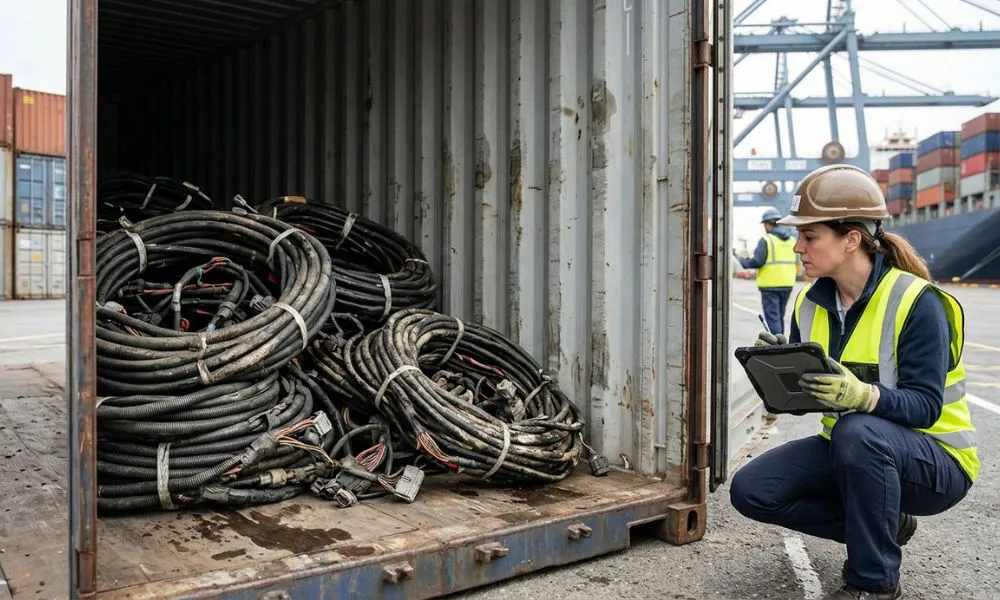
In a significant legal battle poised to unfold in the Southern District of New York, Mitsui Sumitomo Insurance Company of America has initiated a lawsuit against two major shipping companies, Kintetsu World Express and Zim Integrated Shipping Services. This case revolves around a hefty claim of nearly $800,000 stemming from alleged damage to a shipment of auto wiring harnesses. As businesses increasingly rely on global supply chains, understanding the intricacies of maritime cargo insurance and the legal ramifications of shipping disputes becomes essential for stakeholders in the industry.
The crux of this case lies in Mitsui Sumitomo's actions following a cargo loss that it covered for its client, Sumitomo Electric Wiring Systems. By filing this lawsuit, Mitsui Sumitomo is not only aiming to recover the financial losses it incurred but is also showcasing the legal principle of subrogation—a process where an insurer steps into the shoes of the insured to pursue claims against third parties responsible for the loss.
Background of the Cargo Claim
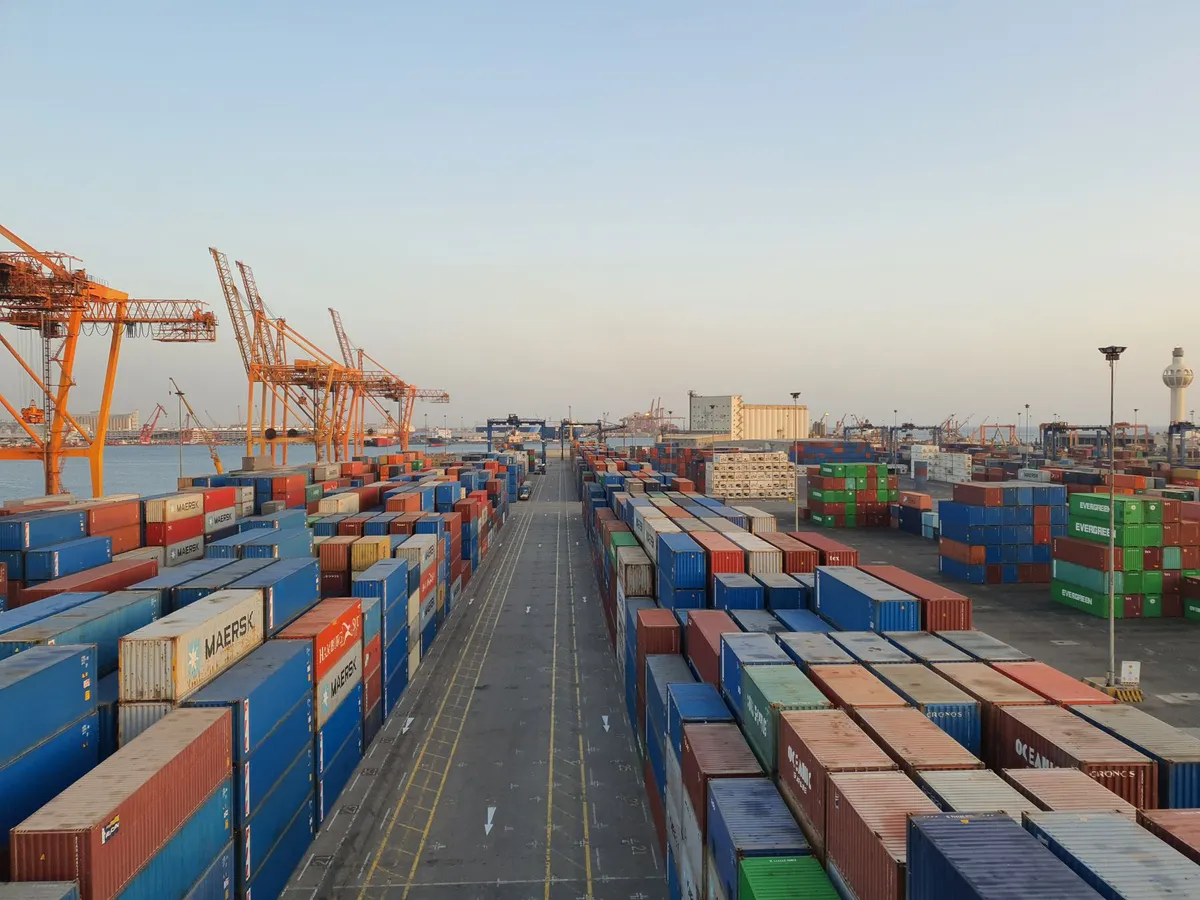
The lawsuit was filed on August 26, 2026, and it stems from a shipment that took place on or around August 23, 2025. Kintetsu World Express acted as a non-vessel owning common carrier (NVOCC), essentially a middleman responsible for securing cargo space without owning the ships that transport the goods. In this instance, Kintetsu issued three sea waybills, while Zim, the ocean carrier, issued the corresponding bills of lading for the transport of four containers filled with auto wiring harnesses from Haiphong, Vietnam, to Los Angeles.
According to the allegations, the cargo did not arrive in the same condition it left Vietnam. Mitsui Sumitomo claims the wiring harnesses were delivered in a damaged and deteriorated state, leading to a loss amounting to $797,772.84, in addition to expenses, interest, and costs associated with the claim.
Understanding the Legal Framework
The case hinges on the Carriage of Goods by Sea Act (COGSA), a critical piece of federal legislation governing the liability of ocean carriers in the United States. COGSA establishes specific responsibilities for carriers, including the obligation to deliver goods in the same condition as they were received. It also outlines the conditions under which a carrier can limit its liability.
Key Provisions of COGSA
- Carrier Liability: Carriers are liable for cargo loss or damage unless they can prove the loss resulted from specific exceptions, such as acts of God or negligence by the shipper.
- Delivery Condition: Goods must be delivered in the same condition they were received, barring normal wear and tear.
- Limitation of Liability: COGSA allows carriers to limit their liability based on the weight of the cargo.
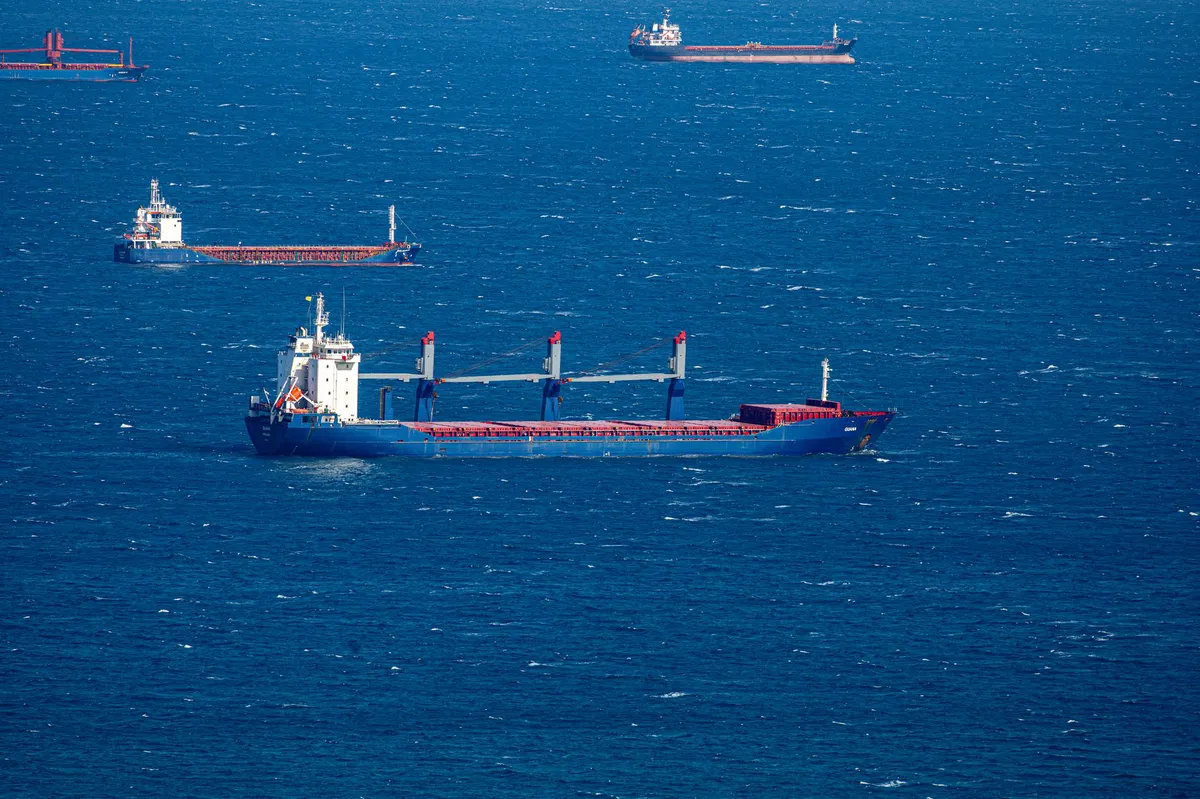
Mitsui Sumitomo's lawsuit alleges that the carriers not only violated COGSA but also acted negligently, failed to ensure the vessel was fit for the voyage, and neglected their fundamental duty to care for the goods entrusted to them. The vessel in question is named the M/V Mississippi.
The Claims and Legal Implications
This legal dispute involves four distinct claims against Kintetsu and Zim. The primary claim is under COGSA, but the insurer has also raised additional allegations of negligence and breach of contract. Each claim adds layers to the case, potentially influencing the decision-making process in court. The lawsuit is not just about recovering losses; it also underscores the importance of accountability in the maritime shipping industry.
Potential Outcomes and Consequences
If Mitsui Sumitomo wins the case, it could set a precedent regarding the liability of carriers in similar situations. This could also prompt a reassessment of practices among shipping companies, particularly concerning how they handle cargo and document transactions. On the other hand, if the carriers prevail, it may embolden them to limit their accountability further, impacting future cargo claims and insurance policies.
Impact on Businesses and the Shipping Industry
The implications of this lawsuit extend beyond the parties involved. For businesses relying on shipping and logistics, understanding the potential outcomes can inform their insurance decisions and risk management strategies. This case highlights the need for robust insurance coverage and the importance of selecting reputable carriers. Businesses must remain vigilant about their shipping contracts and the terms outlined in bills of lading, as these documents govern the liability and responsibilities in case of cargo damage.
Insurance Considerations
For companies engaged in international trade, cargo insurance is a critical component of their risk management strategy. It is essential to understand the various types of cargo insurance available and how they can mitigate losses from shipping mishaps. The key types include:
- All-Risk Coverage: This comprehensive policy covers a wide range of risks, including theft, loss, and damage during transit.
- Named Perils Coverage: This policy only covers specific risks outlined in the policy, which may leave gaps in coverage.
- General Average: This principle involves sharing losses incurred during a maritime voyage, which can be important in maritime disputes.
Understanding these policies can help businesses navigate the complexities of shipping and protect their assets more effectively.
Key Takeaways
- Mitsui Sumitomo is seeking $797,000 from Kintetsu and Zim for cargo damage.
- The lawsuit centers around the Carriage of Goods by Sea Act and alleges negligence.
- Subrogation allows insurers to pursue claims after compensating their policyholders.
- The outcome of the case could influence future shipping liability practices.
- Understanding cargo insurance is vital for businesses engaged in international trade.
Frequently Asked Questions
What is subrogation in insurance?
Subrogation is a legal principle that allows an insurance company to pursue a third party for damages after it has compensated its insured for a loss. Essentially, when an insurer pays a claim, it can seek reimbursement from the party responsible for the loss, which helps keep insurance premiums manageable and holds the responsible party accountable.
How does COGSA affect cargo shipping?
The Carriage of Goods by Sea Act (COGSA) sets forth the rights and responsibilities of carriers, shippers, and consignees involved in the maritime transport of goods. It establishes standards for liability, the condition of goods upon delivery, and exceptions to liability. This law is crucial for ensuring that cargo is handled properly and that carriers are held accountable for any damage or loss during transit.
What should businesses consider when choosing shipping carriers?
When selecting shipping carriers, businesses should evaluate several factors, including the carrier's reputation, insurance coverage, claims handling process, and compliance with industry regulations. Additionally, reviewing contracts and understanding liability clauses in bills of lading is essential for managing risk effectively.
What are the types of cargo insurance available?
Cargo insurance typically falls into several categories: all-risk coverage provides broad protection against various risks, while named perils coverage focuses on specific risks outlined in the policy. Businesses should assess their needs and consider the types of coverage that best protect their assets during transit. Understanding the nuances of these policies is vital for mitigating potential losses.
Comments
Kalshi and The Weather Company: A New Era in Weather Prediction Markets
Kalshi Inc. partners with The Weather Company to enhance weather prediction markets, offering new tools for businesses to manage climate-related risks. This collaboration signifies a shift in how weather data is utilized in financial markets, presenting opportunities and challenges alike.

Related articles





Popular in Business Insurance
- Surging War-Risk Insurance Rates in the Strait of Hormuz: What It Means for Shipping
- Ross & Yerger Insurance Faces Class Action Over Data Breach Allegations
- Sompo Expands U.S. Workers' Compensation Portfolio with Service Insurance Acquisition
- Legal Battle Unfolds Over $1 Million Truck Crash Insurance Payout
- Howden Group's Ambitious Journey Toward IPO and Expansion