Kalshi and The Weather Company: A New Era in Weather Prediction Markets
Kalshi Inc. partners with The Weather Company to enhance weather prediction markets, offering new tools for businesses to manage climate-related risks. This collaboration signifies a shift in how weather data is utilized in financial markets, presenting opportunities and challenges alike.

In an era where climate-related events are becoming increasingly unpredictable, businesses are seeking innovative ways to manage the financial risks associated with weather fluctuations. Kalshi Inc., a leader in prediction markets, has recently announced a partnership with The Weather Company to integrate real-time weather probabilities into its platform. This collaboration aims to empower businesses with enhanced tools for risk management and to establish weather-based contracts as a viable alternative to traditional insurance. As weather betting gains traction, understanding the implications of such partnerships becomes crucial for organizations navigating the complexities of climate risk.
The partnership marks a significant milestone in the evolution of weather prediction markets. By providing a new layer of data, Kalshi and The Weather Company are aiming to create market-implied probabilities that can serve as valuable insights for businesses. As weather events can have profound effects on various industries—from agriculture to construction—these tools are set to reshape how companies approach risk management in an increasingly volatile climate.
The Rise of Weather Prediction Markets
Weather prediction markets have seen a surge in popularity, particularly among traders and companies looking to hedge against the uncertainties of climate conditions. Platforms like Kalshi and Polymarket allow individuals and organizations to place bets on specific weather outcomes, such as temperature levels or rainfall amounts. This trend has been fueled by a growing interest in using market mechanisms to forecast weather events and mitigate potential losses.
Kalshi's weather contracts have experienced phenomenal growth, with trading volume skyrocketing by 500% in the past year, positioning the platform to potentially reach an annualized trading volume of $1.1 billion. The appeal of these contracts lies in their ability to provide a financial safety net for businesses that are vulnerable to unpredictable weather patterns. For instance, farmers can utilize Kalshi contracts to protect against crop losses during heat waves, while construction companies can hedge against delays caused by adverse weather conditions.

Understanding the Mechanics of Weather Contracts
At the heart of Kalshi's offering is the concept of weather contracts, which allow users to bet on the likelihood of specific weather conditions occurring on designated dates. The partnership with The Weather Company enhances the accuracy and reliability of these contracts by integrating high-quality weather data into the settlement process. According to James Belanger, vice president of meteorology at The Weather Company, their quality-control system ensures that the data used is not only accurate but also consistent with real-world observations.
How Weather Contracts Work
- Contract Setup: Users create contracts based on specific weather events (e.g., “Will it rain in New York City on July 4th?”).
- Market Involvement: Traders place bets on these contracts, influencing the market price according to their predictions.
- Settlement: Once the weather event occurs, the contract is settled based on The Weather Company's verified data.
This model offers a transparent mechanism for businesses to assess and manage weather-related risks. By utilizing market-driven data, companies can make more informed decisions regarding resource allocation and risk mitigation strategies.
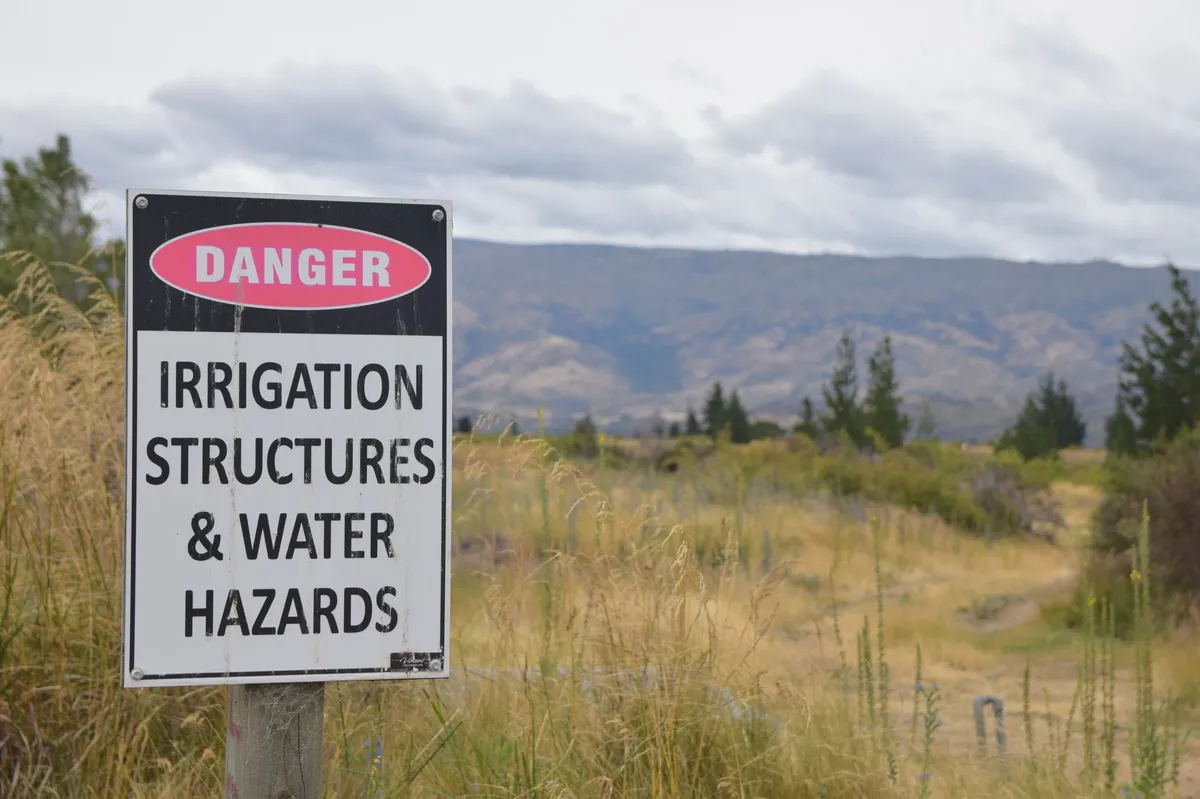
The Business Implications of Weather Betting
For many businesses, the stakes in weather prediction are high. Adverse weather can disrupt operations, impact supply chains, and lead to significant financial losses. As Will Brackett, Kalshi's head of partnerships, aptly puts it, “When it rains, it matters for everyone.” For construction crews, unexpected rain can delay critical projects, resulting in fines and penalties. The ability to hedge against such risks is a game-changer for many companies.
Moreover, the integration of weather data into business strategies is not merely about risk avoidance; it also provides opportunities for financial growth. With the right insights, companies can better align their operations with climatic conditions, optimizing production schedules and resource management. This proactive approach can significantly enhance profitability while reducing vulnerability to weather extremes.

The Challenges Ahead: Risks and Concerns
Despite the promising potential of weather prediction markets, several challenges remain. Concerns about market manipulation and the potential for insider trading are paramount among critics. A notable incident earlier this year, involving suspected tampering at a weather station in Paris, highlighted the vulnerabilities inherent in these markets. Such events raise questions about the reliability of the data used to settle contracts and the ethical considerations of betting on unpredictable phenomena.
Furthermore, the broader implications of weather betting on society and the economy are still under debate. Critics argue that framing weather events as commodities could encourage irresponsible behavior, while proponents contend that these markets can foster better information dissemination and risk assessment. As the industry evolves, striking the right balance between innovation and ethical responsibility will be crucial.
Key Takeaways
- Kalshi's partnership with The Weather Company enhances the accuracy of weather prediction markets.
- Weather contracts allow businesses to hedge against financial losses due to unpredictable weather conditions.
- The weather prediction market has seen a 500% increase in trading volume over the past year.
- Concerns about market manipulation and ethical implications persist in the growing field of weather betting.
Frequently Asked Questions
What are weather prediction markets?
Weather prediction markets are platforms where traders can buy and sell contracts based on the likelihood of specific weather events occurring. These markets leverage collective insights from participants to forecast weather outcomes, providing valuable data for businesses to manage risks associated with climate variability.
How do Kalshi's weather contracts work?
Kalshi's weather contracts allow users to bet on the occurrence of specific weather conditions. Once a weather event takes place, the contracts are settled based on verified data from The Weather Company, ensuring that the outcomes are grounded in real-world observations.
What industries can benefit from weather prediction markets?
Various industries, including agriculture, construction, and energy, can benefit significantly from weather prediction markets. These sectors are particularly vulnerable to the financial impacts of weather fluctuations, making it essential for them to leverage accurate forecasting tools to mitigate risks and optimize operations.
Are there ethical concerns associated with weather betting?
Yes, there are ethical concerns regarding weather betting, including the potential for market manipulation and the commodification of natural events. Critics argue that betting on weather outcomes could lead to irresponsible behavior, while proponents maintain that these markets can improve information flow and risk assessment capabilities.
Comments
AI Firms Warn of Rising Cyber Threats: Urgent Call for Enhanced Defenses
OpenAI, Anthropic, and over 100 tech companies are urging immediate action against AI-enabled cyber threats, emphasizing the need for stronger defenses and collaboration.

Related articles




Popular in Business Insurance
- Surging War-Risk Insurance Rates in the Strait of Hormuz: What It Means for Shipping
- Ross & Yerger Insurance Faces Class Action Over Data Breach Allegations
- Sompo Expands U.S. Workers' Compensation Portfolio with Service Insurance Acquisition
- Legal Battle Unfolds Over $1 Million Truck Crash Insurance Payout
- Howden Group's Ambitious Journey Toward IPO and Expansion