Liberty Mutual Challenges Environmental Claims Linked to Old Policies
Liberty Mutual seeks court clarity on its responsibility for toxic cleanup claims tied to policies written over 40 years ago, involving complex legal and environmental issues.
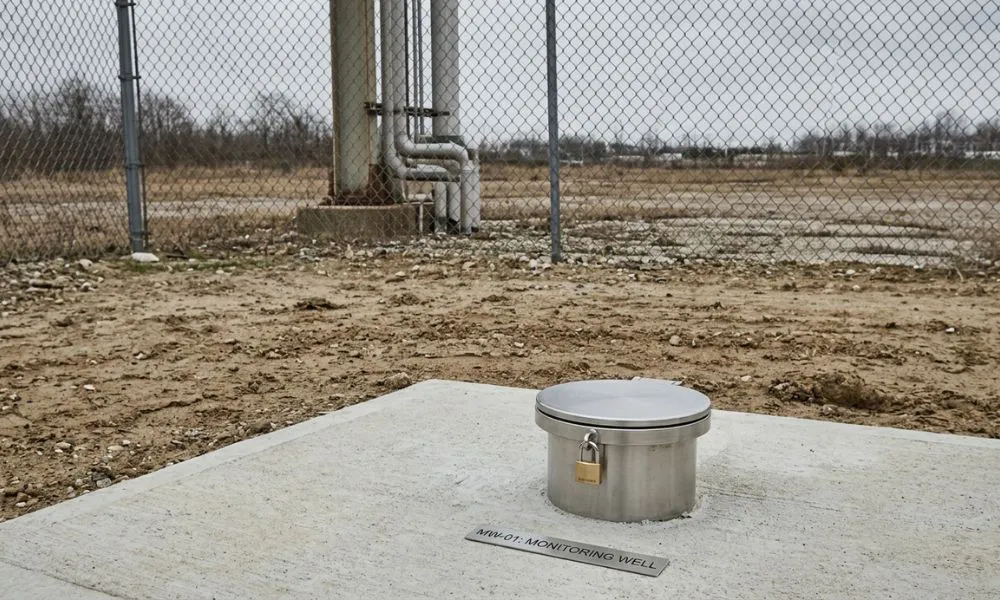
In a significant legal maneuver, Liberty Mutual has taken the step to request a federal court's ruling regarding its obligations related to toxic waste cleanup claims. These claims are anchored to insurance policies that the company issued over four decades ago. The case revolves around the environmental liabilities linked to Vishay Intertechnology, Inc., and its subsidiary, Vishay GSI, Inc., which have recently been highlighted by the California Department of Toxic Substances Control as "Potentially Responsible Parties" for contamination at several sites in California. This situation not only underscores the complexities surrounding legacy insurance policies but also raises questions about the future of environmental liability coverage in the insurance industry.
Liberty Mutual's lawsuit, filed on August 26, 2026, in the Northern District of California, is primarily aimed at absolving the insurer from any responsibility regarding cleanup costs at three specific sites: Mountain View, Palo Alto, and the Vine Hill Complex in Martinez. The insurer argues that a settlement agreement from June 5, 1996, which included a buyback of coverage for environmental claims, effectively absolves it of any further obligations. This legal battle highlights the intricate relationship between historical corporate transactions, environmental regulations, and insurance liabilities.

Understanding the Background of the Coverage Dispute
The origins of this dispute can be traced back to a series of insurance policies that Liberty Mutual issued to General Instrument Corporation between 1980 and 1997. These included general liability, pollution liability, and umbrella policies, which, at the time, had limits that now seem modest—ranging from $500,000 per occurrence to $2 million in the aggregate for general liability, and $5 million for umbrella policies. As the environmental landscape has evolved, liabilities associated with toxic waste have grown exponentially, leading to mounting pressures on insurers to clarify their responsibilities.
In January 2026, the California Department of Toxic Substances Control formally identified Vishay as a potentially responsible party for contamination at three sites, marking a critical turning point that set the stage for this legal dispute. The Vine Hill Complex, in particular, is noted as a former waste disposal facility that received industrial waste from various companies over the years. This historical context is crucial as it highlights the long-term implications of environmental damage and the role of insurance in addressing such liabilities.

The Legal Claims and Defenses
Liberty Mutual's complaint seeks two main declarations: first, that it does not have to defend or pay for the claims brought against Vishay, and second, that it bears no obligation under the historical policies in question. Central to Liberty's argument is the 1996 buyback agreement, which they assert effectively terminated their coverage for any future environmental claims related to the policies issued prior to the agreement.
The Buyback Agreement
The buyback agreement involved Liberty paying a lump sum to General Instrument Corporation to close out its coverage for environmental claims, which included a significant payment of $3 million specifically for Mountain View exposure. This agreement was designed to eliminate future obligations relating to those policies. However, the intricacies of the settlement are the crux of the current dispute, particularly regarding the scope of what was covered and what was excluded.
The Palo Alto Exception
While the Mountain View site was included in the buyback, the Palo Alto site was treated differently and classified as an "excepted claim." This classification indicates that Liberty would continue to handle claims related to the Palo Alto site within the terms of a specific pollution liability policy. The disagreement now lies in the interpretation of these agreements. Vishay argues that the contamination at Vine Hill is directly connected to earlier issues at Palo Alto, potentially keeping the coverage alive. Liberty, conversely, contends that the buyback agreement extinguished all obligations except for the narrowly defined 1987 pollution policy.

Implications for the Insurance Market
This case serves as a critical reminder for both insurers and policyholders about the long-term implications of environmental liabilities. As the landscape of environmental regulation continues to evolve, insurers may face increased scrutiny regarding their historical policies and the extent of their coverage. The outcome of this lawsuit could set a precedent for how similar cases are handled in the future, particularly concerning policies that were written decades ago.
Furthermore, this situation sheds light on the importance of understanding the implications of corporate mergers and acquisitions on insurance coverage. As companies evolve and restructure, the complexities of inherited policies can lead to significant legal challenges, particularly when environmental liabilities are at stake.
Key Takeaways
- Liberty Mutual is contesting liability for environmental cleanup claims related to policies over 40 years old.
- The 1996 buyback agreement is central to Liberty's argument for absolving responsibility.
- Environmental regulations are evolving, impacting the insurance landscape and liability coverage.
- Corporate mergers complicate insurance inheritances, raising legal challenges.

Frequently Asked Questions
What is a buyback agreement in insurance?
A buyback agreement is a settlement where an insurer pays a lump sum to a policyholder to terminate its future obligations under an insurance policy. In the case of Liberty Mutual, the buyback agreement aimed to close off coverage for environmental claims related to policies issued before 1996. This type of agreement can be beneficial for insurers looking to limit their future liabilities but can lead to disputes if the terms are not clearly understood or if new claims arise after the agreement.
How does the California Department of Toxic Substances Control determine responsibility for contamination?
The California Department of Toxic Substances Control evaluates potential responsible parties based on their historical involvement with contaminated sites. This assessment includes examining records of waste disposal and identifying companies that contributed to or managed the waste. Once identified, these companies can be held liable for cleanup costs, which can be substantial. In the case of Vishay, the state’s determination has significant implications for their insurance coverage and potential financial liabilities.
What are the implications of pollution exclusions in insurance policies?
Pollution exclusions are clauses within insurance policies that limit or eliminate coverage for damages related to pollution. These exclusions can vary significantly between policies, and understanding them is crucial for policyholders. In Liberty Mutual's case, they are citing these exclusions as part of their defense against claims related to contamination, which could further complicate their obligations under the historical policies.
What should policyholders know about inherited insurance policies?
Policyholders should be aware that inherited insurance policies can come with complex terms and conditions, especially in the context of corporate mergers or acquisitions. It is essential for companies to review these inherited policies thoroughly to understand their coverage limits, exclusions, and any potential liabilities that may arise. Lack of clarity can lead to disputes similar to the one Liberty Mutual is currently facing, which can have significant financial implications.
Comments
Kalshi and The Weather Company: A New Era in Weather Prediction Markets
Kalshi Inc. partners with The Weather Company to enhance weather prediction markets, offering new tools for businesses to manage climate-related risks. This collaboration signifies a shift in how weather data is utilized in financial markets, presenting opportunities and challenges alike.

Related articles





Popular in Business Insurance
- Surging War-Risk Insurance Rates in the Strait of Hormuz: What It Means for Shipping
- Ross & Yerger Insurance Faces Class Action Over Data Breach Allegations
- Sompo Expands U.S. Workers' Compensation Portfolio with Service Insurance Acquisition
- Legal Battle Unfolds Over $1 Million Truck Crash Insurance Payout
- Howden Group's Ambitious Journey Toward IPO and Expansion