Carnival Cruise Line Secures New Trial After $10M Sexual Assault Verdict
Carnival Cruise Line has won a new trial after a Florida jury awarded $10.3 million to a woman claiming she was assaulted on a cruise in 2018. The decision highlights the delicate balance between legal liability and the complexities of sexual assault claims in the cruise industry.
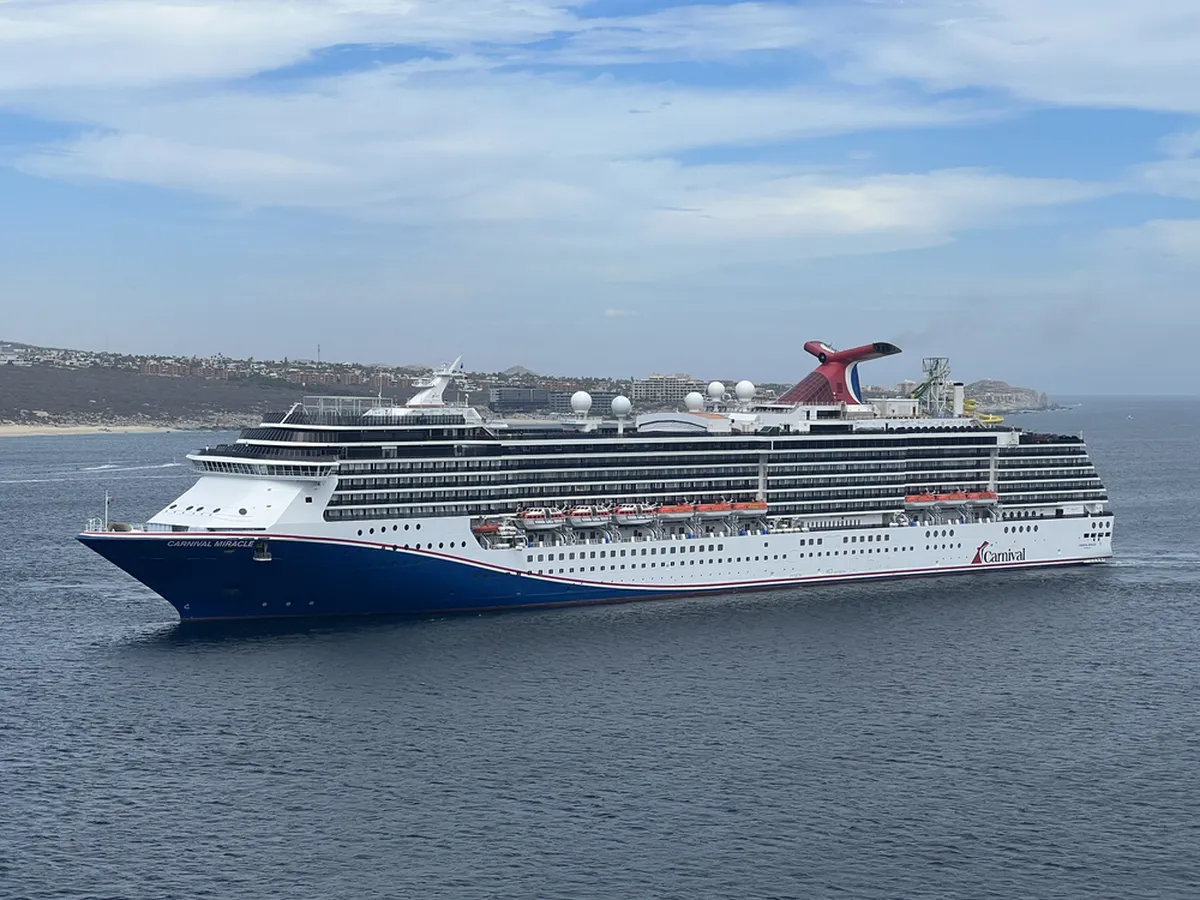
Carnival Cruise Line recently faced a significant legal setback when a Florida jury awarded $10.3 million to a young woman, referred to as Jane Doe, who alleged that she was sexually assaulted aboard the Carnival Miracle in 2018. This incident and its aftermath showcase the complexities of sexual assault claims in the cruise industry, particularly regarding liability and the legal processes involved. The recent ruling by the U.S. 11th Circuit Court of Appeals for a new trial further complicates the narrative, illuminating the tension between passenger safety and corporate liability.
The case began when Jane Doe, allegedly intoxicated, reported that a member of the ship's cleaning crew assaulted her in a storage closet. In a trial that lasted six days in Miami, the jury initially sided with Doe, but the legal landscape shifted dramatically when Carnival appealed the verdict, claiming that critical evidence was not considered during the trial.
Legal Background and Context of the Case
The 11th Circuit's ruling stemmed from Carnival's argument that the lower court improperly excluded an FBI report that suggested the encounter may have been consensual. The appellate court's decision to grant a new trial underscores the importance of evidence in sexual assault cases, especially in settings as unique as cruise ships where jurisdiction and law enforcement may complicate matters.
The Role of Evidence in Sexual Assault Claims
The court's opinion emphasized that the FBI's conclusions about the nature of the encounter could have been pivotal for the jury's verdict. In her ruling, Appeals Court Judge Barbara Lagoa pointed out that Doe had not provided sufficient evidence to discredit the FBI's findings. This raises important questions about how evidence is weighed in sexual assault cases, particularly in environments where witnesses and video surveillance may not always be available or examined thoroughly.
Implications for Cruise Line Liability
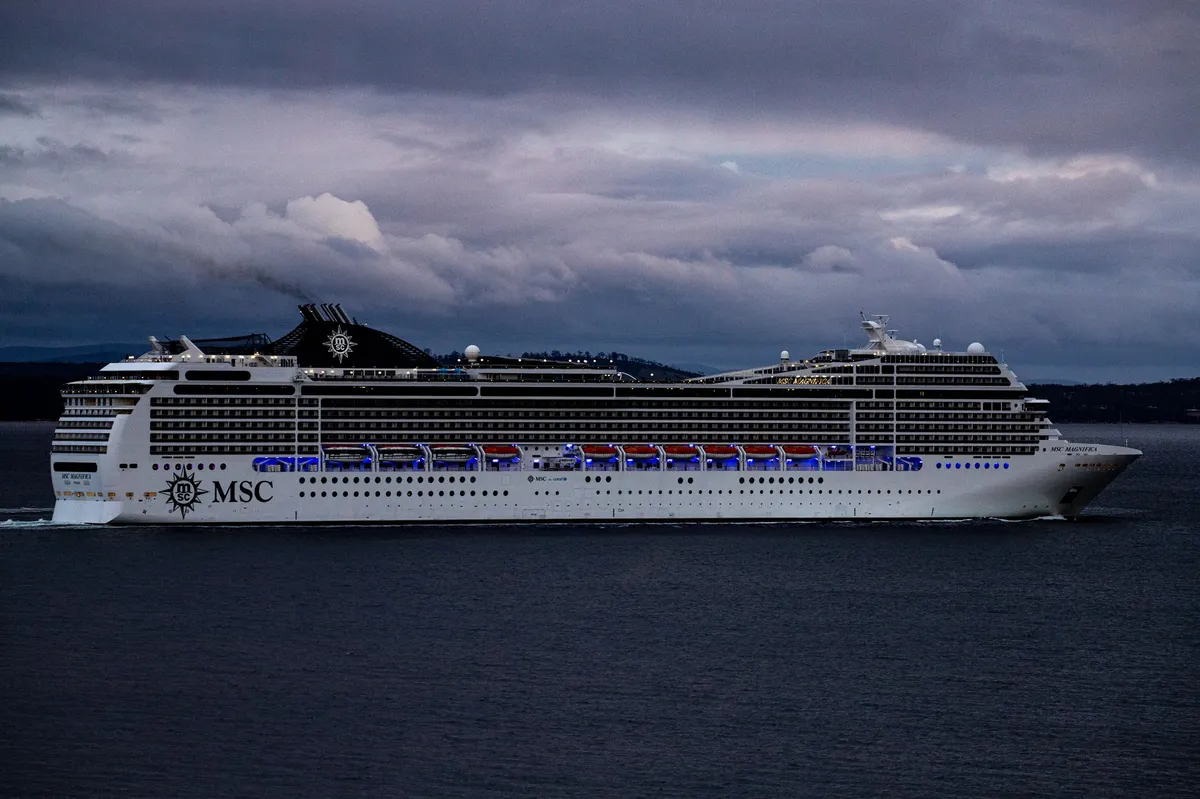
Carnival Cruise Line is not alone in facing litigation related to sexual misconduct on its ships. The cruise industry has been plagued by similar lawsuits, leading to ongoing scrutiny regarding how these companies handle claims of sexual assault and harassment. Carnival, headquartered in Doral, Florida, is largely self-insured for liability claims but also relies on mutual insurance through protection and indemnity clubs, which can significantly influence how claims are settled.
Insurance and Liability Considerations
In the context of cruise lines, liability insurance plays a crucial role. When incidents occur, companies must navigate a complex landscape of legal obligations and insurance coverages. For instance, Carnival's insurance policies may cover settlements and legal fees, but there are limits to these coverages and specific exclusions that can complicate claims. In the past, courts have ruled that cruise lines can be held liable for the actions of their crew members, particularly if they are found to have been negligent in their duty to ensure passenger safety. This creates a precarious situation for cruise lines, balancing the need to protect their reputations with the realities of customer safety.
- Legal Responsibility: Cruise lines can be held liable for crew actions.
- Insurance Coverage: Companies often carry liability insurance, but it can be complex.
- Jurisdictional Challenges: Legal proceedings can be complicated by international laws.

Impact on Victims and Passenger Safety
The ramifications of this case go beyond Carnival and its corporate obligations. For passengers like Jane Doe, the experience of reporting an assault can be fraught with challenges, from navigating the legal system to dealing with potential victim-blaming. Each lawsuit not only seeks justice for the individual but also serves as a broader commentary on how sexual assault cases are treated in the cruise industry.
Support Systems for Victims
Victims of sexual assault on cruise ships often face unique obstacles. First, they may find themselves in an unfamiliar legal environment, as cruise ships operate under maritime law which can differ significantly from state law. Additionally, the transient nature of cruise travel complicates access to resources for victims, such as counseling or legal support. As awareness grows, advocacy groups are calling for better safety measures and support systems for passengers, including improved crew training on sexual harassment and assault prevention.
Key Takeaways
- The 11th Circuit's ruling grants a new trial for sexual assault claims against Carnival.
- The role of evidence, particularly the FBI report, is crucial in legal outcomes.
- Carnival and other cruise lines face ongoing scrutiny regarding passenger safety.
- Victims of assault on cruise ships may encounter significant legal and emotional challenges.
Frequently Asked Questions
What does the new trial mean for Carnival Cruise Line?
The new trial means that Carnival will have another opportunity to contest the allegations made by Jane Doe. The appellate court's decision emphasizes that the jury did not hear all relevant evidence, particularly the FBI report that suggested the encounter may have been consensual. This could potentially alter the outcome of the case if the jury hears this evidence during the retrial.
How does maritime law affect sexual assault cases on cruise ships?
Maritime law governs incidents occurring on the high seas, which includes crimes like sexual assault on cruise ships. This legal framework can complicate the prosecution of cases, as it may involve different jurisdictions and legal standards compared to land-based incidents. Passengers must often navigate a complex legal landscape that can affect their ability to seek justice.
What resources are available for victims of sexual assault on cruise ships?
Victims of sexual assault aboard cruise ships can access several resources, including advocacy groups specializing in maritime law and victim support. Organizations such as the International Cruise Victims (ICV) provide information and assistance to victims, while legal firms experienced in maritime cases can help navigate the complexities of pursuing a claim. It is crucial for victims to seek support from professionals who understand the unique challenges posed by these situations.
Comments
Unpacking the Risks of Subsidized Immigration Enforcement Insurance
The recent proposal by ICE to subsidize personal liability insurance for immigration enforcement raises significant concerns about accountability, moral hazards, and the implications for law enforcement practices across the U.S.

Related articles







Popular in Business Insurance
- Surging War-Risk Insurance Rates in the Strait of Hormuz: What It Means for Shipping
- Ross & Yerger Insurance Faces Class Action Over Data Breach Allegations
- Sompo Expands U.S. Workers' Compensation Portfolio with Service Insurance Acquisition
- Legal Battle Unfolds Over $1 Million Truck Crash Insurance Payout
- Howden Group's Ambitious Journey Toward IPO and Expansion