Amazon Faces FTC Lawsuit Over Allegations of Misleading Advertisers
The FTC and 22 states have filed a lawsuit against Amazon, claiming the company misled advertisers about pricing on its advertising services. This legal battle could have significant implications for the e-commerce giant and its advertising practices.
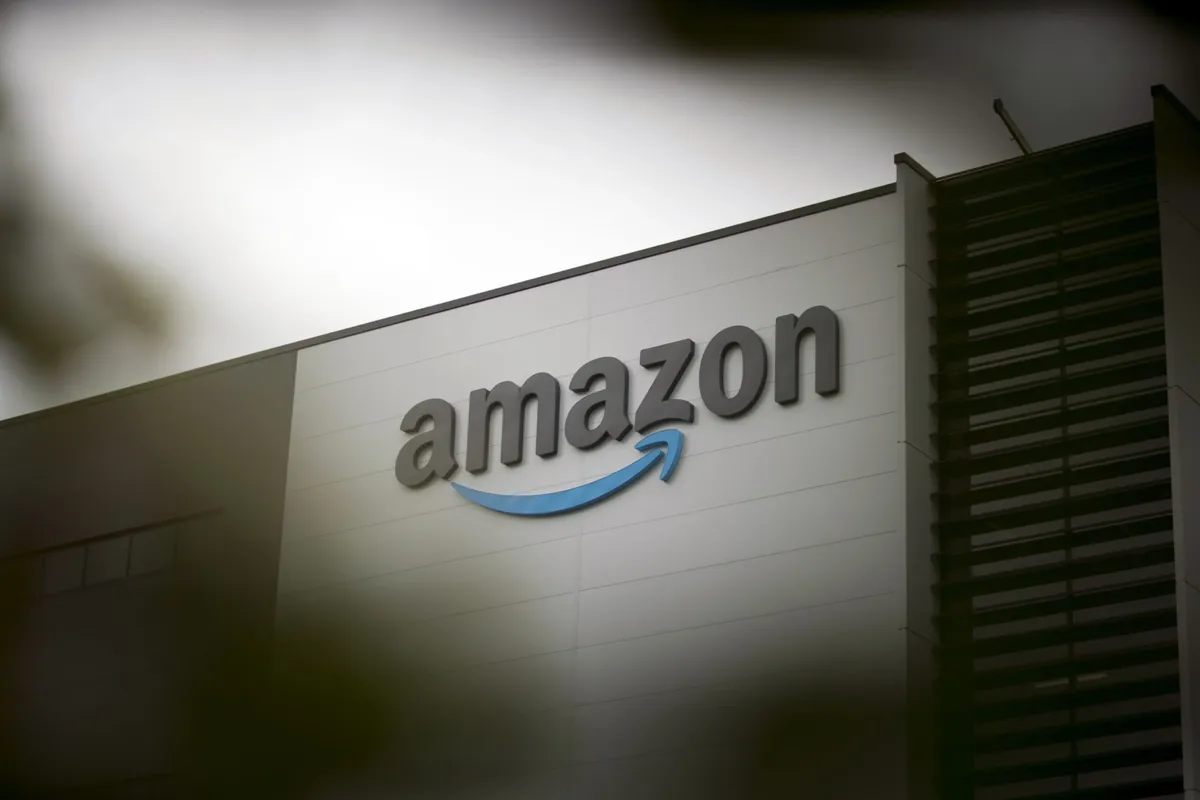
In a landmark legal development, the Federal Trade Commission (FTC), alongside 22 U.S. states, has initiated a lawsuit against Amazon.com Inc., accusing the e-commerce titan of systematically misleading its advertisers regarding pricing. The suit, filed in Seattle, alleges that Amazon has overcharged advertisers for years by providing misleading information about its advertising products, which include Sponsored Products, Sponsored Brands, and Sponsored Display ads.
The ramifications of this case could be monumental, not just for Amazon but also for the entire landscape of online advertising. With the FTC's scrutiny intensifying over various aspects of Amazon's business practices, the outcome of this lawsuit may set a precedent for how tech giants disclose pricing and advertising methods in the future.

Allegations of Systematic Overcharging
The lawsuit claims that since 2019, Amazon has “secretly and systematically overcharged” approximately 1.2 million advertising customers. The basis of the complaint hinges on the assertion that Amazon failed to adequately disclose the terms and pricing related to its advertising services, leading advertisers to believe they were participating in a fair bidding process when, in fact, they were being charged inflated auction prices.
According to the FTC and the state attorneys general, Amazon’s practices not only misled advertisers but also potentially distorted the competitive landscape of online advertising. As advertisers rely on metrics and transparency to guide their investment decisions, the lack of clear communication from Amazon may have resulted in significant financial losses for these businesses.

Amazon's Defense: Misunderstanding of Auctions
In response to the lawsuit, Amazon issued a statement asserting that the FTC’s claims stem from a fundamental misunderstanding of how its advertising auctions operate. The company argues that its auction system is designed to prioritize product relevance to shopper search terms before considering bid amounts, effectively helping shoppers find their desired products while maintaining competitive prices for advertisers.
Amazon maintains that the cost-per-click for its search ads has remained stable when adjusted for inflation from 2019 to 2024, while the performance of these advertisements has improved. The company also claims that its auctions have saved advertisers approximately $8 billion over the five-year period ending in 2025, challenging the notion that advertisers have faced inflated costs.
Legal Context and Implications
This lawsuit is not an isolated incident in Amazon's ongoing legal battles with federal regulators. Since at least 2019, the FTC has been scrutinizing various aspects of Amazon’s business practices. For example, in the previous year, the company agreed to pay $2.5 billion to resolve allegations related to its Prime subscription practices. Additionally, a separate trial is scheduled for early next year, focusing on claims that Amazon is monopolizing online retail markets and degrading product quality for consumers.
The outcome of this latest lawsuit could result in billions of dollars in civil penalties for Amazon, should the FTC and the states prevail. Furthermore, it could signal a shift in regulatory approaches toward tech giants, particularly regarding transparency and fairness in advertising practices.

Who Stands to be Affected?
The repercussions of the lawsuit extend beyond Amazon and its advertisers. Should the FTC succeed in its claims, the implications could reverberate throughout the entire online advertising sector, affecting various stakeholders:
- Advertisers: Companies utilizing Amazon’s advertising services may need to reassess their strategies and expenditures. If they were indeed misled, they may pursue further legal action or seek compensation.
- Consumers: If advertisers increase their costs to recover losses from overcharging, these expenses may ultimately be passed on to consumers through higher prices.
- Competitors: Other advertising platforms may have to adjust their practices to ensure compliance with new standards that could emerge from this case.
Key Takeaways
- The FTC and 22 states have filed a lawsuit against Amazon for allegedly misleading advertisers regarding pricing.
- Amazon claims the allegations are based on misunderstandings of its auction system.
- The outcome could significantly impact Amazon, its advertising clients, and the broader online advertising industry.
Frequently Asked Questions
What specific claims are being made against Amazon in the lawsuit?
The FTC and the state attorneys general claim that Amazon has systematically overcharged advertisers by providing inadequate disclosures about its advertising auction prices and terms. This allegedly led to a misunderstanding among advertisers, resulting in inflated costs and financial losses.
How might this lawsuit impact Amazon's advertising business?
If the lawsuit results in a ruling against Amazon, it could lead to significant financial penalties and necessitate changes to how Amazon operates its advertising services. This may involve increased transparency in pricing and bidding processes, which could alter the competitive landscape of online advertising.
What are the broader implications for the online advertising industry?
The case could set a precedent for how online advertising platforms disclose pricing and competition practices. It may prompt regulatory scrutiny of other tech giants, leading to changes in industry standards and potentially affecting how advertisers engage with platforms like Amazon, Google, and Facebook.
Comments
Unpacking the Risks of Subsidized Immigration Enforcement Insurance
The recent proposal by ICE to subsidize personal liability insurance for immigration enforcement raises significant concerns about accountability, moral hazards, and the implications for law enforcement practices across the U.S.

Related articles







Popular in Business Insurance
- Surging War-Risk Insurance Rates in the Strait of Hormuz: What It Means for Shipping
- Ross & Yerger Insurance Faces Class Action Over Data Breach Allegations
- Sompo Expands U.S. Workers' Compensation Portfolio with Service Insurance Acquisition
- Legal Battle Unfolds Over $1 Million Truck Crash Insurance Payout
- Howden Group's Ambitious Journey Toward IPO and Expansion