FTC Investigates YouTube: Implications for Users and Content Policies
The FTC's probe into YouTube raises critical questions about consumer protections and the enforcement of social media policies, potentially impacting millions of users. As scrutiny increases, what does this mean for online content creators and consumers alike?

The digital landscape has become a battleground for content creators and social media platforms, with consumer protection laws increasingly coming into play. Recently, the U.S. Federal Trade Commission (FTC) has escalated its investigation into YouTube, probing whether the platform has violated consumer protection laws by mismanaging its content policies. This inquiry raises vital questions about transparency, user rights, and the responsibilities of social media platforms in regulating speech.
YouTube’s account suspensions and content moderation policies have come under fire as the FTC investigates potential discrepancies between user expectations and the platform's actual practices. While the investigation is still in its preliminary stages and no formal accusations have been made against YouTube, the implications for millions of users and content creators could be significant.
Understanding the FTC's Role in Digital Content Regulation
The FTC is tasked with protecting consumers from unfair or deceptive acts or practices in commerce. This includes overseeing how companies communicate their policies and manage user-generated content. In the case of YouTube, the agency is examining whether the platform misled users into believing they could freely post content that was later removed or resulted in account suspensions.
The Background of the Investigation
Beginning in 2025, the FTC initiated its inquiry into YouTube's practices, following a wave of account suspensions that affected various users, including high-profile political figures. The agency is particularly focused on whether YouTube adhered to its stated content policies when taking action against user accounts. Sources indicate that the probe is nearing a point where a lawsuit could be filed, depending on the findings of the investigation.
At the core of the FTC's investigation is the assertion that users may feel deceived if they believe they are allowed to post specific types of content, only to face punitive actions later. This situation is compounded by the fact that YouTube has previously removed content related to health misinformation during the COVID-19 pandemic, leading to further scrutiny of its content moderation standards.

The Legal Landscape: Consumer Protection vs. Content Moderation
YouTube's content moderation policies operate within a complex legal framework. Courts have generally granted social media platforms broad discretion to remove content, likening their role to that of traditional publishers. This legal shield is rooted in Section 230 of the Communications Decency Act, which protects platforms from liability for user-generated content. However, the FTC's current probe suggests that this protection may not be absolute, especially when it comes to misleading users about content policies.
Potential Implications of the Investigation
If the FTC concludes that YouTube has violated consumer protection laws, several outcomes are possible:
- Settlement: YouTube could negotiate a settlement with the FTC, which would likely involve changes to its content policies and potential fines.
- Legal Defense: The company may choose to defend itself in court, arguing that its actions were consistent with its policies and legal protections.
- Increased Scrutiny: Regardless of the outcome, the investigation may lead to increased scrutiny of other social media platforms regarding their content moderation practices.
As the investigation unfolds, the FTC’s chair, Andrew Ferguson, has emphasized that companies must adhere to their stated policies, likening their obligations to those of traditional businesses. This reinforces the notion that transparency and consistency in content moderation practices are critical for maintaining user trust.
The Impact on Content Creators and Users
This investigation could have far-reaching consequences for content creators who rely on YouTube as a platform for their work. The fear of account suspension or content removal can stifle creativity and discourage users from posting content that may be deemed controversial.
What Users Should Know
For users and content creators, understanding your rights and the implications of this investigation is essential. Here are some key points to consider:
- Content Policies: Familiarize yourself with YouTube's content policies and community guidelines to understand what is permissible.
- Documentation: Keep records of your content and any communications with YouTube regarding account suspensions or content removals.
- Community Engagement: Engage with the community and advocacy groups focused on digital rights to stay informed about changes in policies and regulations.
As the digital landscape evolves, platforms like YouTube must navigate the delicate balance between content moderation and user rights. The outcome of this investigation could set a precedent for how social media companies manage user content in the future.
Key Takeaways
- The FTC is investigating YouTube for potential violations of consumer protection laws regarding content moderation.
- Users may have been misled about the platform's content policies, leading to disputes over account suspensions.
- The outcome of the investigation could result in significant changes to YouTube's content policies and practices.
- Content creators should stay informed about their rights and the implications of this ongoing investigation.
Frequently Asked Questions
What does the FTC investigation mean for YouTube users?
The FTC investigation aims to determine if YouTube misled users about its content policies, potentially impacting the rights of users regarding content moderation and account suspensions. If violations are found, users may see changes in how YouTube enforces its policies, improving transparency and user trust.
How can content creators protect themselves on YouTube?
Content creators should thoroughly understand YouTube's guidelines and document their content and communications with the platform. Engaging with communities and advocacy groups can also provide support and updates on best practices for content creation in a changing regulatory landscape.
What are the potential outcomes of the FTC's investigation?
Possible outcomes include settlements that require changes to YouTube's policies, a legal defense by YouTube, or increased scrutiny of other social media platforms. The investigation could ultimately lead to more robust consumer protections in the digital space.
Comments
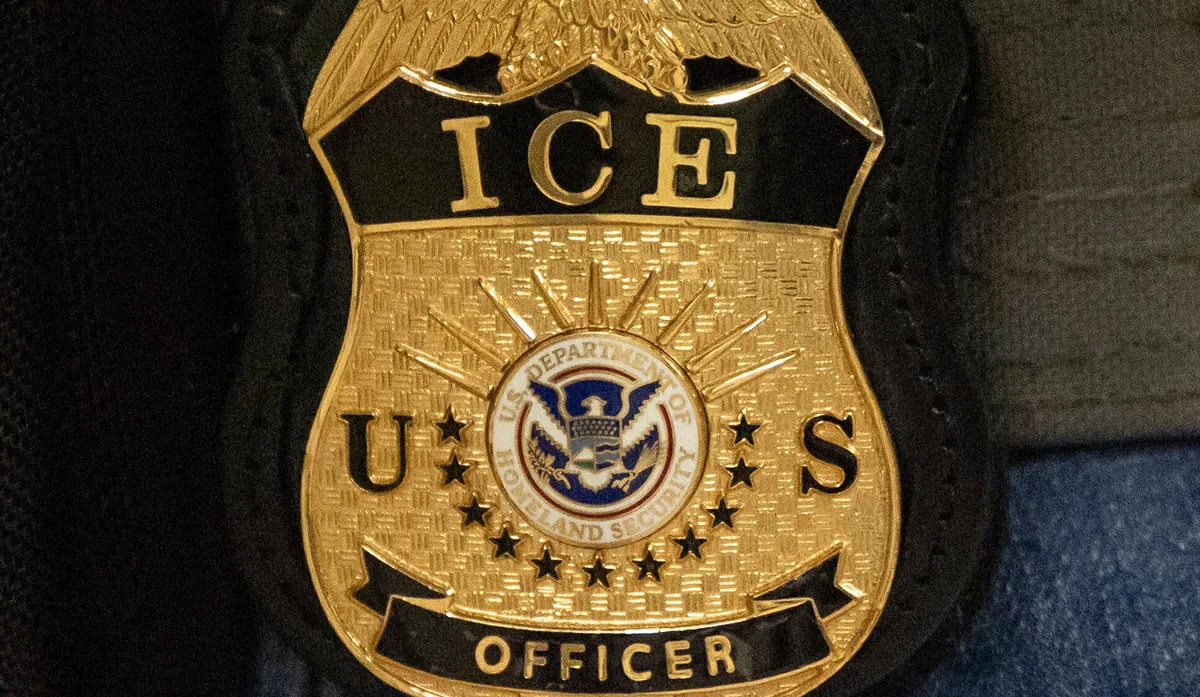
Unpacking the Risks of Subsidized Immigration Enforcement Insurance
The recent proposal by ICE to subsidize personal liability insurance for immigration enforcement raises significant concerns about accountability, moral hazards, and the implications for law enforcement practices across the U.S.
Related articles






Popular in Business Insurance
- Surging War-Risk Insurance Rates in the Strait of Hormuz: What It Means for Shipping
- Ross & Yerger Insurance Faces Class Action Over Data Breach Allegations
- Sompo Expands U.S. Workers' Compensation Portfolio with Service Insurance Acquisition
- Legal Battle Unfolds Over $1 Million Truck Crash Insurance Payout
- Howden Group's Ambitious Journey Toward IPO and Expansion