Escalating Tensions at Hormuz: Impact on War-Risk Insurance Market
Recent military escalations between the U.S. and Iran have put unprecedented pressure on the war-risk insurance market, with premiums soaring and claims exceeding annual volumes. As tensions rise, understanding the implications for shipping and insurance becomes crucial for stakeholders.
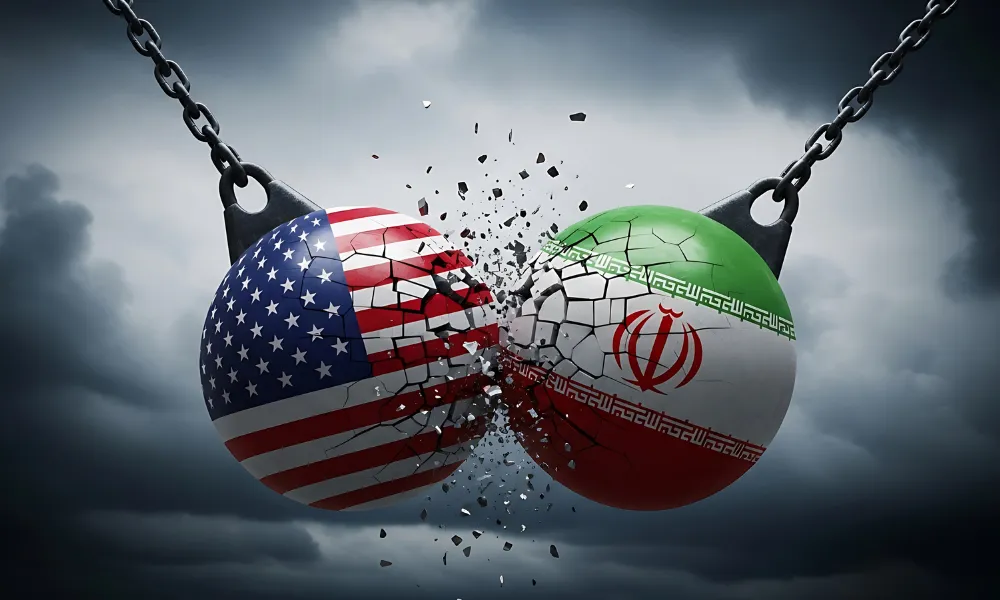
The ongoing military tensions between the United States and Iran have reached a new peak, significantly impacting the war-risk insurance market. A recent exchange of strikes at Larak Island, located at a critical juncture in the Strait of Hormuz, has exacerbated an already strained situation. As the geopolitical landscape continues to shift, the implications for maritime shipping and insurance are profound and urgent.
With a substantial portion of global oil and liquefied natural gas traffic passing through the Strait, the ramifications of these military actions extend beyond immediate conflict; they reverberate through the insurance industry, affecting premiums, underwriting practices, and overall market stability.

The Strategic Importance of the Strait of Hormuz
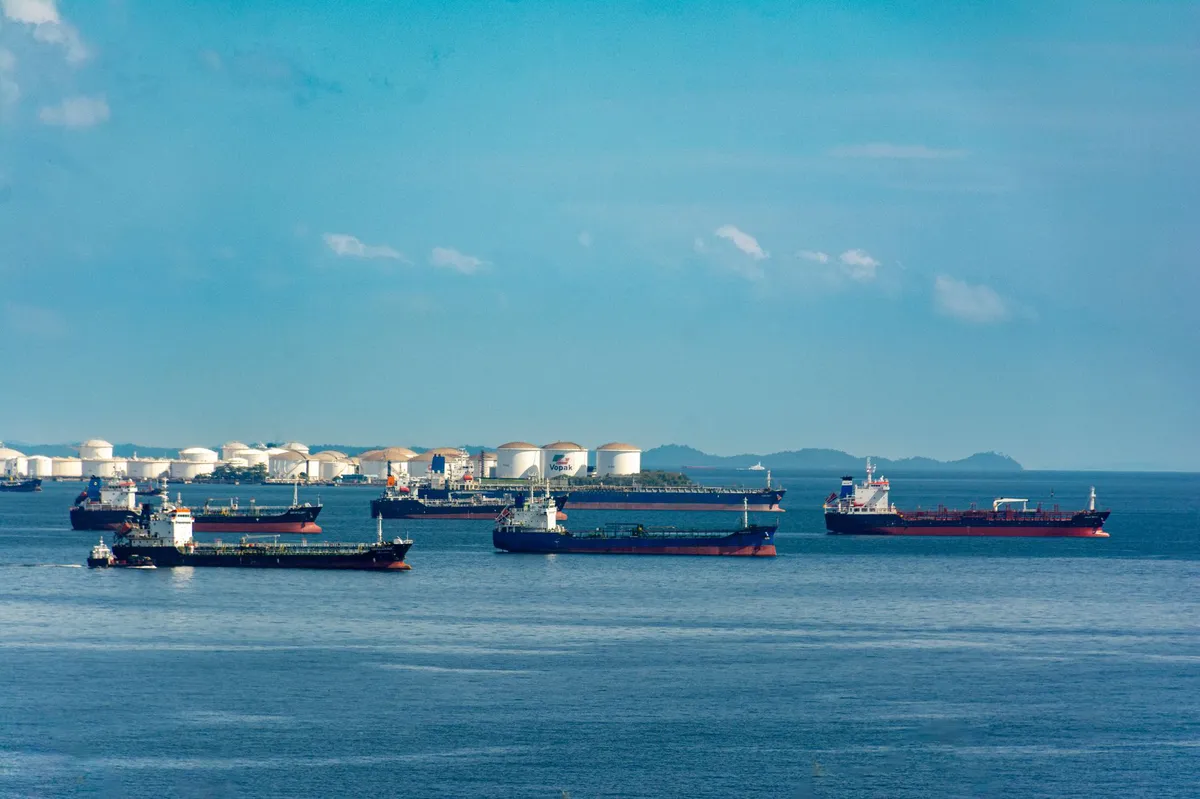
The Strait of Hormuz is not just a maritime passage; it is a vital artery for global energy supplies. Approximately 20% of the world's oil and liquefied natural gas flows through this narrow waterway, making it indispensable for international trade. Before the onset of hostilities in February, the region was bustling with transit activity. However, recent reports indicate that these transit volumes have plummeted to a mere 3% to 5% of pre-war levels as fears of military confrontation deter shipping.
Recent Military Actions
The conflict escalated with U.S. Central Command's strikes on Larak Island, which sits directly on the shipping lanes adjacent to Iran's main Gulf port, Bandar Abbas. The Islamic Revolutionary Guard Corps reported casualties from these strikes, leading to retaliatory missile attacks on U.S. bases in Jordan. Jordanian forces claimed they intercepted all incoming missiles, while Iran also alleged a drone strike on a UAE air base, which the UAE denied. This cycle of escalation marks the first significant military activity on Iranian soil since late July, highlighting the region's volatility.
War-Risk Insurance Market Dynamics
As military tensions have mounted, the war-risk insurance market has felt the strain. Before the February 28 strikes, hull war-risk premiums for transits through the Strait stood at around 0.25% of the hull value. However, the situation has drastically changed, with premiums reportedly surging to as high as 10% of a vessel's value at the peak of hostilities. For example, a tanker valued at $100 million could face an insurance bill of up to $10 million per transit, an unsustainable cost for many operators.
Impact of Larak Island's Strategic Position
Larak Island's unique geographic position makes it a focal point for risk assessments by underwriters. The Lloyd's Joint War Committee utilizes an Additional Premium mechanism to evaluate war-risk premiums on a voyage-by-voyage basis. The island's location at the narrowest navigable point of the Strait means that any military action there carries different implications compared to engagements in peripheral areas. Underwriters must carefully consider the likelihood of vessels being caught in subsequent exchanges when pricing premiums.

Claims and Financial Backstops
The war and related military actions have led to significant claims in the war, terror, and political violence segment, exceeding $2 billion to $3 billion. This figure surpasses the estimated annual global premium volume of $1.5 billion to $2 billion, prompting an unprecedented response from the U.S. government. In early March, the U.S. International Development Finance Corporation launched a maritime reinsurance facility initially valued at $20 billion, which later expanded to $40 billion. This facility is designed to absorb some of the risk, with half of the coverage assumed by the government and the other half shared among several major insurers, including Travelers, Liberty Mutual, and AIG.
Long-term Implications for the Insurance Market
The future of war-risk insurance in the region remains uncertain. The Lloyd's Joint War Committee has expanded its listing of high-risk areas to include the entire Persian Gulf, which will not be lifted until there is evidence of sustained incident-free passage and a more stable geopolitical environment. The precedent set by the Red Sea, where elevated war-risk premiums lingered long after hostilities subsided, suggests that the Hormuz corridor may see a similar long-term repricing of marine war-risk insurance.
What Stakeholders Should Consider
For marine brokers and shipping companies, the situation underscores the importance of understanding the current landscape of war-risk insurance. With premiums elevated and coverage options limited, stakeholders must engage in careful risk management and navigate the complexities introduced by ongoing military actions. This includes monitoring developments closely and reassessing insurance needs in light of the fluctuating geopolitical risks.
- Monitor Military Developments: Stay informed about the latest military actions and their implications for maritime operations.
- Review Insurance Policies: Regularly reassess insurance coverage and premium costs, especially in high-risk zones.
- Engage with Underwriters: Maintain open communication with insurers to understand risk assessments and coverage options.
Key Takeaways
- The U.S.-Iran conflict has significantly impacted war-risk insurance premiums.
- Recent military actions have led to a dramatic increase in claims exceeding annual premium volumes.
- Stakeholders must navigate a complex and evolving risk landscape in the Strait of Hormuz.
Frequently Asked Questions
How do war-risk premiums work?
War-risk premiums are calculated based on the likelihood of a maritime vessel encountering military conflict during its voyage. Insurers assess various factors, including historical data, current geopolitical tensions, and specific geographic locations. In high-risk areas, these premiums can rise significantly, reflecting the increased risk of loss or damage.
What are the implications of elevated war-risk premiums for shipping companies?
Elevated war-risk premiums can substantially increase operational costs for shipping companies. For instance, if a tanker valued at $100 million faces a premium of 10%, the company must budget for an additional $10 million per transit. This can impact profitability and may lead to higher shipping costs for consumers.
What should shipping companies do in response to rising premiums?
Shipping companies should actively engage with their insurance providers to understand their coverage options and negotiate terms. Additionally, companies should review their operational routes and consider alternative strategies to mitigate risk, such as adjusting shipping schedules or routes to avoid higher-risk areas.
Will the U.S. government’s reinsurance facility effectively stabilize the market?
The U.S. government’s reinsurance facility may provide some stabilization by absorbing a portion of the risk associated with war-risk claims. However, the long-term effectiveness of this facility will depend on the resolution of ongoing conflicts and the market's ability to adapt to a continually changing geopolitical landscape.
Comments
Unpacking the Risks of Subsidized Immigration Enforcement Insurance
The recent proposal by ICE to subsidize personal liability insurance for immigration enforcement raises significant concerns about accountability, moral hazards, and the implications for law enforcement practices across the U.S.

Related articles







Popular in Business Insurance
- Surging War-Risk Insurance Rates in the Strait of Hormuz: What It Means for Shipping
- Ross & Yerger Insurance Faces Class Action Over Data Breach Allegations
- Sompo Expands U.S. Workers' Compensation Portfolio with Service Insurance Acquisition
- Legal Battle Unfolds Over $1 Million Truck Crash Insurance Payout
- Howden Group's Ambitious Journey Toward IPO and Expansion