Kalshi Partners with The Weather Company: A New Era in Weather Prediction Markets
Kalshi Inc. has teamed up with The Weather Company to enhance weather prediction markets, allowing businesses to hedge against weather risks. This partnership not only improves data quality but also opens doors for innovative financial products in an evolving industry.
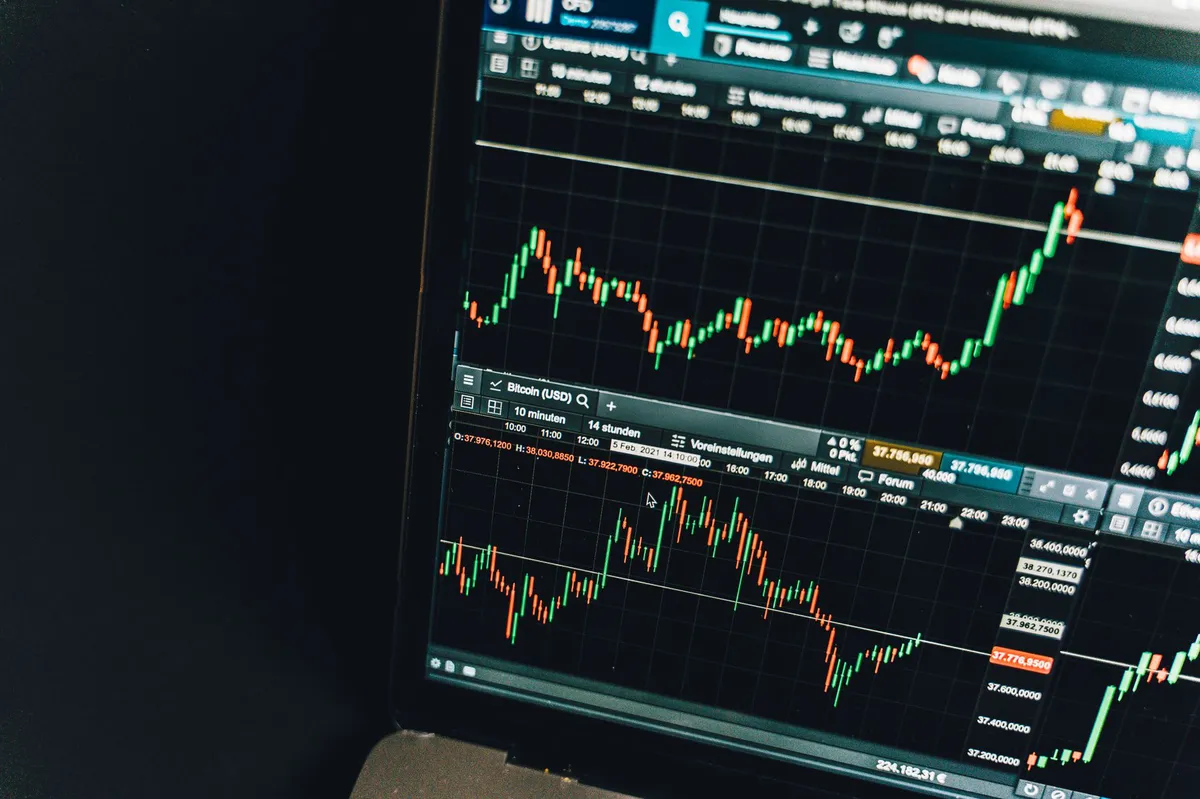
The landscape of weather prediction is evolving rapidly, with innovative platforms like Kalshi at the forefront of this transformation. The recent partnership between Kalshi Inc. and The Weather Company signals a significant shift in how businesses can manage risks associated with climate-related events. By integrating real-time weather probabilities into its offerings, Kalshi is not only enhancing its prediction market but also empowering companies to make informed decisions based on market-driven forecasts.
This collaboration aims to provide businesses with a robust tool to hedge against unpredictable weather, which can have substantial financial implications across various sectors, including agriculture, construction, and energy. In a world increasingly affected by climate change, the ability to predict and manage weather risks has never been more critical.
Understanding Prediction Markets and Weather Odds
Prediction markets, such as those operated by Kalshi and Polymarket, allow traders to bet on the outcome of specific events, including weather conditions. This betting mechanism operates on the principle of market-implied probabilities, where individuals stake money on their predictions about future weather events, such as rainfall or snowfall on particular dates. As these markets mature, they provide valuable insights into public sentiment and expert predictions regarding weather patterns.
The Appeal of Weather Prediction Markets
Weather prediction markets have surged in popularity, particularly in the wake of extreme weather events that have highlighted the unpredictability of our climate. Unlike traditional weather forecasts, which rely heavily on meteorological models and historical data, prediction markets leverage the collective wisdom of participants, potentially yielding more accurate forecasts.
Kalshi's weather contracts have seen a dramatic uptick in trading volume, increasing by 500% year-over-year. As companies recognize the value in these markets, they are turning to prediction platforms not only for immediate weather insights but also for strategic risk management. Farmers, for instance, can hedge against droughts or unanticipated heat waves that threaten crop yields, while construction firms can plan their operations around predicted weather conditions to avoid costly delays.

The Role of Data Integrity in Weather Prediction
A key challenge in weather prediction markets is ensuring the accuracy and reliability of data used to settle contracts. The partnership between Kalshi and The Weather Company addresses this concern by implementing a rigorous quality-control system. The Weather Company will run observations through its quality-control framework, comparing readings from government sources and an extensive network of personal weather stations to filter out implausible data.
James Belanger, vice president of meteorology at The Weather Company, emphasized the importance of this process, stating that a "meteorological smell test" is applied to ensure that the data used is credible. This level of scrutiny is essential not just for establishing trust in the prediction market but also for protecting participants from potential manipulation or inaccuracies.

Implications for Businesses and Industries
The introduction of weather prediction markets has far-reaching implications for various industries. For example, the construction sector, which is profoundly affected by weather conditions, stands to benefit significantly from reliable weather contracts. Delays caused by adverse weather can lead to substantial financial penalties and increased costs. By utilizing Kalshi's platform, construction managers can better plan their schedules and avoid costly disruptions.
Benefits for Agricultural Producers
Agricultural producers are particularly well-positioned to leverage these prediction markets. The financial stakes in agriculture are high, with crop yields directly influenced by weather conditions. By purchasing weather hedges, farmers can protect their revenue against unforeseen weather events, such as droughts or excessive rainfall. These financial instruments provide a safety net that can stabilize income and encourage more strategic planning in farming operations.
The Future of Weather Prediction Markets
As Kalshi continues to expand its offerings, the future of weather prediction markets looks promising. The integration of advanced data analytics and the growing acceptance of market-based solutions for risk management could pave the way for a new era of climate forecasting. However, challenges remain regarding regulatory oversight and ethical concerns around potential manipulation and gambling implications.
Notably, the incident involving suspected data tampering at Paris's Charles de Gaulle Airport highlights the vulnerabilities within the system. Investigations into such occurrences are crucial to maintaining the integrity of prediction markets and ensuring that they can be trusted by participants. The ongoing dialogue about the role of prediction markets in society will likely shape the regulatory landscape in the years to come.
Key Takeaways
- Kalshi's partnership with The Weather Company enhances data reliability, crucial for weather prediction markets.
- Weather prediction markets provide businesses with a new tool for managing climate-related risks.
- Trading volume for Kalshi's weather contracts has surged by 500% year-over-year, indicating growing interest.
- Rigorous data quality controls are essential to maintain market integrity and protect participants.
- Farmers and construction firms are among the primary beneficiaries of weather prediction markets.
Frequently Asked Questions
What are prediction markets, and how do they work?
Prediction markets are platforms where individuals can place bets on the outcomes of future events, such as weather conditions. Participants buy shares that represent their predictions, and the market price reflects the collective confidence in those outcomes. For example, if traders predict a high likelihood of rain on a specific date, the market price for that outcome will increase, indicating consensus among participants.
How does Kalshi ensure the accuracy of its weather data?
Kalshi collaborates with The Weather Company to implement a robust quality-control system that assesses weather data before it is used to settle contracts. This involves comparing government observations with readings from a network of personal weather stations and applying a "meteorological smell test" to filter out implausible data.
What industries can benefit from weather prediction markets?
Various industries can benefit from weather prediction markets, particularly those that are significantly impacted by weather conditions. Key sectors include agriculture, where farmers can hedge against adverse weather, and construction, where firms can plan operations to avoid delays due to weather-related disruptions. Additionally, energy companies can use weather contracts to manage supply and demand fluctuations related to weather changes.
Are there risks associated with participating in prediction markets?
Yes, there are risks associated with participating in prediction markets, including the potential for financial loss if predictions do not come to fruition. Additionally, concerns about market manipulation and data integrity can pose risks to participants. It is essential for traders to understand these risks and approach weather prediction markets with caution, utilizing them as part of a broader risk management strategy.
Comments
Unpacking the Risks of Subsidized Immigration Enforcement Insurance
The recent proposal by ICE to subsidize personal liability insurance for immigration enforcement raises significant concerns about accountability, moral hazards, and the implications for law enforcement practices across the U.S.

Related articles







Popular in Business Insurance
- Surging War-Risk Insurance Rates in the Strait of Hormuz: What It Means for Shipping
- Ross & Yerger Insurance Faces Class Action Over Data Breach Allegations
- Sompo Expands U.S. Workers' Compensation Portfolio with Service Insurance Acquisition
- Legal Battle Unfolds Over $1 Million Truck Crash Insurance Payout
- Howden Group's Ambitious Journey Toward IPO and Expansion