US Expands Long-Range Drone Testing Program for Commercial Use
The US government is significantly expanding its BEYOND drone testing program to explore advanced commercial applications. This initiative aims to enhance the use of drones for cargo delivery and data collection over greater distances and altitudes.
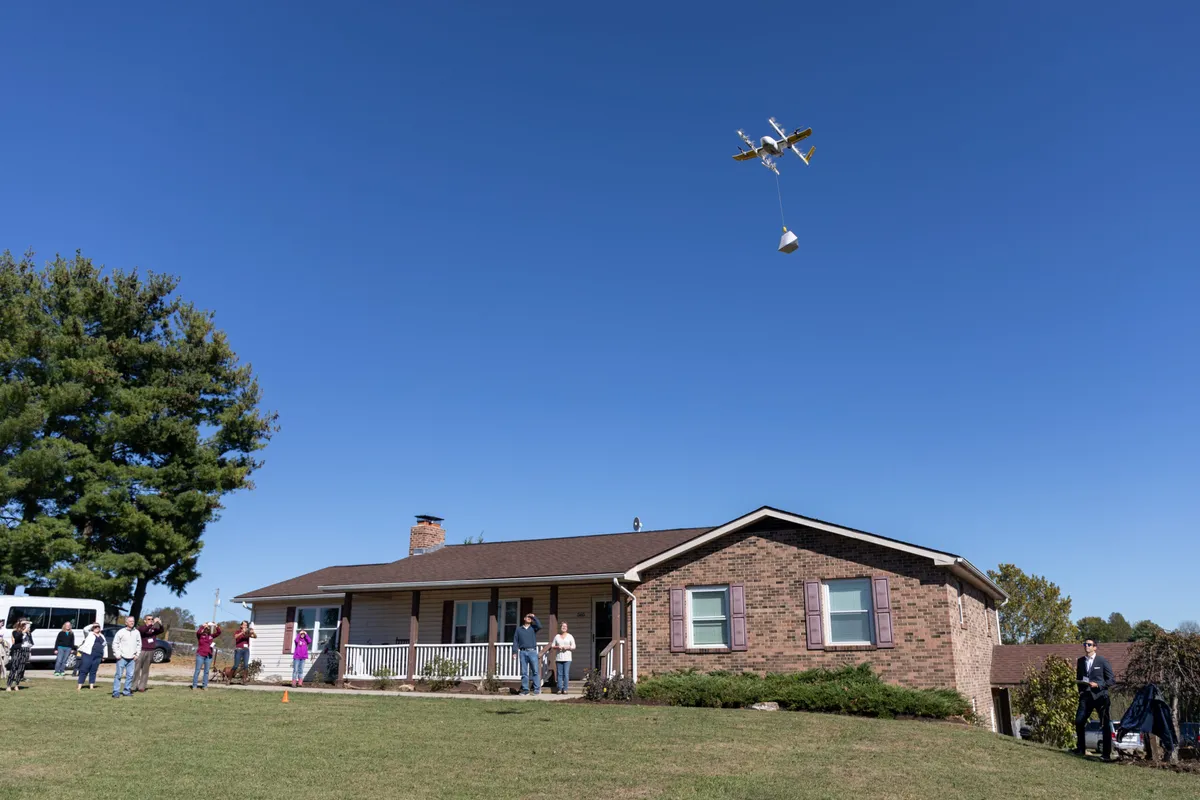
The skies are becoming increasingly crowded with the buzz of unmanned aerial vehicles (UAVs), commonly known as drones, as the U.S. government ramps up its testing programs to integrate these flying machines into everyday life. On August 27, 2026, the Transportation Department and the Federal Aviation Administration (FAA) announced a significant expansion of the BEYOND program, a pioneering initiative designed to explore the potential of commercial drones in real-world scenarios. This expansion signifies a crucial step towards realizing a future where drones play a vital role in various sectors, from logistics to public safety.
Initially launched in October 2020, the BEYOND program was established to facilitate complex drone operations beyond the operator's direct line of sight, a critical requirement for the safe integration of drones into the National Airspace System (NAS). The latest phase aims to double the program's size by introducing up to eight new participants, focusing on larger UAVs and more complex use cases.
Understanding the BEYOND Program
The BEYOND program is not merely an experimental framework; it is a structured approach to gathering vital data that can shape the future of drone regulation and usage in the U.S. The initiative primarily focuses on drone operations that extend beyond visual line of sight (BVLOS). This is pivotal because existing regulations often require operators to maintain visual contact with their drones, which limits the operational range and scope of drone applications.
During its first phase, the program successfully facilitated over 70,000 flights and involved key participants, including the Choctaw Nation of Oklahoma and the University of Alaska Fairbanks. The data gathered has been instrumental in addressing various challenges inherent in drone operations, such as public safety, noise management, and privacy concerns.
New Horizons: What Does the Expansion Entail?
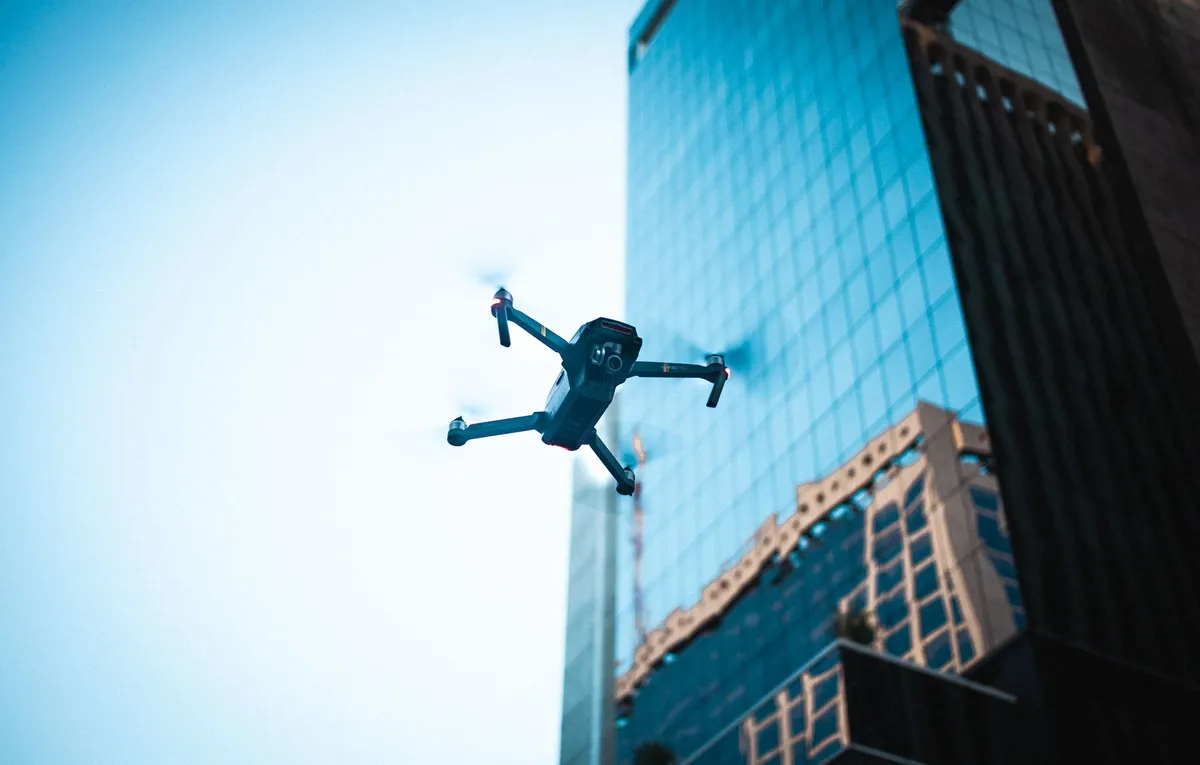
The recent expansion of the BEYOND program is a significant leap forward, focusing on larger drones capable of transporting cargo over longer distances and at higher altitudes. This shift represents a move away from smaller drones primarily used for package delivery to more advanced applications, such as:
- Cargo Transport: Utilizing larger drones to deliver goods to remote or rural areas where traditional delivery methods are inefficient.
- Data Collection: Drones equipped with advanced sensors can gather critical data for weather measurement and environmental monitoring.
- Public Safety Operations: Supporting police and emergency services in monitoring and responding to incidents effectively.
- Infrastructure Inspection: Inspecting pipelines, power lines, and other critical infrastructure safely and efficiently.
According to FAA Administrator Bryan Bedford, this new phase of the BEYOND program will expand partnerships and operations necessary to tackle remaining challenges in BVLOS operations and complex airspace environments. This approach is vital for developing regulatory frameworks that accommodate the evolving landscape of drone technology.
The Regulatory Landscape: Changes Ahead
The FAA's commitment to expanding the BEYOND program comes at a time when the regulatory landscape for commercial drone operations is in flux. Currently, drone operators require visual observers to monitor flights, or they must obtain waivers from the FAA to operate beyond their line of sight. This system has been criticized for being cumbersome and stifling innovation within the industry.
In response to these challenges, the FAA has proposed new regulations that aim to eliminate the waiver-based system in favor of a standardized set of operational requirements. These regulations are designed to streamline the approval process, making it easier for businesses to leverage drone technology for commercial applications. While these proposed regulations are not yet finalized, they represent a significant shift in how drones will be integrated into commercial practices.

Impact on Businesses and Communities
The expansion of the BEYOND program has far-reaching implications for various stakeholders, including businesses, local communities, and regulatory agencies. For businesses, especially those in logistics and delivery services, the ability to utilize drones for BVLOS operations can lead to enhanced efficiency and reduced operational costs. For example, a company like Amazon could leverage larger drones to transport goods directly to customers in rural areas, drastically reducing delivery times and increasing customer satisfaction.
However, the integration of drones into everyday life also raises concerns among local communities. Issues related to noise pollution, privacy, and safety are paramount. The FAA recognizes these concerns and has emphasized the importance of engaging with local communities to address them proactively. Feedback mechanisms will be implemented to ensure that public sentiment is considered in the development of drone operations.
What Lies Ahead for the Drone Industry?
The future of the drone industry appears promising, particularly as the BEYOND program paves the way for broader acceptance and integration of UAVs into the airspace. As regulatory frameworks evolve, businesses will likely see more opportunities for innovation, leading to the development of new applications that harness the unique capabilities of drones.
The data collected from the BEYOND program will not only inform regulatory practices but also drive technological advancements within the industry. Companies are likely to invest in research and development to create drones that are more efficient, capable of carrying heavier payloads, and equipped with sophisticated navigation and safety systems.
Key Takeaways
- The BEYOND program is expanding to include up to eight new participants, focusing on larger drones and complex operations.
- New applications for drones include cargo transport, data collection, and public safety operations.
- The FAA is proposing regulations to replace the current waiver system, aiming for more straightforward operational standards.
- Community engagement is vital to addressing public concerns regarding noise and safety.
- The expansion signifies a significant step toward integrating drones into everyday commercial practices.
Frequently Asked Questions
What types of drones will be tested in the expanded BEYOND program?
The expanded BEYOND program will focus on larger unmanned aerial vehicles (UAVs) capable of carrying significant cargo loads over longer distances and altitudes. These drones will be tested for various applications, including transporting goods to remote areas and collecting environmental data, which are crucial for advancing commercial drone operations.
How will the expansion of the BEYOND program affect current regulations?
The expansion of the BEYOND program is expected to influence the regulatory landscape significantly. The FAA is working on proposals to eliminate the current waiver-based system requiring visual observers for BVLOS operations. Instead, the agency aims to establish a standardized set of operational requirements that streamline the approval process for commercial drone operators.
What are the potential benefits of using drones in commercial applications?
Drones offer several potential benefits for commercial applications, including increased efficiency in delivery services, reduced operational costs, and the ability to access hard-to-reach locations. For example, a drone can deliver packages directly to rural customers, significantly reducing delivery times. Additionally, drones can be used for infrastructure inspections, improving safety and reducing the need for manual inspections.
How will community concerns be addressed regarding drone operations?
The FAA emphasizes the importance of community engagement in the BEYOND program. Local feedback will be actively sought to address concerns related to noise, privacy, and safety. The FAA aims to ensure that drone operations are conducted responsibly, taking into account the interests of local communities while facilitating the growth of the drone industry.
Comments
Unpacking the Risks of Subsidized Immigration Enforcement Insurance
The recent proposal by ICE to subsidize personal liability insurance for immigration enforcement raises significant concerns about accountability, moral hazards, and the implications for law enforcement practices across the U.S.

Related articles





Popular in Business Insurance
- Surging War-Risk Insurance Rates in the Strait of Hormuz: What It Means for Shipping
- Ross & Yerger Insurance Faces Class Action Over Data Breach Allegations
- Sompo Expands U.S. Workers' Compensation Portfolio with Service Insurance Acquisition
- Legal Battle Unfolds Over $1 Million Truck Crash Insurance Payout
- Howden Group's Ambitious Journey Toward IPO and Expansion