Freeway Insurance Expands with New Franchises in California and Alabama
Freeway Insurance has launched five new franchises in California and Alabama, capitalizing on changing market dynamics in these states. As major insurers retreat, the demand for non-standard auto insurance coverage grows, presenting a unique opportunity for Freeway and its franchisees.
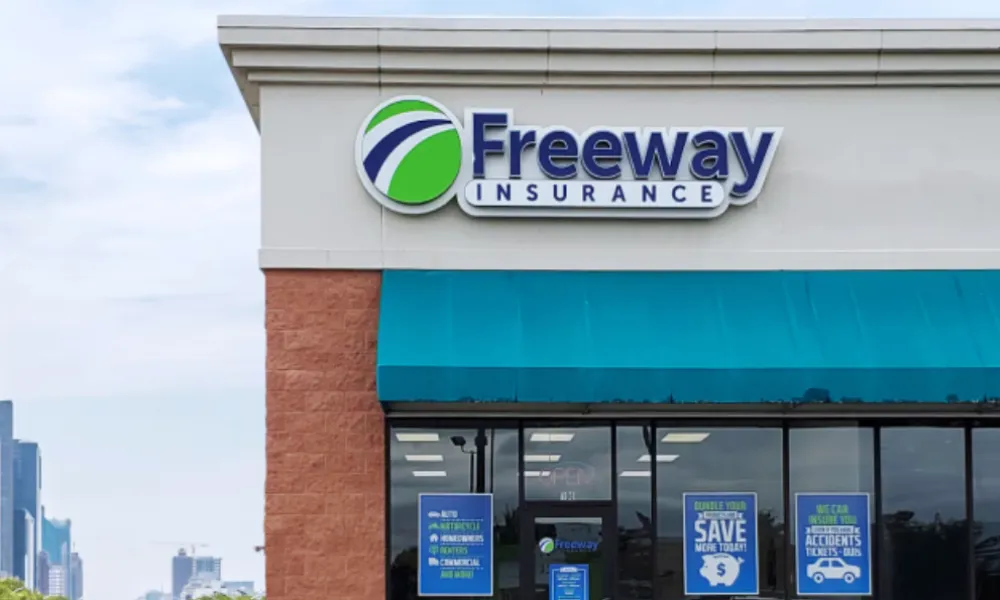
In a significant move reflecting the shifting landscape of auto insurance, Freeway Insurance has announced the addition of five new franchise locations across California and Alabama. This expansion is not merely a business decision but a strategic response to the evolving market dynamics that have caused major insurers to retreat in recent years. As the landscape of auto insurance changes, particularly in states grappling with high uninsured driver rates and stringent regulatory environments, Freeway is positioning itself to fill a critical void.
California’s auto insurance market has been under intense pressure since 2022 due to a confluence of factors, including wildfire risks and inflation. Insurers operating in the state have faced challenges under Proposition 103, which mandates prior approval for rate changes, often leading to lengthy approval processes of 12 to 18 months. Consequently, many major carriers have chosen to scale back or restrict new business, creating an opportunity for companies like Freeway Insurance that specialize in serving the non-standard market. This shift is particularly relevant as California raised its minimum liability coverage requirements in 2025, further increasing the demand for accessible insurance among drivers who may struggle to qualify for traditional coverage.

Understanding the Non-Standard Insurance Market
The term “non-standard insurance” refers to coverage designed for drivers who may have difficulty obtaining policies from traditional carriers. This includes individuals with prior traffic violations, accidents, or those required to file SR-22 forms, which are often mandated for high-risk drivers. Freeway Insurance has been serving this segment since 1987 and estimates that non-standard drivers comprise over one-third of the auto insurance market. The company’s growth trajectory coincides with a contraction among standard carriers, particularly in high-risk states like California and Alabama.
In Alabama, the landscape presents its own unique challenges. The state has one of the highest uninsured driver rates in the country, estimated at around 18%. This statistic underscores a persistent demand for affordable, accessible coverage options that traditional market pricing and requirements often overlook. As Freeway expands into Alabama, it is tapping into a significant market that requires solutions for a large population of drivers in need of insurance.

Franchise Opportunities and Growth
Freeway’s franchise model has seen impressive growth, with a 174% increase in its franchise network over the past two years, now operating in 28 states and boasting over 75 locations sold. The latest franchises include:
- Millbrook, Alabama – owned by Beontre Carter
- Clovis, California – owned by Van Vasquez and Blanca Perez
- Brentwood, California – owned by Stephen Paris
- Pomona, California – owned by Marione and Joyce Llarena
- Galt, California – owned by Rafael Guzman Jr.
The franchise opportunity comes with an initial investment of $25,000, which is reduced to $15,000 for honorably discharged veterans. This structure aims to attract potential franchisees who may not have extensive resources but are eager to enter the insurance industry and serve their communities.

The Competitive Landscape
Freeway Insurance faces competition from various other franchise brands specializing in non-standard coverage, particularly those targeting Hispanic communities, such as Pronto Insurance, which operates in states like Texas, Florida, and California. Additionally, established personal lines franchise players like Brightway and Goosehead are also vying for market share. However, Freeway’s approach focuses on empowering franchise owners through mentorship and a proven business framework, providing them with the tools needed to succeed in their local markets.
The company’s competitive edge is further enhanced by higher visibility within the public sphere. In October 2025, Freeway Insurance became the fourth Premier Partner for the NASCAR Cup Series, a move that replaced GEICO and established a stronger brand presence within motorsports. This sponsorship not only elevates Freeway’s profile but also serves as a valuable recruitment asset for prospective franchisees, giving them a recognized name to leverage as they enter local markets.
Market Trends and Regulatory Environment
The current trends in the insurance market highlight the importance of understanding regulatory impacts and consumer needs. With the ongoing consolidation of larger brokerages acquiring smaller agencies, there is an increasing opportunity for franchise models like Freeway’s to carve out a niche in underserved markets. Independent agents continue to maintain their ground, capturing 39.5% of U.S. personal lines premiums in 2025, a slight increase from 39.2% in 2024 and a significant rise from 36.7% in 2021, according to the Big "I" 2026 Market Share Report.
The demand for non-standard insurance is expected to continue growing as major carriers remain cautious in their underwriting and expansion strategies. This trend opens doors for franchise brands to not only fill the gaps left by traditional insurers but also to innovate how insurance is marketed and distributed to consumers.

Key Takeaways
- Expansion in Key States: Freeway Insurance has launched five new franchises in California and Alabama, responding to shifts in the insurance market.
- High Demand for Non-Standard Coverage: The retreat of major carriers has created a growing market for non-standard drivers.
- Franchise Growth: Freeway has expanded its franchise network by 174% in two years, now operating in 28 states.
- Competitive Landscape: Freeway competes with brands like Pronto Insurance, Brightway, and Goosehead.
- Regulatory Impact: Changes in state regulations and market dynamics are reshaping the auto insurance landscape.
Frequently Asked Questions
What is non-standard auto insurance?
Non-standard auto insurance is designed for drivers who may be considered high-risk by traditional insurers. This could include individuals with a history of traffic violations, accidents, or those needing to file SR-22 forms. Non-standard policies typically come with different underwriting standards and may be priced higher than standard policies to account for the increased risk.
Why are major insurers retreating from states like California?
Insurers are retreating from states like California due to a combination of factors, including high wildfire risks, inflation, and stringent regulations under Proposition 103 which requires prior approval for any rate changes. These challenges create an environment where many insurers find it difficult to operate profitably, leading to a contraction in the number of companies willing to write new business.
How does Freeway Insurance support its franchisees?
Freeway Insurance provides a comprehensive support system for its franchisees, including mentorship, a proven business framework, and access to marketing resources. This support is designed to empower franchise owners to effectively serve their communities and build sustainable businesses in the auto insurance market.
What are the benefits of becoming a Freeway Insurance franchisee?
Becoming a Freeway Insurance franchisee offers several benefits, including a lower initial investment (especially for veterans), access to a growing market of non-standard drivers, and the backing of a nationally recognized brand. Additionally, franchisees can tap into Freeway's established operational framework to navigate the complexities of the insurance industry more effectively.
Comments
Surging War-Risk Insurance Rates in the Strait of Hormuz: What It Means for Shipping
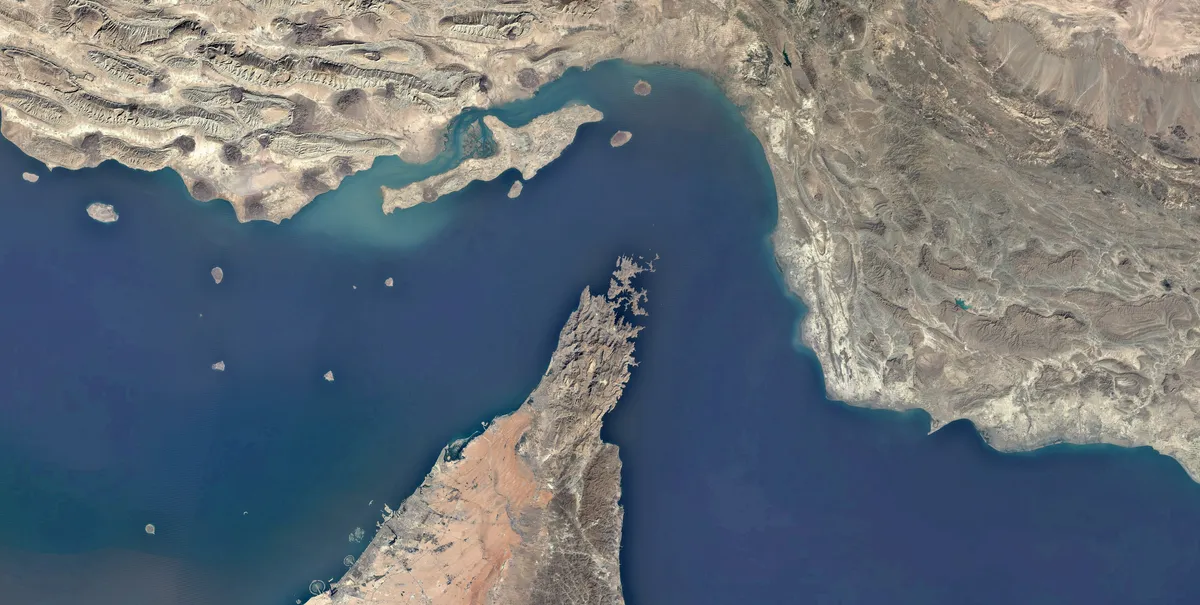
As the fragile ceasefire between the US and Iran crumbles, war-risk insurance rates for vessels transiting the Strait of Hormuz have surged, reflecting heightened tensions and risks in the region. This article explores the implications for the shipping industry and what stakeholders can expect moving forward.
Related articles



Popular in Business Insurance
- Surging War-Risk Insurance Rates in the Strait of Hormuz: What It Means for Shipping
- Ross & Yerger Insurance Faces Class Action Over Data Breach Allegations
- Sompo Expands U.S. Workers' Compensation Portfolio with Service Insurance Acquisition
- Legal Battle Unfolds Over $1 Million Truck Crash Insurance Payout
- Howden Group's Ambitious Journey Toward IPO and Expansion