The Evolving Science of Climate Models Amid Political Controversy
As extreme weather events escalate, the precision of climate models becomes crucial for policymakers and insurers. Yet, these models face significant political backlash that threatens their credibility.

As the United States and Europe endure a series of unprecedented heat waves and extreme weather events, the importance of scientific models linking climate change to these occurrences has never been more pronounced. Policymakers and commercial enterprises, particularly in the insurance sector, are increasingly relying on these models to make informed decisions. Yet, despite their growing precision and utility, these models have encountered a fierce political backlash aimed at undermining their credibility. This article delves into the intricacies of climate models, their role in predicting extreme weather, and the political dynamics shaping their acceptance.
The Rise of Attribution Science
Attribution science, a field dedicated to determining the extent to which human-induced climate change exacerbates specific weather events, has seen remarkable advancements over the last two decades. Initially, this scientific discipline emerged in the early 2000s, but recent improvements in computational resources and methodologies have made it increasingly effective. Notably, researchers can now conduct studies even while an extreme weather event is still unfolding. For instance, during the recent heat wave that impacted the eastern United States, a team from World Weather Attribution concluded that the combination of soaring temperatures and high humidity would have been “virtually impossible” without the greenhouse gases emitted from burning fossil fuels.
How Attribution Works
The process of attribution science hinges on the concept of counterfactual scenarios. Scientists, such as Mingfang Ting from Columbia University, explain that they model the likelihood of an extreme event occurring in a world devoid of fossil fuel emissions versus one where such emissions are prevalent. This process not only quantifies the probability of such events but also helps frame the broader conversation on climate accountability. Noah Diffenbaugh, a climate scientist at Stanford University, emphasizes that the ability to simulate these scenarios on sophisticated computer models allows researchers to analyze the implications of climate change with greater rigor.

Implications for the Insurance Industry
The advancements in attribution science hold significant implications for the insurance industry, particularly as climate change continues to reshape the risk landscape. Insurers rely heavily on accurate data to assess risk and set premiums. As climate models improve, they provide insurers with crucial insights into how global warming is altering weather patterns and the frequency of extreme weather events. This shift necessitates a reevaluation of historical data, which may no longer serve as a reliable basis for predicting future risks.
Pricing Risk in a Changing Climate
In the insurance world, understanding the potential location and frequency of extreme weather events is essential for pricing policies appropriately. Erik Lindgren, a natural catastrophe specialist at Swiss Re, notes that the process of using climate models to gauge risk is akin to the methodologies used in attribution studies. Both aim to illuminate the differences between past weather patterns and current conditions, providing a data-driven foundation for future projections. However, Lindgren cautions that while these models are invaluable, they also come with limitations that must be understood and communicated effectively.
The Political Landscape and Its Challenges
Despite the scientific advancements in climate modeling and attribution, the political landscape remains fraught with tension. Recent political statements, such as those by former President Donald Trump, who dismissed some climate models as “wrong,” reflect a growing skepticism that challenges the credibility of climate science. This skepticism poses a significant hurdle for scientists who strive to communicate the urgency and relevance of their findings.
Efforts to Undermine Credibility
Political resistance is not a new phenomenon for climate scientists. For years, researchers have faced scrutiny and pressure from various political factions, particularly those aligned with fossil fuel interests. Reports indicate that there are concerted efforts among certain lawmakers and industry representatives to discredit scientific findings, including an upcoming landmark report from the US National Academies of Sciences, Engineering and Medicine that aims to assess advancements in extreme-weather attribution science. Such political maneuvers not only threaten public perception of climate science but also complicate the task of policymakers who rely on these models for informed decision-making.
Future Directions for Climate Science
As attribution science continues to evolve, its potential applications in legal settings could reshape accountability for climate-related damages. Some experts anticipate that improved precision in climate modeling may lead to increased legal actions against corporations or governments deemed responsible for exacerbating climate change. However, the effectiveness of using attribution studies in courts remains uncertain and will require ongoing research and validation.
Building Public Trust
Amidst the political backlash and evolving scientific landscape, fostering public trust in climate models is crucial. Scientists like Diffenbaugh emphasize the importance of rigorous methodologies that include testable hypotheses, objective testing, and transparent reporting of uncertainties. By adhering to these scientific principles, researchers aim to bolster the credibility of their work and demonstrate the tangible impacts of climate change on extreme weather.
Key Takeaways
- Advancements in Attribution Science: Climate models have become more precise, allowing for real-time assessments of extreme weather events.
- Impact on Insurance: Insurers utilize climate models to price risk and adjust premiums based on changing weather patterns.
- Political Challenges: Climate models face skepticism from political figures, complicating public understanding and acceptance.
- Future Legal Applications: Improved attribution science may lead to increased legal accountability for climate-related damages.
- Importance of Trust: Building public trust in scientific findings is crucial for effective climate policy and action.
Frequently Asked Questions
What is attribution science?
Attribution science is a field of study focused on determining the extent to which human activities, such as burning fossil fuels, have contributed to specific weather events. By using computer models, researchers can simulate counterfactual scenarios—what the weather would have been like without human impact—and quantify the probabilities of extreme events occurring under different climatic conditions.
How do insurers use climate models?
Insurers utilize climate models to assess risk associated with natural disasters and extreme weather events. This information helps them price insurance policies appropriately, considering the changing frequency and intensity of such events due to climate change. As historical data may no longer be reliable, insurers increasingly depend on advanced modeling techniques to make informed decisions.
What are the political implications of climate models?
Climate models face significant political scrutiny, particularly from those skeptical of climate science. This skepticism can hinder public understanding and acceptance of scientific findings, complicating efforts to implement effective climate policies. Political attacks on the credibility of models may also impact funding and support for climate research.
Can attribution science be used in legal cases?
While the potential for using attribution science in legal settings is still being explored, some experts believe that improved precision in climate modeling could lead to successful legal actions against entities responsible for exacerbating climate change. However, the effectiveness of such applications will depend on ongoing research and validation of the science.
Comments
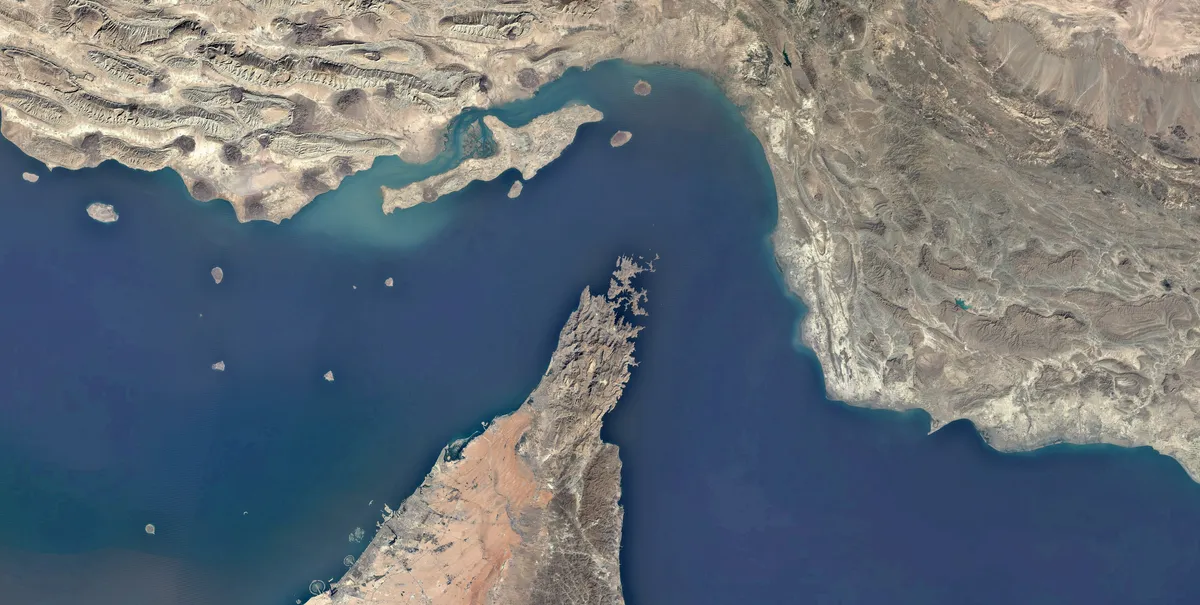
Surging War-Risk Insurance Rates in the Strait of Hormuz: What It Means for Shipping
As the fragile ceasefire between the US and Iran crumbles, war-risk insurance rates for vessels transiting the Strait of Hormuz have surged, reflecting heightened tensions and risks in the region. This article explores the implications for the shipping industry and what stakeholders can expect moving forward.
Related articles






Popular in Business Insurance
- Surging War-Risk Insurance Rates in the Strait of Hormuz: What It Means for Shipping
- Ross & Yerger Insurance Faces Class Action Over Data Breach Allegations
- Sompo Expands U.S. Workers' Compensation Portfolio with Service Insurance Acquisition
- Legal Battle Unfolds Over $1 Million Truck Crash Insurance Payout
- Howden Group's Ambitious Journey Toward IPO and Expansion