Navigating Uncertainty: The Impact of Rising Marine Insurance Costs in the Strait of Hormuz
As tensions between the U.S. and Iran escalate, shipowners are increasingly wary of transiting the Strait of Hormuz, leading to a decline in marine insurance inquiries and rising premiums. This article explores the implications for the shipping industry and what it means for maritime insurance.
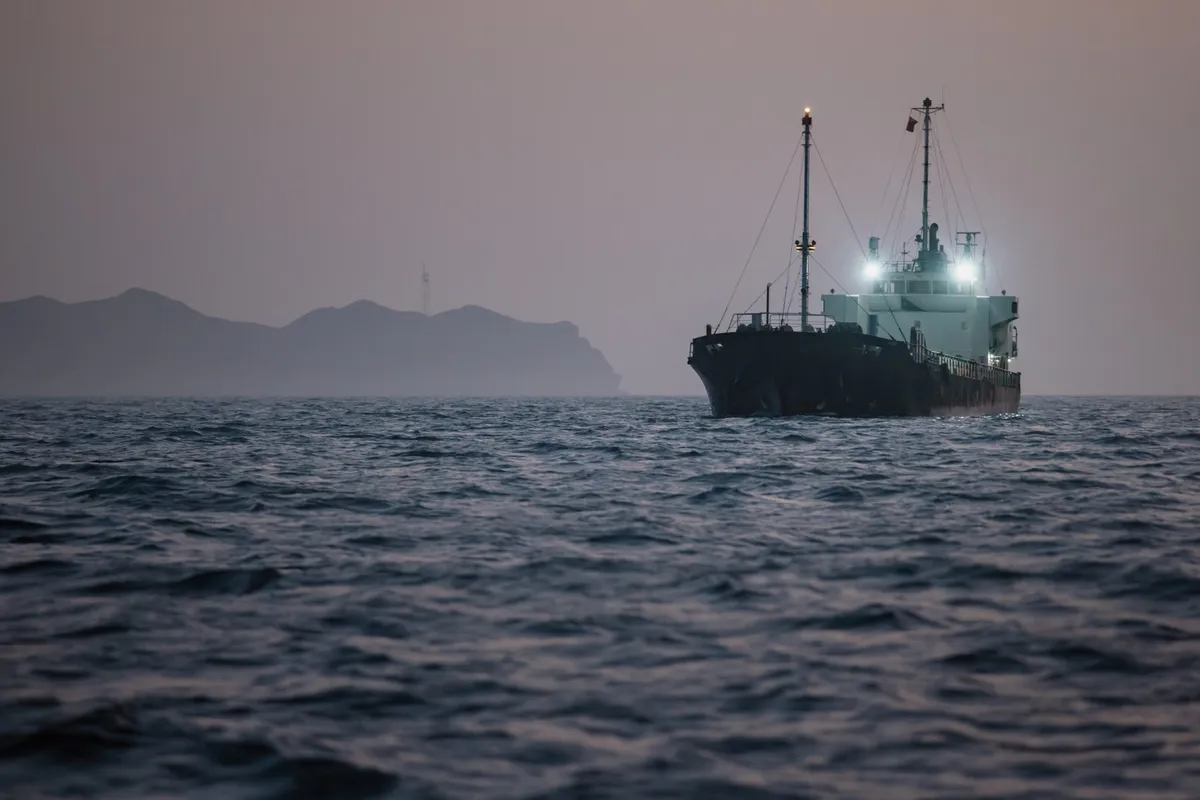
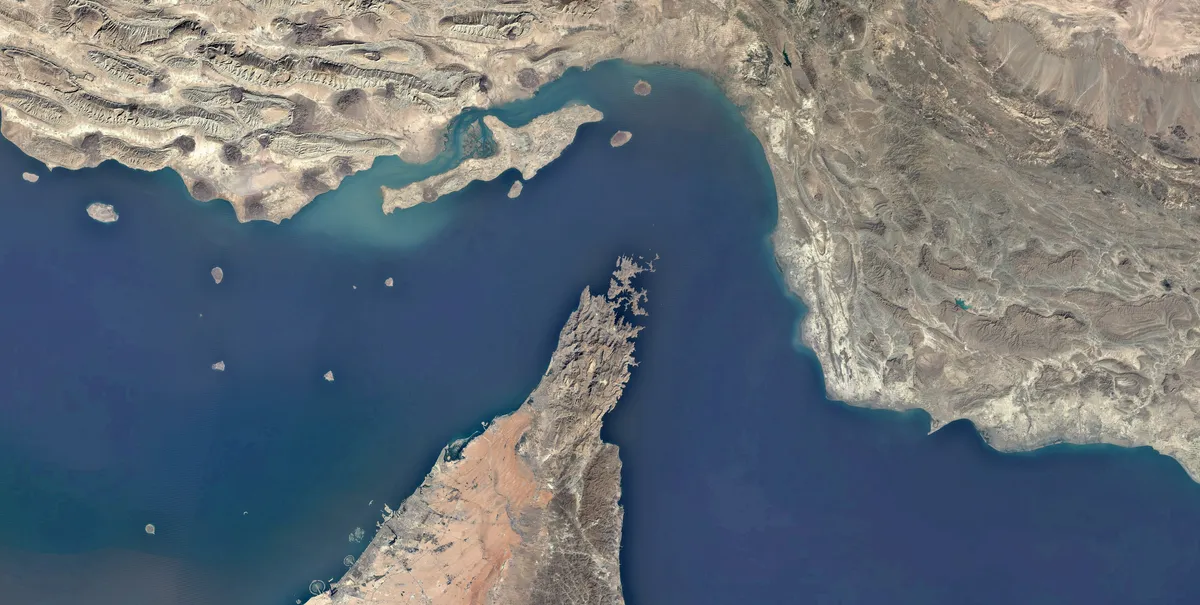
The Strait of Hormuz, a vital maritime corridor for global oil supplies, is currently facing heightened tensions, resulting in significant implications for marine insurance. As the U.S. and Iran exchange attacks, shipowners are becoming increasingly cautious about transiting through this crucial waterway. Recent reports indicate a drop in inquiries for marine insurance coverage, as owners weigh the risks associated with navigating these waters. The insurance market is reacting, with premiums fluctuating as the situation evolves, highlighting the intricate relationship between geopolitical stability and maritime commerce.
In this context, understanding the dynamics of marine insurance—especially in high-risk areas like the Strait of Hormuz—becomes essential for stakeholders in the shipping industry. The implications extend beyond individual shipowners to affect global trade, oil prices, and maritime regulations.

The Current State of Marine Insurance in the Strait of Hormuz
Marine insurance serves as a safety net for shipowners, protecting them from potential losses during transit. However, recent developments have led to a marked decrease in requests for insurance quotes from shipowners intending to navigate the Strait of Hormuz. According to several marine war insurance brokers and underwriters, this trend reflects a growing apprehension among shipowners regarding the safety of their vessels amid ongoing conflicts.
Simon Lockwood, head of shipowners at the brokerage firm Willis Towers Watson Plc, noted that while inquiries for quotes have declined, some owners continue to seek coverage. This reveals a mixed sentiment in the market, where the desire to maintain maritime routes coexists with the realities of rising risks. Lockwood stated, "Requests for quotes have dropped off given a reluctance to commit to transits, although we are still receiving inquiries and terms are available." This cautious approach among shipowners indicates a shift in how they assess risk in light of the recent escalation in hostilities.
Rising Costs of Coverage
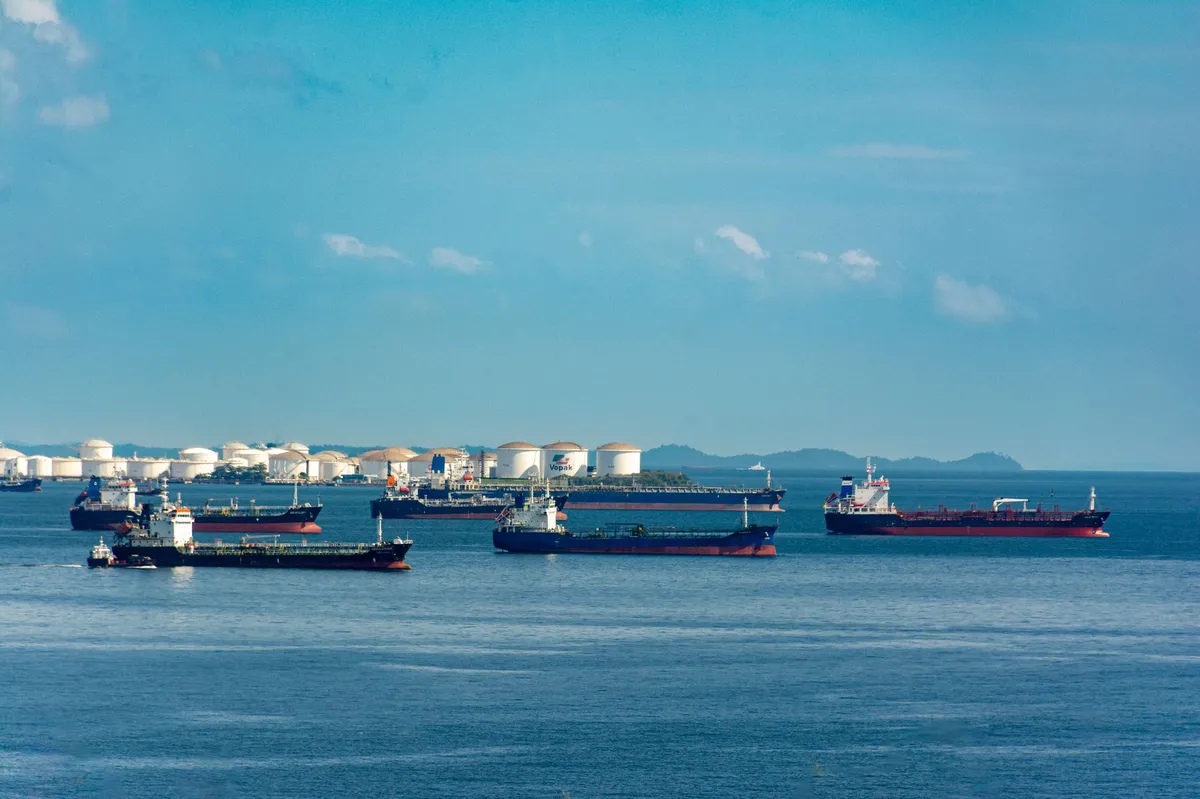
The cost of marine insurance has consistently remained high, even before the recent flare-up in conflicts. As the situation in the Middle East deteriorates, underwriters have begun to adjust their pricing strategies. According to Marcus Baker, global head of marine at Marsh, rates for insuring vessels transiting the Strait of Hormuz have surged to between **2% and 6%** of a ship's value, compared to mere fractions of a percent before the onset of tensions. For instance, insuring a $100 million oil tanker could now cost between **$2 million and $6 million**, depending on the perceived risk.
Additionally, shipowners have historically benefited from large no-claim discounts, which can alleviate some of the financial burdens associated with high premiums. However, the current climate has seen some shipowners charged up to **10%** of their vessel's value during periods of intense conflict, illustrating the volatility and unpredictability of marine insurance pricing in war-prone areas.
Understanding Premium Fluctuations
Several factors contribute to the fluctuations in marine insurance premiums. These include:
- Geopolitical Risks: Escalating conflicts typically lead to increased premiums as insurers adjust their risk assessments.
- Market Demand: A decrease in the number of inquiries can prompt insurers to raise rates for those still willing to take the risk.
- Historical Claims Data: Prior incidents in the region can influence current pricing as insurers look to mitigate potential losses.
- Shipping Routes and Vessel Types: Different routes and vessel types may carry varying levels of risk, affecting coverage costs.

The Broader Implications for Global Trade
The impact of rising marine insurance costs is not confined to individual shipowners; it reverberates throughout the global economy. The Strait of Hormuz is a critical transit point for approximately **20%** of the world's oil supply, and disruptions in shipping traffic can lead to significant fluctuations in oil prices. A decrease in maritime traffic can also affect supply chains, leading to shortages in various industries reliant on oil and gas.
Moreover, the instability in the region can prompt shipping companies to reroute their vessels, potentially increasing transportation costs and delivery times. This scenario can have a cascading effect on consumers, leading to higher prices for goods and services. As insurers adjust their pricing structures, businesses operating in affected sectors must also adapt to the evolving landscape, which may include reassessing their logistics strategies and considering alternative shipping routes.
Regulatory and Compliance Considerations
Shipowners must also navigate a complex regulatory environment when considering transits through volatile regions. Compliance with international maritime laws and sanctions becomes paramount, particularly when dealing with countries like Iran. Failure to adhere to these regulations can result in legal ramifications, financial penalties, and a tarnished reputation. Insurers may also impose additional requirements for coverage, such as security measures or route modifications, further complicating the decision-making process for shipowners.
Key Takeaways
- Demand for marine insurance in the Strait of Hormuz is declining amid rising geopolitical tensions.
- Insurance premiums have increased significantly, with costs now ranging from 2% to 6% of a vessel's value.
- Global trade is at risk as shipping costs rise, potentially leading to higher consumer prices.
- Regulatory compliance is critical for shipowners to avoid legal repercussions and ensure coverage.
Frequently Asked Questions
What factors influence marine insurance premiums in conflict areas?
Marine insurance premiums in conflict areas are influenced by a combination of geopolitical risks, market demand, historical claims data, and the specifics of shipping routes and vessel types. Insurers assess the likelihood of potential claims based on these factors, leading to significant fluctuations in coverage costs based on the prevailing situation.
How can shipowners mitigate the risks associated with transiting the Strait of Hormuz?
Shipowners can mitigate risks by employing a variety of strategies. These may include investing in advanced navigation technologies to avoid conflict zones, securing comprehensive insurance coverage with favorable terms, and establishing contingency plans for rerouting vessels. Additionally, maintaining compliance with international regulations and staying informed about the geopolitical landscape can help shipowners make informed decisions.
What are the long-term implications of rising insurance costs for global trade?
Long-term implications of rising insurance costs could include increased shipping rates, which may lead to higher prices for consumer goods and services. Additionally, sustained instability in key shipping routes could drive companies to seek alternative suppliers or logistics strategies, potentially reshaping global supply chains and trade patterns.
Comments
Surging War-Risk Insurance Rates in the Strait of Hormuz: What It Means for Shipping
As the fragile ceasefire between the US and Iran crumbles, war-risk insurance rates for vessels transiting the Strait of Hormuz have surged, reflecting heightened tensions and risks in the region. This article explores the implications for the shipping industry and what stakeholders can expect moving forward.
Related articles




Popular in Business Insurance
- Surging War-Risk Insurance Rates in the Strait of Hormuz: What It Means for Shipping
- Ross & Yerger Insurance Faces Class Action Over Data Breach Allegations
- Sompo Expands U.S. Workers' Compensation Portfolio with Service Insurance Acquisition
- Legal Battle Unfolds Over $1 Million Truck Crash Insurance Payout
- Howden Group's Ambitious Journey Toward IPO and Expansion