Oregon Court Ruling Alters Insurer Liability in Co-Insurance Claims
Recent Oregon Court of Appeals decisions have significant implications for lead insurers and their co-insurers regarding liability, attorney fees, and defense costs. The rulings underscore the importance of strategic decision-making in insurance litigation.

In a significant legal development for the insurance industry, the Oregon Court of Appeals recently delivered two rulings that redefine the landscape for lead insurers seeking reimbursement from their co-insurers. On July 8, 2026, the court ruled that a lead insurer could not pass along attorney fees incurred due to its refusal to settle a claim, and it capped the reimbursement for out-of-town defense counsel fees. These decisions emerged from a complex dispute involving the cleanup of the Portland Harbor Superfund site, bringing to light important considerations for insurers navigating claims and litigation.
The implications of these rulings are profound, affecting how lead insurers strategize their claims processes and manage relationships with co-insurers. At the heart of the case are Schnitzer Steel Industries and its related company, which were named as potentially liable parties in the environmental cleanup. As the primary target for liability under Oregon's environmental cleanup insurance law, Schnitzer selected Continental Casualty Company as its lead insurer. This choice not only set the stage for a major payout in 2018 but also triggered a legal battle over cost-sharing responsibilities among insurers.
Understanding the Legal Context
The Oregon Court's rulings stem from a larger legal framework governing insurance claims, particularly in environmental contexts where multiple insurers may be involved. Under Oregon law, the insured party can designate a primary insurer to handle the entirety of the claim. This means that when Schnitzer selected Continental as its targeted insurer, it effectively placed the onus on Continental to manage the claim comprehensively.
However, the legal landscape becomes complicated when the lead insurer opts to litigate rather than settle. In this case, Continental faced significant financial repercussions due to its decision, which the court determined was not a shared duty among co-insurers. This ruling highlights a crucial aspect of insurance litigation: the risk of pursuing a contentious legal route can fall squarely on the lead insurer, even if other insurers might share culpability in the eyes of the law.

The Financial Stakes: Attorney Fees and Reimbursement Limits
One of the most critical elements of the court's decision revolves around attorney fees. Schnitzer had previously won a federal court ruling against Continental, which resulted in a substantial award for unpaid defense costs. Specifically, Schnitzer was awarded:
- $8,601,700 for unpaid nonlocal attorney fees
- $3,756,037 in attorney fees due to Continental's failure to settle within six months of the proof of claim
- $2,812,185 in prejudgment interest
Continental sought to distribute these fees among its co-insurers, including Employers Insurance Company of Wausau. However, the Oregon Court of Appeals ruled that the attorney fees resulting from Continental's litigation choices could not be shared. The court emphasized that these fees were the result of Continental's own reluctance to settle, and thus, they were not attributable to a collective insurer responsibility.
Implications for Co-Insurers
This ruling serves as a cautionary tale for lead insurers. It underscores the importance of strategic settlement decisions, particularly in high-stakes environmental liability cases. Co-insurers may find themselves insulated from penalties that arise from the lead insurer's litigation decisions, thereby shifting financial responsibility solely to the lead insurer. The ramifications of this decision could lead to more conservative approaches in future claims, with lead insurers weighing the potential costs of litigation against the benefits of settlement.

Cap on Reimbursement for Out-of-Town Counsel
Another significant aspect of the court's rulings is the cap on reimbursement fees for out-of-town counsel. The court determined that the statutory limit on reimbursement, which ties fees to 'regular and customary rates' in the local community, also applies to out-of-town attorneys. This decision has the potential to significantly impact how lead insurers account for legal costs, particularly in cases involving specialized or out-of-state legal representation.
While the court did not determine the exact monetary implications of this ruling, it sent the matter back to the trial court for further consideration. This aspect of the ruling emphasizes the need for insurers to carefully consider the geographic location of counsel and the associated costs, as these factors may now affect how they allocate expenses related to legal representation.

The Role of Policy Limits in Cost Allocation
The court's decision also touched upon the allocation of policy limits among co-insurers. In a split outcome, certain older policies held by Wausau remained part of the contribution calculation, while policies covering Schnitzer's tenant, Northwest Pipe, were deemed exhausted by previous settlements. This aspect highlights the complexity of determining how policy limits interact with claims, particularly in cases involving multiple insurers and layers of liability.
Lessons Learned for Insurers
As insurers navigate the aftermath of these rulings, several key lessons emerge:
- **Evaluate the Risks of Litigation:** Lead insurers must weigh the potential costs and consequences of litigation against the benefits of settlement. The court's ruling makes it clear that litigation choices can result in significant financial liability.
- **Understand Cost Allocation:** Insurers need to be acutely aware of how different types of fees—such as attorney fees and prejudgment interest—are allocated among co-insurers. This understanding is essential for managing financial risk and ensuring equitable cost distribution.
- **Plan for Geographical Variability:** The ruling on out-of-town counsel fees highlights the importance of understanding local legal rates. Insurers should account for these factors when selecting legal representation to avoid unexpected expenses.
Key Takeaways
- The Oregon Court of Appeals limited lead insurers' ability to recover attorney fees from co-insurers.
- Reimbursement for out-of-town counsel is now capped at local customary rates.
- Litigation choices made by lead insurers can result in sole financial responsibility for costs incurred.
- Understanding policy limits and their interaction with claims is critical for effective cost allocation.
Frequently Asked Questions
What are the implications of the Oregon Court of Appeals' rulings for lead insurers?
The recent rulings compel lead insurers to reconsider their approach to claims management, particularly in high-stakes cases where litigation is involved. Insurers must now navigate the potential financial repercussions of their choices, as the court has clarified that costs incurred due to litigation decisions may not be recoverable from co-insurers.
How does the cap on out-of-town counsel fees impact insurance claims?
The cap on out-of-town counsel fees means that insurers may face limitations on how much they can recover for legal representation outside their local jurisdiction. This could lead to a reevaluation of legal strategies and counsel selection, as insurers must align their choices with customary local rates to avoid incurring unnecessarily high expenses.
What should insurers do in light of these rulings?
In response to these rulings, insurers should conduct a thorough review of their claims handling processes, particularly regarding settlement strategies and cost allocation. It's essential for insurers to implement policies that emphasize early settlement discussions and collaboration with co-insurers to mitigate the risk of costly litigation.
Comments
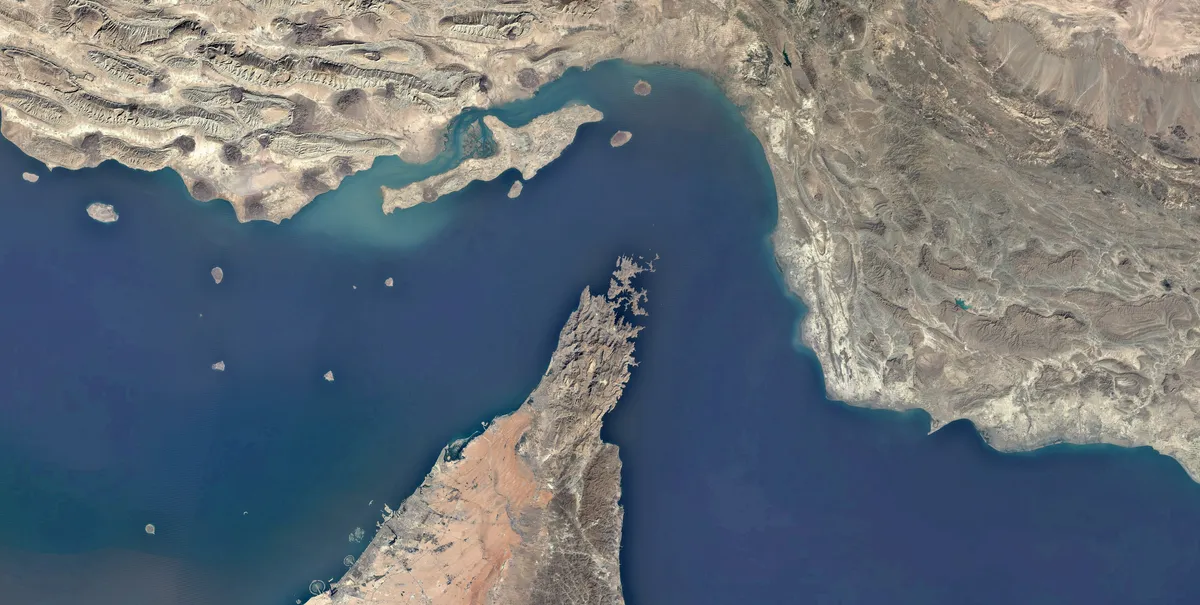
Surging War-Risk Insurance Rates in the Strait of Hormuz: What It Means for Shipping
As the fragile ceasefire between the US and Iran crumbles, war-risk insurance rates for vessels transiting the Strait of Hormuz have surged, reflecting heightened tensions and risks in the region. This article explores the implications for the shipping industry and what stakeholders can expect moving forward.
Related articles





Popular in Business Insurance
- Surging War-Risk Insurance Rates in the Strait of Hormuz: What It Means for Shipping
- Ross & Yerger Insurance Faces Class Action Over Data Breach Allegations
- Sompo Expands U.S. Workers' Compensation Portfolio with Service Insurance Acquisition
- Legal Battle Unfolds Over $1 Million Truck Crash Insurance Payout
- Howden Group's Ambitious Journey Toward IPO and Expansion