Zelenskyy Alerts Insurers as Russian Airspace Risks Escalate
Ukrainian President Volodymyr Zelenskyy has issued a stark warning to airlines and their insurers regarding the escalating risks of flying through Russian airspace. With rising drone strikes and ongoing military actions, the implications for aviation insurance are profound and far-reaching.

In a bold statement that reverberated through the aviation and insurance industries, Ukrainian President Volodymyr Zelenskyy declared that the "safe days in Russia's skies are over." This warning was directed not only at airlines but also at the insurers backing them, marking a rare instance where a head of state has openly addressed the insurance market in the context of wartime security. The implications of this statement are significant, as they relate to the risk assessments made by insurers regarding flights over Russian airspace amid ongoing military tensions.
Since the onset of the conflict, the landscape of aviation insurance has become increasingly complex. Insurers must now navigate a precarious balance between underwriting risks and the realities of geopolitical instability. Zelenskyy's remarks come on the heels of a dramatic escalation in drone strikes targeting Russian territory, which necessitates a reassessment of risk for all stakeholders involved in air travel.
Understanding the Shift in Risk Assessment
The aviation landscape has changed dramatically since the war began in 2022. For insurers and airlines alike, the term "war-risk" has evolved into a more nuanced understanding of what constitutes risk in the current context. Historically, the definition of war-risk coverage has revolved around physical loss from military actions, but now it extends to the broader implications of operating in a conflict zone.
The Role of Insurers
Insurers play a crucial role in determining where aircraft can safely operate. Their assessments influence not only the risk premiums charged but also the conditions of coverage. As Zelenskyy highlighted, the increasing scale of Ukrainian drone strikes into Russian territory introduces a new layer of complexity for underwriters. The risk is no longer confined to static maps but is fluid and dynamic, changing with the ebb and flow of military operations.
Legal Precedents and Challenges
The ongoing litigation involving approximately 400 Western-leased aircraft trapped in Russia serves as a critical backdrop to current discussions. Following Russia's invasion of Ukraine, insurers faced a barrage of claims regarding these aircraft, which have been effectively barred from export. The legal ramifications of this situation are still unfolding in London courts, where insurers including Lloyd's and AIG are seeking to appeal certain aspects of rulings that could define how "loss" is interpreted in a wartime context.

The Current State of Air Travel Over Russian Airspace
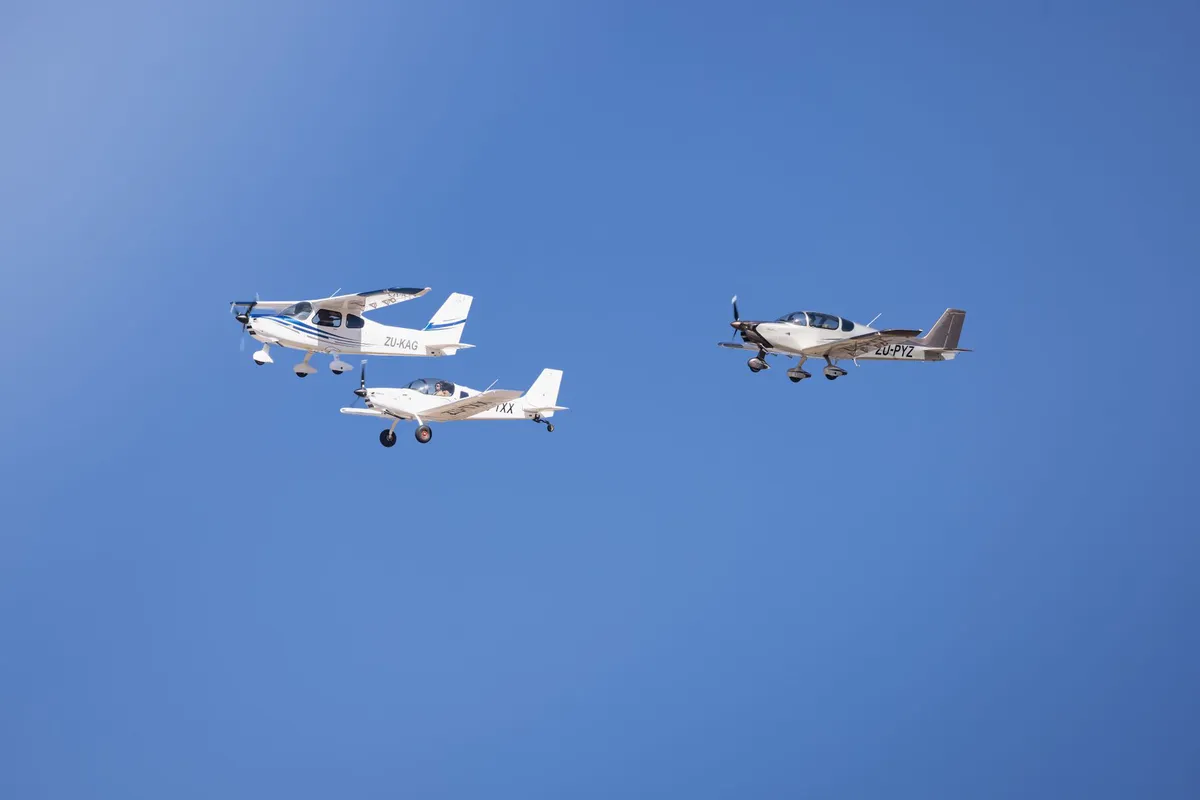
Despite the heightened risks, some airlines continue to operate in Russian airspace. The carriers still using these routes are primarily from countries that have not imposed reciprocal airspace bans. Notably, Turkish Airlines operates the most extensive network into Russia, with seven destinations served from Istanbul. Meanwhile, Chinese carriers like Air China and China Eastern account for significant volumes of overflights, predominantly linking Europe with Asia.
- Turkish Airlines: Serves seven Russian destinations.
- Chinese Airlines: Major players include Air China and China Southern.
- Gulf Carriers: Emirates and Qatar Airways continue to operate routes into Russia.
- Air India: Relies on Russian airspace for its US and Canada services.
The European Union Aviation Safety Agency has already flagged Russian airspace as a high-risk area for civil aviation, given the potential for aircraft to be caught in the crossfire of air-defense systems responding to Ukrainian strikes. Zelenskyy's recent comments sharpen this warning, indicating an escalation in risk that insurers must acknowledge.
The Escalating Drone Campaign
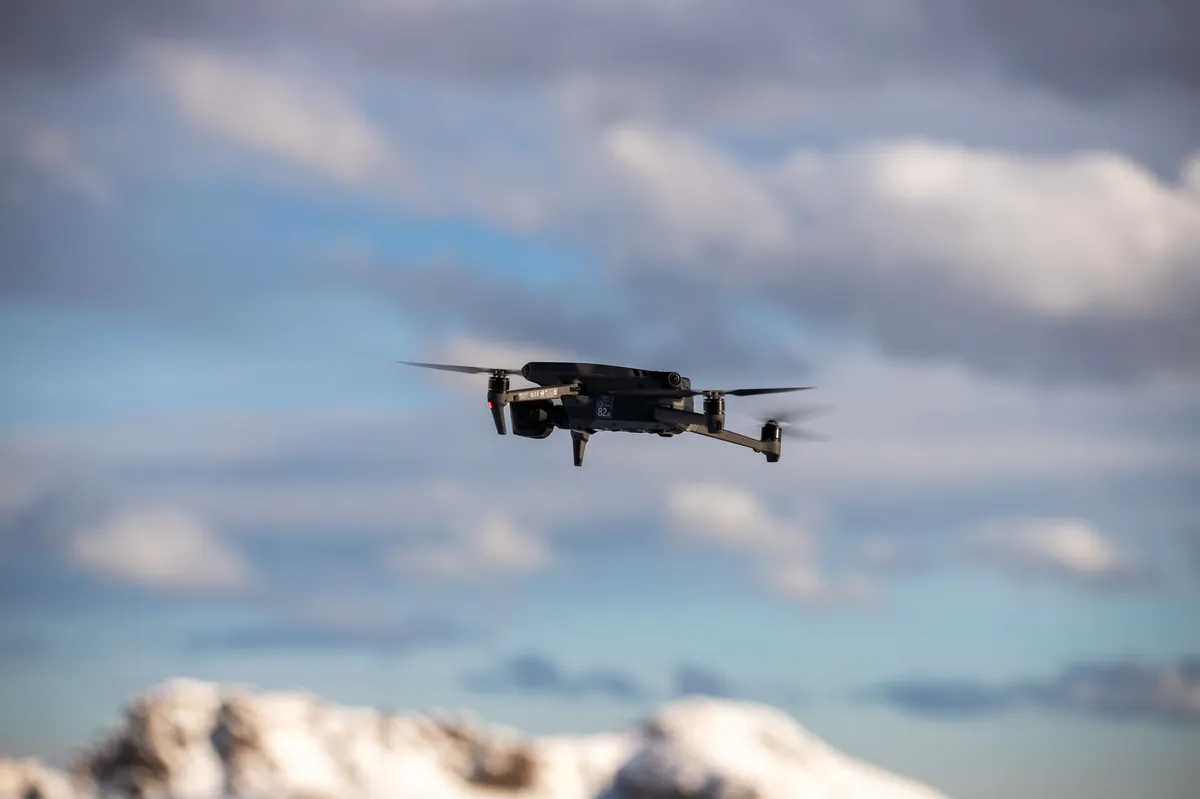
The context of ongoing drone warfare adds another layer of risk. With both Ukrainian and Russian forces ramping up their drone operations, the skies over the region have become increasingly perilous. A recent strike on an ammunition depot near Kyiv resulted in significant civilian casualties, underscoring the real dangers present in the conflict. The threat of misidentification of civilian aircraft by Russian air defenses has become a pressing concern for insurers and airlines alike.
Adjusting Insurance Policies
As the situation evolves, underwriters are likely to adjust their policies regarding flights over Russian and Belarusian airspace. The market for hull war capacity has already hardened significantly, and brokers advising clients on these routes face a new reality: a public statement from the Ukrainian president indicating that risk has materially changed.
Insurers may respond with closer scrutiny of policy wording and terms during the next renewal cycle. This could lead to tighter exclusions or increased premiums, depending on how the military situation unfolds.
Future Implications for Aviation Insurance
The implications of Zelenskyy's warning extend beyond immediate risk assessments. They signify a shift in how insurers must approach geopolitical instability and the pricing of political risk. Aviation war underwriters have learned valuable lessons from previous conflicts, and the current landscape demands that they remain agile in their assessments.
The Importance of Communication
For insurers, maintaining clear lines of communication with their clients will be critical. As risk profiles change, it is essential for underwriters to convey these changes effectively. The evolving nature of air travel in conflict zones necessitates that brokers and insurers provide transparent guidelines and advice to airlines operating in high-risk areas.
Key Takeaways
- Zelenskyy's warning highlights the escalating risks of flying over Russian airspace.
- Insurers must reassess risk assessments due to ongoing drone strikes and military operations.
- Legal challenges surrounding trapped aircraft add complexity to aviation insurance.
- Some airlines continue to operate in Russian airspace, despite the risks.
- Future policy adjustments may lead to tighter exclusions or increased premiums.
Frequently Asked Questions
What does Zelenskyy's warning mean for airlines operating in Russian airspace?
Zelenskyy's warning signifies a critical shift in the risk profile associated with flying over Russian airspace. Airlines must reconsider their operations and communicate with insurers about potential changes in coverage terms and premiums as the situation evolves. Insurers are likely to take a more cautious approach to underwriting these risks, which could lead to tighter policy conditions.
How has the conflict impacted aviation insurance rates?
The conflict has resulted in a hardening market for aviation insurance, particularly in relation to war-risk coverage. Insurers are adjusting their pricing models to reflect the dynamic and escalating risks of operating in conflict zones. Increased premiums and stricter underwriting guidelines are expected as the conflict continues.
What should airlines do to mitigate risk when flying in high-risk areas?
Airlines should engage in proactive risk management by regularly reviewing their operations and collaborating closely with their insurers. This includes obtaining detailed risk assessments and staying informed about ongoing developments in the conflict that may affect their routes. Clear communication with insurers about operational changes is essential to ensure adequate coverage.
Are there alternatives to flying over Russian airspace?
Yes, airlines can consider alternative routes that avoid Russian airspace. However, these alternatives may lead to longer flight times and increased operational costs due to higher fuel consumption. Airlines must weigh the benefits of safety against the additional expenses incurred when planning routes in the current geopolitical climate.
Comments
Rising Blackout Risks Amidst Extreme Heat: A National Concern
As intense heat waves push electricity grids to their limits, the risk of blackouts looms larger across the U.S. This article explores the implications of this situation for consumers and businesses alike.

Related articles







Popular in Business Insurance
- Surging War-Risk Insurance Rates in the Strait of Hormuz: What It Means for Shipping
- Ross & Yerger Insurance Faces Class Action Over Data Breach Allegations
- Sompo Expands U.S. Workers' Compensation Portfolio with Service Insurance Acquisition
- Legal Battle Unfolds Over $1 Million Truck Crash Insurance Payout
- Howden Group's Ambitious Journey Toward IPO and Expansion