Tensions Rise as Augsburg Train Station Shut Following Explosion
A train station in Augsburg, Germany was closed after a blast, coinciding with accusations against Russia for a drone attack on Leipzig airport. This incident highlights escalating geopolitical tensions and domestic political ramifications in Germany.

In a shocking incident that underscores the rising tension between Germany and Russia, a train station in Augsburg was closed on Wednesday morning following an explosion. This event came just a day after Germany formally accused Russia of being behind a drone attack on Leipzig airport, marking a significant escalation in diplomatic relations and raising concerns about security across Europe. The explosion occurred at approximately 3:15 AM local time, causing minor injuries to two individuals and damaging nearby structures.
The blast sent shockwaves through Augsburg, a city of about 308,000 residents located roughly 48 miles northwest of Munich. As emergency services responded, police cordoned off surrounding streets, and public transport faced significant disruptions. While the initial explosion was alarming, authorities also discovered a second suspicious object nearby, prompting a thorough investigation by explosives experts from Bavaria's state criminal police office. As of Wednesday morning, no definitive cause had been established for the explosion, nor had any connection to the Leipzig incident been confirmed.

Background: The Leipzig Airport Drone Attack
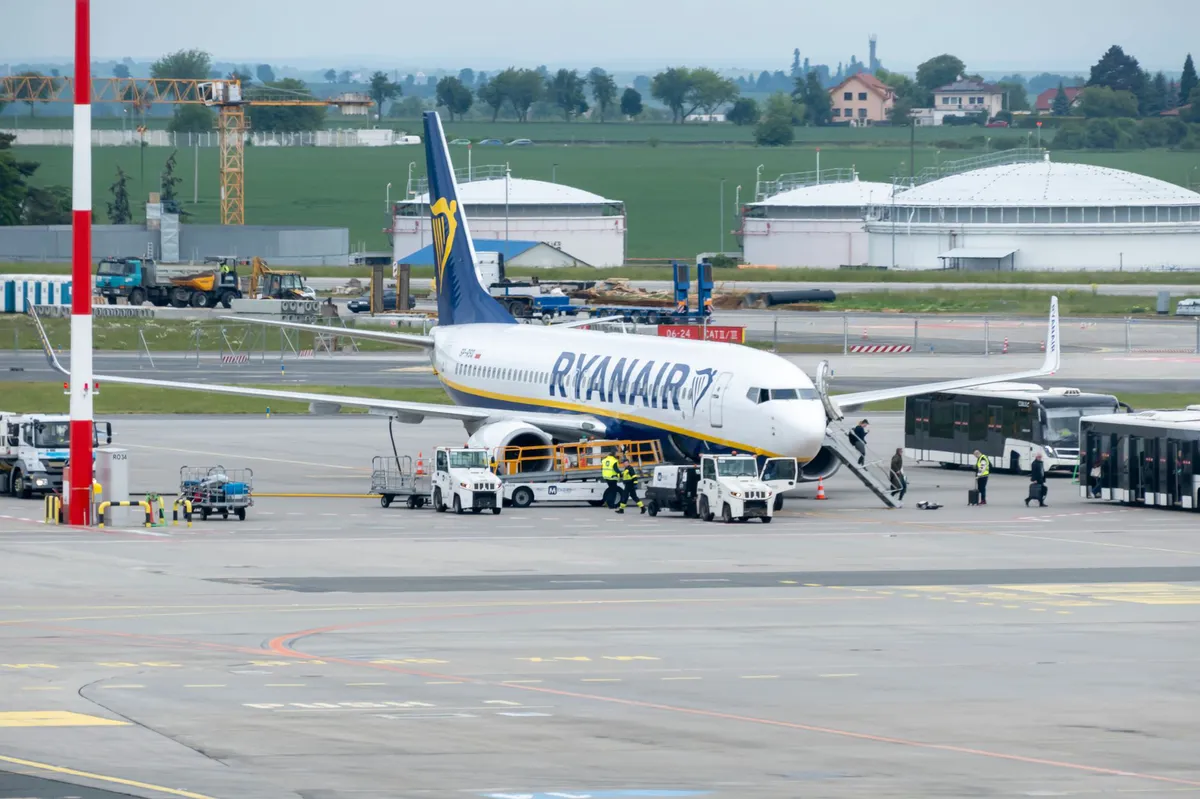
The Augsburg explosion is particularly concerning in light of recent allegations made by German officials regarding a drone attack on Leipzig airport. On August 4, a quadcopter drone carrying 800 grams of the explosive PETN collided with an Antonov Airlines An-124 cargo plane on the tarmac. Fortunately, the device failed to detonate; however, it raised alarms about the potential for further aerial threats against critical infrastructure.
Germany's interior minister, Alexander Dobrindt, attributed this drone incident to Russian state actors, describing it as part of a broader pattern of hybrid warfare that Germany is now facing. This marked the first time Berlin officially linked a drone attack to Moscow, intensifying scrutiny over Russia's aggressive actions in Europe.
Political Repercussions and Domestic Response
The German government's response to the Leipzig attack was swift and multifaceted. Foreign Minister Johann Wadephul announced plans to close the Russian consulate-general in Bonn and terminate contracts with Russian state-backed entities, including the cultural institution known as Russia House in Berlin. This indicates a significant shift in Germany's diplomatic stance towards Russia, aligning with broader European sentiments against the Kremlin's provocations.
Moreover, Germany is tightening entry rules for Russian citizens and collaborating with EU partners to enhance sanctions against Russia. The European Union has already implemented nearly two dozen sanctions packages targeting various individuals and entities linked to the Russian military-industrial complex, with additional measures in development. The EU's foreign policy chief, Kaja Kallas, emphasized that the Leipzig incident bore the hallmarks of state-sponsored terrorism, urging member states to consider new strategies in response.
Public Reaction and Political Discourse
The recent events have sparked a heated political discussion in Germany, with various parties weighing in on the implications of the drone attack and the subsequent explosion in Augsburg. Some politicians, including Ulrich Siegmund of the Alternative for Germany (AfD), suggested that the Leipzig attack was a direct consequence of Germany's military support for Ukraine. Siegmund's call for a return to trade relations with Moscow and a revocation of sanctions reflects a growing divide in public opinion regarding Germany's foreign policy.
In contrast, mainstream parties have largely rallied around the government's response to the incidents, emphasizing the need for national security and unity among EU allies. The support from British officials, who condemned the actions as reckless and expressed solidarity with Germany, highlights the international dimension of the issue.
Implications for European Security
The Augsburg explosion and the earlier drone attack on Leipzig airport raise significant questions about the security of European infrastructure and the potential for further escalation in conflict with Russia. The incidents serve as a stark reminder of the changing nature of warfare in the 21st century, where hybrid tactics and asymmetric threats are becoming increasingly prevalent.
As European governments grapple with the implications of these events, the need for a coordinated approach to security becomes paramount. This includes not only enhancing defensive measures but also addressing the underlying political tensions that fuel such aggressive actions. The EU's existing sanctions against Russia have had a substantial impact, but the question remains whether they are sufficient to deter future attacks.
Key Takeaways
- Augsburg train station was closed after an explosion linked to rising tensions with Russia.
- Germany formally accused Russia of a drone attack on Leipzig airport, intensifying diplomatic disputes.
- Political discourse in Germany is polarized regarding military support for Ukraine and relations with Russia.
- EU is preparing more sanctions targeting Russia's military capabilities amidst calls for enhanced security measures.
Frequently Asked Questions
What caused the explosion at the Augsburg train station?
The precise cause of the explosion remains under investigation by local authorities. An unidentified object detonated near the station, injuring two individuals. Additionally, a second suspicious object was discovered nearby and is being examined by explosives specialists. As of now, there is no confirmed connection to the earlier drone attack on Leipzig airport.
How has the German government responded to the drone attack on Leipzig airport?
In response to the drone attack attributed to Russia, the German government has announced several measures, including the closure of the Russian consulate-general in Bonn and the termination of contracts with Russian state-backed organizations. Furthermore, Germany is tightening entry regulations for Russian nationals and is collaborating with EU allies to impose additional sanctions targeting Russia's military-industrial complex.
What are the broader implications of these incidents for European security?
The Augsburg explosion and the drone attack on Leipzig airport highlight the evolving nature of security threats in Europe, particularly regarding hybrid warfare tactics. These incidents underscore the necessity for European nations to enhance their collective security measures and reassess their diplomatic strategies towards Russia. As tensions escalate, the potential for further aggression from state actors demands a unified and proactive response from European governments.
Comments
Rising Blackout Risks Amidst Extreme Heat: A National Concern
As intense heat waves push electricity grids to their limits, the risk of blackouts looms larger across the U.S. This article explores the implications of this situation for consumers and businesses alike.

Related articles






Popular in Business Insurance
- Surging War-Risk Insurance Rates in the Strait of Hormuz: What It Means for Shipping
- Ross & Yerger Insurance Faces Class Action Over Data Breach Allegations
- Sompo Expands U.S. Workers' Compensation Portfolio with Service Insurance Acquisition
- Legal Battle Unfolds Over $1 Million Truck Crash Insurance Payout
- Howden Group's Ambitious Journey Toward IPO and Expansion