Rising Blackout Risks Amidst Extreme Heat: A National Concern
As intense heat waves push electricity grids to their limits, the risk of blackouts looms larger across the U.S. This article explores the implications of this situation for consumers and businesses alike.
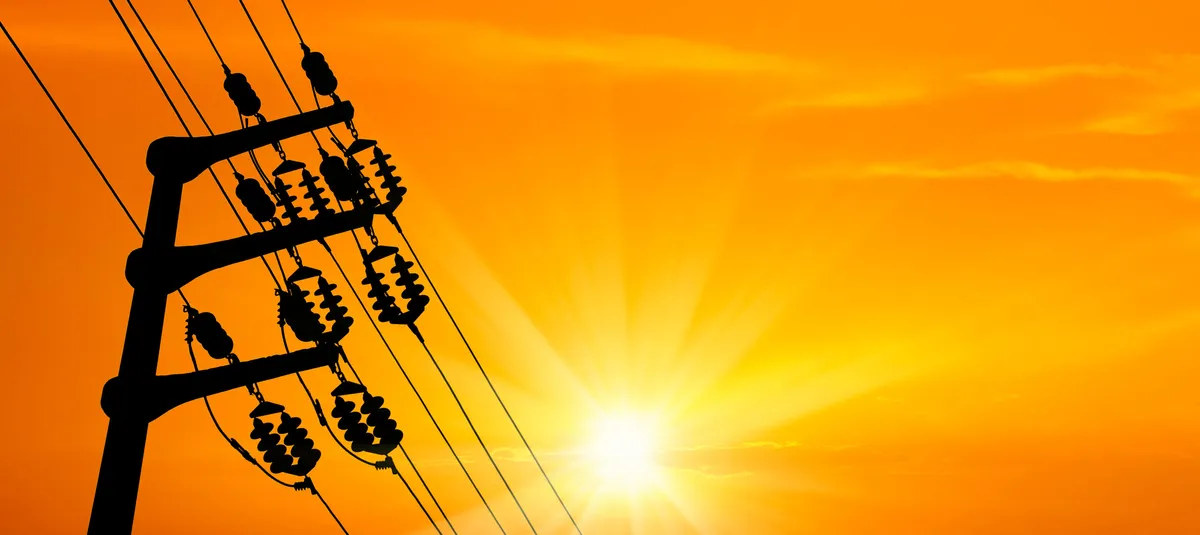
As summer temperatures soar across the United States, the risk of widespread power outages has become a pressing concern for millions of households and businesses. The U.S. Department of Energy (DOE) recently issued warnings regarding the heightened potential for blackouts, particularly in the PJM Interconnection—America's largest electric grid that serves approximately 67 million people from Washington D.C. to Chicago. With temperatures soaring above 90 degrees Fahrenheit in major cities, the demand for electricity is reaching unprecedented levels, putting significant strain on the nation’s power infrastructure.
Recent developments indicate that the situation has escalated to the point where the DOE Secretary Chris Wright has authorized PJM to activate backup generation resources. This measure is a critical step in managing the grid's stability and preventing potential blackouts during peak demand periods. The implications of these circumstances reach far beyond mere inconvenience; they underscore the vulnerabilities in our electrical systems and provoke a conversation about energy sustainability, infrastructure resilience, and consumer preparedness.
The Current Energy Landscape: Understanding the Risks
The PJM Interconnection, which encompasses a vast territory stretching from the Midwest to the Mid-Atlantic, is vital for maintaining electric service across this densely populated region. Currently, it faces unprecedented challenges due to extreme weather conditions. As part of its emergency response, PJM has issued a “maximum generation emergency” alert, prompting power generators to expedite their service restoration efforts. Moreover, neighboring grids, such as the Midcontinent Independent System Operator (MISO), are also bracing for record-setting electricity demands.
Electricity Demand and Supply Dynamics
During peak summer months, electricity demand typically surges as air conditioning units work overtime to cool homes and businesses. However, the simultaneous rise in demand and the potential for outages due to excessive heat create a precarious situation. MISO has already projected that Wednesday's peak demand could approach record levels of 121 gigawatts, just shy of its all-time high. Such demand levels can lead to tight supply conditions, increasing the risk of outages that affect everyday life.
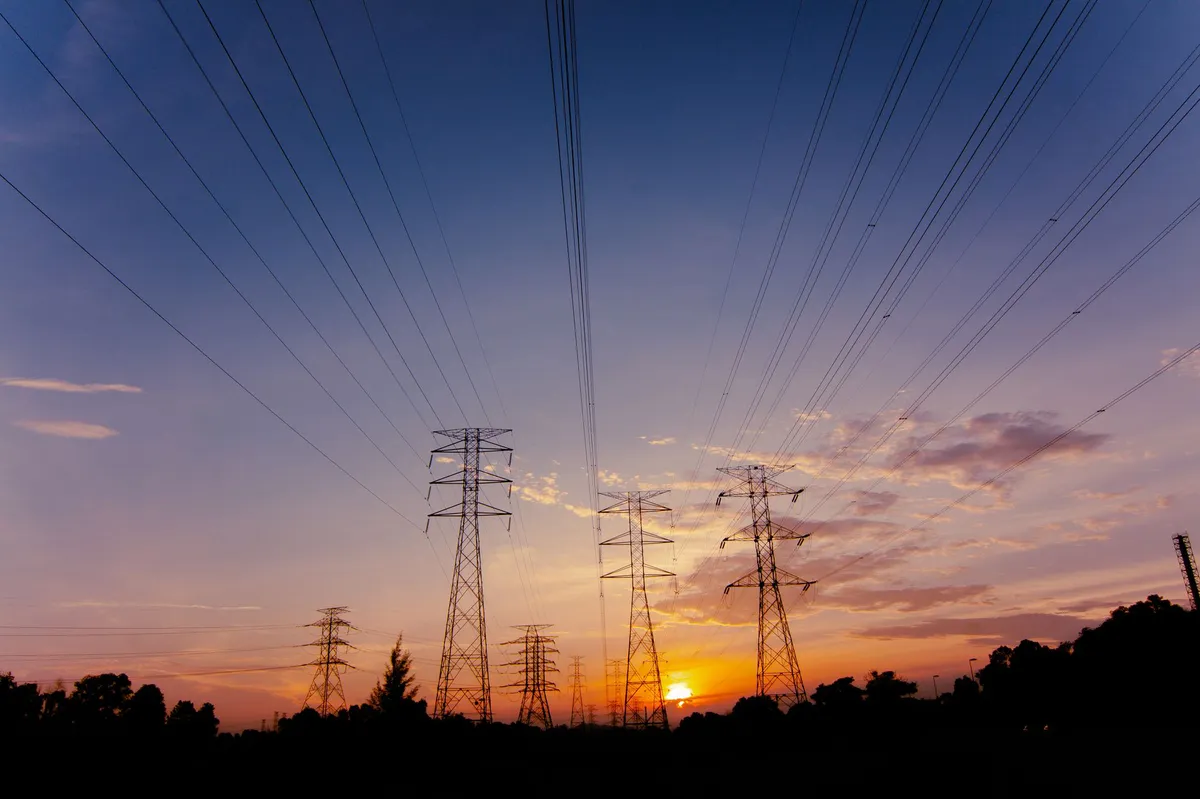
Effects on Consumers and Businesses
The effects of potential blackouts are far-reaching, impacting everything from household comfort to business operations. As the Howell-Oregon Electric Cooperative in Missouri advises customers to unplug unused chargers and consider raising thermostats, individuals and families are faced with difficult choices to mitigate their electricity consumption. For businesses, especially those reliant on consistent power for operations, a blackout could mean lost productivity and revenue.
Preparedness and Consumer Actions
To prepare for the possibility of blackouts, consumers can take several proactive measures:
- Reduce Electricity Use: Simple actions, like unplugging devices that are not in use, can help ease the load on the grid.
- Adjust Thermostat Settings: Raising the thermostat by a few degrees can significantly decrease air conditioning demand.
- Invest in Backup Generators: For those who can afford it, having a backup generator can provide peace of mind and maintain critical appliances during outages.
- Stay Informed: Follow local news and utility updates regarding energy alerts and blackout risks to make informed decisions.

Long-Term Implications: Infrastructure and Policy
While immediate measures can help mitigate the impact of blackouts, the situation highlights a critical need for long-term infrastructure improvements. The increasing frequency of extreme heat events is a symptom of broader climate change issues, which are straining electric grids across the nation. Policymakers must prioritize investments in energy infrastructure, including the modernization of power plants and transmission lines, to ensure they can withstand the dual pressures of rising demand and climate variability.
Regulatory Considerations and Future Strategies
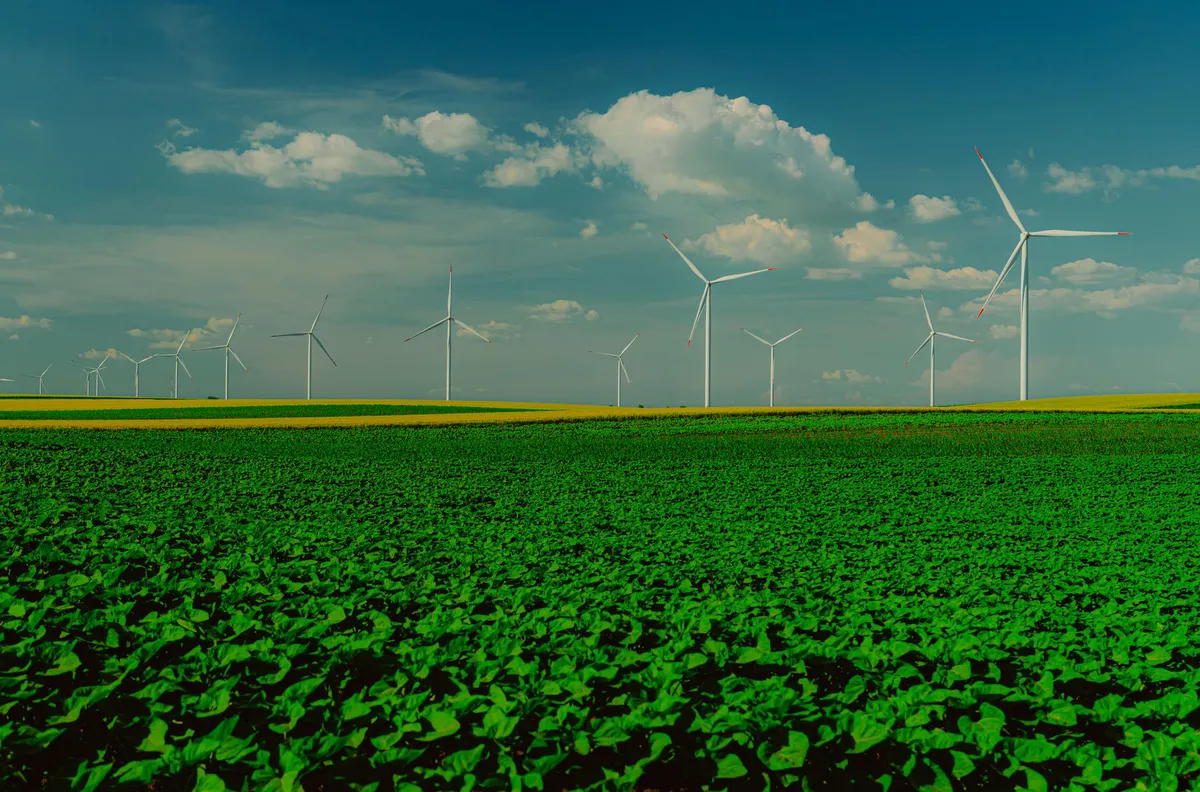
As the DOE and local regulators respond to these challenges, the conversation about energy policy is evolving. There are calls for more robust regulations that promote energy efficiency and renewable energy sources as alternatives to traditional fossil fuels. Investments in smart grid technologies, which allow for better demand management and real-time data on electricity use, can also play a key role in enhancing grid reliability.
Key Takeaways
- The risk of blackouts is increasing due to extreme heat affecting power demand.
- PJM Interconnection is under significant stress, serving millions during peak conditions.
- Consumers can take steps to reduce electricity use and prepare for potential outages.
- Long-term infrastructure improvements are needed to address climate-related challenges.
- Regulatory changes may be necessary to promote renewable energy and grid modernization.
Frequently Asked Questions
What should I do during a blackout?
During a blackout, it is essential to keep safety as your top priority. If you are in an area without power, avoid opening your refrigerator or freezer to keep food from spoiling. Use flashlights instead of candles to prevent fire hazards, and ensure that you have access to a battery-operated radio for updates. If you rely on medical equipment powered by electricity, make arrangements in advance for backup power sources.
How can I stay informed about potential blackouts?
Staying informed about potential blackouts can be achieved through various channels. Local utility companies typically provide updates via social media, text alerts, or their websites. Additionally, local news stations often report on energy alerts and weather conditions that could affect power supply. Signing up for community alert systems can also provide timely notifications about outages and emergency measures.
What long-term solutions are being considered to prevent blackouts?
To prevent future blackouts, various long-term solutions are being discussed, including investing in renewable energy sources such as solar and wind power, which can reduce reliance on fossil fuels. Additionally, enhancing energy efficiency through building codes and consumer incentives can lower overall demand. Smart grid technologies, which allow for better integration of renewable energy and improved grid management, are also crucial for enhancing reliability and resilience.
Comments
Tensions Rise as Augsburg Train Station Shut Following Explosion
A train station in Augsburg, Germany was closed after a blast, coinciding with accusations against Russia for a drone attack on Leipzig airport. This incident highlights escalating geopolitical tensions and domestic political ramifications in Germany.
Related articles




Popular in Business Insurance
- Surging War-Risk Insurance Rates in the Strait of Hormuz: What It Means for Shipping
- Ross & Yerger Insurance Faces Class Action Over Data Breach Allegations
- Sompo Expands U.S. Workers' Compensation Portfolio with Service Insurance Acquisition
- Legal Battle Unfolds Over $1 Million Truck Crash Insurance Payout
- Howden Group's Ambitious Journey Toward IPO and Expansion