USDA Expands Crop Insurance Options for Forage Producers in 12 States
The USDA's new crop insurance initiative offers expanded coverage for forage producers, addressing yield and revenue risks across 12 states. This comprehensive program aims to support farmers in an evolving agricultural landscape.
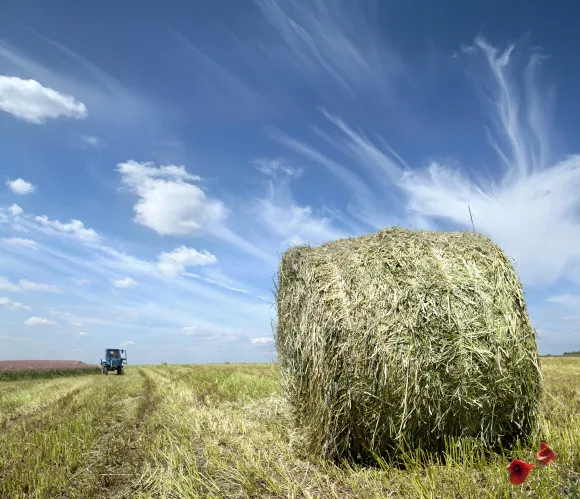
The agricultural landscape is ever-changing, influenced by fluctuating market prices, unpredictable weather, and varying consumer demands. Recognizing these challenges, the U.S. Department of Agriculture (USDA) has taken a significant step to support forage producers by expanding crop insurance options across 12 states. This initiative, implemented by the USDA's Risk Management Agency (RMA), aims to offer greater financial protection against both yield losses and revenue declines.
Starting with the 2027 crop year, this expanded coverage is designed to replace the Actual Production History (APH) coverage previously available for forage production. The decision follows extensive collaboration with forage producers and industry stakeholders, reflecting the USDA's commitment to addressing the unique needs of farmers in this sector.
Understanding the New Coverage Options
The newly introduced insurance options provide three distinct plans tailored to the diverse needs of forage producers:
- Yield Protection (YP): This plan safeguards against losses in yield, ensuring that farmers can recover some costs even when production falls short.
- Revenue Protection (RP): Offering a more comprehensive safety net, this option protects against losses in revenue due to both yield declines and market price drops. It is particularly beneficial during periods of high prices, as it covers yield losses at elevated values.
- Revenue Protection with Harvest Price Exclusions (RP-HPE): This plan provides coverage against revenue loss stemming from yield reductions or a decrease in the harvest price below the projected price, or both.
The Importance of Forage Production
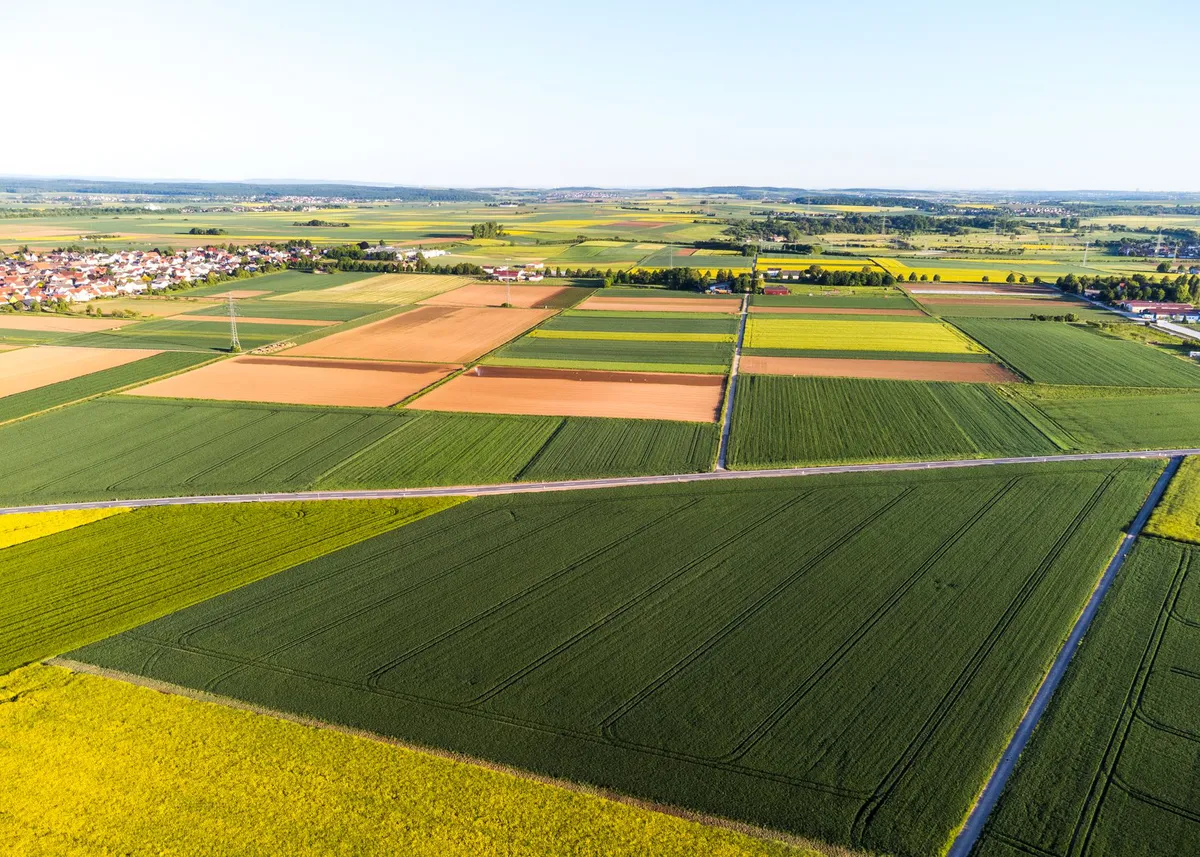
Forage production plays a critical role in the U.S. agricultural sector, serving as the backbone for livestock operations. The quality and quantity of forage directly impact the health and productivity of livestock, which in turn affects the broader food supply chain. In recent years, factors like climate change and market volatility have put additional pressure on forage producers, making insurance coverage essential for sustaining their operations.
According to the USDA, forage crops are vital for providing feed to livestock, which includes cattle, sheep, and dairy animals. With the increasing unpredictability of weather patterns, forage producers face heightened risks that can lead to significant financial losses. The new insurance options aim to cushion these risks, allowing producers to focus on agricultural practices rather than financial uncertainties.
Eligibility and Enrollment Process
Farmers interested in these expanded insurance offerings must be located in one of the designated states: California, Idaho, Iowa, Michigan, Minnesota, Montana, Nebraska, North Dakota, Pennsylvania, South Dakota, Washington, and Wisconsin. Forage producers in these areas are encouraged to contact a licensed crop insurance agent to understand their options better and begin the enrollment process.
The enrollment deadline is set for September 30, 2026, providing a limited window for farmers to take advantage of this new initiative. It's crucial for producers to act promptly to ensure they are covered for the upcoming crop year.

Market Impact and Future Considerations
The introduction of these new insurance options is likely to have a ripple effect across the agricultural market. By providing more robust safety nets, the USDA is not only supporting the individual livelihoods of farmers but also contributing to the stability of the broader agricultural economy. Enhanced insurance options can lead to more sustainable farming practices, as producers feel more secure in investing in their operations.
Furthermore, the expansion of coverage aligns with a growing trend among agricultural policymakers to adapt to changing conditions. As climate change continues to pose challenges to farming, programs like these that offer financial resilience will be increasingly important. Forage producers may find that these new insurance options allow them to innovate and implement better practices without the fear of crippling losses.
Key Takeaways
- The USDA is expanding crop insurance options for forage producers in 12 states starting in 2027.
- New plans include Yield Protection, Revenue Protection, and Revenue Protection with Harvest Price Exclusions.
- Producers must enroll by September 30, 2026, to take advantage of these new offerings.
- The initiative aims to address unique challenges faced by forage producers, enhancing financial stability in the sector.
- Insurance coverage is critical for mitigating risks associated with climate change and market fluctuations.
Frequently Asked Questions
What are forage crops, and why are they important?
Forage crops are plants grown primarily for animal consumption, particularly for livestock such as cattle, sheep, and goats. They are a crucial component of livestock feed, providing essential nutrients that support animal health and productivity. Healthy livestock is fundamental to the agricultural economy, as it ensures a steady supply of meat, milk, and other animal products for consumers. The importance of forage crops cannot be overstated, as they play a vital role in maintaining food security.
How does the new insurance program differ from previous offerings?
The newly introduced insurance options replace the Actual Production History (APH) coverage that was previously available for forage producers. Unlike APH, which primarily focused on yield history, the new plans offer more comprehensive protections against both yield losses and revenue declines due to market fluctuations. This reflects a modernized approach to crop insurance, addressing the multifaceted risks that farmers face today.
Who should I contact for more information about enrollment?
Producers interested in enrolling in the new crop insurance options should reach out to a licensed crop insurance agent. These professionals can provide detailed information about the plans, eligibility requirements, and the enrollment process. It's advisable to start this conversation early to ensure that all questions are addressed before the September 30 enrollment deadline.
What should I consider before enrolling in a crop insurance plan?
Before enrolling in a crop insurance plan, producers should carefully assess their individual needs, including their risk exposure, production history, and financial situation. It's important to compare the different coverage options available to determine which plan aligns best with their operations. Additionally, producers should consider consulting with financial advisors or agricultural extension services to gain insights into the potential impacts of various plans on their overall business sustainability.
Comments
Navigating Business Interruption Insurance After NYC Construction Incident
Recent construction-related threats in Midtown Manhattan raise critical questions about business interruption coverage. Understanding policy intricacies could be crucial for affected businesses seeking recovery.

Related articles







Popular in Business Insurance
- Surging War-Risk Insurance Rates in the Strait of Hormuz: What It Means for Shipping
- Ross & Yerger Insurance Faces Class Action Over Data Breach Allegations
- Sompo Expands U.S. Workers' Compensation Portfolio with Service Insurance Acquisition
- Legal Battle Unfolds Over $1 Million Truck Crash Insurance Payout
- Howden Group's Ambitious Journey Toward IPO and Expansion